
The National Audubon Society has officially announced the appointment of Julie Shapiro as the new Vice President of the Rockies Region, a strategic leadership transition poised to shape the future of avian and habitat conservation across Colorado, Wyoming, Utah, and surrounding high-altitude ecosystems. Shapiro steps into the role bringing more than two decades of distinguished experience spanning natural resource management, environmental policy, and strategic conservation framework development.
At a time when the American West faces unprecedented ecological pressures—ranging from intensifying megadroughts and climate-driven habitat loss to the accelerated degradation of vital migratory pathways—Shapiro’s appointment signals a renewed institutional commitment to collaborative, science-driven intervention. Her career history is deeply rooted in forging consensus among diverse stakeholders, balancing ecological imperatives with socioeconomic realities, and utilizing rigorous scientific data to steer environmental policy.
This profile explores Shapiro’s strategic vision for the Rockies region, her foundational approach to conservation leadership, and the critical intersection of her personal philosophy with the broader mission of the Audubon Society. Through an in-depth Q&A style inquiry, this article examines how her multidisciplinary background will guide Audubon Rockies through the compounding crises of biodiversity loss and rapid climate change over the coming decade.
Detailed Chronology and Professional Trajectory: Building a Foundation in the West
To understand the strategic trajectory Shapiro brings to the National Audubon Society, one must examine the arc of her professional journey across the American West. Over a career spanning more than twenty years, Shapiro has operated at the critical nexus of environmental policy, community engagement, and resource management.
Her early career began in environmental education, a formative period that instilled in her a lifelong belief in the power of experiential learning and public connection to the natural world. This foundational phase grounded her later work in the tangible realities of how local communities interact with and depend upon surrounding ecosystems. Transitioning from education into complex policy and strategy development, Shapiro spent years navigating the intricate regulatory landscapes governing western lands and waters.
Throughout her career, she has consistently focused on collaborative models of natural resource stewardship. Recognizing that top-down mandates rarely yield lasting environmental protections in regions characterized by a
mosaic of public and private land ownership, Shapiro specialized in building coalitions. She has worked extensively with agricultural producers, tribal nations, state and federal agencies, and local conservation groups to craft solutions that protect sensitive habitats while maintaining the economic and cultural fabric of rural western communities.
Her appointment as Vice President of the Rockies Region represents a natural culmination of this extensive experience. In taking the helm at Audubon Rockies, Shapiro is positioned to unify her dedication to hands-on environmental education, high-level policy advocacy, and community-based conservation under a single, highly impactful organizational umbrella.
Supporting Context & Metrics: The Ecological Imperative of the Rockies Region
The Rockies region is one of the most ecologically diverse and geographically complex areas in North America, serving as a critical stronghold for hundreds of bird species and other wildlife. However, the region is also on the front lines of global climate change. Rising temperatures, shifting precipitation patterns, shrinking snowpacks, and the increasing frequency of catastrophic wildfires present an existential threat to both resident and migratory birds.
Key Environmental Pressures in the Rockies:
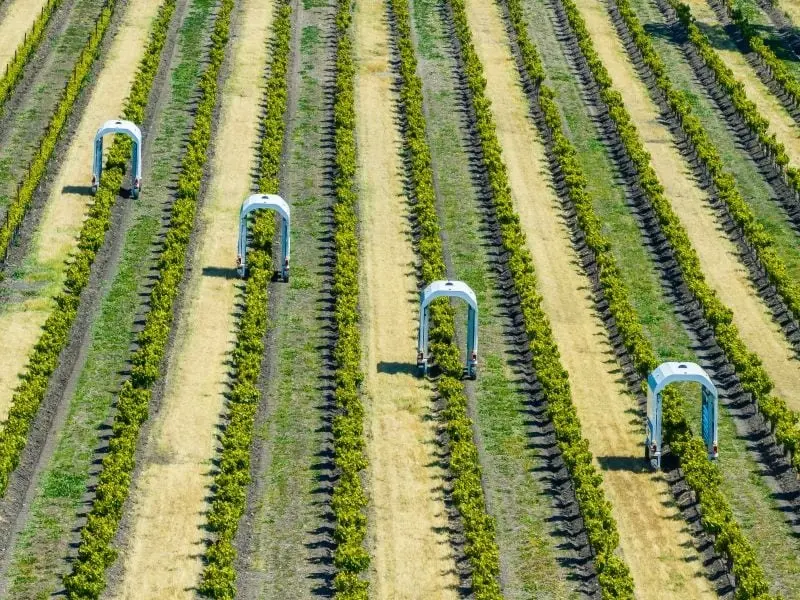
- Water Scarcity and Riparian Degradation: The Colorado River and Green River basins, which Shapiro frequently cites as vital ecological lifelines, face unprecedented structural deficits. Riparian zones—critical for migratory songbirds, raptors, and waterfowl—are heavily impacted by altered hydrological flows and agricultural pressures.
- Habitat Fragmentation: Rapid population growth and real estate development in mountain valleys are fragmenting crucial winter ranges and migration corridors for numerous avian and mammalian species.
- Climate-Driven Forest Transitions: Warming climates are altering high-altitude forests, affecting the distribution of year-round resident species such as chickadees, juncos, and woodpeckers, while altering the timing of insect hatches upon which breeding migratory birds depend.
Audubon’s science-based initiatives in the region focus heavily on defending bedrock environmental policies, restoring degraded watersheds, and securing climate-resilient lands. Shapiro’s leadership is expected to lean heavily into these metrics, utilizing quantitative ecological data to prioritize conservation funding and policy advocacy where it is most urgently needed.
Official Statements and Leadership Philosophy: The Q&A
To provide deeper insight into her operational philosophy and personal connection to the region, Shapiro recently shared her perspective on the challenges and opportunities facing Audubon Rockies.
On the Attraction to the Role and Regional Connections
Reflecting on what drew her to the position, Shapiro emphasizes the alignment between her personal values and Audubon’s institutional mission:
"I’m inspired by Audubon’s mission, values, and impact, and I’m thrilled to advance these in the Rockies region. Most of my career has focused on collaborative, science-based approaches to natural resource challenges in the American West and beyond… On a personal level, I love the Rockies, and my connections with people and places have been forged, first and foremost, by being outdoors. I am excited to advance work in land and water conservation, climate action, policy, and community building to help protect the birds and habitats that make the Rockies so special."
Defining a Core Approach: Collaboration
When asked to summarize her approach to conservation in a single word, Shapiro answered without hesitation: Collaborative.
This philosophy underpins her view on decision-making. Expanding on her leadership style, she drew a parallel to the Great Horned Owl—a species native to the diverse elevations of the Rockies:
"I aim to be a strategic, adaptive, thoughtful, and collaborative leader. I try to first listen, learn, and observe, see the big picture, build relationships, and understand the dynamics and connections around me. I strive to stay calm, make good decisions, and always keep learning. I’m results-oriented, I like getting things done, and I’ll act decisively when the moment calls for it. However, I believe that the best, most durable decisions and results come from good judgment, deep understanding, and include multiple perspectives."
Grounded in Place: Sightings and Scenery
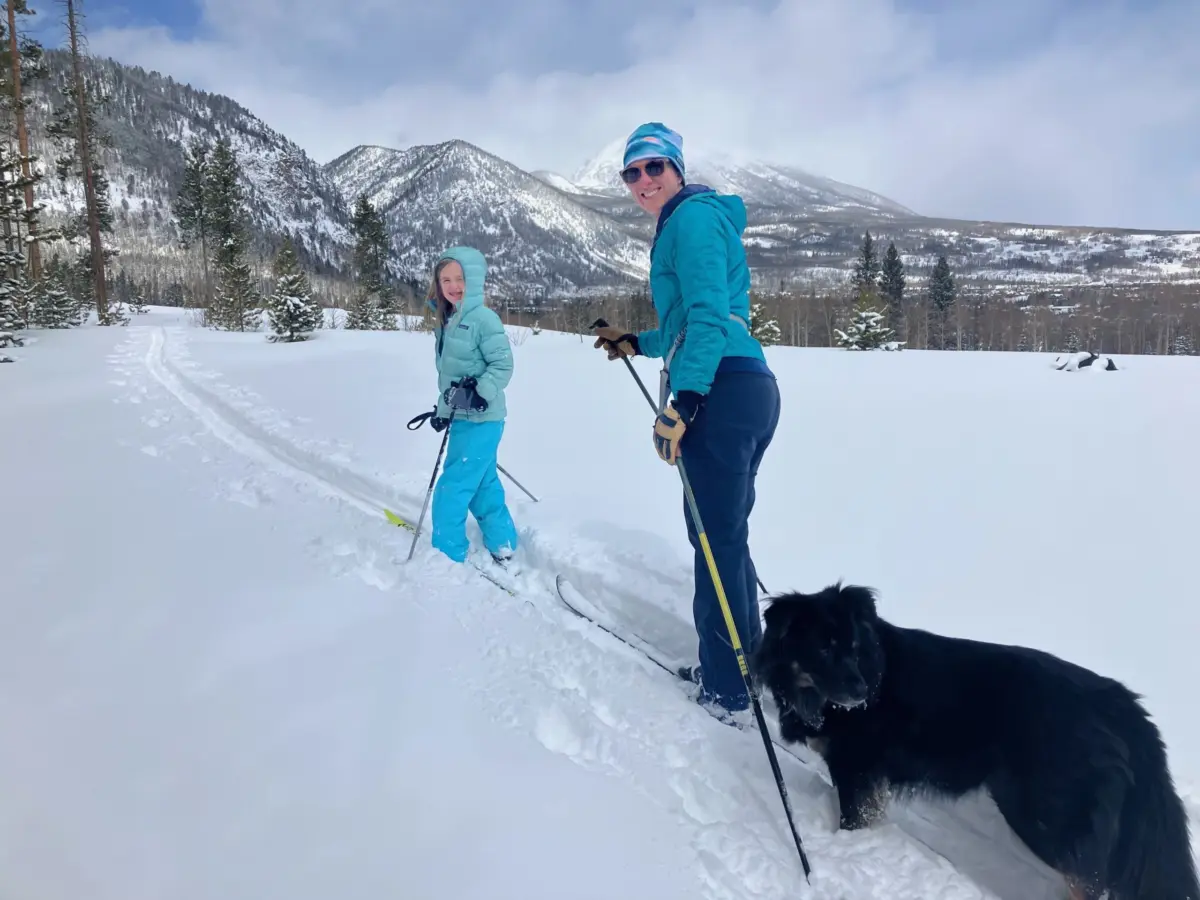
Shapiro’s deep personal connection to the landscape is informed by her daily life at an elevation of 9,000 feet in Colorado’s Gore Range—a location she enthusiastically recommends to anyone seeking to understand the untamed beauty of the Rockies. Living at high altitude provides her with a daily appreciation for resilient resident species, such as Steller’s Jays, Hairy Woodpeckers, chickadees, and Dark-eyed Juncos, which share the forested trails with local moose, bears, deer, and foxes.
Her most memorable avian encounters similarly trace the geographic contours of the West:
- Observing Western Tanagers near high-mountain alpine lakes during the short summer season.
- Watching Ospreys and Bald Eagles soaring, diving, and hunting along the Green River and Colorado River during multi-day float trips.
When asked to choose her preferred outdoor pursuit among hiking, skiing, camping, and river floating, Shapiro refused to narrow the list, noting that her ideal lifestyle simply combines them all: cross-country skiing through the long winter months and hiking every day of the rest of the year. When packing for these excursions, she notes that while her dog cannot always tag along, she never leaves home without her two essential guiding principles: gratitude and curiosity.
Future Outlook: A Five-to-Ten-Year Vision for Audubon Rockies
Looking ahead, Shapiro’s strategic vision for the National Audubon Society in the Rockies is defined by resilience, proactive defense, and community empowerment. When asked to project the state of the region five to ten years into the future, her aspirations are both ambitious and grounded in humility.
"My hope is that bird populations, habitats, and communities across the Rockies region are thriving because of Audubon’s work taking on the biodiversity and climate crises boldly, collaboratively, and with humility," Shapiro states.
Key pillars of this future outlook include:
- Climate-Resilient Ecosystems: Cultivating landscapes and hydrological networks that can withstand rising temperatures and prolonged drought, ensuring that both wildlife and human communities maintain sustainable ways of life.
- Strengthened Partnerships: Leveraging existing networks and building novel coalitions across political, economic, and geographic boundaries to ensure conservation policies enjoy broad, bipartisan, and community-level support.
- Institutional Growth: Strategically scaling Audubon Rockies’ internal capacity to maximize its external footprint across habitat restoration, federal and state policy advocacy, and grassroots community building.
As Julie Shapiro officially takes the reins as Vice President, the National Audubon Society is well-equipped to navigate the complex environmental realities of the American West. By marrying rigorous ecological science with inclusive, community-based collaboration, her leadership promises to secure a vibrant and enduring future for the birds, waters, and lands of the Rocky Mountain region.