
Executive Overview
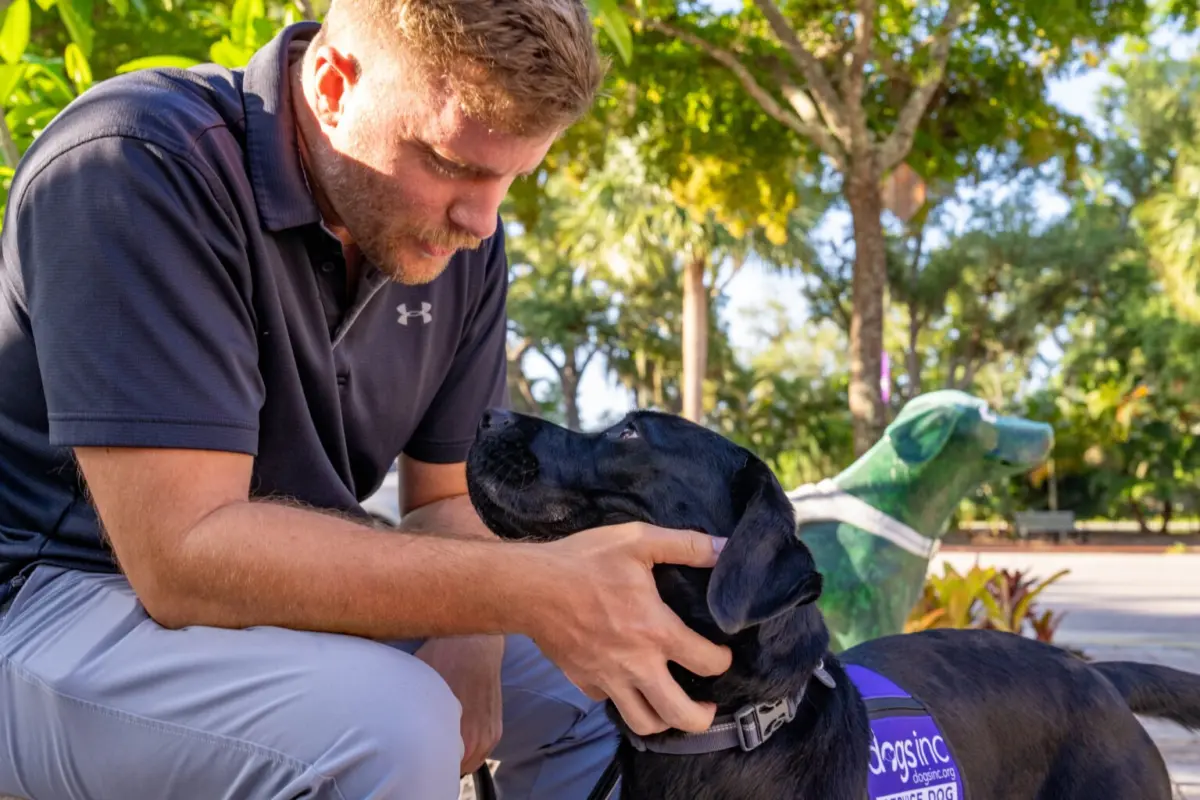
To the casual observer, the prospect of raising a future service dog sounds idyllic—an immersive, heartwarming experience spent bonding with an intelligent puppy while contributing to a noble cause. Thousands of animal lovers view the imagery of soft-coated yellow labs, eager golden retrievers, and focused German shepherds trotting alongside dedicated volunteers and instantly feel a pull to participate. Organizations like Dogs Inc rely heavily on these civilian volunteers to jumpstart the complex, years-long journey of transforming a bundle of puppy energy into a life-changing working companion.
Yet, beneath the glossy brochures and heartwarming social media posts lies a rigorous, demanding, and emotionally taxing reality. Raising a service dog in training is not merely a volunteer gig; it is a lifestyle overhaul. It requires unyielding structure, military-grade consistency, emotional fortitude, and the capacity to pour your entire heart into a living creature only to hand them over when the time comes.
This comprehensive report strips away the romance to examine what it truly takes to foster a future service dog. By exploring the day-to-day realities, the unexpected behavioral hurdles, the relentless time commitments, and the deeply nuanced support networks provided by organizations, prospective volunteers can gain a clear-eyed perspective on one of the most profound commitments a human-animal partnership can offer.
Detailed Chronology: The Lifecycle of a Puppy Raiser
The journey of a volunteer puppy raiser follows a carefully orchestrated timeline, moving from a tiny eight-week-old infant to a confident, adolescent dog ready for advanced, professional training. Understanding this chronology is vital for anyone considering stepping into the role.
Phase One: Arrival and Foundation (Weeks 8 to 16)
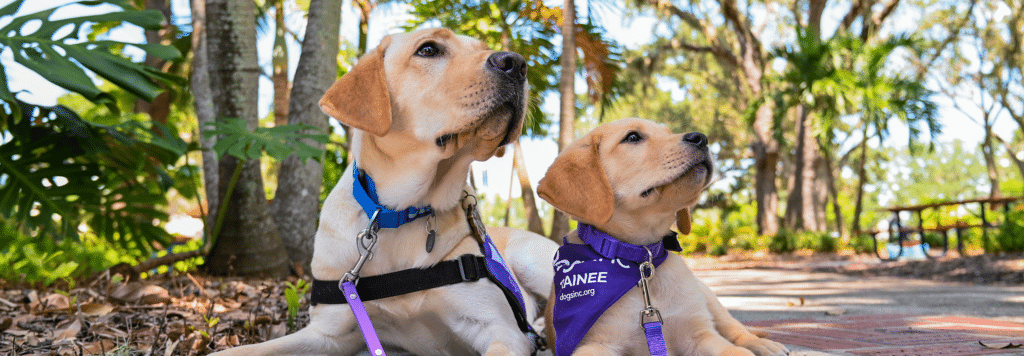
At approximately eight weeks of age, the puppy leaves its littermates and breeding facility to enter the home of a volunteer raiser. This initial window is critical for setting lifetime behavioral precedents.
- House Manners: The immediate focus is placed on fundamental household integration—crate training, housebreaking, and learning the household boundaries.
- Early Socialization: The puppy is introduced to various sounds, textures, and environments. Vacuum cleaners, hardwood floors, riding in cars, and meeting gentle strangers become part of the weekly curriculum.
- Basic Cues: Simple commands like sit, down, stay, and the foundations of loose-leash walking are embedded into every interaction.
Phase Two: Adolescent Expansion and Public Access (Months 4 to 12)
As the puppy matures into adolescence, the stakes rise exponentially. This is the period where volunteer raisers take the dog beyond the safety of the home and local neighborhood.
- Real-World Integration: Pups are systematically brought into grocery stores, restaurants, public transit hubs, and parks. The goal is desensitization: teaching the dog to remain calm and focused amidst a cacophony of unpredictable human activity, food odors, and sudden movements.
- Distraction Management: Adolescence brings hormonal shifts and heightened curiosity. Raisers must continuously redirect the dog’s attention away from distractions, such as running children, other pets, and dropped food, reinforcing that human connection always supersedes external stimuli.
Phase Three: The Transition and Hand-Off (Months 12 to 18+)
As the training period draws to a close, the puppy—now a robust, well-mannered adolescent—reaches the threshold for formal professional instruction.
- Advanced Professional Training: The dog transitions out of the volunteer raiser’s home and back to the organization’s campus to learn specialized tasks (e.g., guide work, mobility support, or stability tasks).
- The Emotional Pivot: The raiser faces the bittersweet reality of letting go, pivoting from daily caregiver to proud supporter as the dog steps into its permanent role assisting a person with a disability.
The Six Core Challenges of Puppy Raising
While the long-term goal is inspiring, day-to-day survival as a puppy raiser tests even the most patient individuals. Organizations like Dogs Inc outline several primary hurdles that every raiser must navigate.
1. Consistency Every Single Day
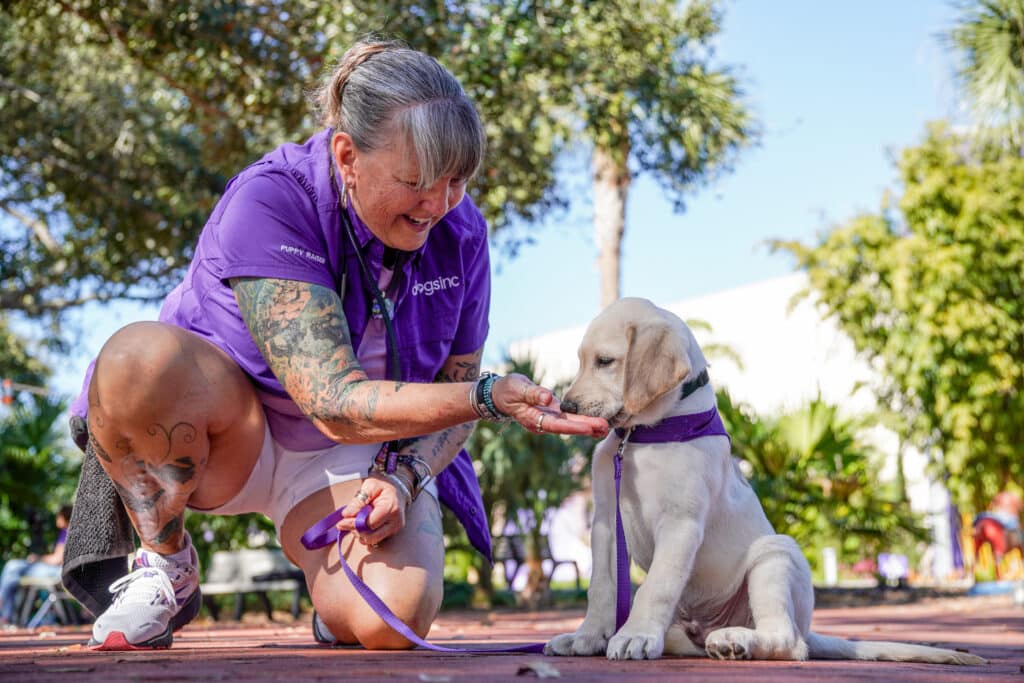
Consistency is the invisible architecture of service dog training. A dog cannot learn that "stay" means staying put in the kitchen, but optional in the living room. Every single family member, child, and visitor interacting with the pup must adhere to the exact same rules, commands, and boundaries.
When life gets chaotic—during work crunches, family illnesses, or holiday travel—training cannot pause. The requirement for unbroken discipline can place significant stress on a household, making uniformity across all human participants the single hardest operational hurdle.
2. Navigating Unpredictable Real-World Environments
Exposing a puppy to public environments sounds simple on paper, but the reality is fraught with interruptions. The modern world is hostile to focused training: a siren screams overhead, a toddler drops a sticky piece of candy, or an off-leash pet charges from around a corner.
Furthermore, the public is often uneducated about working dogs in training. Well-meaning strangers constantly approach, attempt to pet the puppy without permission, or distract the dog with high-pitched baby talk. Balancing the immediate environment, your dog’s impulse control, and polite yet firm public boundary-setting requires endless patience.
3. Managing Non-Linear Behavioral Progress
Progress in animal training is rarely a straight upward trajectory; it is marked by breakthroughs followed by sudden regressions. A puppy that walked perfectly on a loose leash for two weeks may suddenly act like a runaway freight train during a teenage phase.
These setbacks test a raiser’s emotional stability. Success relies on resisting frustration, applying positive reinforcement consistently, and understanding that regression is a natural part of cognitive development.
4. The Staggering Time Commitment
A service dog in training cannot be left on autopilot. Schedules must be meticulously engineered around feeding schedules, potty breaks, training sessions, socialization outings, and veterinary check-ups. While organizations frequently subsidize medical expenses and food, the physical investment of hours remains entirely with the volunteer. Months of your life will revolve around the dog’s development, altering your social life, work routines, and personal freedom.

5. The Emotional Toll of Letting Go
Perhaps the most daunting hurdle is the psychological weight of the final transition. Over many months, a profound, unbreakable bond forms. The dog sleeps beside your bed, learns your habits, and becomes an integral member of your family unit.
Handing the leash over to a professional trainer for advanced schooling—knowing the dog will eventually be placed with a permanent recipient—requires immense emotional maturity. Reframing the loss as an act of profound contribution is essential, but it does not completely erase the grief of parting.
6. Living Inside a 24/7 Training Facility
When you raise a service dog, your home ceases to be a casual sanctuary; it becomes a perpetual classroom. From the moment you wake up to the second you go to sleep, you must remain mindful of the dog’s posture, choices, and environment. Crates are utilized strategically to enforce rest and prevent poor habits, but the mental vigilance required by the raiser leaves very little "off" time.
Supporting Context & Operational Metrics
Understanding the ecosystem of service dog organizations reveals why community support systems are vital for the survival of the volunteer network.
- The Economics of Raising: While service dog training programs cover significant logistical burdens—such as specialized veterinary care, preventative medications (flea, tick, heartworm), and formal instructional oversight—the human capital donated by volunteer raisers represents millions of dollars in uncompensated labor annually.
- Success Rates: Industry data indicates that only a percentage of dogs who begin the puppy-raising phase ultimately graduate as fully certified working dogs. Some are career-changed due to medical nuances, temperament quirks, or environmental sensitivities. This means raisers must also mentally prepare for the possibility that their dog may pivot to a different, non-working path (such as a career-change pet adoption).
- The Support Matrix: To combat burnout, accredited organizations provide an extensive safety net. Area coordinators, master instructors, and community peer groups offer constant feedback, troubleshooting sessions, and vital "puppy-sitting" networks that allow raisers to take brief vacations or handle emergencies without breaking the dog’s routine.
Official Statements and Industry Insights
Animal behaviorists and organizational leaders emphasize that puppy raising is an exercise in altruism rooted in rigorous science.
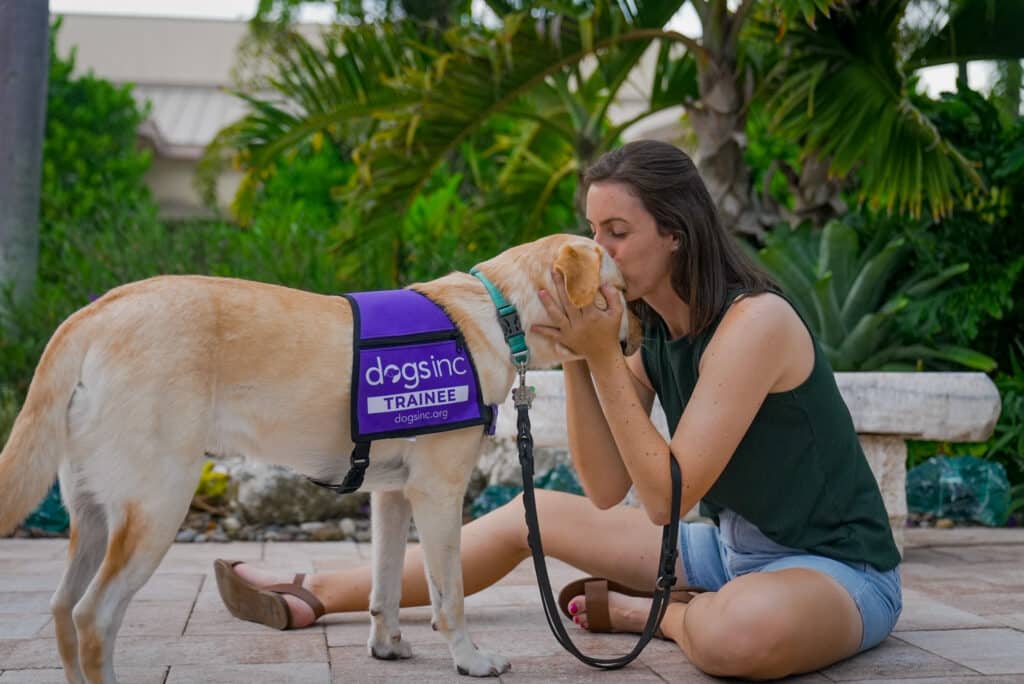
"Raising a future service dog is not about having a well-behaved pet for a year; it is about acting as a temporary steward for someone else’s future independence," notes an administrative representative from Dogs Inc. "You are laying the neurological and behavioral groundwork so that a person with visual impairments, mobility challenges, or other qualifying conditions can eventually step out into the world with absolute confidence."
Experts stress that the ideal volunteer is not someone looking for a cute puppy to cuddle, but rather an individual or family possessing a unique blend of structure, empathy, and resilience.
"The magic happens in the mundane," explains a lead field instructor. "It is the thousandth time you ask the puppy to sit at a crosswalk, or the hundredth time you calmly ignore a passerby who wants to distract your dog. That daily adherence to structure is what changes a life down the road."
Future Outlook: The Ongoing Need for Dedicated Volunteers
As the demand for qualified service dogs continues to outpace supply across North America, the role of the volunteer puppy raiser has never been more critical. Disabilities ranging from mobility impairments to visual challenges require specialized canine partners to bridge the gap between isolation and total independence.
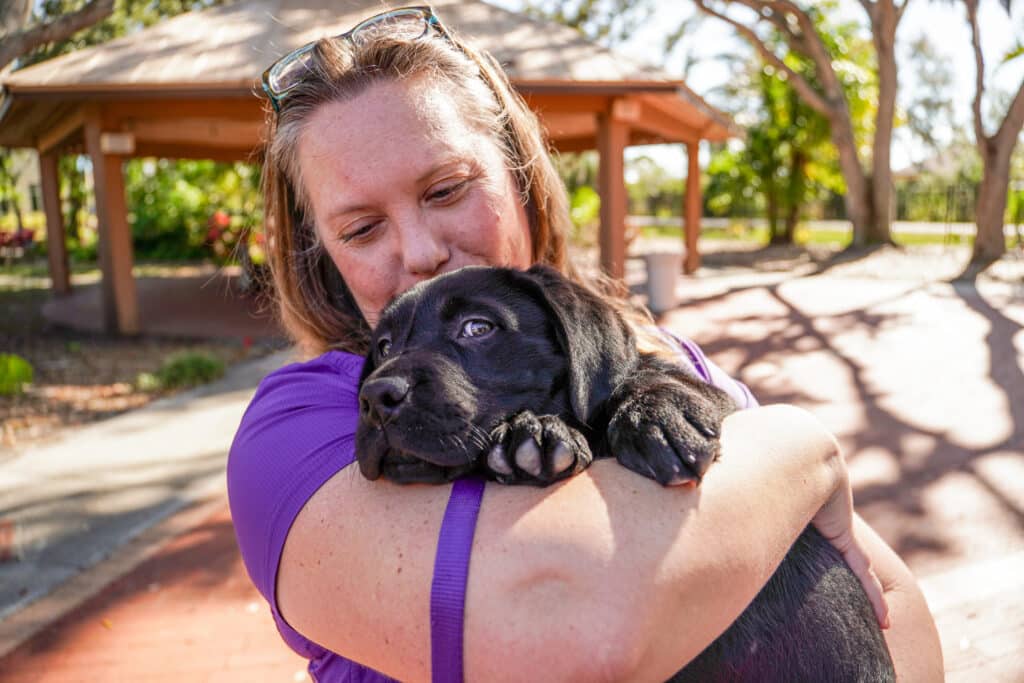
Looking ahead, organizations are adapting by expanding digital training resources, refining community mentorship pipelines, and offering more flexible respite care options for volunteers. However, the core requirement remains immutable: human hearts and hands willing to do the hard, daily work behind the scenes.
For those who possess the patience, time, and emotional bandwidth, stepping up to raise a puppy for service work offers an unmatched journey of personal growth and societal impact. It is a crucible of compassion—challenging, exhausting, and ultimately unforgettable.
If you are interested in exploring whether puppy raising is right for your lifestyle, or if you want to learn more about qualifying conditions, associated costs, and public access laws, contact Dogs Inc today to connect with an area coordinator and take your first step toward changing a life.