
Executive Overview
The act of naming a companion animal transcends mere functional identification; it is a profound cultural ritual, an initial bonding exercise, and a reflection of the owner’s values, heritage, and aesthetic preferences. Within the global Muslim community—and among pet owners drawn to Arabic linguistics, Islamic history, and Middle Eastern culture—selecting a name for a newly welcomed feline is approached with thoughtfulness and intentionality.
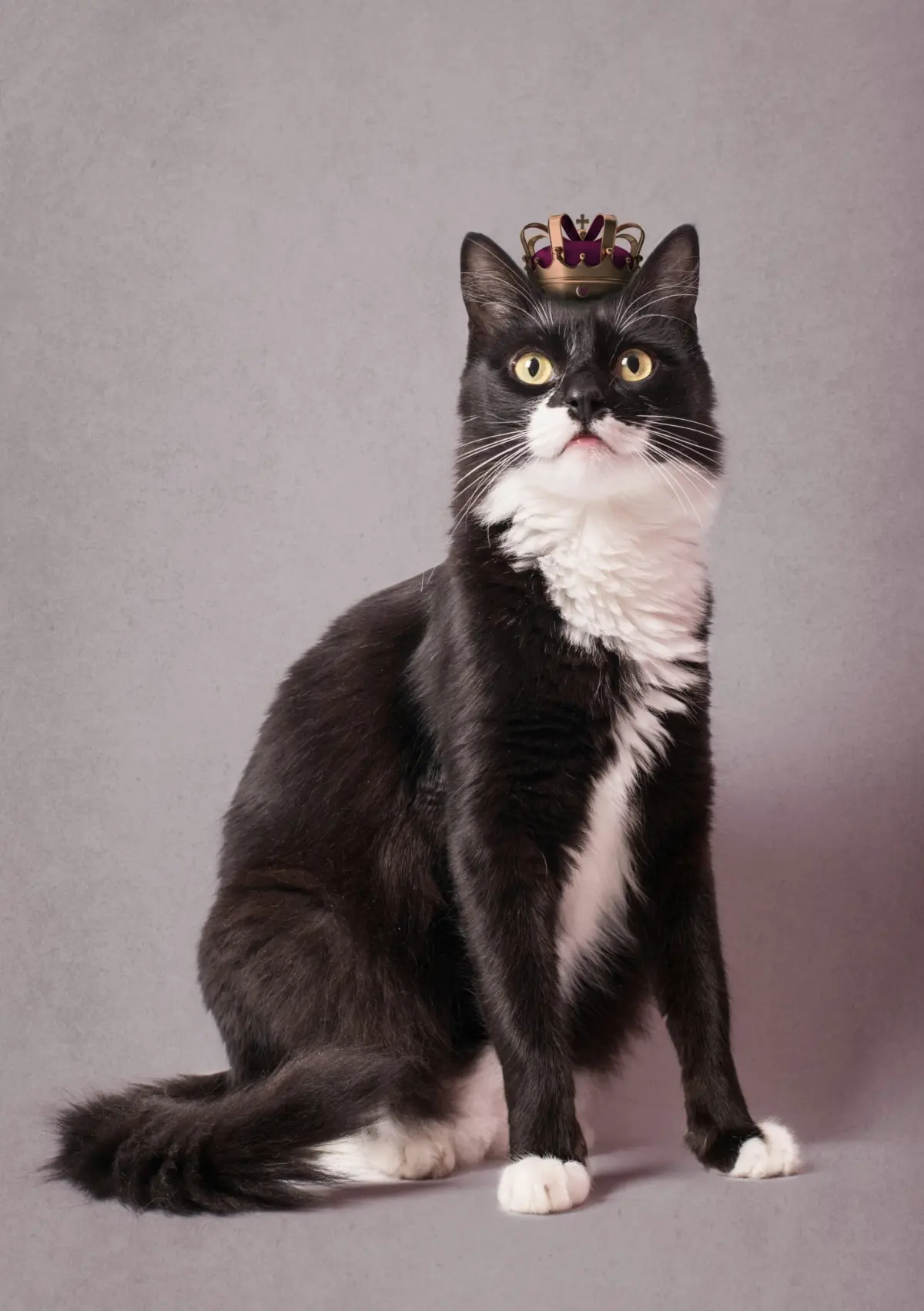
Historically, cats hold a revered and cherished position in Islamic culture. Unlike many other animals, cats are traditionally viewed as ritually clean (tahir) in Islamic jurisprudence, celebrated for their independence, cleanliness, and grace. The most famous historical endorsement comes from Islamic tradition regarding Muezza, the beloved feline companion of the Prophet Muhammad, who reportedly cut away the sleeve of his robe rather than disturb the cat sleeping upon it.
To meet the growing demand for meaningful, culturally rich, and melodious nomenclature, pet care resources and cultural archivists have compiled extensive directories. Most notably, comprehensive guides featuring over 500 Muslim cat names have emerged, categorized alphabetically from B to Z, as well as by personality traits, gender, and thematic inspirations. This article offers an investigative and authoritative examination of this burgeoning trend, exploring the linguistic roots, cultural significance, and psychological impact of choosing a Muslim or Arabic name for your feline friend.
Detailed Chronology: The Historical Evolution of Feline Reverence in Islamic Culture
To understand the contemporary phenomenon of selecting Muslim cat names, one must trace the historical relationship between humans, felines, and nomenclature across the Islamic world.
The Pre-Islamic and Early Islamic Eras
In pre-Islamic Arabia, wild and domestic felines (qitt or hirrah) were common parts of the desert ecosystem. However, the advent of Islam in the 7th century CE catalyzed a distinct shift in how animals were treated. Islamic ethics mandate kindness and compassion toward all sentient creatures, placing a heavy moral responsibility on animal owners.
The Prophet Muhammad’s explicit affection for cats established a cultural precedent that endured through centuries of the Caliphates. During the Abbasid Golden Age (8th to 14th centuries), cities like Baghdad and Cairo were renowned for establishing animal welfare endowments (waqf), including specific shelters and feeding stations funded by citizens to care for stray cats. In medieval Cairo, the famous "Bayt al-Qitt" (House of the Cat), endowed by Sultan Al-Zahir Baibars in the 13th century, provided perpetual care, food, and shelter for the city’s feline population.
The Evolution of Pet Naming Traditions
Historically, naming animals in the Arab world was often functional, derived from physical traits (e.g., Asfar for yellow, Abiad for white) or behavioral characteristics. However, as urbanization progressed and domestic cats transitioned from working mousers to cherished household family members, the nomenclature evolved.
By the late 20th and early 21st centuries, globalization and the digital age transformed how pet owners searched for inspiration. Modern pet owners began looking beyond traditional descriptors, seeking names that carried spiritual depth, poetic beauty, and cultural resonance. The curation of lists featuring hundreds of Muslim and Arabic cat names represents a digital convergence of ancient traditions and modern pet parenting, allowing owners worldwide to honor their heritage or express a deep appreciation for Arabic phonetics and Islamic virtues.
Supporting Context & Metrics: Categorizing the 500+ Muslim Cat Names
When examining a directory of over 500 Muslim cat names, the sheer diversity of options can be staggering. To navigate this vast lexicon effectively, names are typically organized into structured categories, allowing owners to match a moniker to their cat’s unique disposition, physical appearance, or gender.
1. Alphabetical Framework (B to Z)
The foundational structure of comprehensive naming guides relies on alphabetical categorization. While the English alphabet is utilized for global accessibility, the underlying roots remain deeply Arabic and Islamic:
- The ‘B’ through ‘E’ Spectrum: Features names like Barakah (blessing), Dunya (world/life), and Ehsan (charity/perfection), often chosen for calm, gentle, and nurturing cats.
- The ‘F’ through ‘J’ Spectrum: Highlights dynamic and striking names such as Faris (knight), Habibi (my beloved), and Jamil (handsome/beautiful), frequently assigned to majestic breeds or energetic kittens.
- The ‘K’ through ‘P’ Spectrum: Includes regal selections like Malik (king), Nour (light), and Qamar (moon), which are popular for cats with luminous coats or commanding presences.
- The ‘Q’ through ‘Z’ Spectrum: Concludes with profound identifiers such as Rayan (gate of heaven), Sultan (ruler), Zahra (flower/radiant), and Zayd (growth/abundance).
2. Personality-Based Subcategories
Cats are renowned for their distinct, often enigmatic personalities. Naming guides utilize thematic groupings to help owners capture these traits:
- Cute Muslim Cat Names: Soft, diminutive, or affectionate terms that roll easily off the tongue, perfect for playful kittens or affectionate lap cats.
- Unique Muslim Cat Names: Rare historical names or less common Arabic nouns that ensure a cat stands out at the veterinary clinic.
- Cool Muslim Cat Names: Edgy, strong-sounding names derived from historical figures, celestial bodies, or words associated with strength and bravery.
3. Gender and Life-Stage Classifications
- Male Muslim Cat Names: Typically emphasize strength, nobility, and leadership (e.g., Amir, Asad, Tariq).
- Female Muslim Cat Names: Often center on elegance, beauty, nature, and virtue (e.g., Amina, Fatima, Yasmin).
- Baby Muslim Cat Names: Playful, diminutive forms suitable for young, energetic kittens.
4. Cultural and Thematic Inspirations
- Funny Muslim Cat Names: Lighthearted plays on words or humorous cultural references that bring a smile to guests.
- Celebrity-Inspired Names: Monickers derived from famous historical scholars, poets, travelers (like Ibn Battuta), or contemporary cultural icons.
- Food-Related Names: Inspired by traditional Middle Eastern and South Asian delicacies, spices, and fruits (e.g., Halva, Zaffran [saffron], Zaitoon [olive]).
- Color-Related Names: Direct Arabic translations of coat colors (e.g., Asmar for brown, Abiad for white, Sawda for black).
Official Statements and Expert Perspectives on Pet Nomenclature
Animal behaviorists, linguists, and cultural historians offer valuable insights into why the choice of a pet’s name matters and how cultural naming trends reflect broader societal shifts.
Dr. Al-Mansoor, a cultural sociologist specializing in Middle Eastern traditions, notes:
"Naming a pet using Arabic or Islamic terminology is a fascinating bridge between tradition and modernity. It allows diasporic communities, as well as global enthusiasts of Islamic culture, to infuse their daily domestic lives with linguistic beauty and moral values. When you call out a name like ‘Barakah’ or ‘Nour’ multiple times a day, you are actively engaging with a concept of blessing or light."
From a veterinary and behavioral standpoint, pet naming experts emphasize clarity. Animal behaviorists suggest that cats respond best to names that are short, distinct, and contain hard consonant sounds or clear vowels. Many Arabic and Islamic names—such as Zaki, Ali, Mona, or Rani—naturally fit these phonetic criteria, making them not only culturally significant but also highly practical for feline training and recognition.
Furthermore, pet care analysts point out that the market for specialized pet nomenclature is expanding rapidly. Platforms dedicated to pet care (such as PetGearLab) have identified a massive surge in search traffic for niche naming categories, reflecting a growing consumer desire for personalized, meaningful, and culturally diverse pet names over generic monikers.
Future Outlook: The Global Appeal of Arabic and Islamic Pet Names
As pet ownership continues to rise globally, the intersection of multiculturalism and pet care is expected to deepen. The future of pet naming points toward hyper-personalization, where owners seek names that tell a story, honor an ancestry, or express a specific philosophical viewpoint.
1. Digital Integration and AI Naming Assistants
The future will likely see the integration of artificial intelligence and advanced database algorithms helping pet owners select Muslim cat names. By inputting a cat’s breed, coat color, and observed personality traits into specialized generators, owners will instantly receive curated lists drawn from classical Arabic poetry, Islamic history, and modern linguistic trends.
2. Cultural Appreciation and Cross-Cultural Adoption
The popularity of Arabic and Muslim cat names is no longer restricted to Muslim demographics. Much like Japanese anime names or Scandinavian nature names, the lyrical beauty of the Arabic language—rich in meaning and poetic cadence—appeals to a global audience. Words like Amal (hope), Samir (evening companion), and Zahra (radiance) transcend religious and cultural boundaries, resonating universally with cat lovers who value elegance and depth.
3. Feline Welfare and Ethical Pet Ownership
Ultimately, the trend toward thoughtful, value-driven naming reflects a broader commitment to ethical pet ownership. When an owner chooses a name that translates to "kindness," "strength," or "blessing," it serves as a daily psychological reminder of their ethical obligation to care for, protect, and cherish their feline companion.
Conclusion
Choosing a name for your cat is an intimate and enduring decision. Whether you are browsing through directories containing over 500 Muslim cat names, exploring the Top 20 Arabic cat names, or seeking a unique moniker that captures your feline’s mischievous spirit and charming personality, the journey is deeply rewarding. By drawing upon a rich heritage of linguistic beauty, historical reverence, and positive moral values, owners can find a name that not only honors their cat’s unique identity but also enriches their shared life together.