
Executive Overview
For millions of cat owners worldwide, a trip to the restroom is rarely a solitary endeavor. No matter how quietly one attempts to slip away, the familiar sight of a furry set of paws sliding underneath the door, a muffled meow of protest, or the persistent scratching of claws against wood serves as an immediate reminder: you are never truly alone. This behavior—often affectionate, occasionally demanding, and consistently puzzling—seems counterintuitive for an animal species historically celebrated for its fierce independence, territorial autonomy, and measured aloofness.
However, animal behaviorists and feline researchers note that this "bathroom surveillance" is far from random. Rather, it is a complex manifestation of feline psychology, driven by an intricate web of territorial instincts, acute sensory awareness, learned household routines, and social dynamics. When a cat sits sentinel outside a closed bathroom door, they are not merely staging an emotional protest; they are responding to an information gap in their environment, exercising territorial oversight, investigating acoustic anomalies, and anticipating predictable rewards.
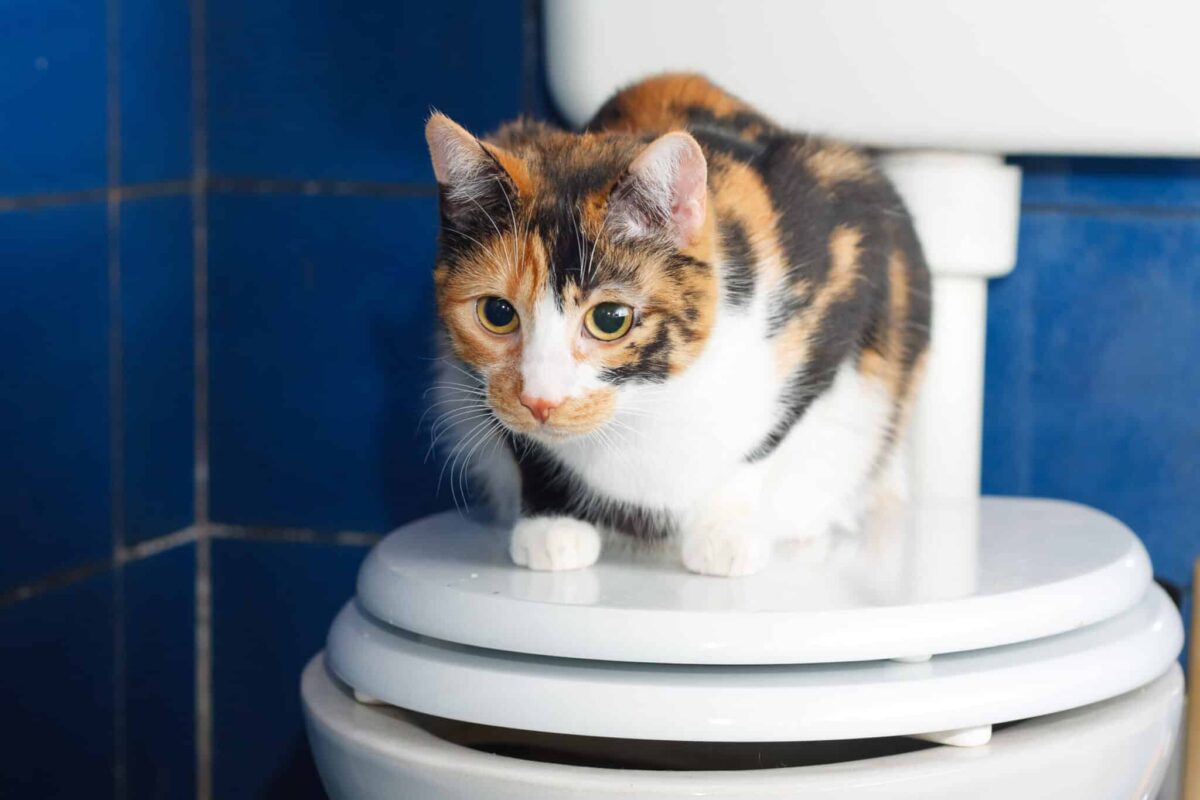
This comprehensive report explores the multifaceted motivations behind this universal feline phenomenon, analyzing the biological, environmental, and behavioral drivers that compel domestic cats to guard our thresholds.
Detailed Chronology: The Evolution of Domestic Feline Surveillance
To understand why modern house cats monitor our bathroom habits, it helps to trace the historical and behavioral timeline of how cats interact with their human companions and domestic environments.
Phase 1: The Preservation of Territorial Mapping
Long before domestication, ancestral feliids (Felis lybica) operated as solitary hunters and territorial managers. Survival depended on maintaining a hyper-awareness of every square inch of their home range. Resources, pathways, and potential hazards had to be constantly cataloged.
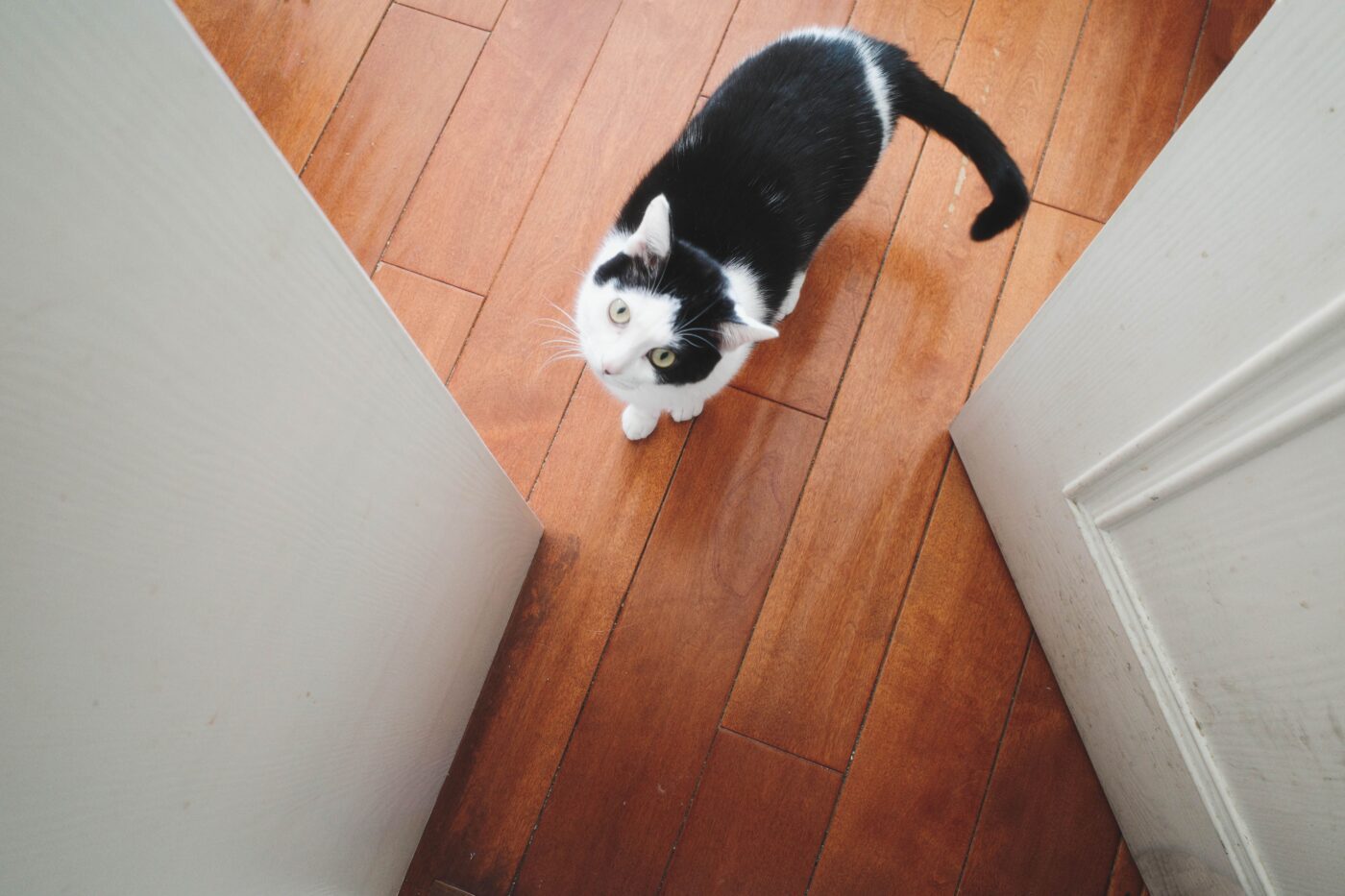
When a modern domestic cat watches a human enter a room and close the door, it triggers an immediate evolutionary response: a familiar pathway within their established territory has been abruptly altered. The cat’s internal chronometer and spatial map register a disruption. The closed door represents an unauthorized boundary within an otherwise predictable domain, prompting the cat to investigate and re-establish cognitive control over the space.
Phase 2: Sensory Interruption and the Information Gap
Cats possess sensory apparatuses far more advanced than our own, particularly regarding hearing and smell. Once the bathroom door clicks shut, a cascade of sensory data hits the cat from the opposite side: the rush of running water, the hum of an exhaust fan, the shifting of drawers, or the rustle of clothing.
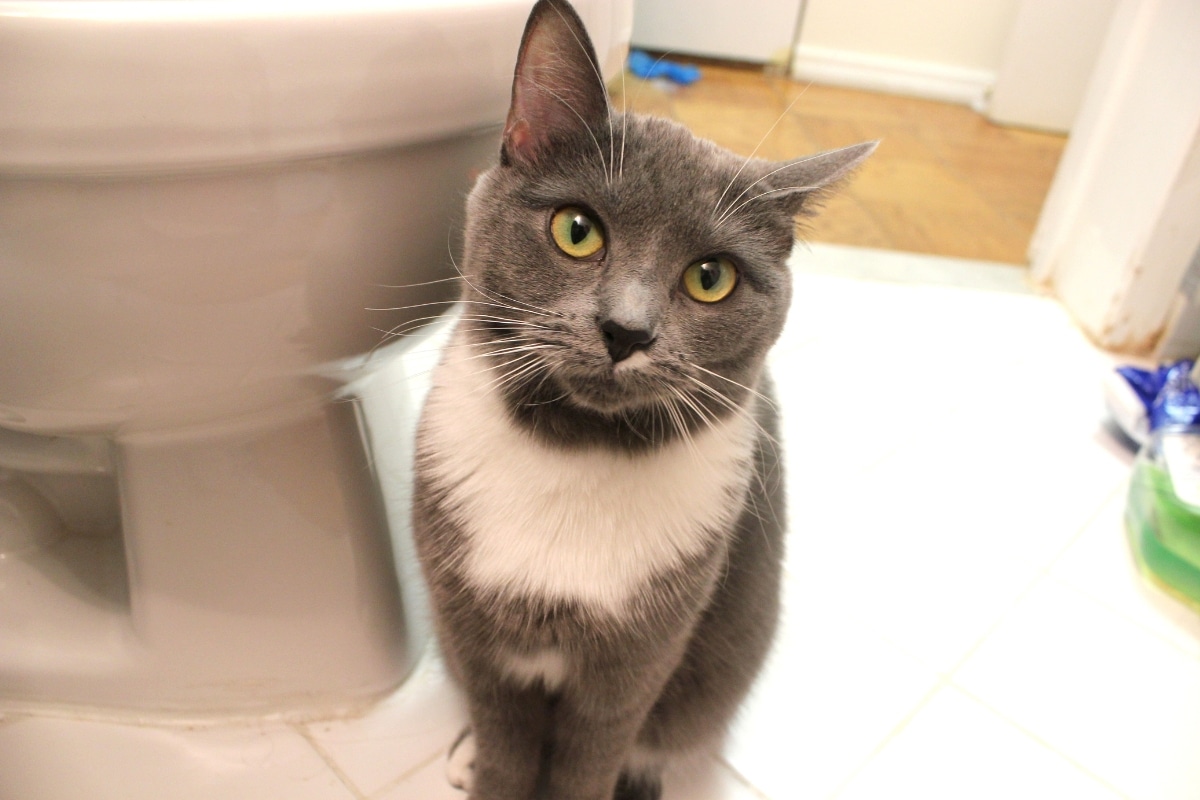
For an animal hardwired to investigate novel stimuli, this sudden wall of sound paired with visual deprivation creates an irresistible mystery. The cat moves to the closest vantage point—the gap beneath the door—to bridge the information gap. They listen, sniff, and wait, transforming the doorstep into an observation post designed to decode what is happening behind the barrier.
Phase 3: Conditioning and Routine Reinforcement
As days turn into weeks and months, the cat’s vigil transitions from spontaneous curiosity to a deeply ingrained routine. Cats are creatures of habit who excel at recognizing temporal patterns in human schedules. They note when we wake up, when we prepare meals, and which rooms we enter before engaging in specific daily rituals.
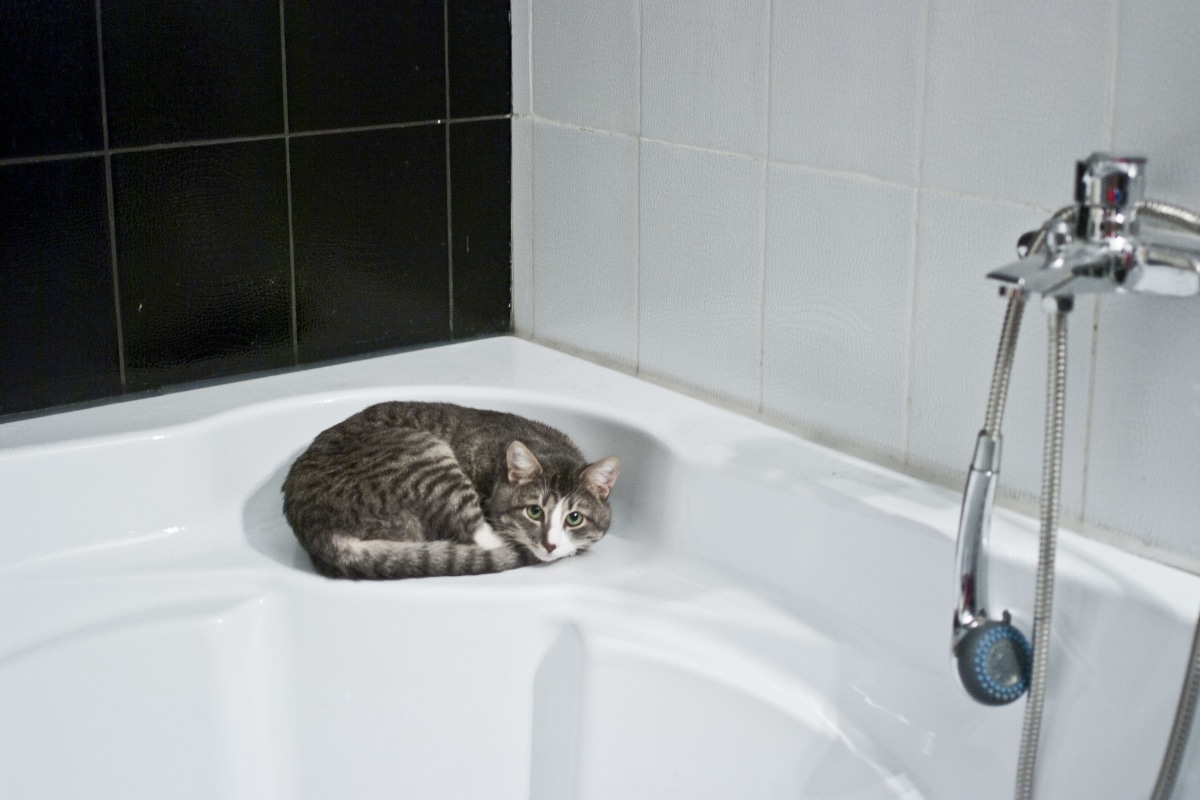
If visiting the bathroom routinely precedes breakfast, morning petting sessions, or departure for work, the cat learns to associate the doorway with an impending transition. Waiting outside the door is no longer just about curiosity; it is a tactical positioning strategy designed to secure attention, food, or play the exact moment the barrier is removed. Over time, classical conditioning cements the habit, turning the bathroom door vigil into a steadfast daily ritual.
Supporting Context & Metrics: Feline Sensory Perception and Social Bonds
To truly appreciate why cats are so captivated by closed bathroom doors, we must examine the biological metrics and psychological frameworks that govern their daily existence.
Sensory Superiority: Hearing and Scent
- Auditory Range: While humans can typically detect sounds up to 20,000 Hz, domestic cats can hear frequencies as high as 65,000 Hz. The mechanical sounds emanating from a bathroom—dripping faucets, plumbing shifts, and electronic toothbrushes—are intensely vivid to a cat’s ears, drawing them toward the source of the noise.
- Olfactory Mapping: A cat’s sense of smell is roughly 14 times more sensitive than a human’s. Bathrooms are dense with unique chemical signatures, soaps, cleansers, and personal care products, making the threshold a focal point of olfactory interest.
Social Attachment vs. Independence
While popular culture often paints cats as indifferent roommates, contemporary feline behavior science paints a far more nuanced picture. Studies on feline social behavior indicate that many house cats form secure attachments with their human caregivers comparable to the bonds seen in dogs and human infants.
When a closed door severs the physical proximity between a cat and their favored human, it can induce mild frustration or a desire to restore connection. However, researchers emphasize that this behavior exists on a wide spectrum:
- The Independent Observer: Prefers freedom of movement, occasionally checking in but rarely demanding entry.
- The Territorial Overseer: Views the entire house—including the bathroom—as a shared domain that must remain accessible for routine patrols.
- The Social Capitalist: Treats the bathroom door as a checkpoint where patience is consistently rewarded with affection, treats, or play.
Official Perspectives and Expert Insights
Leading veterinarians, animal behaviorists, and feline welfare organizations have weighed in on why our bathroom habits remain an endless source of fascination for our pets.
Dr. Sarah Wooten, a prominent veterinary expert, notes that human behavior inside the bathroom often defies feline logic. "To a cat, you are disappearing into a mysterious box for reasons they cannot fathom," Dr. Wooten explains. "They don’t understand plumbing or hygiene rituals. All they know is that their primary resource provider—the person responsible for food, safety, and social interaction—has vanished behind a wooden wall."
According to behaviorists at the International Cat Care organization, the issue frequently boils down to control and access. Cats are profoundly sensitive to environmental changes. A door that is open 99% of the time suddenly becoming locked creates a micro-stressor in the cat’s environment. "Restricting access to a familiar room removes visual and physical security," notes an association spokesperson. "By waiting outside, the cat asserts agency, ensuring they are the first to know when normalcy is restored."
Furthermore, behavioral specialists emphasize that owners must distinguish between benign curiosity and stress-induced anxiety. A cat that sits quietly or gives a polite chirp when the door opens is simply engaging in normal, healthy household surveillance. Conversely, excessive vocalization, frantic paw-scratching, pacing, or signs of distress may indicate separation anxiety, requiring environmental enrichment or behavioral intervention.
Future Outlook: Navigating the Feline Sentinel Experience
As our understanding of domestic animal psychology continues to evolve, our relationships with our pets grow increasingly harmonious. Recognizing that a cat’s bathroom surveillance is rooted in natural instincts—curiosity, territorial stewardship, sensory engagement, and learned routine—allows us to view these endearing quirks with patience rather than annoyance.
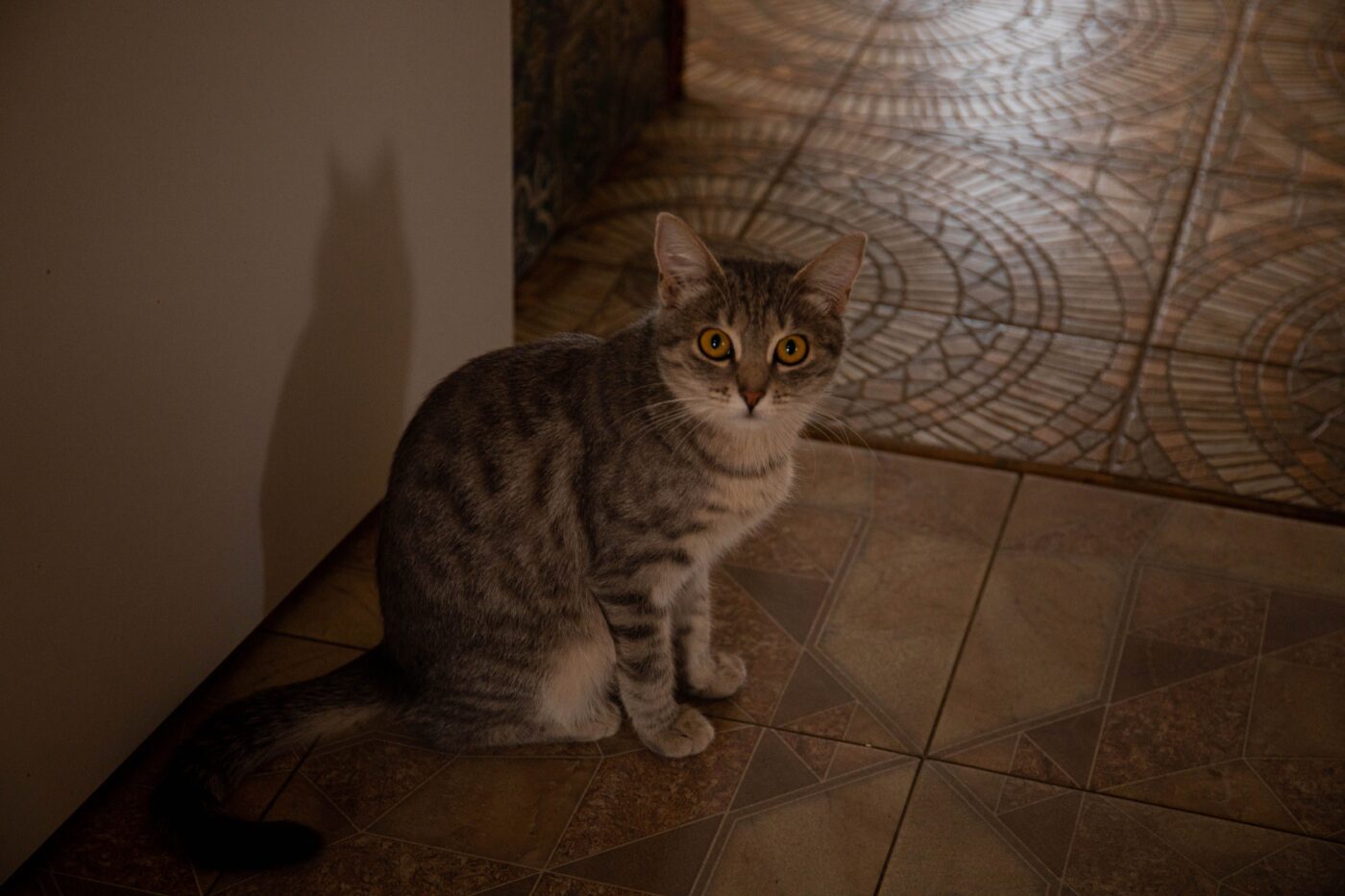
Looking ahead, pet product innovators and feline behaviorists are exploring new ways to address indoor environmental boredom that often exacerbates door-watching behaviors. Interactive puzzle feeders, automated toys placed away from high-traffic zones, and environmental enrichment strategies can help redirect a cat’s natural investigative drive.
However, for most cat owners, the sight of paws beneath the bathroom door is destined to remain an immutable part of daily life. Rather than fighting this instinct, many owners have simply accepted their role as the subject of ongoing feline surveillance. After all, in the intricate ecosystem of the modern household, having a dedicated furry assistant waiting to ensure your safe return from the mysterious waters of the restroom is just part of the charm of sharing your life with a cat.