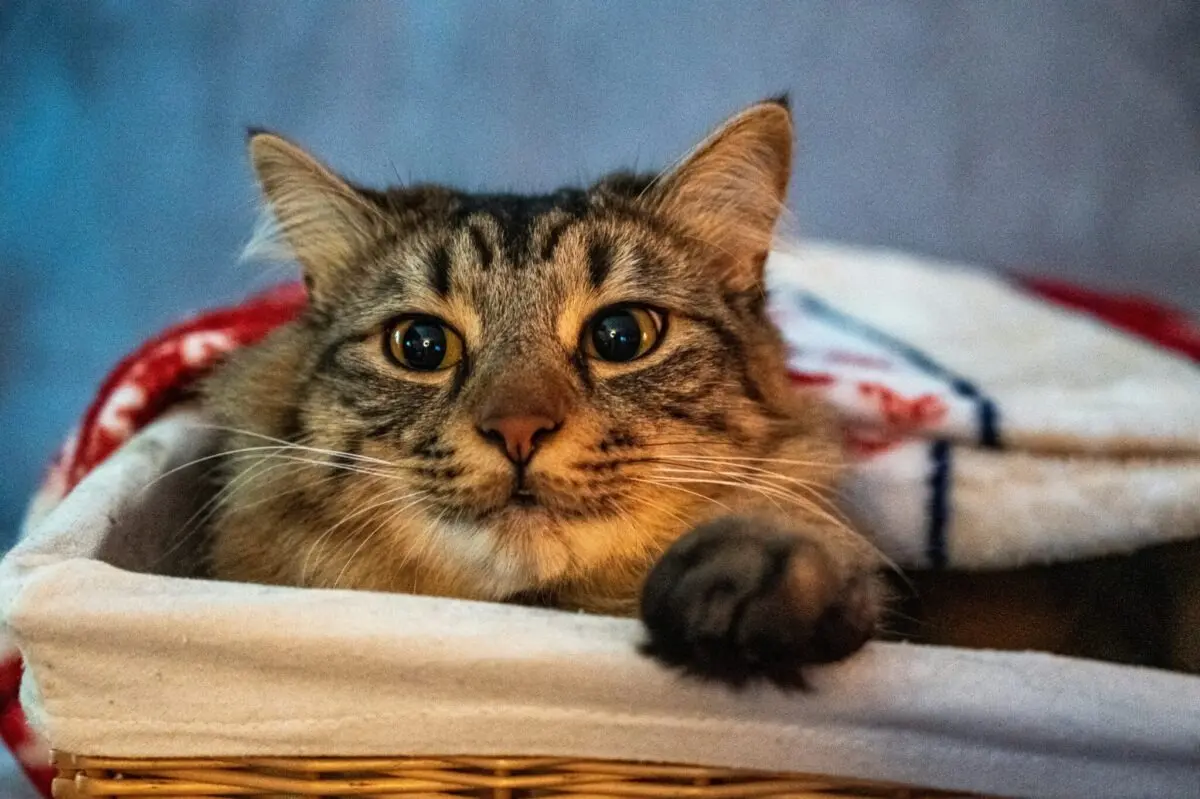
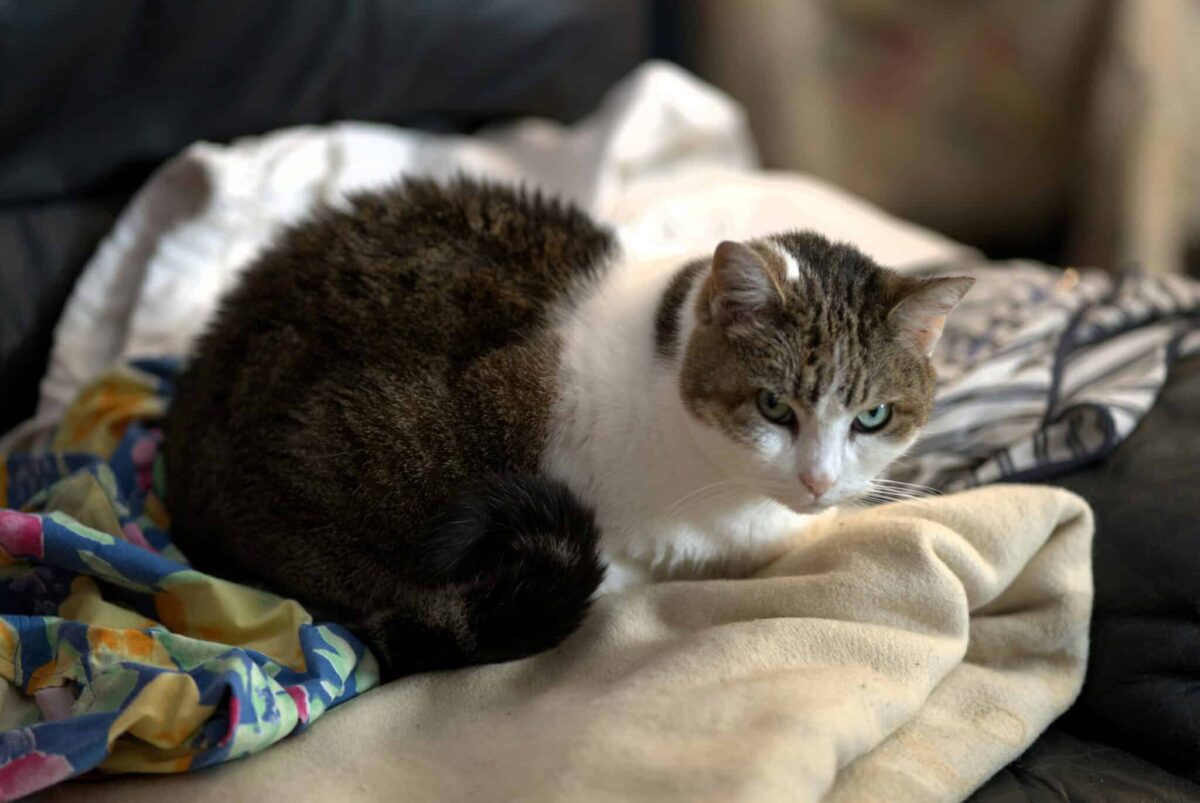
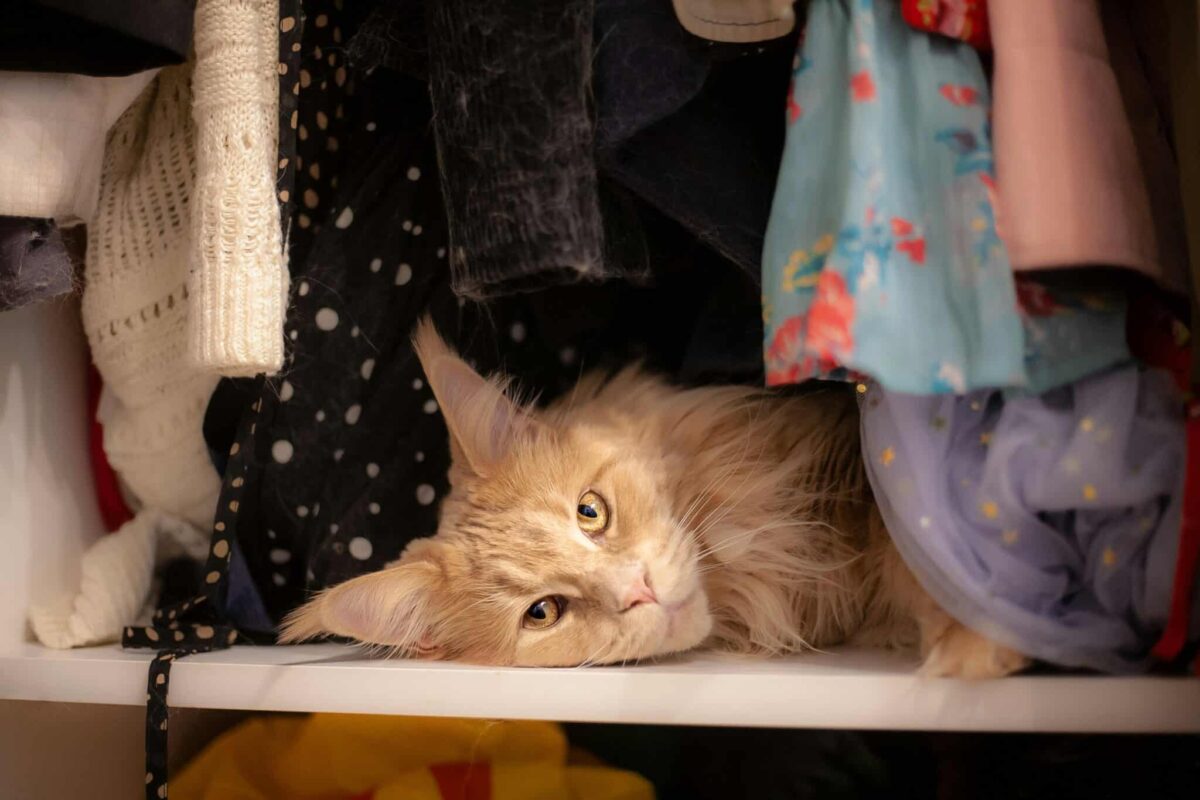
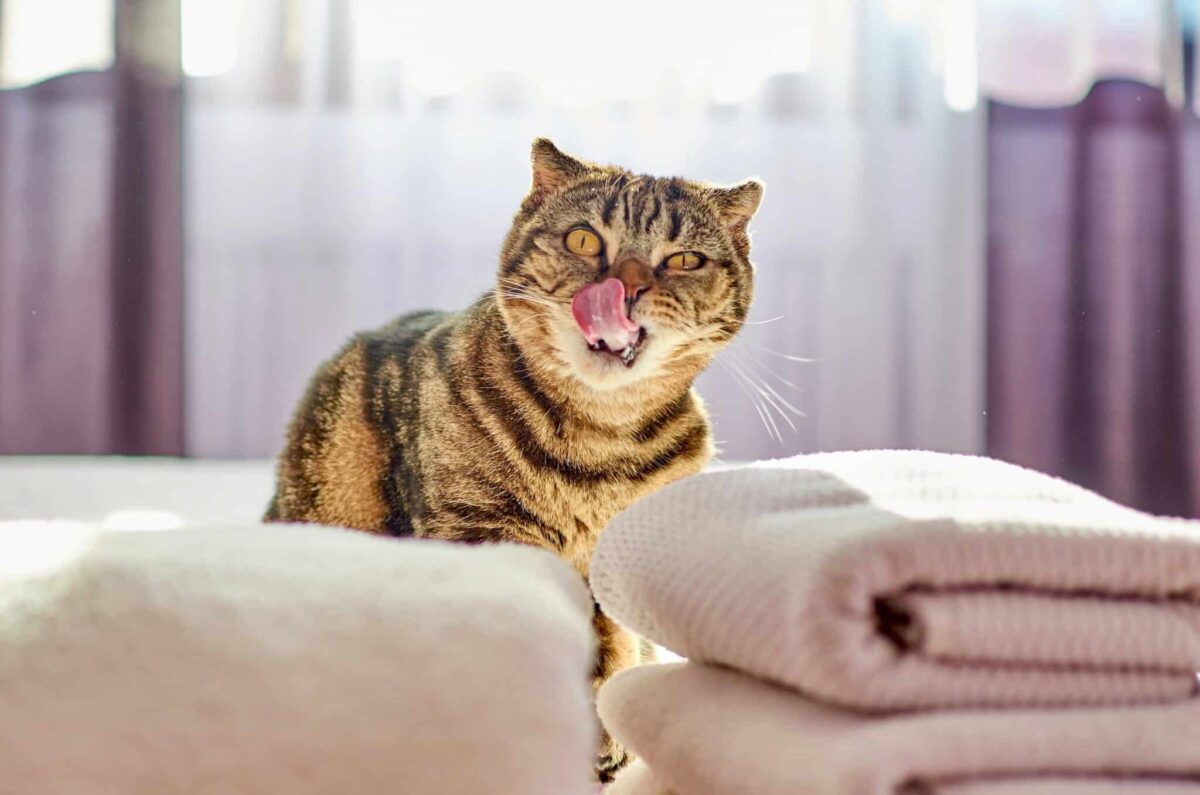
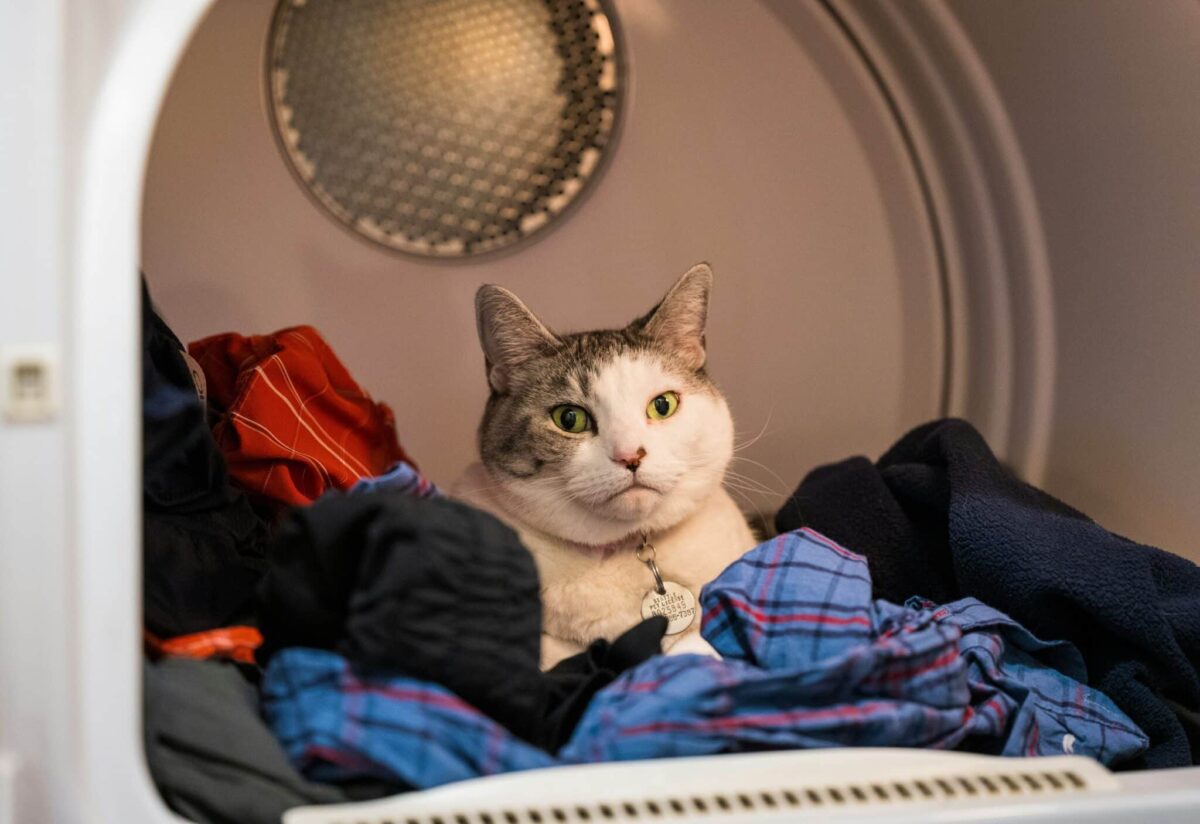
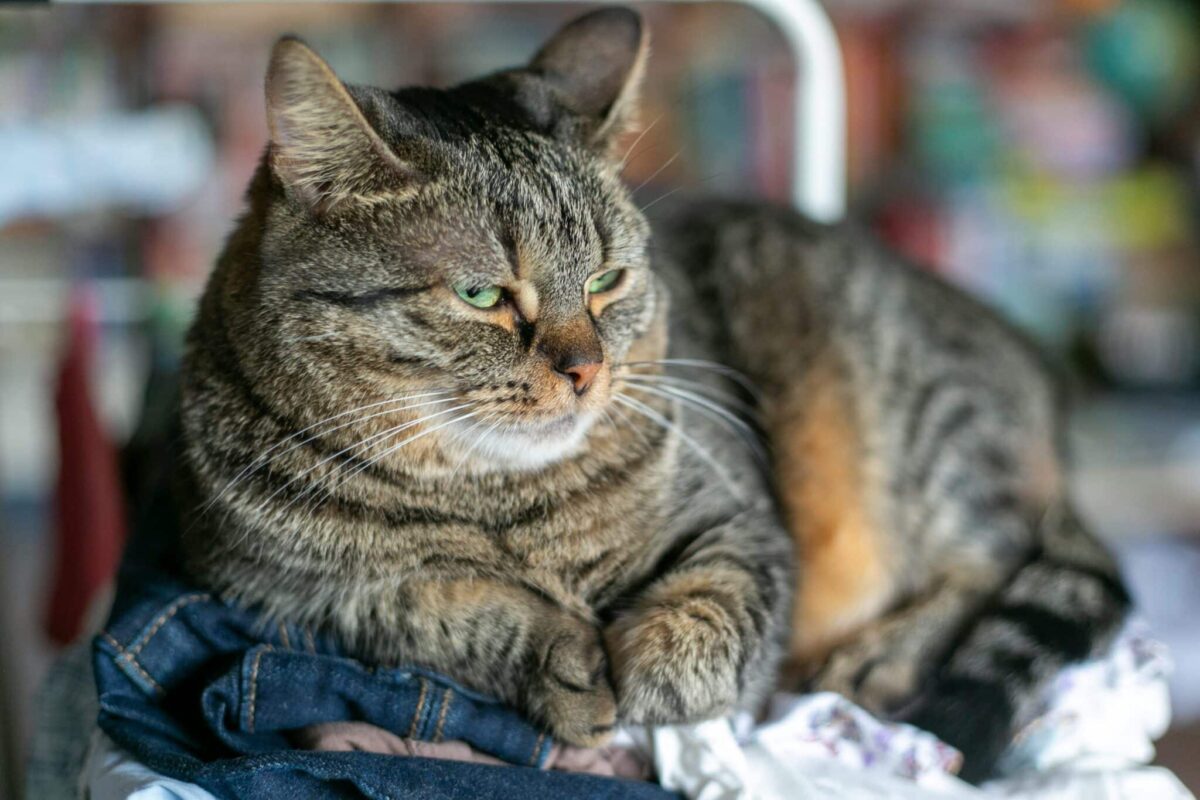
To anyone who has ever spent an hour meticulously folding warm laundry, only to watch a feline companion immediately sprawl across the pristine stack, the behavior feels like a deliberate challenge. One moment, shirts, pajamas, and towels sit in orderly architectural blocks; thirty seconds later, they are flattened beneath a layer of fur.
While popular culture often frames this behavior as an act of calculated feline mischief or territorial dominance, animal behaviorists and feline veterinarians view it through an entirely different lens. The intersection of domestic cats and household laundry represents a complex convergence of sensory biology, evolutionary psychology, behavioral conditioning, and thermal comfort-seeking.
For the modern house cat (Felis catus), a pile of laundry is not merely a collection of garments awaiting storage. It is an epicenter of olfactory reassurance, thermal refuge, tactile stimulation, and environmental security. Furthermore, laundry routines introduce dynamic movement and human attention into the domestic landscape, turning a mundane household chore into an interactive playground. This comprehensive report examines the multi-faceted science behind why cats are inextricably drawn to our clothing, exploring the evolutionary drivers, sensory motivations, and psychological rewards that govern this universally recognized feline ritual.
Detailed Chronology: The Lifecycle of a Feline Laundry Takeover
To understand how a domestic chore transforms into a feline resting ground, one must trace the lifecycle of a load of laundry from the washer to the final resting place. Cats do not simply materialize on clothes by chance; their involvement is often a step-by-step engagement with changing environmental variables.
Stage 1: The Agitation and Thermal Phase
The process typically begins in the utility room. The mechanical hum of the washing machine and dryer signals a disruption in the home’s baseline environment. More importantly, the dryer produces a localized greenhouse effect. When the cycle completes, the tumbling mass of fabric retains a significant amount of heat combined with residual humidity and tumbling kinetic energy. To a creature whose thermoneutral zone is higher than that of humans—meaning cats prefer ambient temperatures between 85°F and 100°F (29°C to 38°C) to feel fully comfortable without expending metabolic energy—a freshly heated pile of clothing is an irresistible thermodynamic anomaly.
Stage 2: The Transport and Relocation
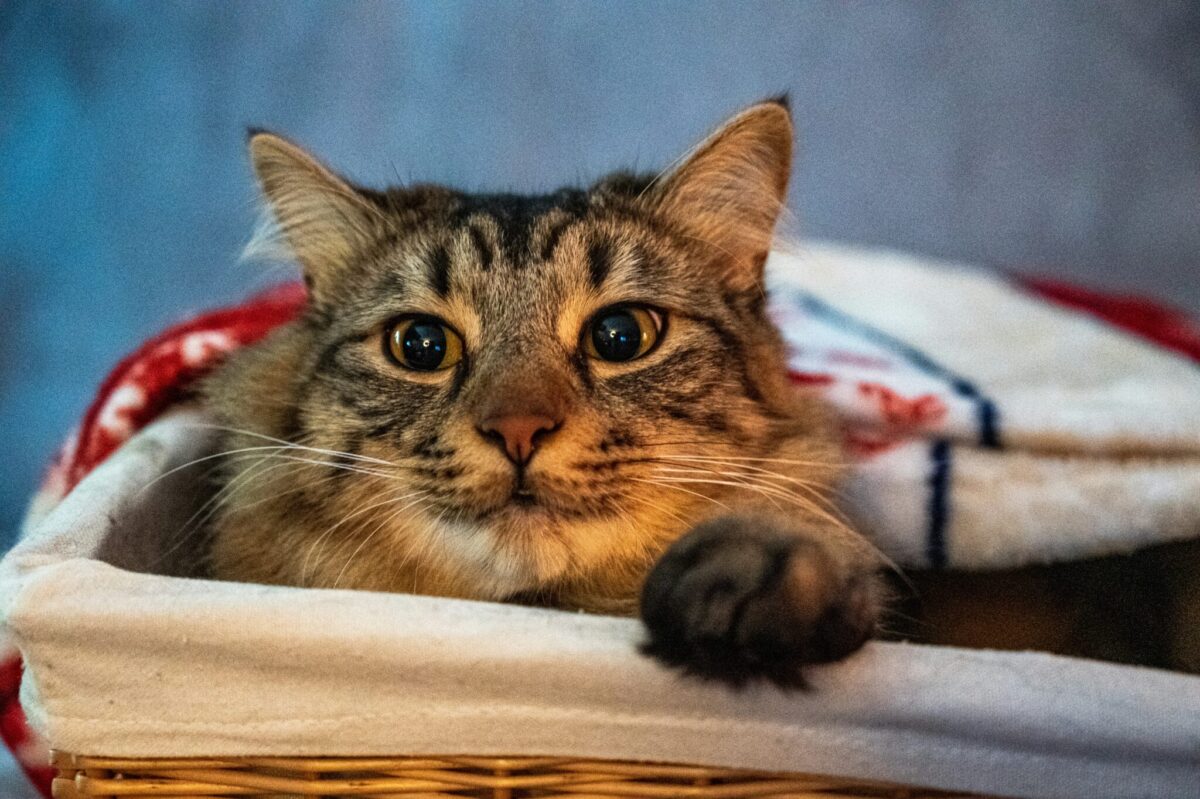
As clothes are transferred from the dryer to baskets, or carried to beds and couches for folding, the cat tracks the movement. The rustling of fabric, the structural shifting of the basket, and the visual sweep of moving textiles trigger acute predatory curiosity. Cats are hardwired to notice micro-movements in their field of vision; a sliding sock or a dangling sleeve mimics the erratic movements of small prey.
Stage 3: The Assembly and Nesting
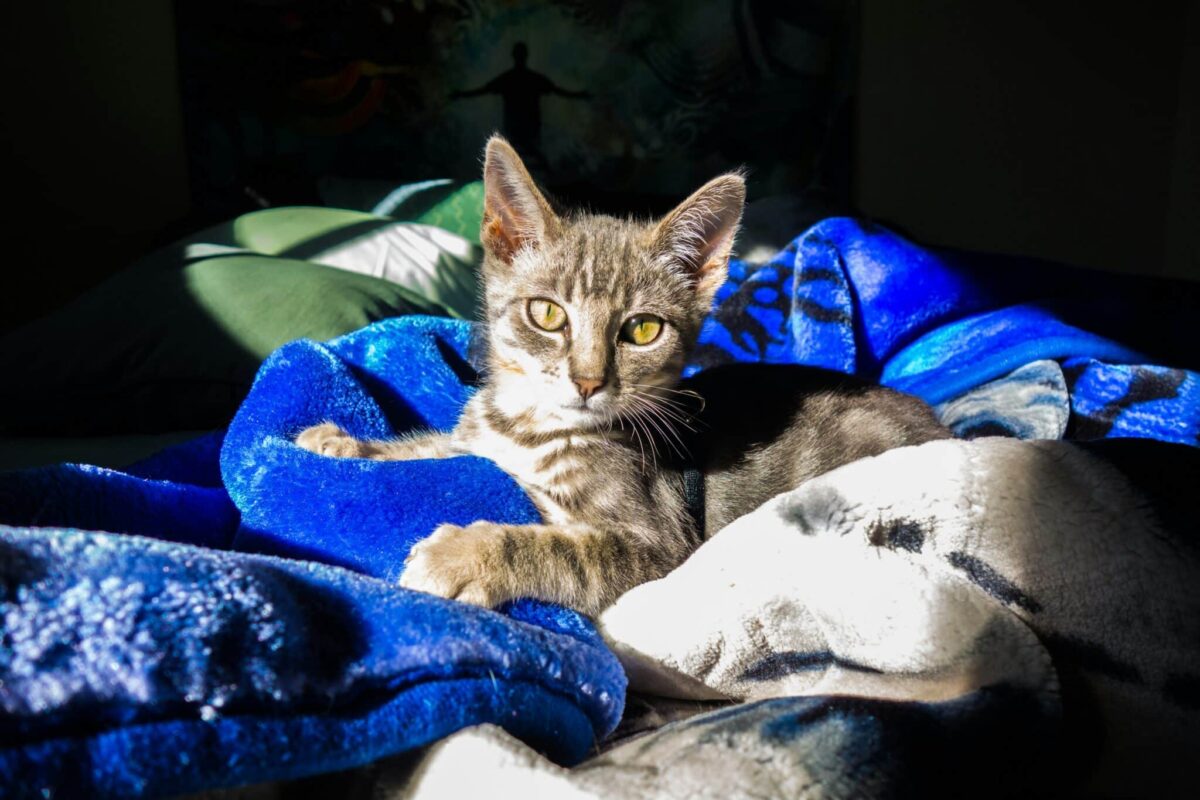
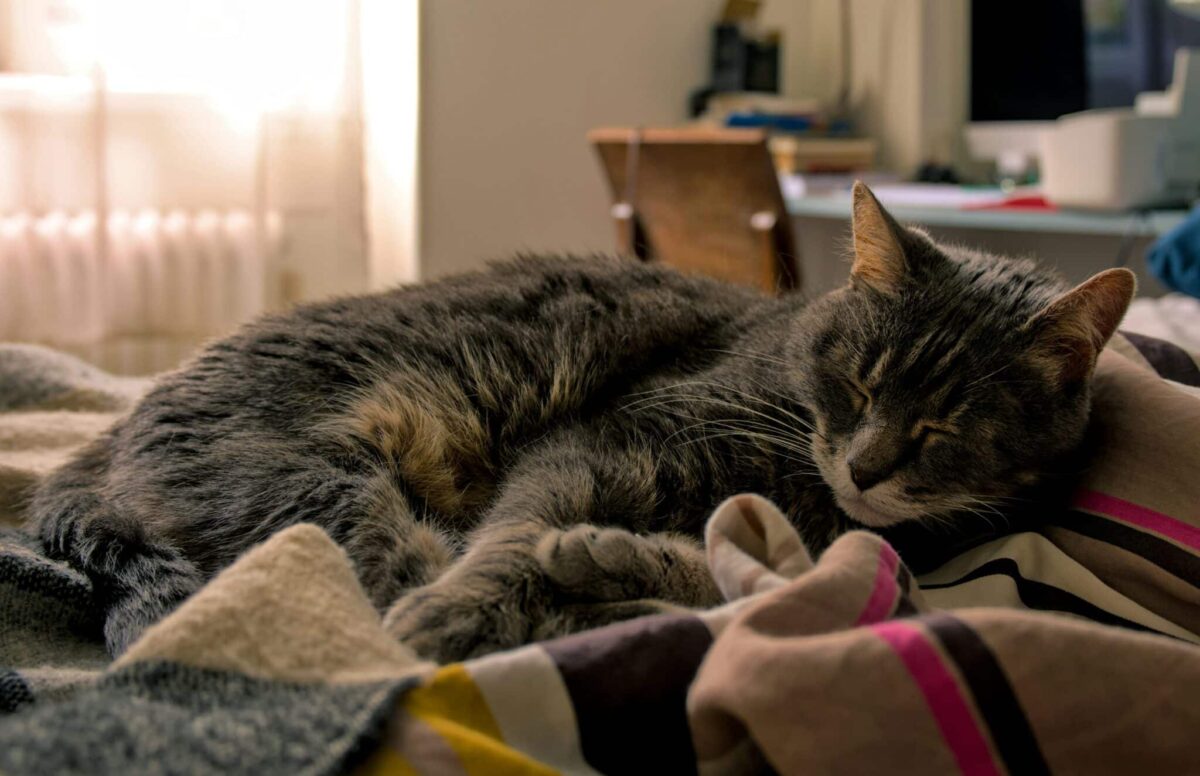
Once the clothes are laid out—whether in an open basket or as a flat stack on a mattress—the physical properties of the fabric take over. Unlike a rigid hardwood floor or even a structured pet bed, a pile of loose clothing acts as a malleable, adaptive contouring system. The fabric shifts around the cat’s body weight, creating micro-dips, supportive walls, and semi-enclosed trenches. This fulfills an ancestral nesting instinct, allowing the cat to establish a defensible, body-contoured sleeping nook.
Stage 4: Scent Imprinting and Maintenance
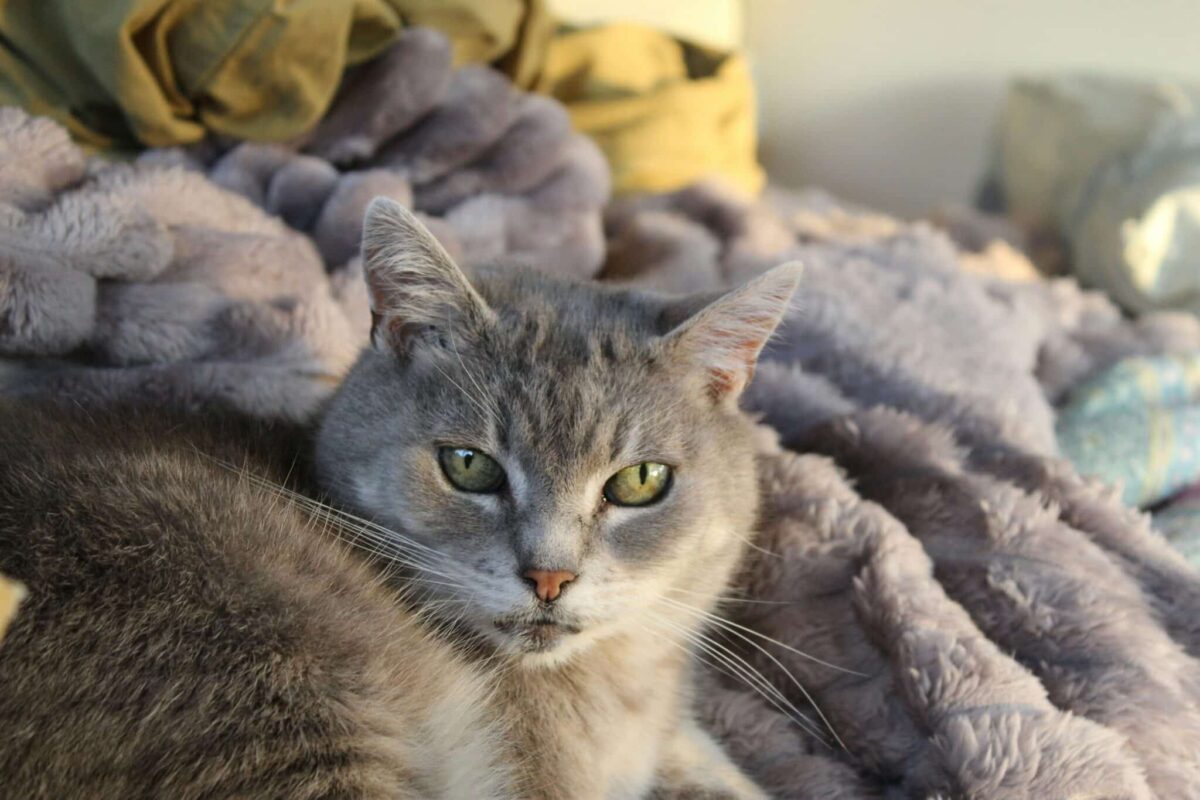
As the cat settles, it engages in subtle scent-marking behaviors. By rubbing its cheeks, chin, and flanks against the fibers, it deposits pheromones from its cutaneous sebaceous glands. This effectively marries the human owner’s residual scent with the cat’s own chemical signature, turning an alien object into an integrated component of the cat’s safe territory.
Supporting Context & Metrics: The Sensory World of the Cat
To fully appreciate why laundry exerts such a powerful gravitational pull on felines, one must examine the sensory apparatus through which cats experience their world.
1. Olfactory Superhighways: The Power of Scents
While humans rely primarily on vision, cats inhabit an olfactory universe. A human’s world is visual; a cat’s world is scented. Frequently worn clothing acts as a concentrated archive of personal odors. Shirts, pajamas, and socks retain sebum, sweat cells, and environmental scents accumulated throughout the day.
The Comfort of Familiarity: To a sensitive feline nose, a person’s wardrobe represents an emotional security blanket. These odors are permanent fixtures of their safe environment. Research into feline pheromone therapy demonstrates that familiar human scents can significantly reduce stress and anxiety in shelter and domestic settings. Consequently, resting on a worn shirt is akin to resting in the direct presence of the human themselves.
2. Thermoregulation and Metabolic Efficiency
Cats are desert-dwelling mammals by evolutionary origin (Felis lybica, the African wildcat). Their physiological baseline is optimized for warmth.
Thermal Preference Metrics: While human comfortable room temperature hovers around 68°F to 72°F (20°C to 22°C), cats actively seek out microclimates that exceed 80°F. Freshly laundered clothing provides an immediate, safe thermal oasis. By absorbing heat directly from the fabric, the cat minimizes the caloric expenditure required to maintain its core body temperature during rest phases.
3. Tactile and Ergonomic Preferences
The choice of sleeping surface is a critical survival metric in the wild, dictating how deeply an animal can sleep while remaining protected from predators.
Fabric Density and Conformation: Sweaters, fleece blankets, and heavy cotton towels offer a unique combination of loft, breathability, and flexibility. When a cat curls into a "loaf" or crescent shape, these fabrics conform precisely to anatomical contours, reducing pressure points on joints and spine. This explains why a cat will frequently bypass an expensive, rigid orthopedic pet bed in favor of a crumpled pile of old sweatpants.
Behavioral Dynamics: Territoriality, Routine, and Social Learning
Beyond physical comfort, psychological drivers play an immense role in why cats gravitate toward laundry. The domestic cat is an animal of habit, territory, and social observation.
Territory Blending and Scent Co-mingling
Cats utilize scent marking not just to claim territory, but to create a harmonious olfactory ecosystem known as a "communal scent profile." By rubbing their facial glands—which secrete specialized chemical messages—onto clothing, they are essentially co-signing the human’s property. This behavior communicates a state of well-being and social bonding. When a cat sleeps on your laundry, it is actively participating in a ritual of chemical co-habitation.
Operant Conditioning and Human Reaction
Few domestic interactions are as reliably interactive as a human discovering a cat atop a clean load of laundry. For a socially integrated pet, the human’s response—whether it is laughter, gentle scolding, picking the cat up, or initiating a play session—constitutes a powerful reinforcement loop.
Positive vs. Negative Reinforcement: Even if the human intends to discourage the behavior by removing the cat or speaking in an animated voice, the cat perceives this as high-value attention. The equation becomes simple: Jump on clothes = Immediate human engagement. Over time, this operant conditioning transforms a casual resting spot into a guaranteed method for summoning human interaction.
Official Perspectives: Veterinary and Behavioral Insights
Animal behaviorists and feline practitioners emphasize that laundry-seeking behavior is entirely normal, benign, and indicative of a secure, well-adjusted cat.
Dr. Elizabeth Watson, a prominent feline internal medicine specialist, notes:
"When owners ask why their cat ruins folded clothes, I always reframe the question. The cat isn’t trying to ruin your work; they are seeking out the safest, warmest, most emotionally reassuring spot in the room. In their minds, they have chosen the epicenter of the household."
Behaviorists also emphasize safety precautions. While the behavior itself is harmless, modern laundry rooms present hidden hazards. Detergent pods, liquid chemicals, loose drawstrings, plastic bags, and synthetic dryer sheets can pose severe ingestion or entanglement risks. Experts recommend keeping active laundry containers secured and ensuring that chemical products are safely stored behind closed cabinet doors, allowing cats to enjoy the finished, clean textiles without encountering industrial hazards.
Future Outlook: Accommodating Feline Preferences Without Sacrificing Order
As urban living spaces evolve and pet owners increasingly seek ways to harmonize aesthetic interior design with animal enrichment, understanding natural feline habits becomes essential. Fighting against a cat’s instinctual attraction to warm, soft, scented fabrics is generally an exercise in frustration.
Instead, modern behavioral advice leans toward redirection and environmental accommodation:
Dedicated Feline Decoys: Placing a designated, heated pet bed or a clean, soft fleece blanket near the laundry folding station can divert the cat’s attention away from the primary clothing stack.
Acceptance of Routine: Recognizing that laundry day represents a multi-sensory stimulation event for the cat allows owners to anticipate the behavior rather than react with frustration.
Safe Engagement: Providing interactive play sessions using wand toys immediately after laundry is folded can satisfy the cat’s predatory drive for moving fabric, leaving the folded stacks intact.
Ultimately, the cat sprawled across your favorite sweater is displaying the ultimate compliment: an expression of trust, a search for comfort, and a desire to be enveloped in your presence. While it may add a few extra minutes to the chore of folding clothes, it remains one of the most endearing reminders of the bond shared between humans and their feline companions.