
Executive Overview
Few canine debates evoke as much passion, confusion, and controversy as the ongoing comparison between the American Bulldog and the American Pit Bull Terrier (commonly known as the Pitbull). To the untrained eye, these two muscular, short-haired breeds can appear nearly identical, leading to frequent misidentifications by the public, landlords, and even municipal lawmakers. However, beneath their robust, athletic exteriors lie two distinct breeds with entirely separate evolutionary lineages, physical builds, temperaments, and care requirements.
Misunderstandings regarding these dogs are not merely semantic; they carry real-world consequences. Breed-specific legislation (BSL), insurance liabilities, and persistent cultural myths—such as the infamous "locking jaw" theory—continue to impact owners of both American Bulldogs and Pitbulls. This comprehensive investigative report seeks to cut through the noise, misinformation, and historical baggage. By examining breed origins, physiological metrics, behavioral psychologies, and expert insights, we will provide an authoritative guide to understanding how these two iconic canine companions differ, where they align, and what it truly takes to care for them responsibly.
Detailed Chronology: The Evolutionary Roots of Two Distinct Breeds
To fully understand the American Bulldog and the Pitbull of the 21st century, one must look backward to the blood sports of medieval and early modern England. Both breeds share a foundational ancestor: the Old English Bulldog, a dog engineered specifically for the brutal blood sports of bull-baiting and bear-baiting.
[Old English Bulldog] (Ancestral Foundation)
       │
       ├─► [American Bulldog] ──► Preserved by Dr. John D. Johnson (Post-WWII Recovery)
       │
       └─► [Crossbred with Terriers] ──► [American Pit Bull Terrier] (Agility & Blood Sports)
The Old English Bulldog Foundation
Centuries ago, the Old English Bulldog was prized for its low center of gravity, massive head strength, and tenacity. When these blood sports were officially outlawed in England through the Cruelty to Animals Act of 1835, the utility of the traditional Bulldog plummeted. Many feared the extinction of the type entirely. However, immigrant families traveling to the United States brought their working bulldogs with them, laying the groundwork for what would evolve into the modern American Bulldog.
The American Bulldog: The Working Farmer’s Guard
In the rural American South, these imported working dogs found a new purpose. They were utilized as all-around farm guardians, cattle catch-dogs, and wild boar hunters. Unlike their British ancestors, American Bulldogs needed to be taller, faster, and more versatile to cover vast tracts of land and handle larger, more dangerous game.
By the mid-20th century, the breed again faced near-extinction. Enter Dr. John D. Johnson and Alan Scott. Through meticulous breeding programs in the post-World War II era, these two men salvaged the remaining working bulldogs of the South. Dr. Johnson’s efforts yielded the "Bully" or classic type (larger, heavier boned), while Scott favored a lighter, more athletic performance type. Together, they rebuilt the gene pool, cementing the American Bulldog as a powerhouse of loyalty and strength.
The Pitbull: The Terriers Meet the Bulldogs
The genesis of the American Pit Bull Terrier follows a different evolutionary path. In the British Isles, breeders sought to create a dog that combined the unyielding courage and muscular fortitude of the Bulldog with the speed, high prey drive, and agility of the terrier. The result of this crossbreeding was a smaller, more nimble canine designed originally for pit-fighting (hence the name "pit bull").
When these dogs arrived in America, they were embraced by farmers and ranchers as versatile catch-dogs and loyal family companions. Despite their historical involvement in illicit fighting rings—a legacy that continues to cast a long, unfair shadow over the breed—the American Pit Bull Terrier quickly earned a reputation among enthusiasts for its supreme intelligence, intense work ethic, and profound affection for human handlers.

Supporting Context & Metrics: Physical and Physiological Comparison
While a casual observer might lump both breeds into the generic "bully breed" category, their biometric profiles reveal significant anatomical differences.
| Metric / Attribute | American Bulldog | American Pit Bull Terrier (Pitbull) |
|---|---|---|
| Height Range | 20–27 inches (51–69 cm) | 17–21 inches (43–53 cm) |
| Weight Range | 75–125 lbs (34–57 kg) | 35–65 lbs (14–29 kg) |
| Primary Build | Heavy-boned, stocky, and muscular | Lean, streamlined, and highly athletic |
| Head & Skull | Massive, blocky head with powerful jaws | Broad, wedge-shaped skull; defined cheek muscles |
| Coat & Colors | Short, soft; white, brindle, or patched | Glossy, short; brindle, fawn, blue, black, red |
| Average Lifespan | 10–12 years | 12–15 years |
| Energy Profile | Moderate to high; driven by endurance | Extremely high; driven by speed and intensity |
Skeletal and Structural Contrasts
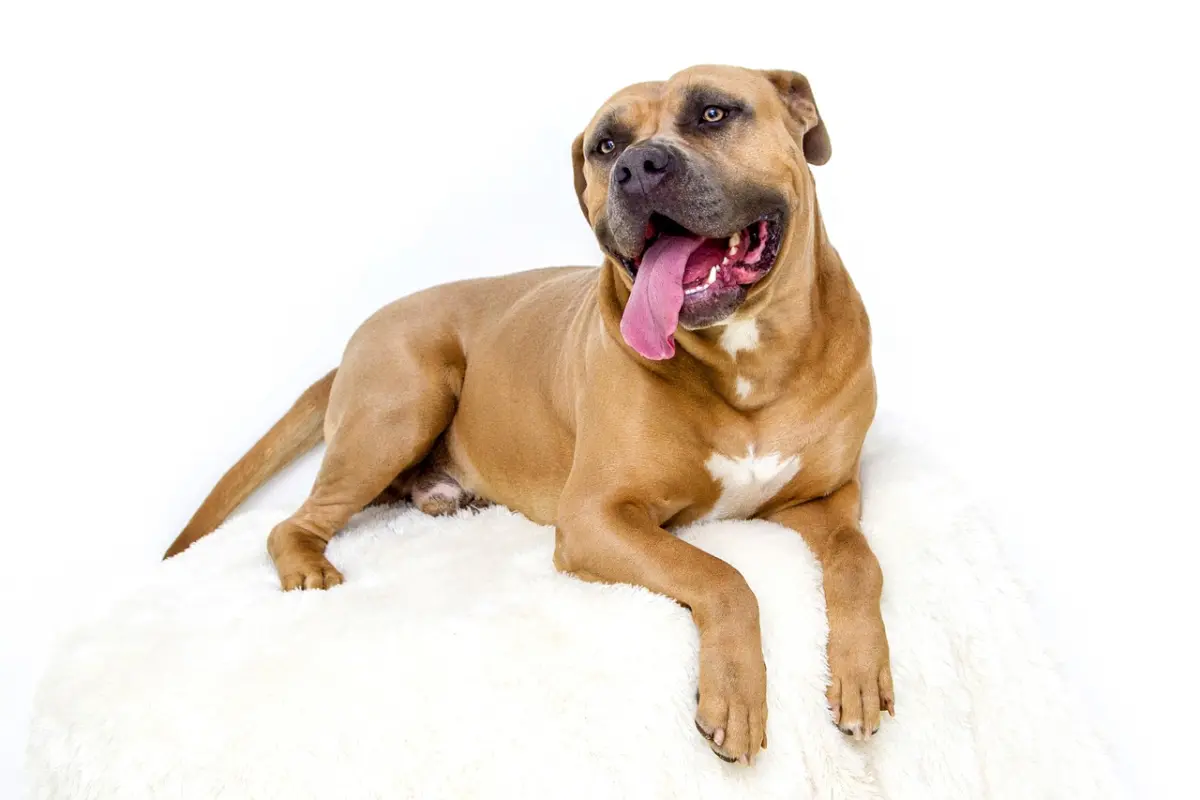
The American Bulldog is demonstrably larger and heavier. Standing up to 27 inches tall and tipping the scales at up to 125 pounds, it is built to absorb impact and exert raw, crushing force. Its broad chest and thick neck are testaments to its history as a farm guardian and property protector.
Conversely, the Pitbull is a middleweight champion of agility. Weighing roughly half as much as a large American Bulldog (typically 35 to 65 pounds), the Pitbull features a leaner, more streamlined frame. This anatomical difference gives the Pitbull superior turning radius, acceleration, and jumping capability, traits favored in its terrier heritage.
Official Statements and Veterinary Insights on Behavior and Anatomy
Behavioral veterinarians, animal behaviorists, and canine physiologists frequently weigh in on the myths and realities surrounding both breeds. Two major topics dominate professional discourse: behavioral disposition and jaw mechanics.
Debunking the "Locking Jaw" Myth
One of the most persistent urban legends in canine lore is that Pitbulls (and by extension, bulldogs) possess a physical mechanism that "locks" their jaws shut when they bite.
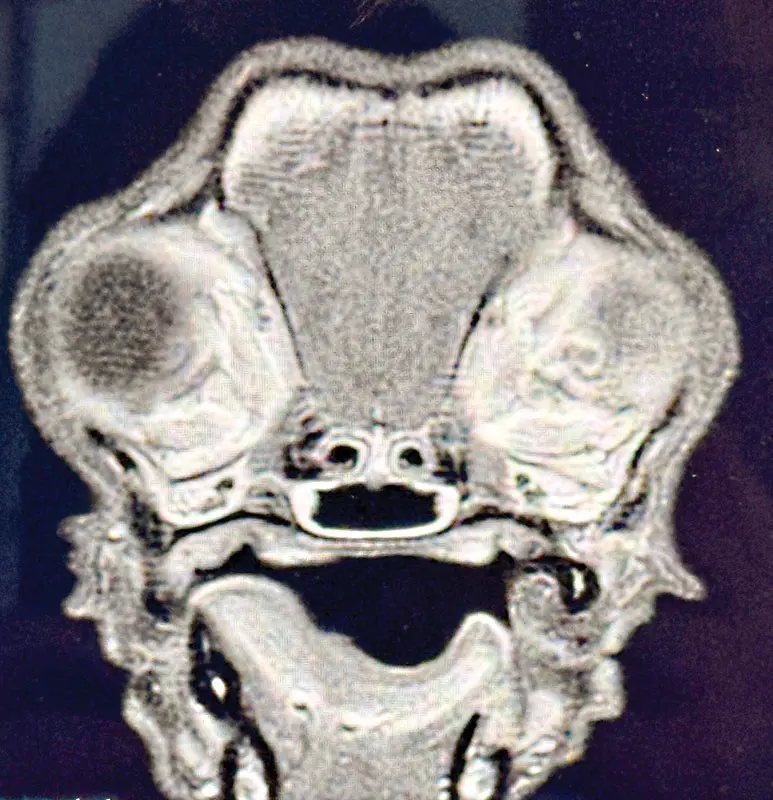
According to veterinary anatomists, this claim is entirely false. Comprehensive anatomical studies of canine jaw structures reveal no physiological locking mechanism, hinge obstruction, or special bone structure unique to pit-type dogs or bulldogs. Their jaws function identically to those of a German Shepherd, Golden Retriever, or any other domestic canine.
So where does the myth originate? It stems from the breeds’ historical tenacity and high drive. When an American Bulldog or Pitbull seizes an object or toy, their intense focus and gameness cause them to maintain their grip far longer than many other breeds might. This behavioral persistence, combined with immense bite force generated by powerful temporal and masseter muscles, creates the illusion of a locked jaw.
Temperament and Socialization Realities
Veterinary behaviorists emphasize that neither breed is inherently "vicious" or predestined for unprovoked human aggression. However, their genetic blueprints require careful management:

- The American Bulldog: Possesses a strong protective instinct. They are deeply loyal to their family unit and can be fiercely defensive if they perceive a genuine threat. Without early, robust socialization, their guarding instincts can manifest as over-suspiciousness toward strangers.
- The Pitbull: Known for a high "zest for life" and an intense desire to please human handlers. However, due to their terrier ancestry, Pitbulls often carry a higher predisposition toward animal-directed aggression (dog-selectivity or dog-reactivity). While many Pitbulls live harmoniously with other household pets, others require single-dog home environments and vigilant management by experienced owners.
Future Outlook: Responsible Ownership, Legislation, and Breed Preservation
As urban environments grow denser and housing regulations tighten, the future of both the American Bulldog and the Pitbull depends heavily on education, legislation reform, and responsible breeding practices.
The Battle Against Breed-Specific Legislation (BSL)
For decades, municipalities and insurance companies have implemented Breed-Specific Legislation, outright banning or heavily restricting ownership of Pitbulls and, in some cases, American Bulldogs. Major veterinary and animal welfare organizations—including the American Veterinary Medical Association (AVMA) and the ASPCA—consistently oppose BSL, arguing that it penalizes responsible owners while failing to improve public safety.
Future trends point toward a gradual shift away from BSL toward "owner-liability" and dangerous-dog laws that focus on individual animal behavior rather than superficial physical traits. Nevertheless, owners of both breeds must navigate complex insurance policies and housing restrictions for the foreseeable future.
Exercise, Training, and the Modern Owner
Owning an American Bulldog or a Pitbull is not a passive endeavor. Both breeds were engineered for hard work and heavy physical exertion.
- Daily Exercise: Experts recommend a minimum of 60 to 90 minutes of vigorous daily exercise—ranging from long-distance jogging to weighted pulling sports or agility training.
- Mental Stimulation: Because these dogs possess sharp intellects, physical exercise alone is insufficient. Puzzle toys, obedience training, and socialization classes are critical to prevent destructive behaviors rooted in boredom.
- Healthcare Considerations: American Bulldogs require careful monitoring during hot weather due to their shorter muzzles, which make them more susceptible to heat exhaustion. Both breeds benefit greatly from early joint screening (hip and elbow dysplasia) and proactive veterinary care to maximize their lifespans.
Conclusion
Ultimately, the American Bulldog and the American Pit Bull Terrier are two magnificent, powerful, and deeply misunderstood breeds. While their shared heritage traces back to the blood sports of old England, their modern incarnations are products of dedicated selection, raw athleticism, and unwavering loyalty.
Whether one is drawn to the heavy-duty guardian presence of the American Bulldog or the agile, affectionate energy of the Pitbull, prospective owners must look past the myths and embrace the reality: these are high-commitment dogs that return the investment of proper training, socialization, and love manifold.