
Executive Overview
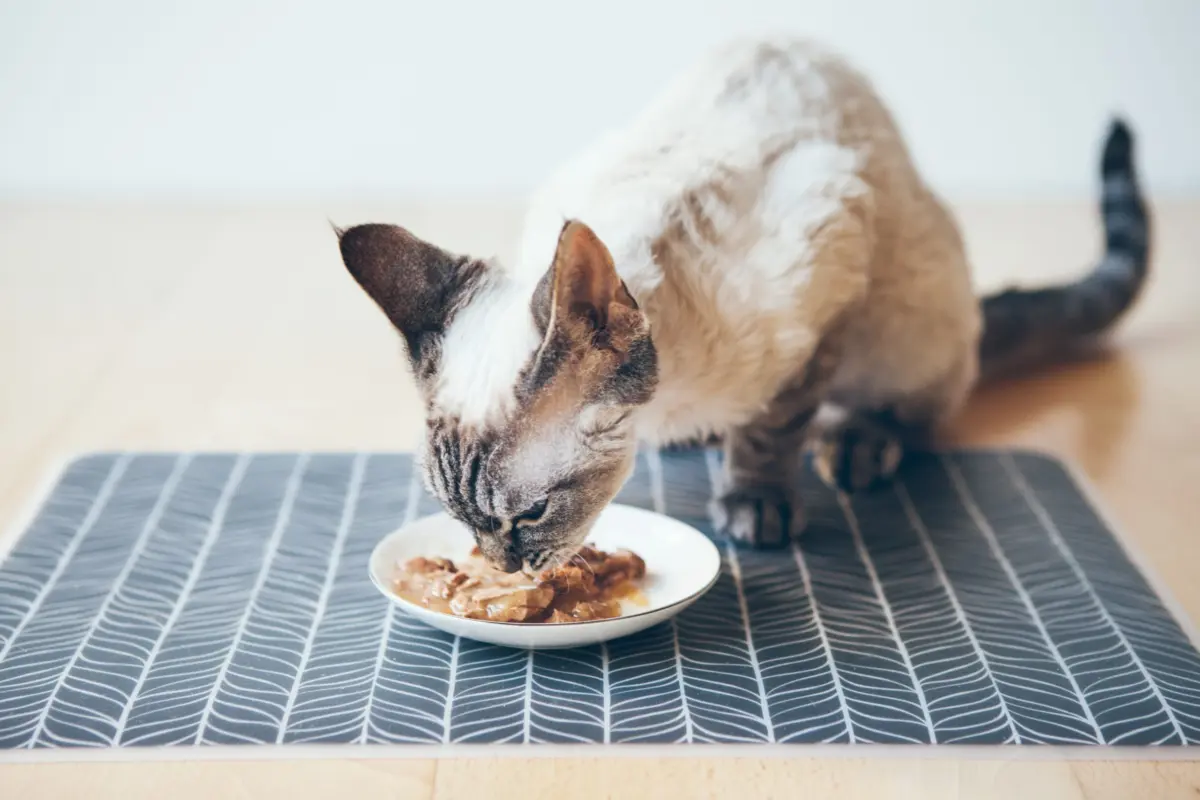
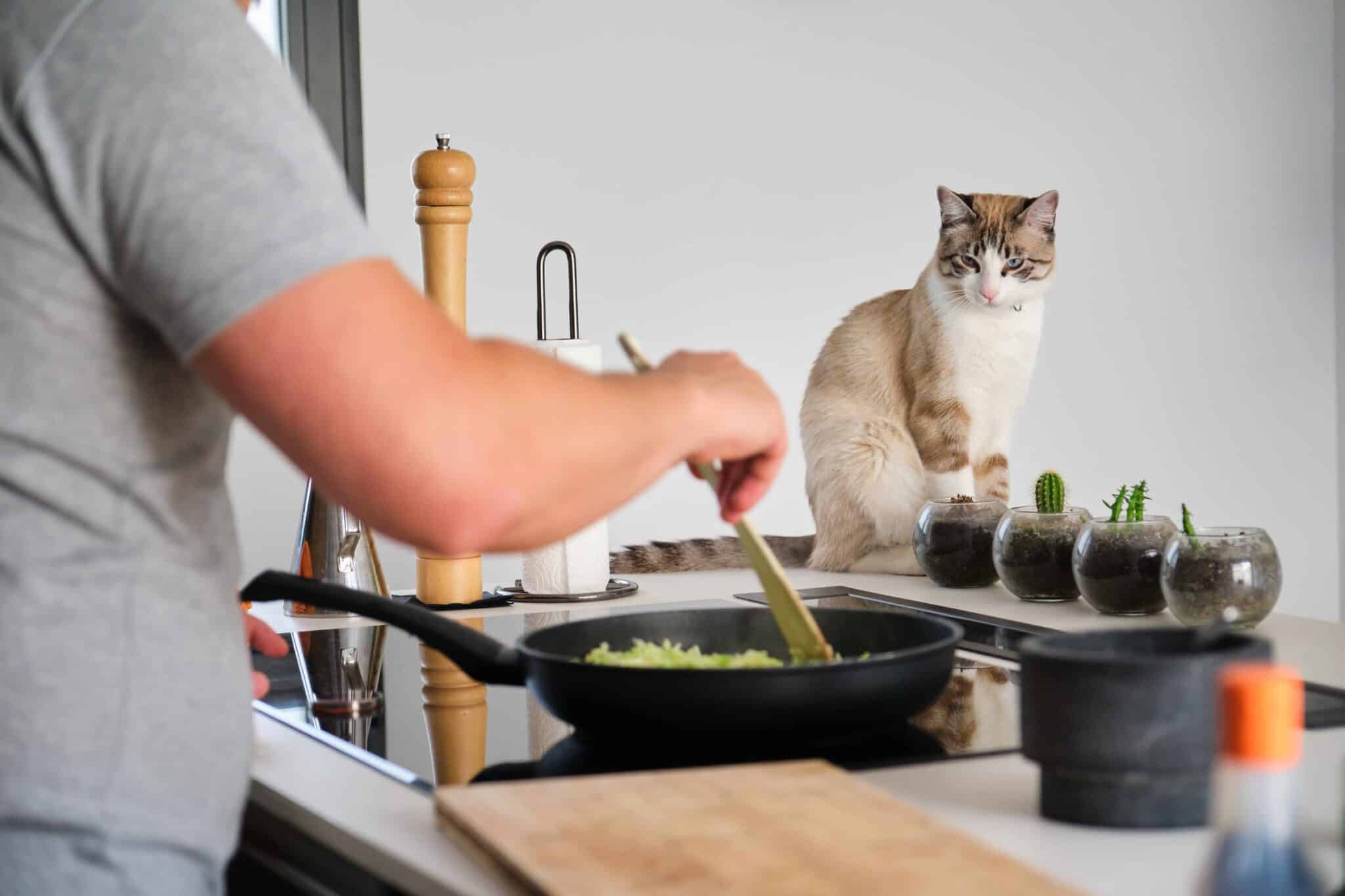
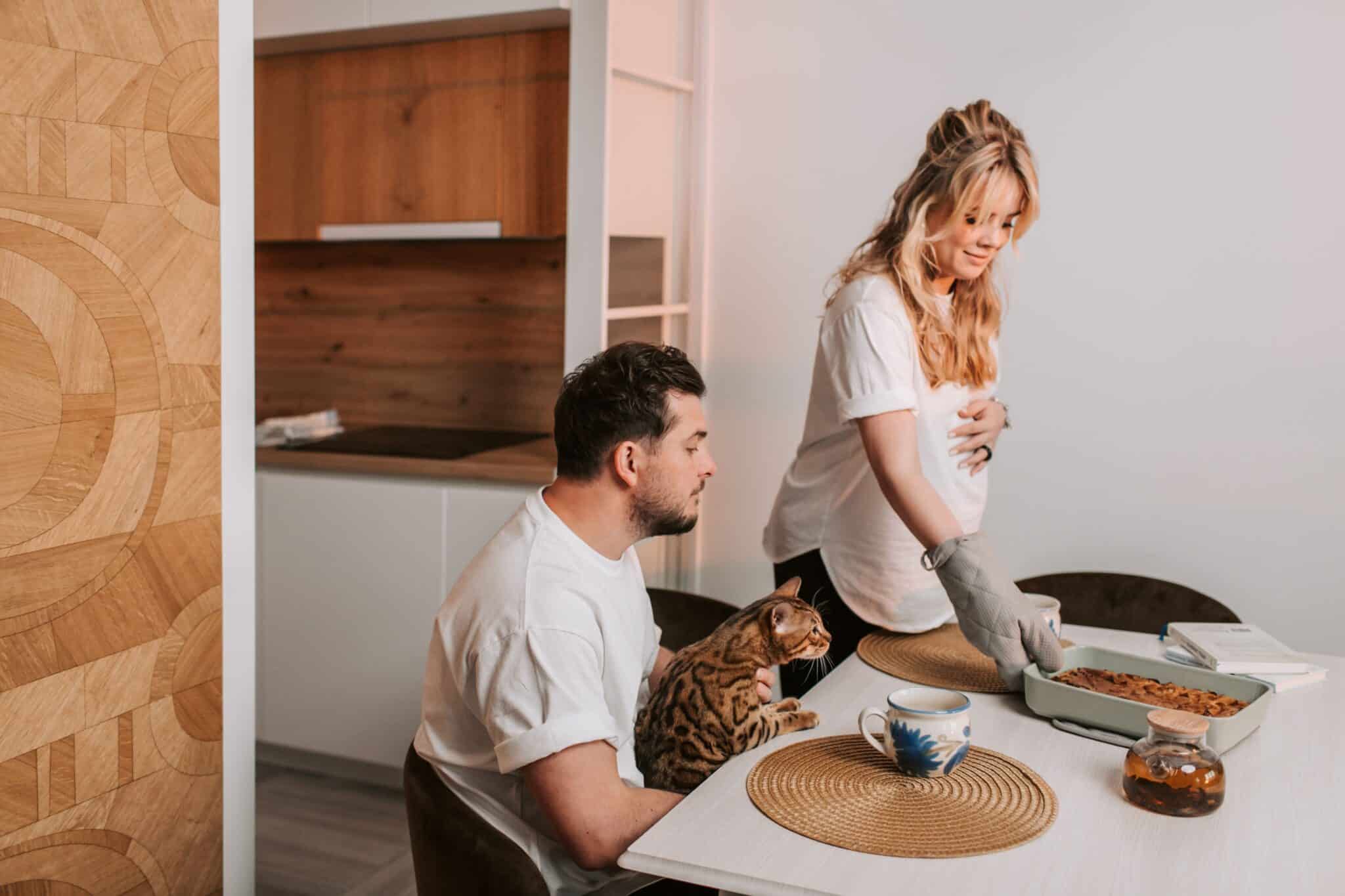
For millions of cat owners worldwide, the concept of personal space is not merely obsolete; it is an entirely alien construct. While some felines are content to survey their domestic kingdoms from a respectful, distant vantage point, others operate with the relentless investigative zeal of a health inspector. These are the self-appointed culinary supervisors, the grocery auditors, and the cupboard inspectors who insist on monitoring every movement, aroma, and ingredient entering the household kitchen.
Far from being random behavioral quirks, this intense curiosity is deeply rooted in the genetic blueprints, cognitive capacities, and historical traits of specific feline breeds. High intelligence, sharp predatory instincts, social extroversion, and an insatiable desire to understand the mechanics of their environment drive these cats to the epicenter of home activity: the kitchen.
This comprehensive report examines the physiological and psychological triggers that transform ordinary house cats into vigilant kitchen supervisors. We will break down the thirteen cat breeds most renowned for their supervisory habits, explore the evolutionary science behind their behavior, and provide authoritative guidance on how cat owners can safely accommodate—and manage—these overly helpful feline assistants.
Detailed Chronology: The Evolution of the Domestic Kitchen Inquisitor
To understand why modern cats march directly to the kitchen counter the moment a refrigerator door opens, one must look at both the evolutionary timeline of Felis catus and the daily domestic timeline of the modern home.
The Evolutionary Roots of Inquisitiveness
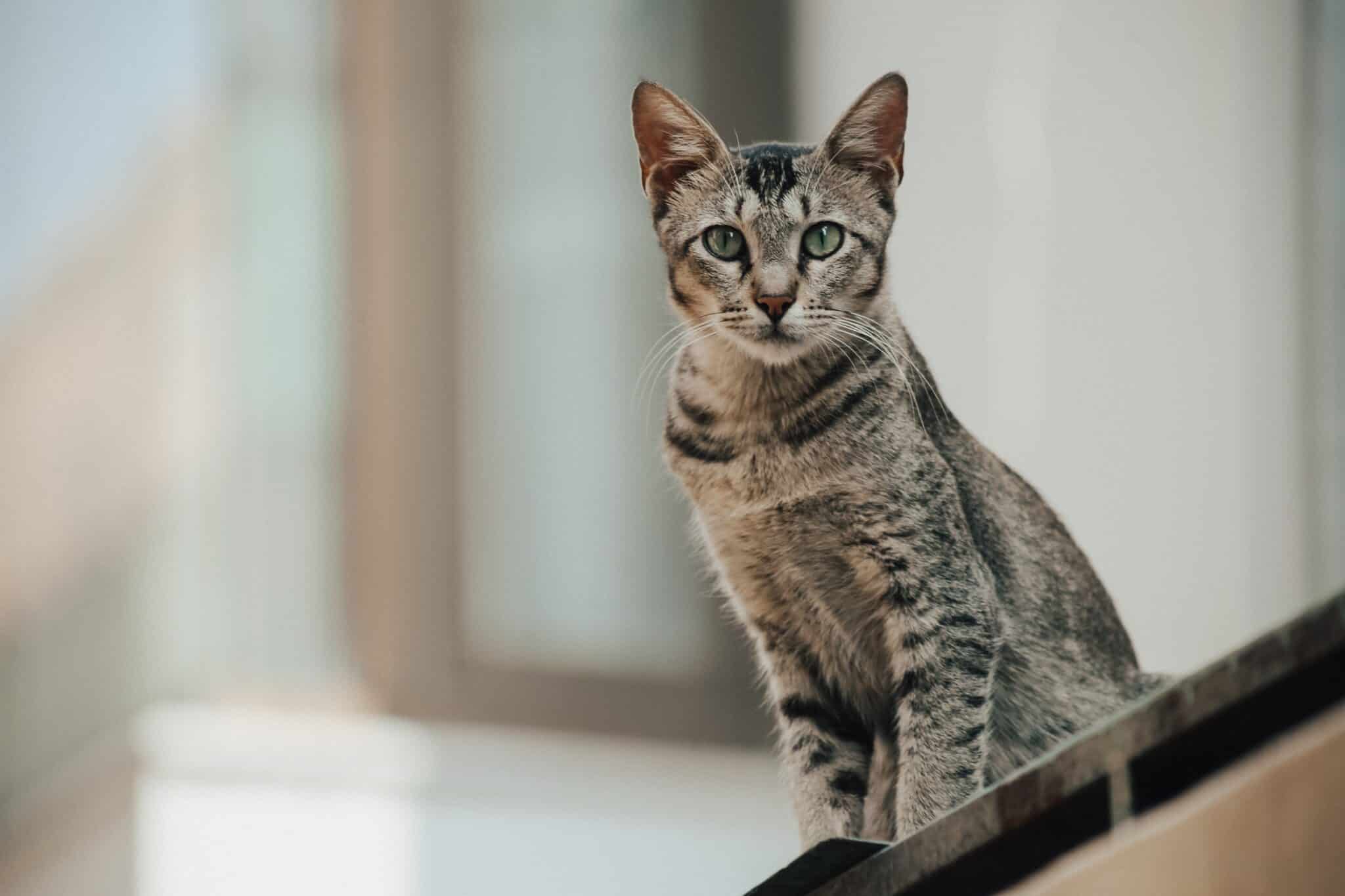
Millennia ago, wild feline ancestors survived by mapping their territories with microscopic precision. Every shift in scent, every rustle in the brush, and every potential food source had to be investigated immediately. Survival depended on spatial awareness and resource tracking.
When cats transitioned into domestic companions, these survival mechanisms did not disappear; they were repurposed. In a modern household, the kitchen represents the ultimate hunting ground and resource center. It is where raw materials (groceries) arrive, where complex chemical reactions (cooking) take place, and where high-value proteins are stored. To an intelligent, high-energy cat, ignoring the kitchen would violate thousands of years of hardwired investigative programming.
The Daily Kitchen Routine: A Step-by-Step Breakdown
For breeds predisposed to supervision, the preparation of a meal unfolds as a gripping theatrical production. Observers of feline behavior note a predictable chronological pattern when a human enters the kitchen:
- The Acoustic Trigger: Long before a knife hits a cutting board, high-intelligence breeds recognize specific acoustic cues—the sliding of the pantry door, the crinkle of a plastic grocery bag, or the distinct hum of the refrigerator being opened.
- The Deployment Phase: The cat abandons whatever it was doing in another room, utilizing its social and athletic drive to intercept the human en route to the culinary zone.
- The Counter-Infiltration & Assessment: Utilizing vertical spaces, chairs, or direct leaps, the feline secures an elevated vantage point to inspect incoming grocery bags and review raw ingredients.
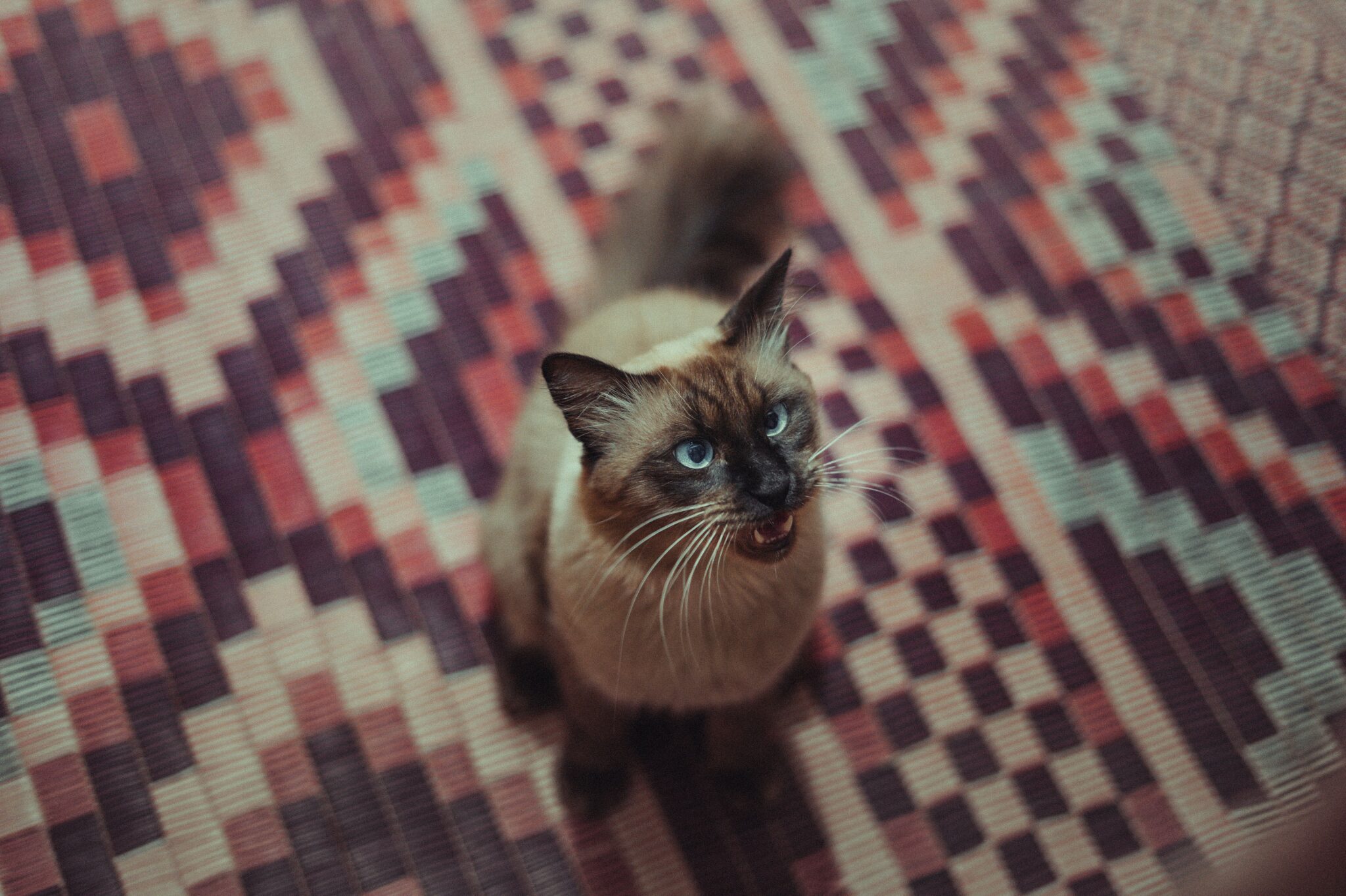
- The Vocal Audit: Particularly vocal breeds (such as the Siamese or Oriental Shorthair) begin issuing real-time feedback regarding the speed of meal preparation, menu choices, and perceived food delays.
- The Final Inspection: Once cooking concludes, the supervisor remains on high alert until all surfaces are cleared, ensuring no rogue morsel has been left unverified.
Supporting Context & Metrics: The Anatomy of a Kitchen Supervisor
While any cat can develop an interest in food, behavioral veterinarians note that certain physical and psychological metrics heavily dictate a breed’s likelihood of becoming a full-time kitchen monitor.
Key Behavioral Metrics by Classification
| Breed Group | Average Activity Level | Vocalization Tendency | Propensity for Vertical Exploration | Need for Mental Enrichment |
|---|---|---|---|---|
| Siamese / Oriental | Extremely High | High (Vocal) | High | Critical |
| Bengal / Savannah | Maximum | Moderate | Maximum | Extreme |
| Maine Coon / Forest Types | Moderate-High | Low-Moderate | Moderate | Moderate-High |
| Rex Breeds (Devon/Cornish) | High | Moderate | High | High |
| Abyssinian / Egyptian Mau | Maximum | Low | Maximum | Extreme |
The Thirteen Breeds Driving the Phenomenon
1. Siamese
The Siamese is the quintessential supervisor. Highly intelligent and intensely social, they refuse to be excluded from household workflows. Their sharp vocalizations ensure that their human assistants are constantly aware of their opinions on meal pacing and ingredient selection.
2. Bengal
Possessing the athletic prowess of wild ancestors, Bengals treat the kitchen like an obstacle course. An open cupboard or a shopping bag left unattended on the floor represents an instant environmental puzzle that demands a thorough investigation.
3. Maine Coon
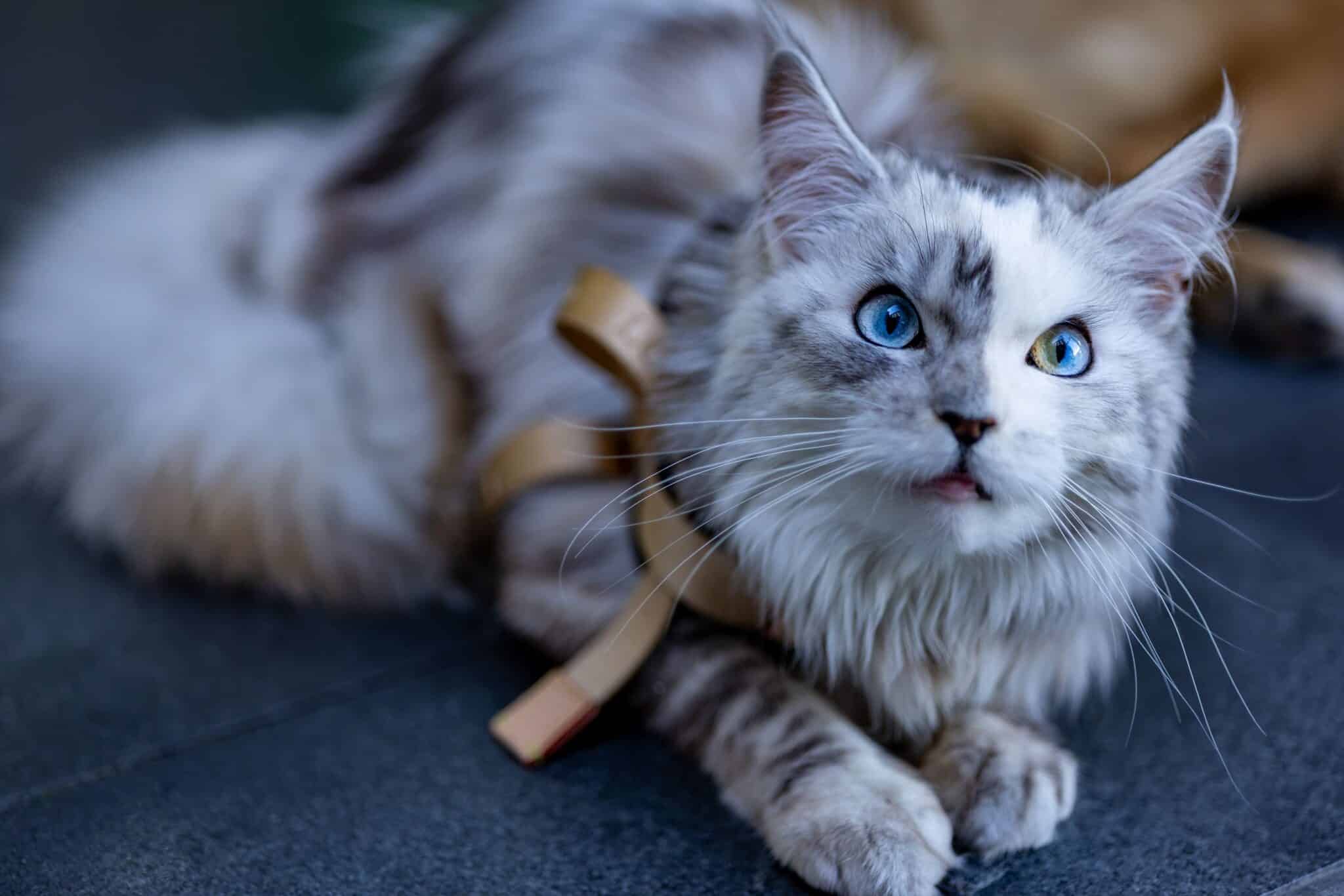
Despite their gentle and relaxed demeanor, Maine Coons are remarkably large, intelligent, and deeply invested in family activities. Their height allows them to easily monitor kitchen islands, though their size necessitates strict safety measures around hot stoves.
4. Oriental Shorthair
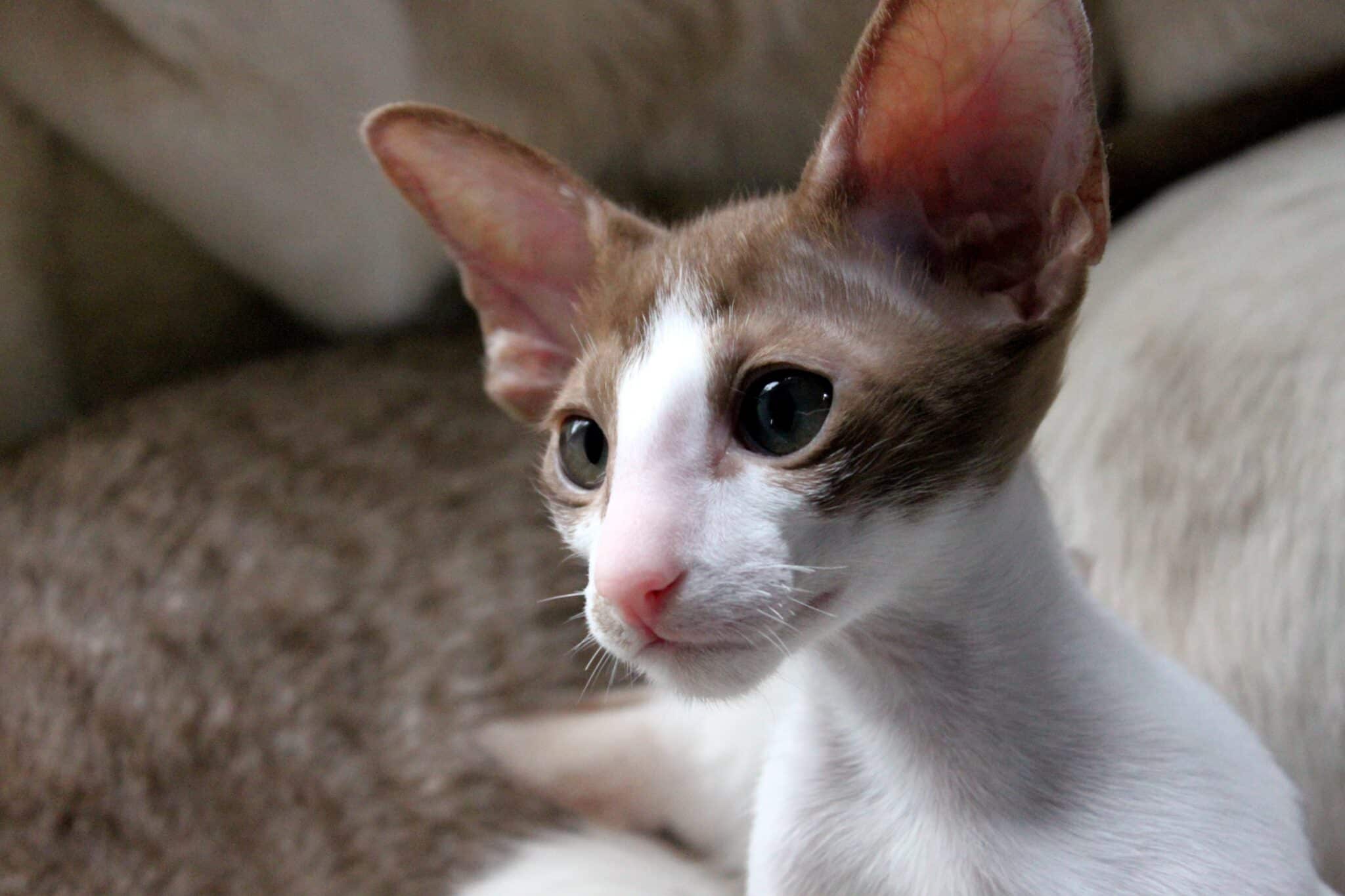
Closely related to the Siamese, the Oriental Shorthair possesses an inquisitive, high-energy disposition. Without adequate mental stimulation via puzzle toys and interactive play, their kitchen supervision can quickly transition into resourceful mischief.
5. Abyssinian
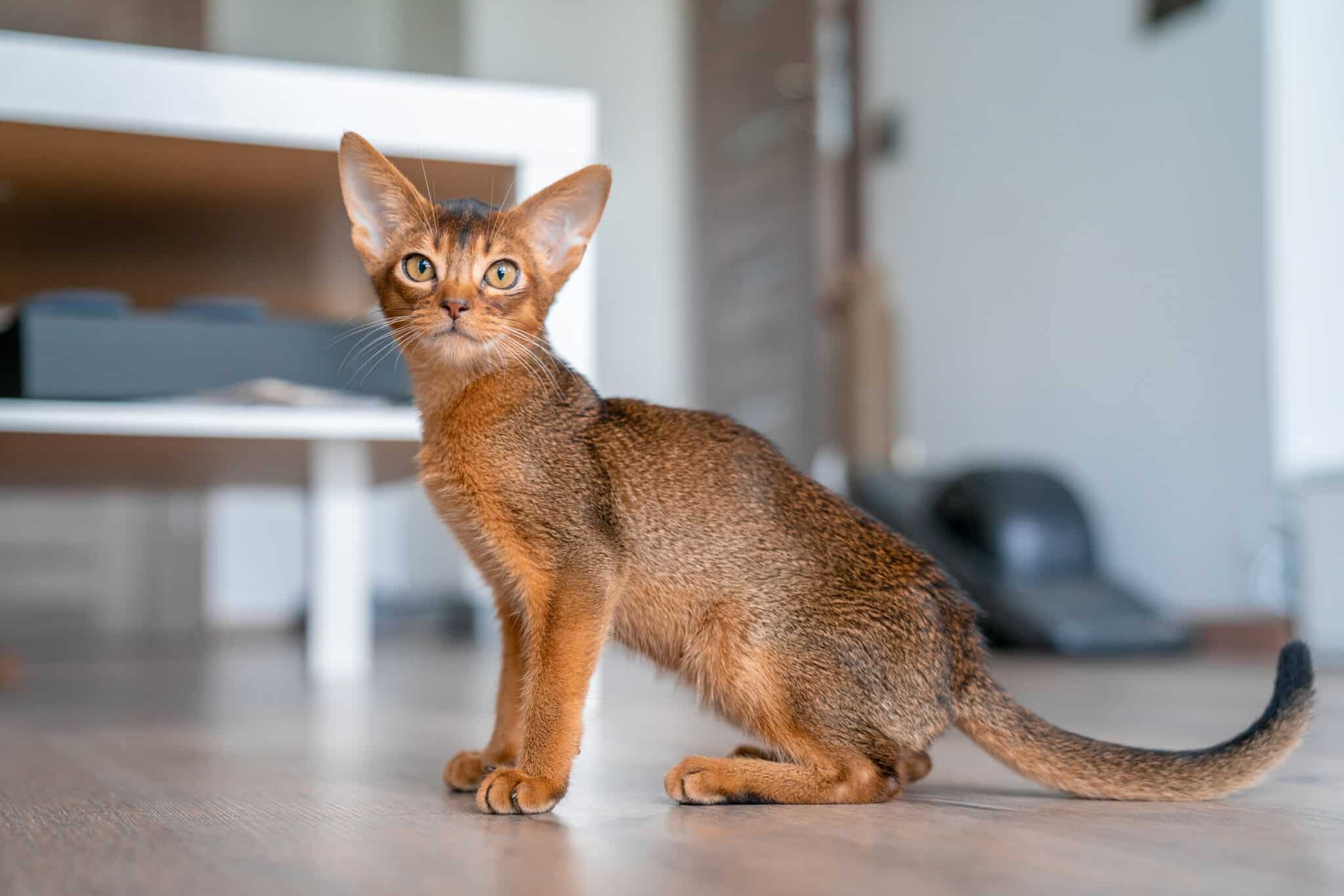
Known as the "clowns of the cat kingdom," Abyssinians are relentless climbers. Rather than sitting on the floor, an Abyssinian is likely to commandeer a top shelf or the highest point near the ceiling to gain a tactical overview of dinner preparation.
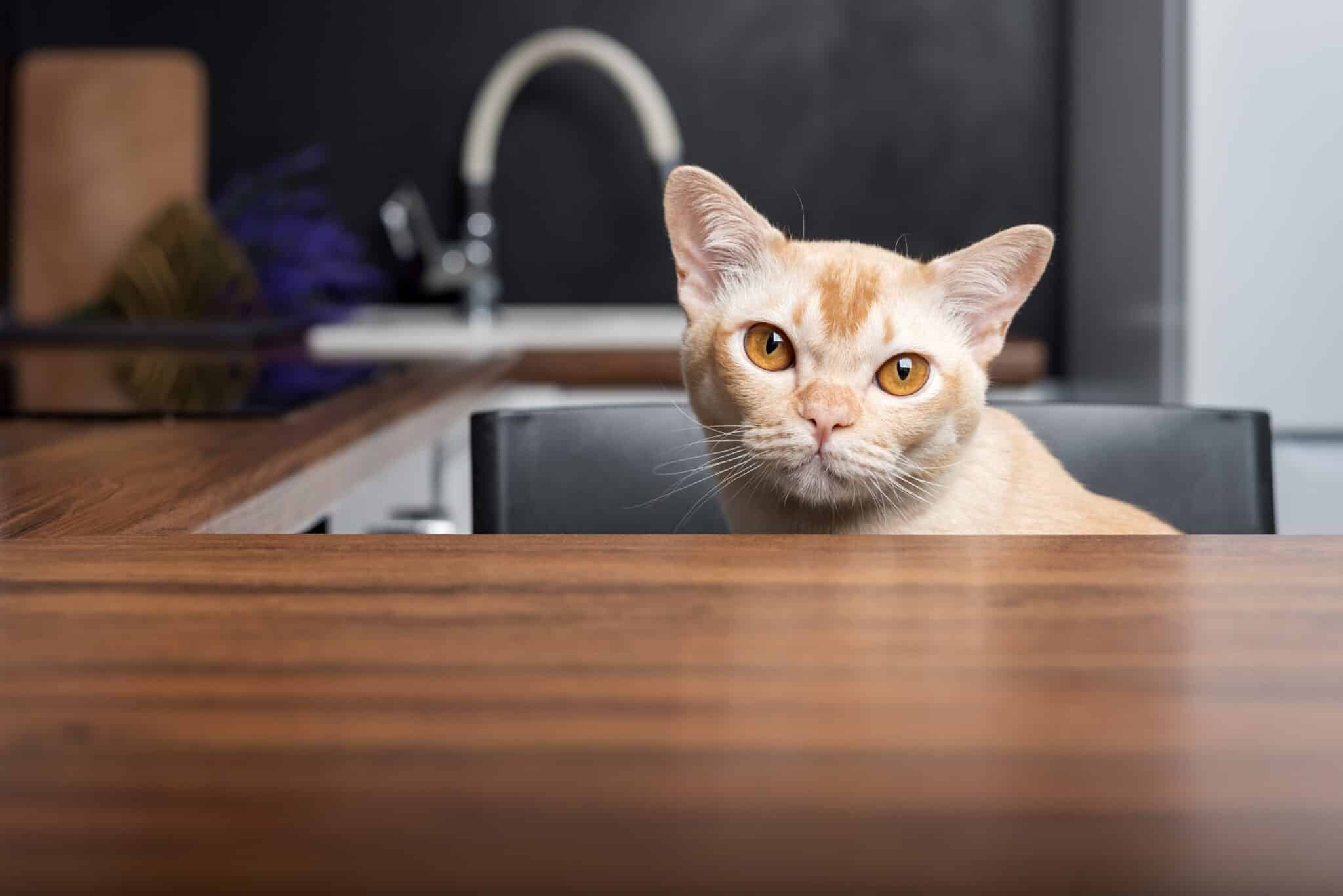
6. Burmese
Burmese cats crave human companionship above almost everything else. Because cooking involves human voices, movement, and engaging smells, the Burmese will naturally station themselves right beside the refrigerator or underfoot.
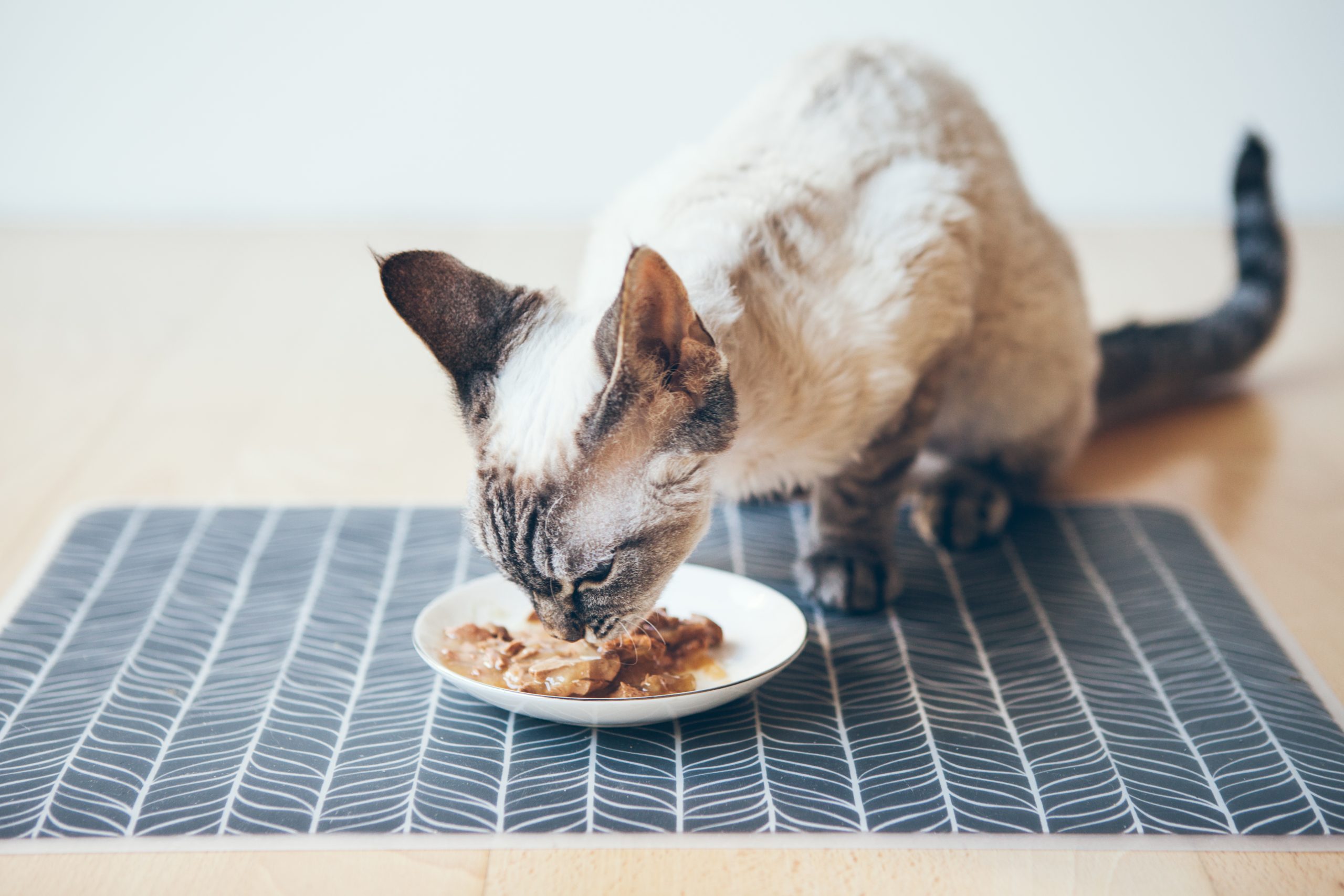
7. Devon Rex
With oversized ears and a mischievous spirit, the Devon Rex investigates spaces other cats ignore. Drawers left slightly ajar or low cabinets become irresistible targets for their curious paws.
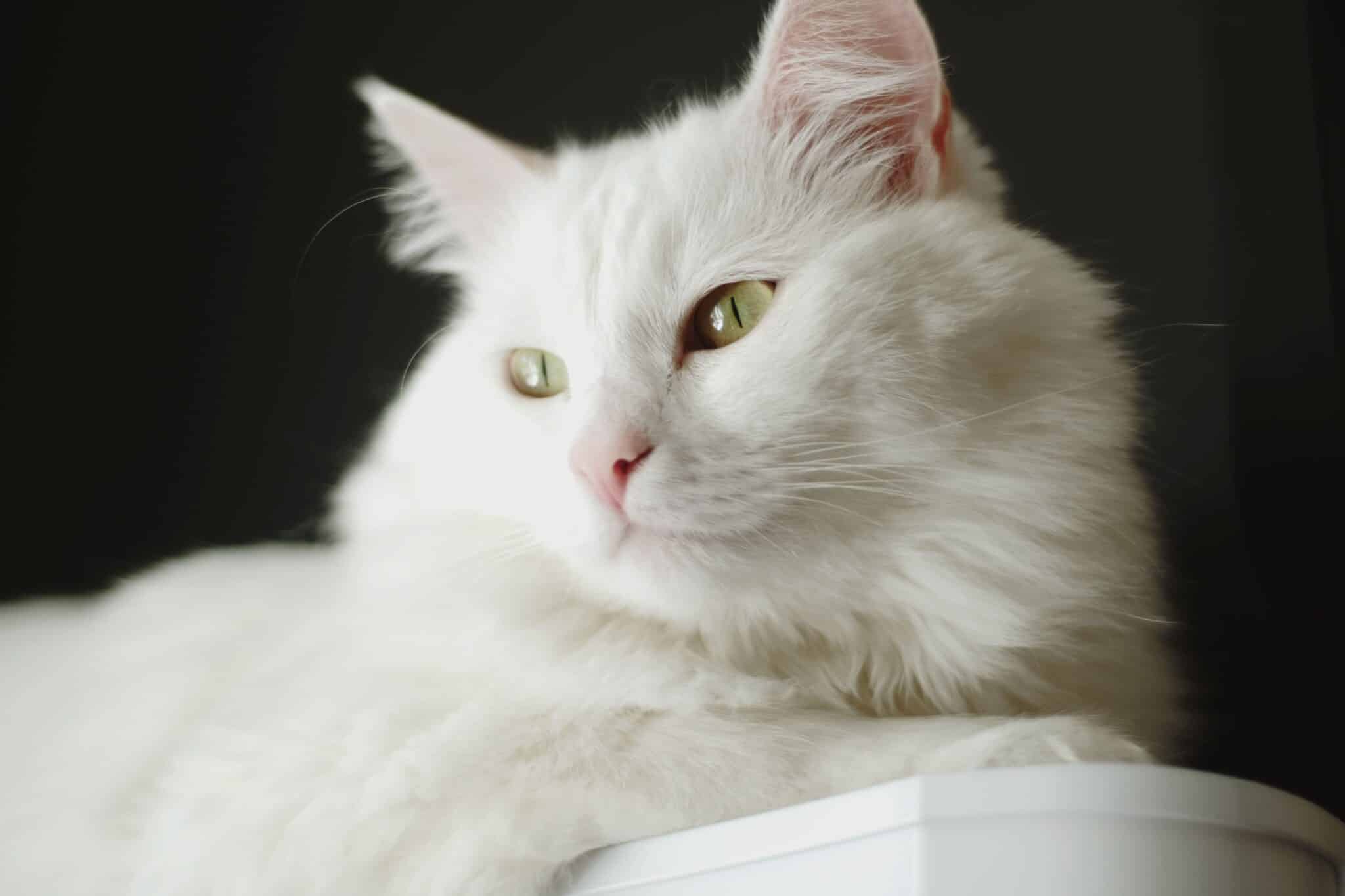
8. Turkish Angora
Graceful yet endlessly inquisitive, Turkish Angoras use their agility to find elevated perches in the kitchen. They approach every new container, ingredient, and utensil with focused scientific curiosity.
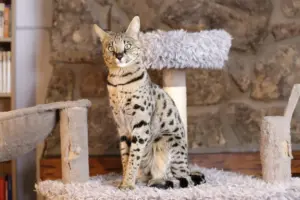
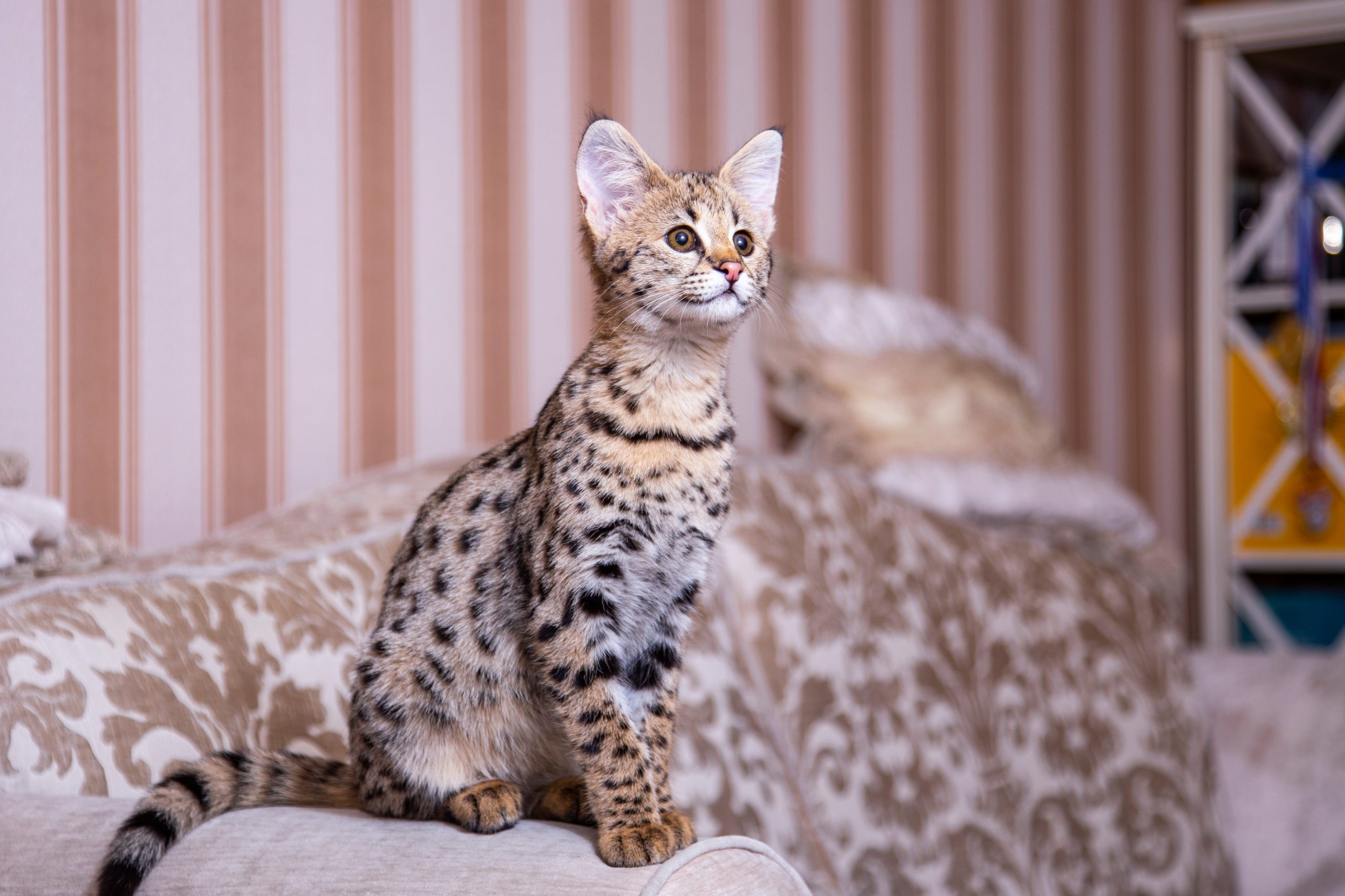
9. Savannah
Combining domestic charm with African serval ancestry, Savannah cats exhibit extraordinary jumping heights and razor-sharp intellect. Their complex care and high energy require specialized environmental boundaries in food preparation areas.
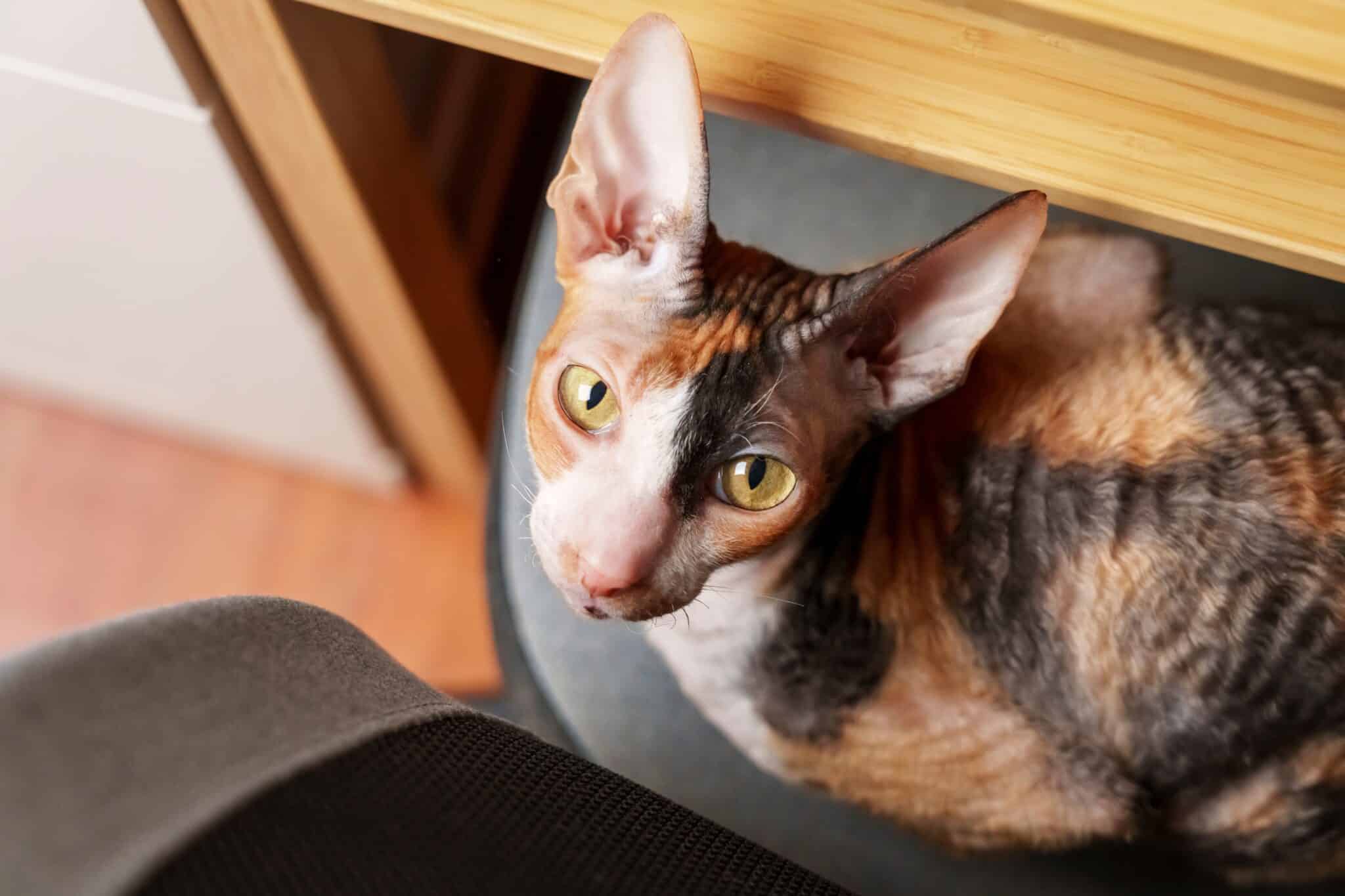
10. Cornish Rex
Distinguished by their curly coats and slender builds, Cornish Rex cats have boundless energy. They view meal preparation not as a mundane chore, but as an interactive spectator sport that requires their physical presence.
11. Tonkinese
Inheriting the best traits of both Siamese and Burmese lineages, Tonkinese cats possess a fierce appetite for human interaction. They are vocal, clever, and fully prepared to offer unsolicited commentary on your culinary technique.
12. Egyptian Mau
Alert, fast, and intensely observant, the Egyptian Mau studies environmental changes with precision. Their strong predatory tracking instincts mean that any moving object—from a dangling dish towel to a rolling package—demands immediate investigation.
13. Scottish Fold
While famous for their folded ears and placid expressions, Scottish Folds possess a quiet, steady curiosity. They will follow their human companions from room to room, peacefully monitoring kitchen events from a safe, comfortable vantage point.
Official Statements and Veterinary Insights
Animal behaviorists and veterinary experts emphasize that a cat’s presence in the kitchen is not merely a behavioral annoyance, but a vital indicator of psychological well-being.
"When a cat actively supervises kitchen activities, it demonstrates a high level of engagement with its human family and its immediate environment," notes Dr. Elena Vance, a leading feline behavior specialist. "Bored or depressed cats often withdraw to quiet corners. An inquisitive cat that tracks your every move is mentally active, healthy, and emotionally invested in the household ecosystem."
Veterinary nutritionists also issue important cautionary notes regarding the kitchen environment. Because high-curiosity breeds can easily access dangerous zones, professionals stress the necessity of proactive safety measures:
- Toxic Food Prevention: Common culinary ingredients such as onions, garlic, grapes, raisins, chocolate, and certain artificial sweeteners (xylitol) are highly toxic to felines. Intelligent breeds can easily unwrap or knock over containers.
- Thermal Hazard Management: Hot burners, boiling liquids, and sharp utensils present severe risks to agile climbers like Bengals, Abyssinians, and Savannahs.
- Environmental Redirection: Experts recommend utilizing puzzle feeders, interactive play sessions, and designated cat trees outside the kitchen footprint to satisfy investigative instincts safely.
Future Outlook: Managing the Feline Supervisor
As pet humanization trends continue to grow, households are increasingly designed to accommodate the psychological needs of intelligent animal companions. The era of banishing pets behind closed doors is steadily giving way to integration strategies that balance human safety with feline curiosity.
Looking ahead, pet product manufacturers are developing specialized kitchen-adjacent perches, automated food puzzles, and sensory-enrichment zones designed to keep high-energy breeds intellectually stimulated while their humans cook. Ultimately, while the kitchen supervisor may occasionally require a gentle reminder to remain off the countertops, their presence serves as a heartwarming reminder of the deep bond between humans and their fiercely loyal feline companions.