
Executive Overview: The Hidden Hazards of Winter Canine Fitness
For millions of dog owners, the onset of winter does not signal an end to daily outdoor exercise. Walks remain an indispensable component of canine physical health and mental enrichment. However, as seasonal ambient temperatures plunge, familiar neighborhood routes can rapidly transform into high-risk environments. While cold-hardy breeds thrive in snowy landscapes, prolonged exposure to freezing conditions exposes domestic dogs to severe physiological trauma, ranging from localized tissue necrosis to life-threatening systemic collapse.
Veterinary emergency specialists emphasize that the concept of a single "safe" outdoor temperature for dogs is a dangerous misconception. A canine’s capacity to withstand cold relies on a complex interplay of anatomical, physiological, and environmental variables. Factors such as coat density, body mass index, age, underlying metabolic health, relative humidity, and wind velocity alter a dog’s microclimate. Without proactive risk assessment, routine outdoor excursions can swiftly culminate in medical emergencies requiring acute intervention.
Detailed Chronology of Environmental Cold Escalation
Understanding how environmental cold damages a dog’s body requires examining the progression of exposure. As atmospheric conditions deteriorate, physiological vulnerabilities unfold in distinct phases.
+-----------------------------------------------------------------------------------+
|                  STAGES OF CANINE COLD WEATHER EXPOSURE                           |
+-----------------------------------------------------------------------------------+
| STAGE 1: Mild Chill Exposure (35°F to 45°F / 1.6°C to 7.2°C)                       |
| - Peripheral vasoconstriction begins; heat diverted to vital organs.               |
| - Low risk for healthy, large, double-coated breeds.                              |
| - Vulnerable demographics (short-haired, toy, senior) show mild discomfort.      |
+-----------------------------------------------------------------------------------+
                                         |
                                         v
+-----------------------------------------------------------------------------------+
| STAGE 2: Microclimate Breakdown & Wind/Moisture Penetration (25°F to 35°F)       |
| - High wind chill strips the boundary layer of warm air trapped in fur.           |
| - Damp fur loses insulative capacity, accelerating conductive heat loss.           |
| - Behavioral warnings appear: subtle shivering, elevated paw lifts, tail tucking. |
+-----------------------------------------------------------------------------------+
                                         |
                                         v
+-----------------------------------------------------------------------------------+
| STAGE 3: The Critical Sub-Freezing Threshold (20°F to 25°F / -6.6°C to -3.8°C)    |
| - Risk of localized cellular damage increases rapidly.                            |
| - Paw pads exposed to direct contact with sub-freezing ice and deicing salts.    |
| - Shivering becomes pronounced; activity slows down as muscle stiffness sets in.  |
+-----------------------------------------------------------------------------------+
                                         |
                                         v
+-----------------------------------------------------------------------------------+
| STAGE 4: Severe Medical Crisis Zone (Below 20°F / Below -6.6°C)                   |
| - High incidence of frostbite in low-perfusion peripheral tissues (ears, tail, toes).|
| - Onset of clinical hypothermia: core body temperature drops below safe limits.   |
| - Systemic failure risks rise: lethargy, weak pulse, respiratory depression.      |
+-----------------------------------------------------------------------------------+
Stage 1: Initial Exposure and Peripheral Vasoconstriction (35°F to 45°F)
In mild low temperatures, a dog’s autonomic nervous system initiates compensatory mechanisms to prevent heat loss. Smooth muscles surrounding peripheral blood vessels constrict, reducing blood flow to the skin and extremities to preserve core body heat. For thick-coated, working, or northern breeds, this thermal regulation maintains homeostasis with minimal effort. However, small-breed dogs, brachycephalic breeds, and dogs with thin coats may experience discomfort during extended stays outdoors.
Stage 2: Moisture Penetration and Microclimate Breakdown (25°F to 35°F)
When ambient temperatures sit near freezing, atmospheric moisture and wind velocity act as thermal multipliers. Damp conditions saturate guard hairs and flatten the insulating undercoat, dismantling the pocket of warm air trapped near the skin. In dry conditions, a calm 25°F day may pose less danger than a damp, wind-swept 35°F afternoon. During this stage, vulnerable dogs begin expending excessive caloric energy to maintain body heat, triggering early signs of physical distress.
Stage 3: The Sub-Freezing Threshold (20°F to 25°F)
As temperatures cross below 25°F toward 20°F, heat loss accelerates rapidly. The microvascular constriction in peripheral tissues becomes severe, diminishing blood flow to extremities such as the ear tips, tail, and paw pads. Ice and snow compress into the interdigital spaces between toe pads, causing localized tissue irritation and mechanical trauma.
Stage 4: Acute Danger Zone (Below 20°F)
At ambient temperatures falling below 20°F, the physiological mechanisms designed to safeguard core body temperature begin to fail under prolonged exposure. The risk of frostbite and clinical hypothermia increases exponentially. Without protective apparel or strict time limits, tissue damage can occur within minutes.

Supporting Context & Key Safety Metrics
To establish clear safety standards, dog owners must evaluate ambient weather through an analytical lens that accounts for canine anatomical diversity.
Demographic Risk Profiling
+------------------+----------------------------------+-----------------------------------+
| Risk Profile     | Representative Breeds / Types   | Key Physiological Factors         |
+------------------+----------------------------------+-----------------------------------+
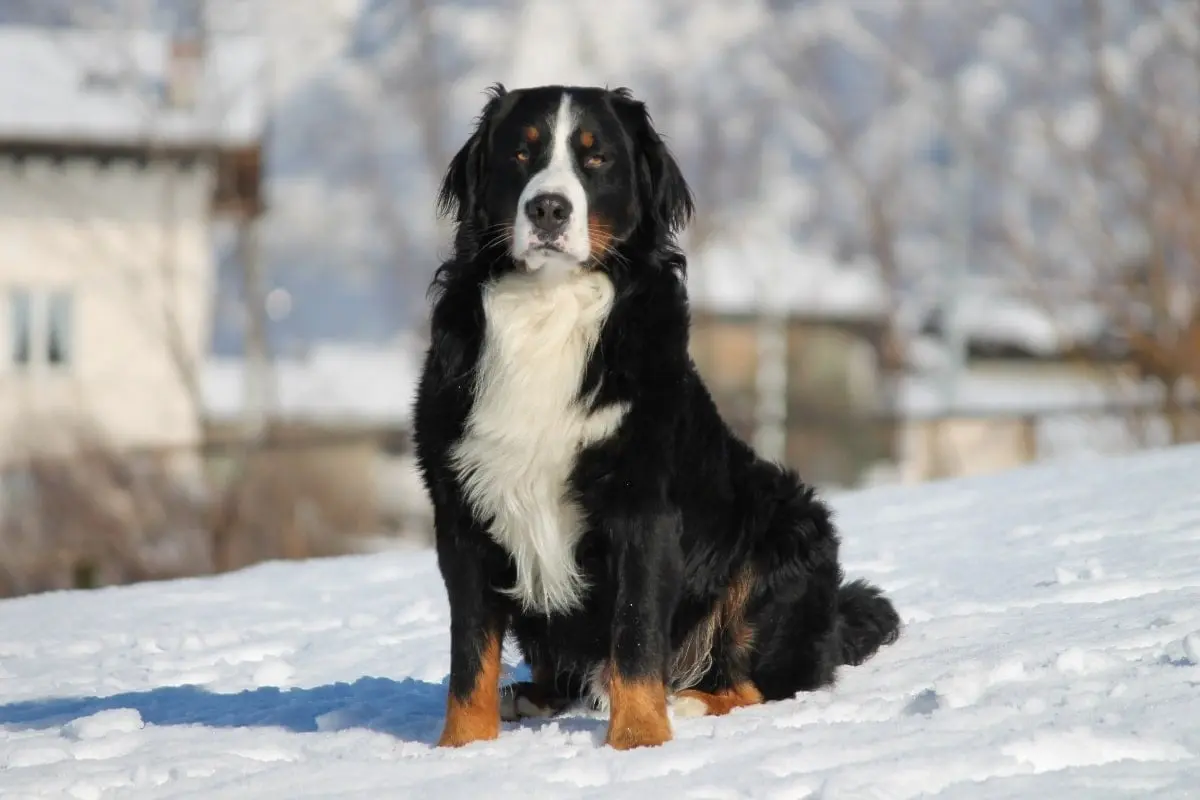
| Low Risk         | Siberian Husky, Alaskan Malamute,| Dense double coat, thick pad skin,|
|                  | Bernese Mountain Dog, Samoyed    | high mass-to-surface-area ratio   |
+------------------+----------------------------------+-----------------------------------+
| Moderate Risk    | Labrador Retriever, Boxer,       | Medium coats, adequate body mass, |
|                  | Golden Retriever, German Shepherd| standard metabolic regulation     |
+------------------+----------------------------------+-----------------------------------+
| High Risk        | Greyhound, Chihuahua, Whippet,   | Minimal body fat, single coat,    |
|                  | French Bulldog, Senior/Puppies   | high surface-area-to-mass ratio   |
+------------------+----------------------------------+-----------------------------------+- Coat Architecture: Dogs possess either single-layer coats or dense double coats consisting of top guard hairs and an insulative undercoat. Single-coated breeds lack natural insulation against sub-freezing temperatures.
- Body Mass and Fat Composition: Small and lean dogs possess a high surface-area-to-volume ratio, causing them to radiate body heat far faster than larger, muscular, or well-insulated breeds.
- Age-Related Thermoregulation: Puppies lack fully developed autonomic thermal controls and possess minimal brown adipose tissue. Senior dogs often suffer from diminished circulatory efficiency, muscle mass depletion, or joint conditions like osteoarthritis that worsen in cold, damp weather.
                 HUMIDITY & WIND CHILL HEAT LOSS MULTIPLIER
  1.0 x --------------------------------------------- Dry & Calm (Base Rate)
  1.5 x --------------------------------- Moderate Wind (10-15 mph)
  2.0 x --------------------- High Humidity / Damp Fur
  3.0 x --------- High Wind + Wet Fur (Critical Acceleration of Core Heat Loss)
Deciphering Early Behavioral Cues
Before medical emergencies develop, dogs display clear behavioral indicators that their thermal limits have been reached. Vigilant owners should monitor for subtle distress signals:
- Involuntary Tremors: Shivering is the body’s involuntary attempt to generate heat via rapid muscular contraction.
- Gait Alteration and Paw Elevation: Repeatedly lifting a paw off the ground indicates thermal pain, ice accumulation between paw pads, or chemical burns from deicing salts.
- Postural Compression: A hunched posture with a tucked tail is a natural defensive effort to minimize exposed surface area.
- Reluctance to Advance: Hesitation, frequent stopping, vocalizing (whining), or attempting to turn back toward home signals that the animal is seeking shelter.
Official Statements and Veterinary Clinical Guidance
Veterinary experts emphasize that static weather forecasts do not tell the whole story. Proactive observation and immediate intervention are critical when managing dogs in severe winter conditions.
Expert Analysis: Environmental Variables Beyond the Thermometer
Dr. Jo Myers, a veterinary expert with the telehealth platform Vetster, highlights why standardized temperature rules fail to protect dogs:
"Dog parents shouldn’t rely on a single temperature to decide whether their pets can safely go outside. A healthy, thick-coated dog accustomed to winter weather may tolerate conditions that would be uncomfortable for a small, short-haired dog.
A calm, dry day at 25°F can actually be more comfortable than a wet, windy day at 35°F. Wind increases heat loss, while damp fur loses some of its ability to keep a dog insulated. Temperatures below 20°F deserve particular caution because the risk of frostbite increases rapidly."
Dr. Myers warns against ignoring early behavioral changes:
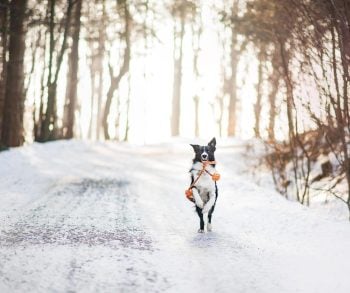
"If your dog starts behaving differently during a winter walk—such as shivering, slowing down, or lifting their paws—don’t wait for more serious symptoms to appear. Returning indoors and helping them warm up is always the safer choice."
Clinical Diagnostics: Frostbite and Hypothermia Pathophysiology
Dr. Jamie Paglia, a veterinary specialist at MedVet Pittsburgh, outlines the progression of acute winter cold injuries, particularly frostbite and clinical hypothermia:
"Extended exposure to freezing conditions can cause frostbite or hypothermia, two conditions that require prompt attention. Both can develop when a dog loses too much body heat or when exposed tissues become dangerously cold.
Frostbite commonly affects vulnerable, low-perfusion areas such as the ears, paws, and tail. Early warning signs include pale, gray, or bluish skin, localized swelling, cold tissue to the touch, and noticeable discomfort."
Dr. Paglia urges caution when treating suspected cold trauma, noting that initial appearances can be deceiving:
"Some frostbite injuries aren’t immediately visible. Changes in skin color or swelling may only become noticeable after the affected area starts warming up. If frostbite is suspected, gently warm the area with lukewarm water. Avoid direct heat from hair dryers, heating pads, or electric blankets, as excessive heat applied to numb tissue can cause severe secondary thermal burns."
Regarding systemic hypothermia, Dr. Paglia cautions that passive monitoring is dangerous once advanced clinical signs appear:

"Hypothermia symptoms include intense shivering, severe lethargy, muscle stiffness, a weak pulse, and slowed breathing. A dog showing these symptoms needs immediate emergency veterinary care. Bring them indoors, wrap them in warm blankets, and seek professional assistance right away rather than waiting to see whether they improve."
Future Outlook: Long-Term Protocols and Winter Readiness
As severe winter weather patterns become more unpredictable, veterinary organizations urge pet owners to move beyond reactive care. Establishing a comprehensive winter preparedness strategy ensures canine health throughout the coldest months.
+-----------------------------------------------------------------------------------+
|                    COMPREHENSIVE CANINE WINTER SAFETY FRAMEWORK                   |
+-----------------------------------------------------------------------------------+
| 1. APPAREL SELECTION                                                              |
|    - Insulated, water-resistant coats for thin-coated, small, or senior dogs.    |
|    - Form-fitting rubber or neoprene booties to guard against ice & deicing salts.|
+-----------------------------------------------------------------------------------+
| 2. ROUTINE MODIFICATIONS                                                          |
|    - Replace long walks with short, frequent outdoor breaks.                      |
|    - Shift physical conditioning to indoor exercises during extreme cold snaps.   |
+-----------------------------------------------------------------------------------+
| 3. POST-WALK SANITATION                                                           |
|    - Inspect paw pads and interdigital webbing for ice balls and injuries.        |
|    - Wash paws with lukewarm water to remove chemical residue; dry thoroughly.    |
+-----------------------------------------------------------------------------------+
| 4. EMERGENCY KIT PREPARATION                                                      |
|    - Maintain a 72-hour supply of food, clean water, medications, and blankets.   |
|    - Store pet-safe thermal wraps for potential power outages.                    |
+-----------------------------------------------------------------------------------+
Advanced Paw Management and Chemical Hazards
Urban and suburban winter environments present chemical hazards alongside low temperatures. Public walkways are frequently treated with deicing agents—primarily sodium chloride, calcium chloride, or magnesium chloride. These compounds cause chemical burns on sensitive paw pads and present systemic toxicity risks if ingested during grooming.
- Bootie Integration: Utilizing fitted, water-resistant booties provides a barrier against chemical agents, sharp ice crusts, and thermal injury.
- Post-Walk Hygiene: Upon returning indoors, rinse paw pads with lukewarm water to clear chemical residues and melt ice buildup trapped between digits. Dry the paws completely with a soft towel.
- Topical Protection: Applying pet-safe paw waxes creates a temporary moisture barrier for dogs that refuse protective footwear.
Preventive Gear and Wardrobe Optimization
Protective garments should be selected based on function rather than appearance. A proper winter coat must offer a windproof, water-resistant outer shell combined with an insulating inner layer (such as fleece or synthetic fill). The garment should cover the dog’s chest and abdomen while allowing unrestricted movement.
Emergency Preparedness for Power Outages
Winter storms can disrupt infrastructure, cutting off power and heating systems. Dr. Paglia recommends preparing a dedicated pet emergency kit to ensure resilience during prolonged cold snaps:
- Nutritional Reserves: Maintain at least a seven-day supply of dry food and clean drinking water stored in sealed, airtight containers.
- Thermal Supplies: Store insulated Mylar blankets, fleece wraps, and self-warming pet beds that operate without electricity.
- Medical Essentials: Keep a fully stocked canine first-aid kit that includes self-adhesive bandages, booties, paw salve, and a digital rectal thermometer to monitor core body temperature.
Ultimately, maintaining safe winter exercise requires observing your dog’s individual limits. By replacing rigid temperature rules with informed, real-time assessment, owners can protect their companions from cold-weather risks while enjoying the winter season safely.