
Executive Overview
In the quiet suburban enclave of Highland Village, Texas, a late-night walk transformed into a dramatic life-and-death struggle that has captured the attention of millions worldwide. Hurley, a Pit Bull and Labrador Retriever mix, demonstrated what many animal behaviorists describe as an extraordinary display of protective instinct when he intervened to save a young boy from a venomous copperhead snake.
The incident, which occurred in a local neighborhood field, highlights the complex and often controversial discourse surrounding Pit Bull-type dogs. While these breeds are frequently subjected to strict local ordinances, rental bans, and deep-seated societal prejudice due to associations with aggression, Hurley’s decisive, self-sacrificing actions offer a powerful counter-narrative.
By intercepting the pit viper, Hurley sustained severe envenomation, requiring emergency veterinary intervention. The story, first shared on social media by the dog owner’s sister, quickly went viral, garnering over 300,000 shares and sparking a broader conversation regarding breed stereotypes, suburban wildlife hazards, and the biological reality of canine heroism.
Detailed Chronology
[10:00 PM] Walk Begins -> [10:05 PM] Auditory Alert (Scream) -> [10:06 PM] Interception of Copperhead -> [10:08 PM] Child Evacuated -> [10:15 PM] Authorities Arrive -> [10:30 PM] Emergency Vet Admission -> [Next Morning] Discharge & RecoveryThe Late-Night Walk and Auditory Alert
On an evening in Highland Village, Texas, Shelby—the owner of the Pit Bull-Labrador mix, Hurley—embarked on their routine late-night walk around 10:00 PM. Shelby purposefully chose this late hour to visit a local neighborhood field, a time when the area was typically deserted. This allowed him to safely release Hurley from his leash, granting the dog the freedom to exercise his natural tracking instincts and explore the field’s various scents.
The tranquility of the night was suddenly shattered by a high-pitched scream from a young child. Instinct took over. Before Shelby could process the sound or locate its source, Hurley bolted toward the noise, disappearing into the darkness of the field.
The Interception and Confrontation
Shelby pursued his dog through the field. Upon reaching the scene, he witnessed a harrowing encounter: Hurley was actively engaging a copperhead snake. The venomous pit viper was positioned dangerously close to a young boy.
In a rapid, defensive maneuver, Hurley seized the snake in his jaws, flinging it away from the child. The physical confrontation ended with the death of the snake, but not before the reptile managed to strike.
During the chaos, the young boy fled to a nearby vehicle where his mother was waiting. Visibly panicked, the mother immediately drove away from the scene at high speed. Due to the swiftness of their departure, Shelby was unable to obtain any identifying information or confirm if the child had sustained a bite prior to Hurley’s intervention. Based on the urgency of the evacuation, it was assumed the family was heading directly to a local emergency room.
Emergency Response and Medical Intervention
With the immediate threat neutralized, Shelby contacted local emergency services. Officers from the Highland Village Police Department, alongside animal control personnel, arrived shortly thereafter to secure the scene and document the incident.
+-------------------------------------------------------+
|             HURLEY'S CLINICAL PRESENTATION            |
+------------------------------------+------------------+
| Symptom                            | Clinical Status  |
+------------------------------------+------------------+
| Localized Bleeding                 | Present (Lip)    |
| Acute Facial/Cervical Edema        | Severe           |
| Foaming at the Mouth (Sialorrhea)  | Observed         |
| Puncture Wounds                    | Two (Upper Lip)  |
+------------------------------------+------------------+
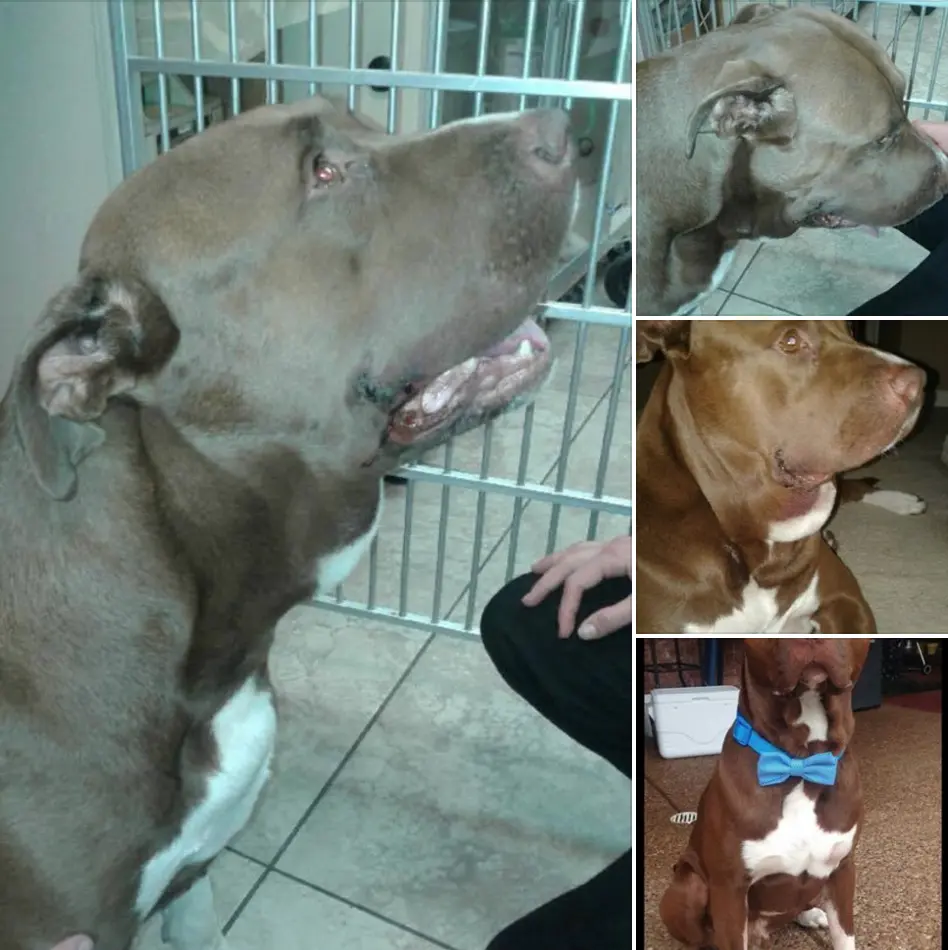
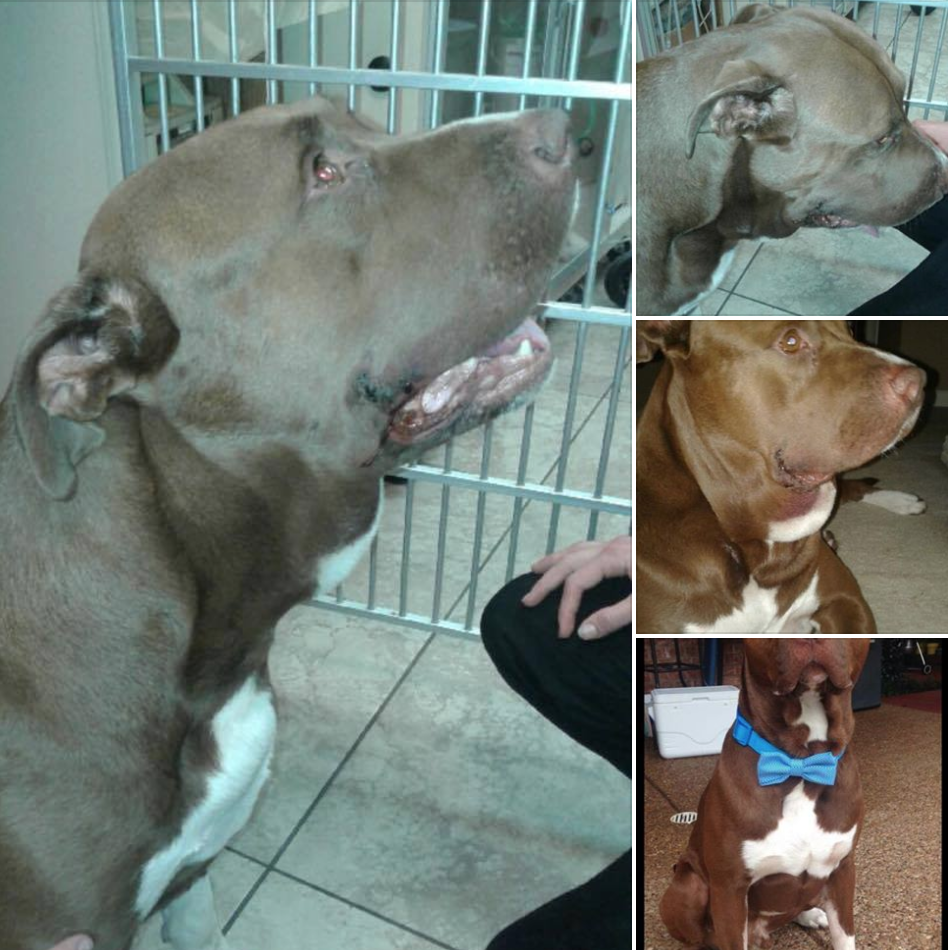
While inspecting the field, officers examined Hurley for signs of injury. The physical toll of the encounter was immediately apparent:
- Hurley was bleeding from his muzzle.
- His neck and facial tissues had begun to swell rapidly.
- He was foaming at the mouth, a common physiological response to systemic stress and envenomation.
Officers identified two distinct puncture wounds on Hurley’s upper lip, confirming a successful bite from the venomous snake.
Recognizing the life-threatening nature of the bite, Shelby rushed Hurley to the Denton Animal Emergency Hospital. Upon admission, veterinary staff immediately initiated emergency protocols for pit viper envenomation.
The primary clinical concern was the potential development of coagulopathy—a condition where the blood’s ability to clot is severely impaired, leading to internal hemorrhaging. Hurley was hospitalized overnight, during which veterinary clinicians monitored his blood clotting profiles and managed his pain and swelling.
Recovery and Aftermath
Against critical odds, Hurley’s body responded favorably to the medical treatment. By the following morning, his coagulation metrics had stabilized sufficiently to allow for his discharge.
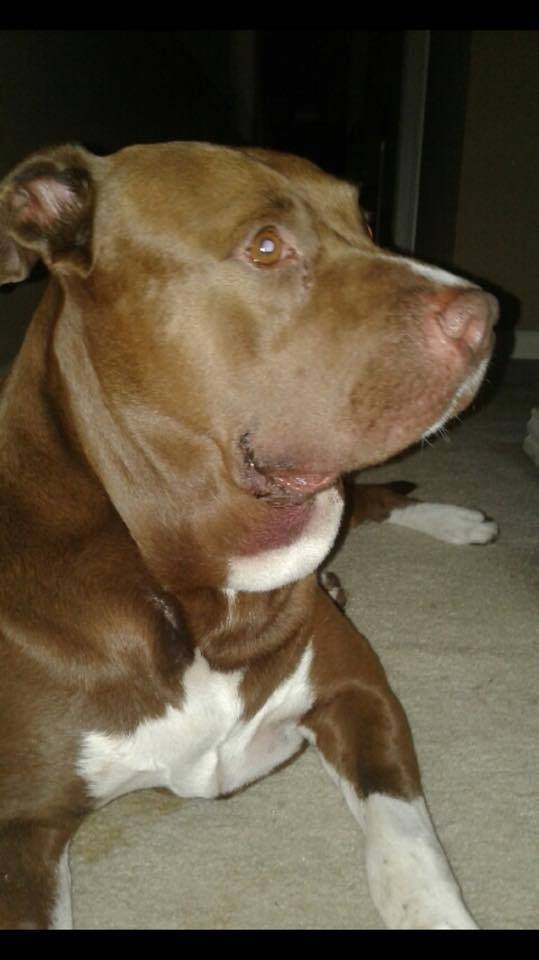
Though he returned home with significant facial and cervical swelling and visible physical discomfort, his prognosis remained excellent. Subsequent investigations of the encounter site suggested the young boy had inadvertently stumbled upon a copperhead nest, meaning Hurley’s intervention likely prevented multiple, potentially lethal bites to the child.
Supporting Context & Metrics
To understand the broader implications of this event, it is necessary to examine the biological, veterinary, and sociological contexts that define it.
The Biology of the Copperhead Threat
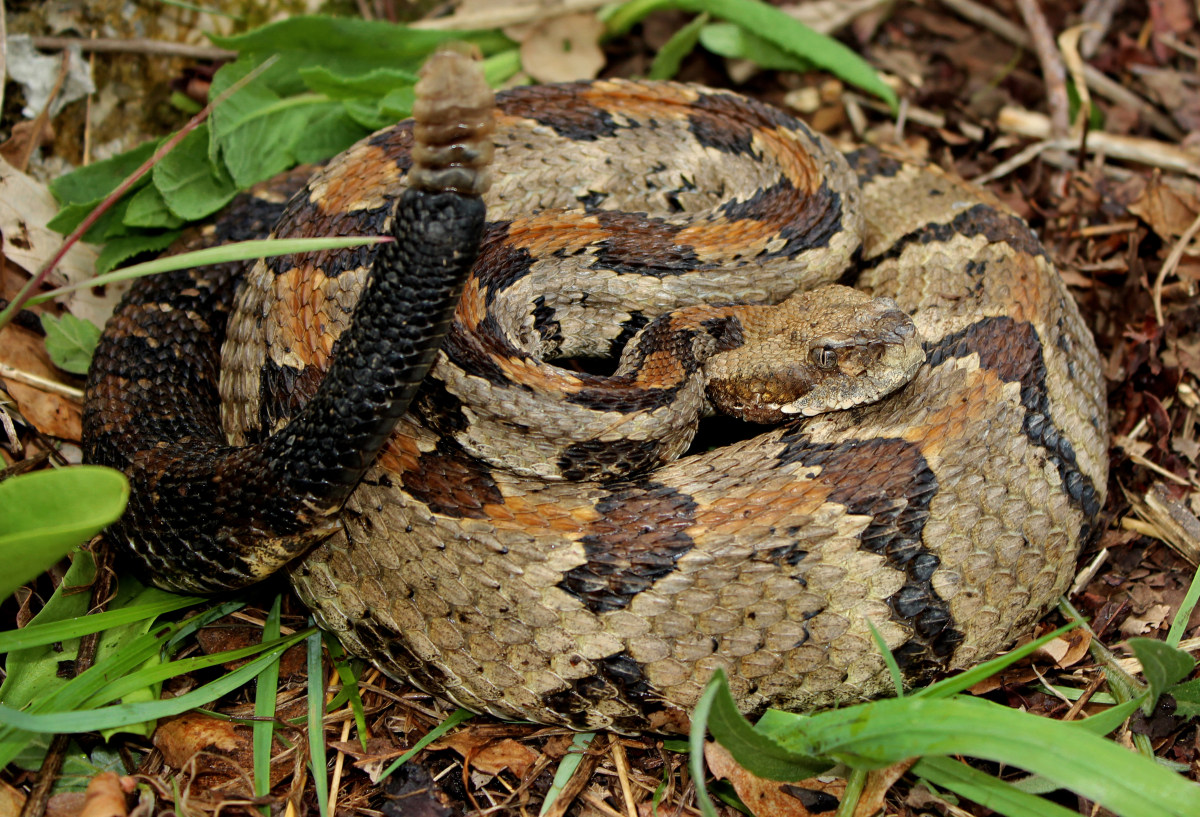
The copperhead (Agkistrodon contortrix) is a species of venomous pit viper native to North America, highly prevalent in the wooded and suburban areas of North Texas.
          [Copperhead Venom: Hemotoxic Polypeptides]
                             |
         +-------------------+-------------------+
         |                                       |
[Tissue Destruction / Necrosis]       [Coagulopathy / Hemorrhage]
         |                                       |
         +-------------------+-------------------+
                             |
[Severe Localized Edema]- Venom Composition: Copperhead venom is primarily hemotoxic, meaning it breaks down red blood cells and tissue, disrupts blood clotting, and causes localized tissue damage (necrosis).
- The "Nest" Hazard: While snakes do not build nests in the mammalian sense, they do gather in communal dens (hibernacula) or cluster in shaded, high-moisture areas during hot Texas nights. A child stumbling into such an area faces a high risk of defensive strikes from multiple snakes.
- Pediatric Vulnerability: Due to their lower body mass, children are highly susceptible to the systemic effects of snake envenomation, making Hurley’s intervention potentially lifesaving.
Deconstructing the Pit Bull Stigma
The term "Pit Bull" does not refer to a single breed but rather a classification of dogs that includes the American Pit Bull Terrier, American Staffordshire Terrier, and Staffordshire Bull Terrier. Hurley, a Pit Bull-Labrador mix, represents a common crossbreed.
+-----------------------------------------------------------------------------+
|                      CANINE TEMPERAMENT PASSING RATES                       |
|                 (Source: American Temperament Test Society)                 |
+-----------------------------------------------------------------------------+
| Labrador Retriever              ||||||||||||||||||||||||||||||||||||| 92.2% |
| American Pit Bull Terrier       |||||||||||||||||||||||||||||||||||   87.4% |
| Border Collie                   |||||||||||||||||||||||||||||||||     82.1% |
| Miniature Poodle                ||||||||||||||||||||||||||||||        77.9% |
+-----------------------------------------------------------------------------+
Despite public perception casting these dogs as inherently aggressive, behavioral testing consistently challenges this stereotype. According to data from the American Temperament Test Society (ATTS), American Pit Bull Terriers maintain a passing rate of approximately 87.4%, outperforming several traditionally "family-friendly" breeds, including the Miniature Poodle (77.9%) and the Border Collie (82.1%).
Hurley’s protective behavior align with the breed’s historical traits of high loyalty, courage, and a strong drive to protect companions.
Viral Analytics and Digital Reach
The digital footprint of Hurley’s story illustrates the power of social media in shifting public perception. Published on the prominent community platform Love What Matters, the post quickly transformed into a viral phenomenon:
- Total Shares: Exceeded 300,000 within weeks of publication.
- Engagement: Generated millions of impressions and tens of thousands of comments across Facebook, Instagram, and canine advocacy forums.
- Primary Sentiment: Overwhelmingly positive, with a focus on dismantling Breed-Specific Legislation (BSL) and celebrating canine heroism.
Official Statements and Public Reaction
The incident drew widespread commentary from family members, local authorities, and the global online community.
Family Testimony
In her viral Facebook post, Shelby’s sister emphasized the broader societal implications of Hurley’s actions:
"My brother was walking his pit bull lab mix, Hurley, in our neighborhood field around 10 pm… Hurley took off after the scream… With my brother close behind, he saw Hurley grab a copperhead snake away from the little boy and fling it around… We are assuming because they left so fast that he was bitten and being rushed to the ER… Here’s our hero pit bull. I’d like for his story to get around for those who judge his breed."
Community and Online Response
The story prompted an outpouring of support from veterinary professionals, animal rights advocates, and the general public. On social media, users praised Hurley’s bravery while noting the irony of a stereotyped breed acting as a protector:
"Hurley is a true hero. Bless his sweet heart for saving that little boy. This shows that a dog’s character is shaped by their heart and training, not the labels society places on them."
— Verified Social Media Comment
Veterinary representatives from the region also used the opportunity to educate pet owners on snakebite safety, emphasizing that immediate veterinary care, as Shelby provided, is critical to surviving venomous bites.
Future Outlook
The narrative of Hurley the Pit Bull mix serves as a reference point for several ongoing discussions regarding animal welfare, community safety, and breed advocacy.
                          [The Hurley Effect]
                                   |
         +-------------------------+-------------------------+
         |                                                   |
[Legislative Progress]                           [Educational Advocacy]
   - Challenge BSL                                  - Coexistence with Wildlife
   - Promote Individual Assessment                  - Snake Aversion Training
Legislative Reform and Breed-Specific Legislation (BSL)
Advocates plan to use Hurley’s story as case evidence in the ongoing fight against Breed-Specific Legislation. Currently, numerous municipalities and housing complexes across the United States maintain strict bans on Pit Bull-type dogs.
Organizations like the Best Friends Animal Society and the ASPCA continue to advocate for laws that evaluate dogs based on individual behavior rather than breed classification. Heroic accounts like Hurley’s provide tangible, emotional, and practical arguments against blanket breed bans.
Coexistence with Suburban Wildlife
As suburban development continues to expand into natural habitats in North Texas, encounters between humans, domestic pets, and venomous wildlife are projected to rise.
This incident highlights the necessity of public education regarding seasonal snake activity. Wildlife management experts recommend that pet owners in high-risk areas consider snake aversion training for their dogs and maintain vigilance during nighttime walks, particularly during the warm spring and summer months when pit vipers are most active.
Ultimately, Hurley’s recovery and his actions stand as a testament to the profound bond between humans and dogs, proving that heroism knows no breed.