
Published: September 17, 2026
Organization: Alley Cat Allies
Executive Overview
The landscape of animal advocacy is experiencing a profound transformation, characterized by legislative battles, local grassroots activism, and high-stakes legal interventions. In September 2026, advocacy organization Alley Cat Allies found itself at the center of multiple critical fronts across the United States and its territories. From legislative chambers in Puerto Rico and Michigan to municipal council meetings in California and criminal courts in Florida, the battle to protect community cats and defend the rights of their human caregivers has reached a pivotal juncture.
Building on monumental victories—such as the hard-fought defense of the community cats of Paseo del Morro against the U.S. National Park Service—Alley Cat Allies is leveraging its institutional expertise to shape progressive animal welfare policy globally. Recent developments underscore a dual imperative: promoting humane, science-based population management frameworks like Trap-Neuter-Return (TNR) while aggressively combating animal cruelty, arbitrary feeding bans, and bureaucratic overreach.
This comprehensive report details the organization’s ongoing interventions, legislative evaluations, and legal support initiatives throughout September 2026, offering a rigorous look at the state of community cat advocacy today.
Detailed Chronology of Events
1. Puerto Rico: A New Legislative Push for Humane Coexistence
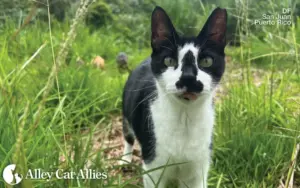
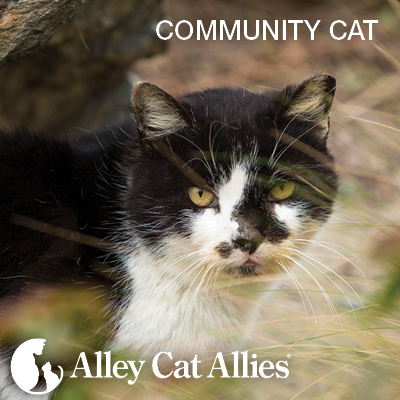
Following a historic victory protecting the community cats of Paseo del Morro from federal displacement, Alley Cat Allies has successfully galvanized a new wave of lifesaving policy initiatives within Puerto Rico. The momentum generated by international advocacy has resonated directly with the territory’s lawmakers.
In September 2026, Alley Cat Allies formally reached out to Puerto Rico legislators to extend congratulations on the chamber passage of House Bill / Proyecto de la Cámara 1192 (H.B./P.C. 1192). This landmark legislation formally recognizes and supports Trap-Neuter-Return (TNR) as an integral component of a broader, compassionate strategy to foster community coexistence.
To ensure the bill translates into effective, enforceable protections, Alley Cat Allies has offered its comprehensive expertise, policy guidance, and operational support to local lawmakers. The overarching goal is to fortify legal safeguards for both community cats and the dedicated volunteers who feed and monitor them.
2. Biscayne Park, Florida: Demanding Accountability in Cruelty Prosecution
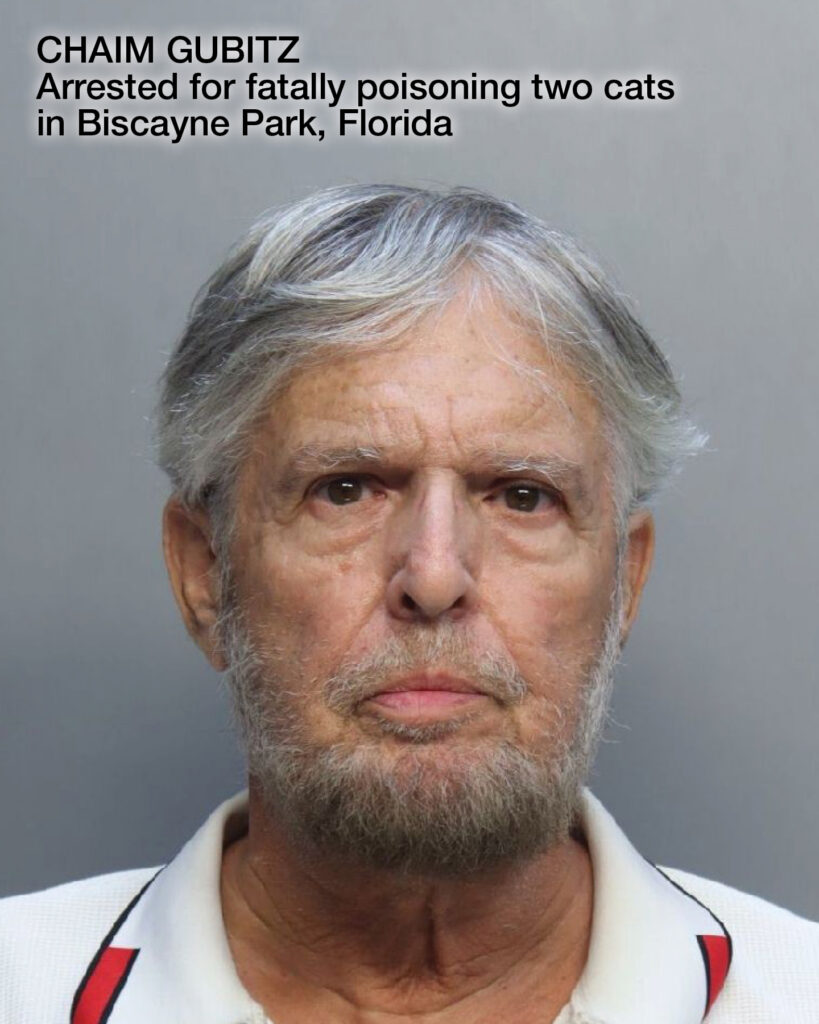
In the judicial arena, Alley Cat Allies has thrown its full weight behind the prosecution of Chaim Gubitz, a Florida resident arrested and formally charged with felony animal cruelty following the brutal poisoning of two domestic cats in Biscayne Park.
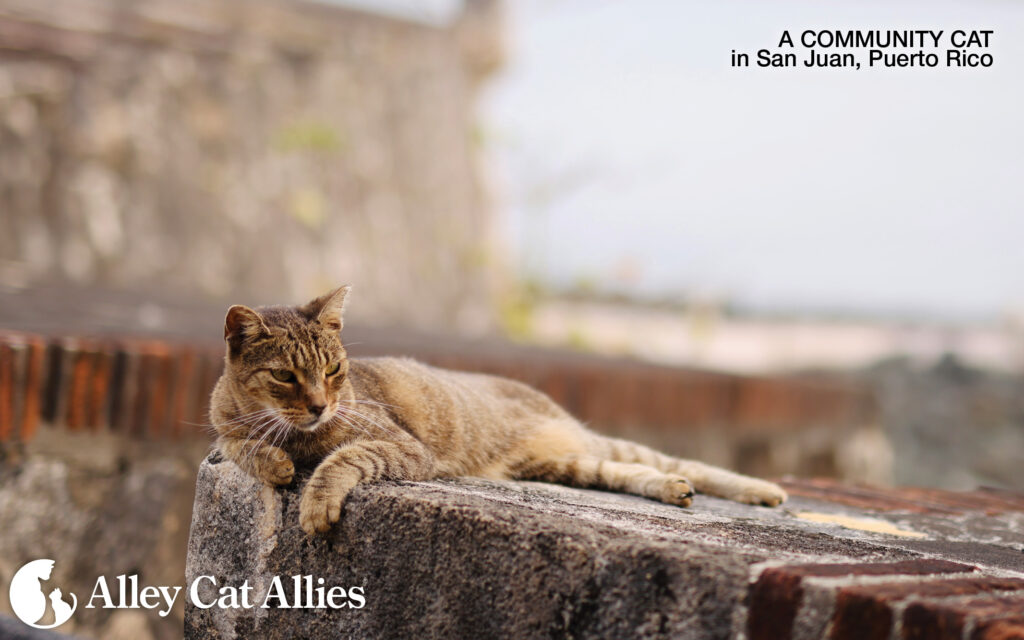
According to investigative findings and surveillance evidence, Gubitz was allegedly captured on camera placing trays of poisoned food along a property fence line accessible to his neighbor’s pets. The victims, two beloved cats named Little and Stella, ingested the toxin and suffered fatal consequences. Poisoning is widely recognized by veterinary professionals as one of the most agonizing causes of death, inducing prolonged and extreme physical suffering.
Recognizing the severity of the crime, Alley Cat Allies formally contacted the prosecuting attorney handling the case, urging the court to pursue the maximum possible sentence. Furthermore, the organization has made its specialized animal cruelty experts available to assist the prosecution, signaling a zero-tolerance stance on the intentional poisoning of animals under the guise of nuisance abatement.
3. Ripon, California: Defeating Harmful Feeding Bans at the Municipal Level
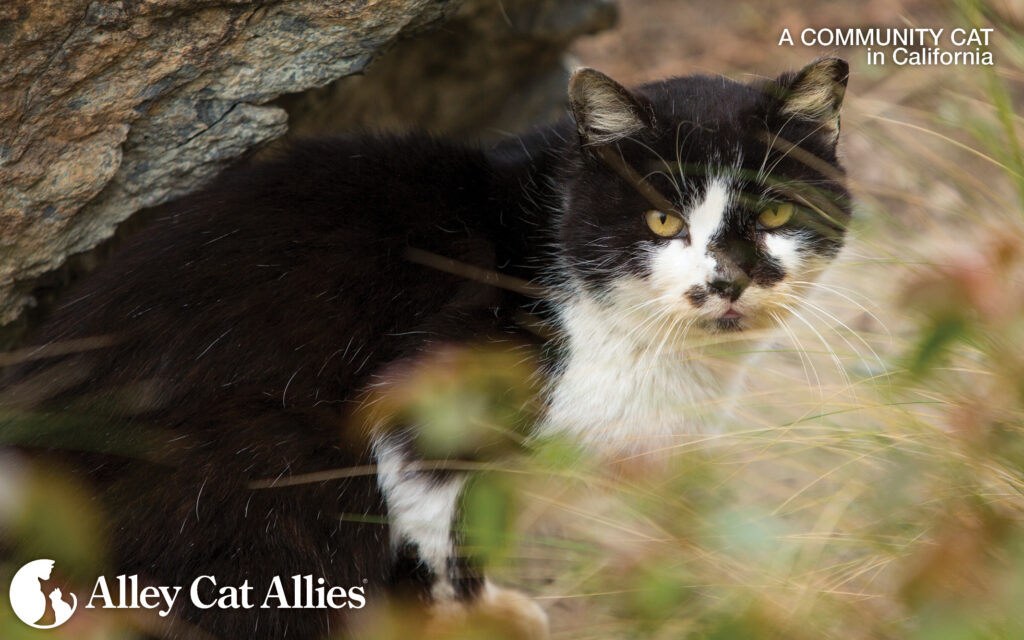
Municipal legislative threats continue to challenge community cat caretakers on the West Coast. In August 2026, the Ripon City Council introduced Ordinance 939, a measure designed to explicitly ban the feeding of cats on public property.
Alley Cat Allies intervened immediately, submitting a formal statement of strong opposition to councilmembers and detailing why feeding bans are inherently cruel, counterproductive, and ineffective at reducing cat populations. The intervention yielded immediate dividends: a city councilmember reached out directly to the organization requesting guidance on how to formally oppose the ban and pivot toward the implementation of a municipal TNR program.
The legislative battle culminated on September 8, 2026, when an impassioned coalition of Ripon residents packed the city council chambers to defend community cats and advocate for TNR. Faced with united community resistance and expert opposition, the Ripon City Council voted to postpone Ordinance 939 for major revisions.
However, vigilance remains necessary; the city is simultaneously weighing a mandatory registration requirement that activists warn could create a chilling effect on volunteer participation in TNR programs. Alley Cat Allies continues to maintain an active dialogue with key municipal decision-makers to ensure that punitive measures are stripped from any final text.
4. Lansing, Michigan: Strengthening Statewide TNR Legislation
At the state level, Michigan is considering a significant shift in its statutory approach to animal welfare. Over the summer, Representative Jason Morgan introduced House Bill 6317 (HB 6317), designed to establish and promote Trap-Neuter-Return programs statewide.
While Alley Cat Allies commended Representative Morgan for his commitment to modernizing Michigan’s animal management policies, the organization’s legal and policy teams conducted a rigorous review of the bill’s text to identify potential operational bottlenecks. Several provisions were flagged as potential administrative barriers that could inadvertently hinder volunteer-driven TNR efforts.
In response, Alley Cat Allies submitted formal recommendations to Representative Morgan, offering expert amendments designed to clarify legal definitions and streamline program implementation. The organization continues to monitor HB 6317 closely as it navigates the legislative pipeline, ensuring that the final statute provides unambiguous protection for community cats, caregivers, and municipal partners alike.
Supporting Context & Metrics: The Science of TNR and the Threat of Feeding Bans
To understand the weight of these legislative battles, one must examine the empirical data surrounding community cat management strategies. For decades, traditional municipal approaches relied on "catch-and-kill" or impoundment policies. Decades of data compiled by animal behaviorists and epidemiologists have proven these methods to be ineffective, expensive, and inhumane.
Why Trap-Neuter-Return (TNR) is the Gold Standard
- Population Stabilization: TNR humanely stabilizes community cat populations by permanently ending the reproductive cycle. Sterilized cats no longer contribute to the kitten population.
- Reduction of Nuisance Behaviors: Spaying and neutering drastically reduces or eliminates behaviors associated with mating, such as yowling, fighting, and territorial spraying.
- The "Vacuum Effect": Removing cats from a given area simply creates a vacuum, drawing in unsterilized cats from surrounding territories. TNR maintains a stable, fixed colony of healthy, vaccinated cats that defend their territory against newcomers.
The Fallacy of Feeding Bans
As demonstrated in Ripon, California, municipalities occasionally attempt to resolve localized complaints by criminalizing the feeding of outdoor cats. Alley Cat Allies’ research consistently demonstrates that feeding bans fail because:
- Starvation is Not Population Control: Hungry cats do not simply vanish; they roam further in search of refuse, often coming into greater conflict with humans and urban wildlife.
- Deterrence of Caregivers: Bans criminalize the very volunteers who trap, vaccinate, and monitor the cats, effectively dismantling the infrastructure required to manage the population humanely.
- Public Health Risks: When caretakers are driven underground, vaccination rates plummet, undermining public health protections against rabies and other zoonotic diseases.
Official Statements and Expert Guidance
The multifaceted nature of these campaigns requires robust communication between advocacy organizations, lawmakers, and the public. Alley Cat Allies has released several foundational documents and resource pages in conjunction with these September 2026 events:
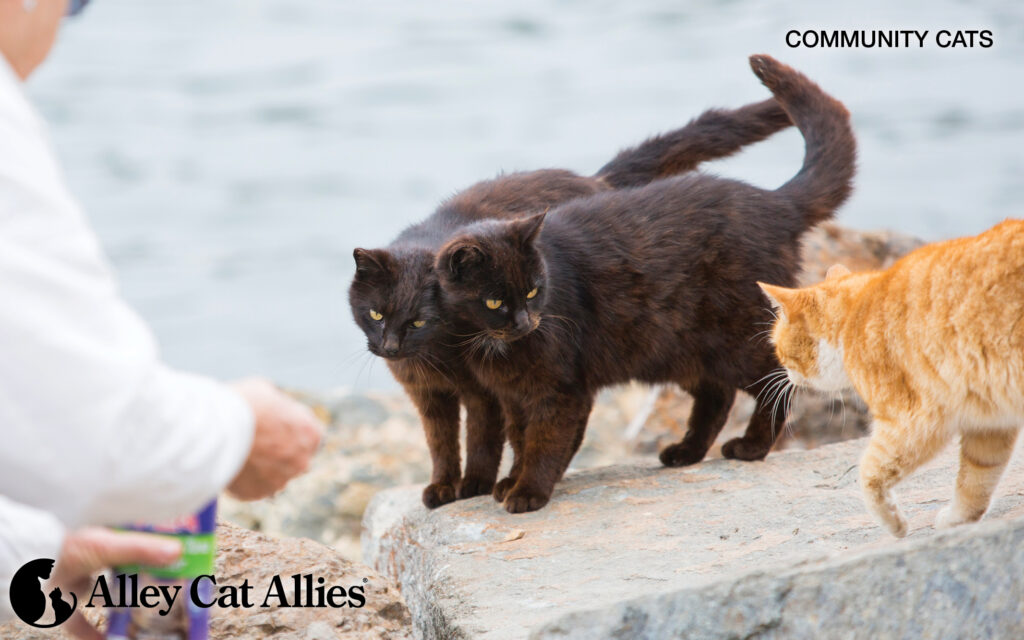
- On Puerto Rico (P.C. 1192): "We are offering our expertise, guidance, and support to ensure strong protections for community cats and the people who care for them… The voices and generosity of our supporters made the difference every step of the way!"
- On Animal Cruelty in Florida: "Poisoning is an especially disturbing cause of death that causes its victims extreme suffering. To leave out poison for any animal IS cruelty." The organization has directed the public to review identification symptoms and emergency intervention protocols at alleycat.org/Poison.
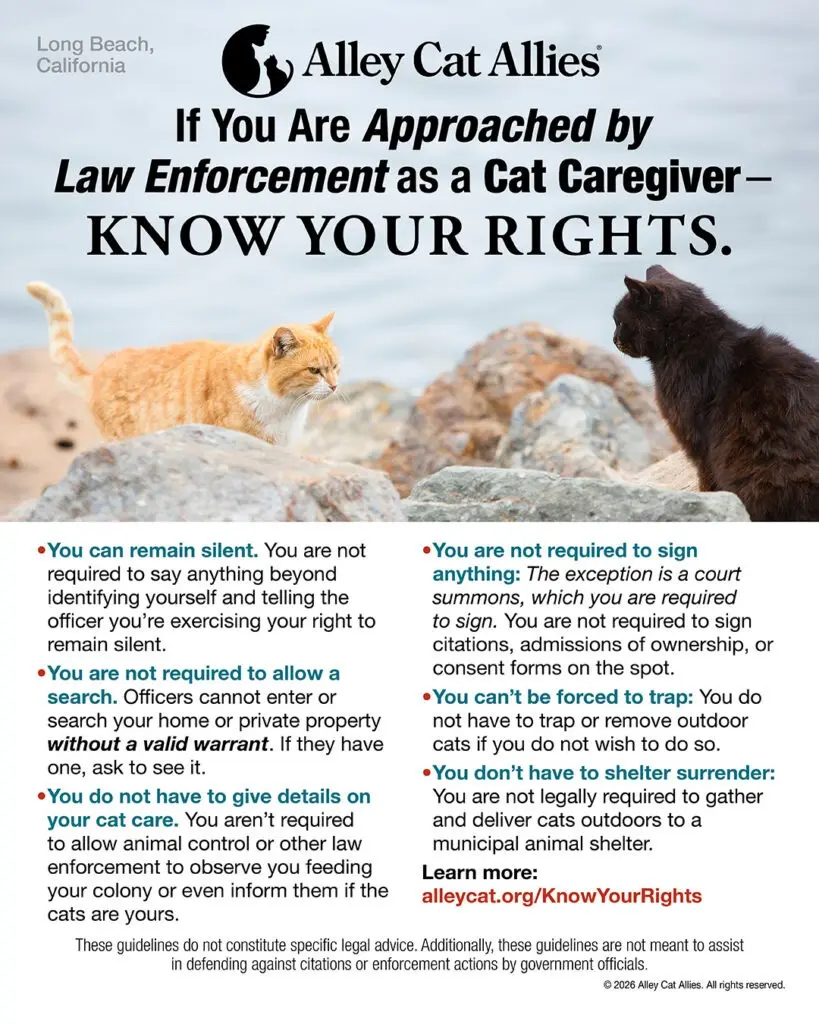
- On Civil Liberties and Caregiver Protections: Emphasizing that advocacy requires legal literacy, Alley Cat Allies has actively promoted its "Know Your Rights" initiative. Caregivers frequently face unwarranted harassment, trespassing accusations, or municipal citations. Educational resources have been deployed to clarify the legal standing of animal guardians under U.S. law, accessible via alleycat.org/KnowYourRights. (Note: These resources are for informational purposes and do not constitute formal legal counsel).
Future Outlook
As the animal advocacy movement progresses through the remainder of 2026 and looks toward the future, the roadmap is clear. The convergence of legislative victories in Puerto Rico, legal accountability in Florida, municipal defenses in California, and proactive bill amendments in Michigan proves that community-led, evidence-based advocacy yields tangible results.
However, challenges persist. The introduction of restrictive registration mandates in Ripon and the necessity of fine-tuning statewide legislation in Michigan indicate that opponents of humane cat management continue to seek legislative workarounds. Alley Cat Allies remains steadfast in its mission. By mobilizing grassroots supporters, supplying decision-makers with rigorous empirical data, and holding perpetrators of animal cruelty accountable in a court of law, the organization is steadily building a world where every community cat is valued, protected, and allowed to thrive.