In an era where digital media and celebrity culture wield unprecedented influence over public behavior, animal welfare organizations are continually forced to evolve their outreach strategies. The landscape of pet adoption has long relied on traditional shelter visits and local community engagement. However, the paradigm is shifting toward high-profile partnerships, immersive media experiences, and progressive policy changes designed to break down long-standing barriers between prospective pet owners and rescue animals.
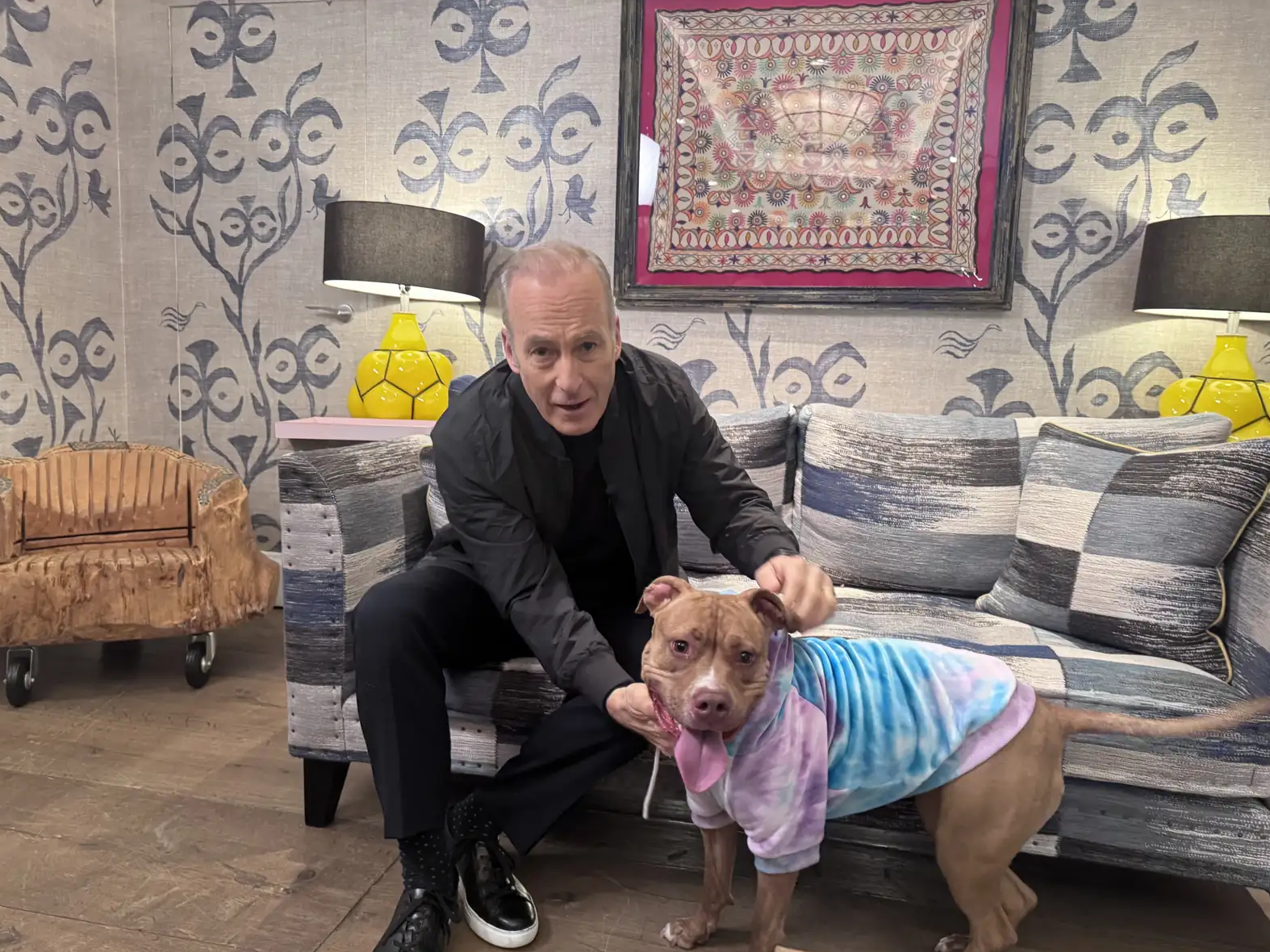
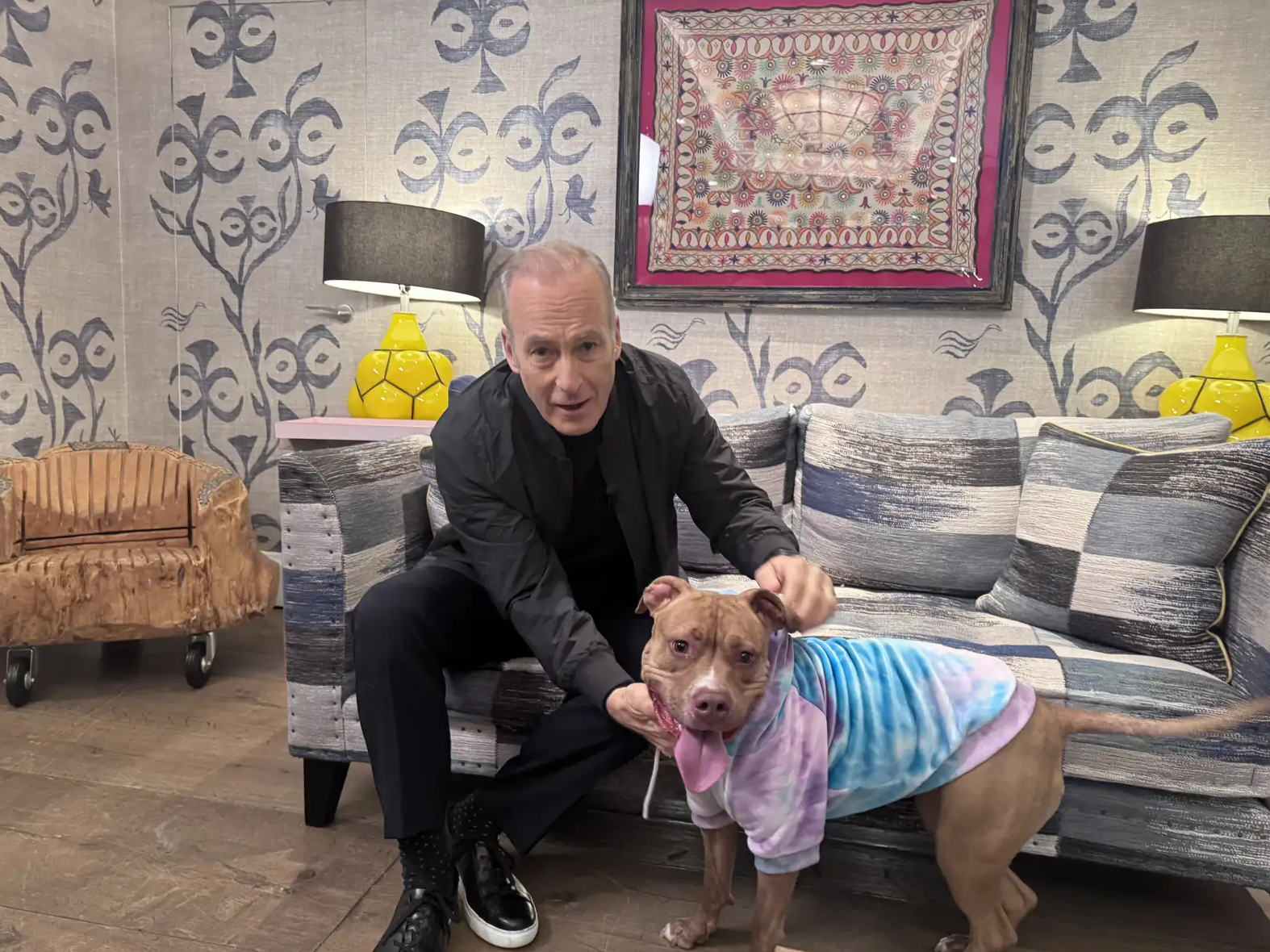
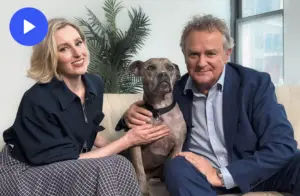
A prominent example of this contemporary shift is found in the innovative collaborations championed by organizations like Muddy Paws Rescue, alongside landmark media features such as The Dodo’s exclusive celebrity dream dates. By pairing household names—such as recent segments featuring Mariska Hargitay and Bob Odenkirk—with compelling advocacy formats, animal rescue groups are successfully capturing a broader, more diverse audience.
Beyond high-concept media stunts, the modern animal rescue ecosystem is undergoing a philosophical transformation. Shelters are increasingly adopting progressive internal policies, such as the implementation of "Flex Adoption" programs, streamlined digital registration processes, and the strategic removal of subjective breed labels. These reforms are not merely cosmetic; they represent a fundamental pivot toward data-driven, empathy-based placement strategies that prioritize individual animal temperaments over generalized stereotypes. This report provides an in-depth examination of these evolving trends, analyzing how celebrity influence, institutional policy reform, and digital transparency are redefining the future of animal rescue in North America.
Detailed Chronology: Milestones in Modern Animal Advocacy
The trajectory of modern rescue marketing and operational reform can be mapped through a series of key milestones that highlight how advocacy has matured over recent years. Organizations have moved away from passive rescue models toward aggressive, multi-channel public relations and operational transparency.
The Evolution of Adoption Transparency (2021–2022)
June 2021: Muddy Paws Rescue initiated a pivotal conversation within the animal welfare community by officially announcing the removal of traditional breed labels for its adoptable dogs. Recognizing that visual identification of mixed-breed dogs is notoriously inaccurate—and often perpetuates harmful stigmas associated with specific "bully breeds" or perceived aggressive lineages—the organization shifted focus toward behavioral assessments and individual personalities.
October 2021: To combat hesitation among first-time or nervous adopters, the rescue rolled out the "Flex Adoption" framework. This initiative was designed to give hesitant families a structured, temporary transition window, alleviating the high-pressure anxiety often associated with permanent shelter commitments.
September 2022: Operational efficiency caught up with progressive philosophy when the organization overhauled its digital infrastructure, launching a new-and-improved adoption registration system. This streamlined portal dramatically reduced friction points for prospective owners, modernizing an application process that had historically been bogged down by archaic paperwork and communication bottlenecks.
High-Profile Collaborations and Media Recognition (2025–2026)
October 2025: High-end fashion intersected with philanthropic rescue work when luxury fashion house Oscar de la Renta launched an exclusive dog bow line in collaboration with digital pet influencer @SimonSits. A designated portion of the proceeds directly benefited Muddy Paws Rescue, proving that luxury brands could successfully leverage their cachet for grassroots animal welfare.
May 2026: Mainstream lifestyle validation arrived when TimeOut formally named Muddy Paws Rescue one of the "Best Places to Adopt," cementing the organization’s reputation as a gold standard in urban animal rescue.
June 2026: Expanding on its cultural footprint, the organization gained widespread viral traction through exclusive digital media partnerships—most notably highlighted by The Dodo’s celebrity dream date features. These segments, which recently brought together beloved cultural icons such as Mariska Hargitay and Bob Odenkirk, utilized lighthearted, star-powered storytelling to draw massive web traffic and emotional investment toward rescue animals in need of permanent homes.
Supporting Context & Metrics: The Mechanics of Modern Rescue
To understand why initiatives like Flex Adoptions and celebrity-driven media campaigns are so vital, one must examine the broader socio-economic and psychological challenges facing contemporary animal shelters.
The Psychology of Adoption Hesitation
Market research within the animal welfare sector consistently shows that a significant percentage of potential pet owners experience profound anxiety regarding compatibility, financial commitment, and behavioral unpredictability. Traditional rescue models often present adoption as an all-or-nothing proposition: an adopter visits a facility, selects an animal, and signs a binding contract. If unforeseen behavioral issues arise within the first week, the stress on both the human and the animal can lead to failed placements and subsequent returns to the shelter system.
Flex Adoption programs directly combat this attrition rate. By offering structured trial periods or foster-to-adopt frameworks, shelters provide a psychological safety net. Metrics across organizations utilizing flexible placement models indicate a notable increase in successful, long-term retention rates. When adopters feel supported rather than scrutinized, their confidence grows, translating into more stable homes for rescued animals.
The Fallacy of Breed Labels
For decades, physical appearance has dictated how shelters market dogs. A dog with a blocky head or muscular build is frequently labeled as a "Pit Bull mix," triggering municipal breed-specific legislation (BSL), insurance restrictions, and deeply ingrained societal biases. Scientific studies, including research published by the Journal of Applied Animal Welfare Science, have repeatedly demonstrated that visual breed identification by shelter staff—and even veterinarians—frequently contradicts DNA analysis.
By removing breed labels entirely, organizations like Muddy Paws Rescue have dismantled a major psychological barrier for adopters. Instead of scrolling through listings based on preconceived notions of a breed’s temperament, adopters are forced to read individual biographies detailing energy levels, sociability with children, house-training status, and quirks. Early data from shelters implementing similar blind-label strategies show an increase in adoption rates for mixed-breed dogs that would otherwise linger in facilities due to arbitrary labeling.
The Amplification Effect of Celebrity Media
In the digital age, organic reach is difficult to secure without significant capital. Animal rescues, which typically operate on razor-thin non-profit budgets, rarely possess the advertising funds necessary to compete with commercial pet retail. This is where strategic media partnerships—such as those facilitated by The Dodo—play an irreplaceable role.
When cultural icons like Mariska Hargitay and Bob Odenkirk participate in media segments centered around animal rescue, they activate massive cross-demographic fan bases. These campaigns transcend traditional shelter marketing by embedding the welfare message within popular culture. Digital analytics from these partnerships consistently reveal spikes in website traffic, newsletter subscriptions, and social media engagement, proving that star power remains one of the most effective conversion tools for non-profit fundraising and adoption advocacy.
Official Statements and Industry Perspective
The evolution of modern rescue practices has sparked significant dialogue among industry leaders, animal behaviorists, and cultural advocates.
Reflecting on the psychological shift required in modern sheltering, a prominent spokesperson for contemporary urban rescue operations noted:
"We cannot expect modern adopters to navigate outdated, high-friction systems and expect modern results. Animal rescue is no longer just about pulling dogs off the street; it is about building a bridge of empathy and trust between the community and the animal. When we remove arbitrary barriers—whether that is a judgmental application process, misleading breed labels, or the fear of a permanent commitment gone wrong—we open the door for everyone to become a rescuer."
Furthermore, media creators who collaborate with shelter networks emphasize the urgency of innovative storytelling. A senior producer working within digital animal advocacy platforms highlighted the core philosophy driving celebrity-centric outreach:
"People connect with stories, not statistics. When you watch respected figures like Mariska or Bob interact with this mission, it humanizes the entire concept of rescue. It tells the public that caring for a shelter animal isn’t a chore or a compromise—it is a joyful, culturally rich experience that belongs in the mainstream conversation."
Industry analysts point out that these collective efforts—ranging from high-end fashion collaborations like the Oscar de la Renta bow line to hyper-local foster innovations—signal a mature, sophisticated phase of the animal welfare movement. Shelters are no longer isolated operations; they are active cultural brands collaborating with luxury designers, digital media giants, and television icons to effect systemic change.
Future Outlook: Where Animal Rescue Is Headed
As the landscape of animal welfare continues to adapt to technological advancements and shifting cultural norms, several clear trends are emerging for the coming decade.
Hyper-Personalized Digital Matching: The integration of artificial intelligence and advanced data analytics will likely revolutionize how shelters match pets with adopters. Moving beyond simple keyword searches, future adoption platforms will utilize algorithmic compatibility scoring based on lifestyle, housing constraints, and daily activity levels.
De-stigmatization of Mixed Breeds: The precedent set by removing breed labels will likely become an industry standard. As DNA testing becomes more affordable and reliable, shelters will increasingly present dogs as unique individuals, effectively neutering the discriminatory impacts of historical breed biases.
Mainstream Corporate Partnerships: The success of initiatives like the Oscar de la Renta and @SimonSits collaboration demonstrates that high-end fashion and lifestyle brands see tangible value in aligning with ethical animal rescue. Expect an increase in cross-industry ventures where luxury commerce directly subsidizes grassroots rescue operations.
The Expansion of Flexible Housing Models: As urban centers face ongoing rental crises and pet-restrictive housing policies, rescues will need to double down on flex-adoptions, temporary fostering networks, and community pet-retention programs to keep animals out of shelters altogether.
In summary, the modern animal rescue movement has transcended the gloomy, austere shelter stereotypes of the past. Through a combination of progressive policy reform, digital modernization, and the undeniable pull of celebrity advocacy, organizations are proving that saving animals can be both deeply compassionate and culturally vibrant. As these innovative strategies continue to scale, the future looks markedly brighter for rescue animals and the human communities striving to protect them.