
Executive Overview
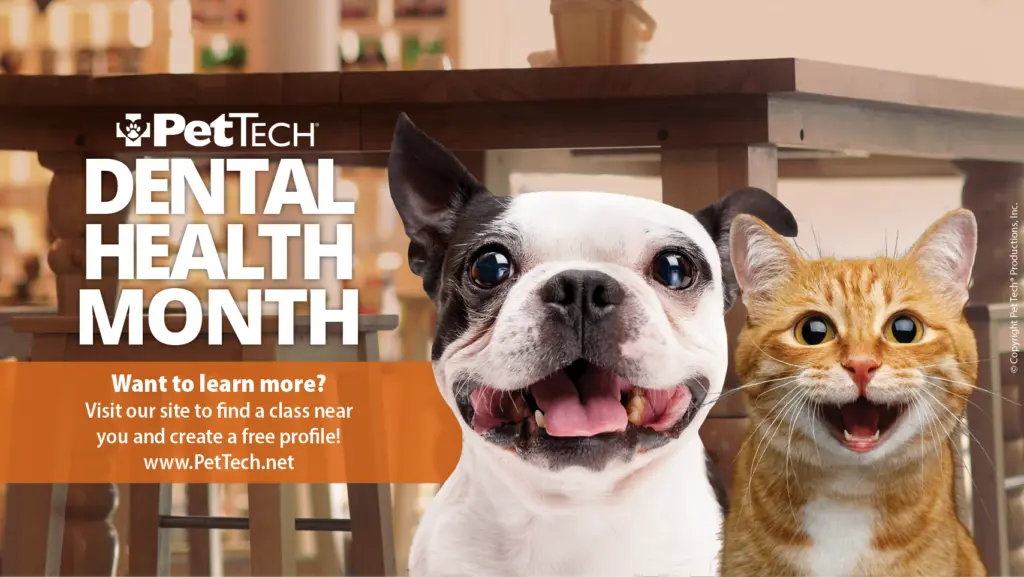
February marks a critical observance in the global veterinary calendar: National Pet Dental Health Month. While pet owners readily prioritize high-grade nutrition, regular exercise, and parasite prevention, oral hygiene remains one of the most chronically neglected aspects of companion animal husbandry. This oversight is not merely a matter of aesthetic concern or unpleasant odors; it represents a profound threat to the systemic health, longevity, and overall quality of life of our dogs and cats.
According to data compiled by the American Veterinary Dental Society (AVDS), an alarming statistic looms over the pet care community: more than 80% of dogs and 70% of cats show clinical signs of periodontal disease by the time they reach three years of age. This silent epidemic begins innocuously with plaque accumulation, which quickly mineralizes into tartar. Left unchecked, this pathological cascade triggers severe gingivitis, painful tissue destruction, tooth loss, and—most dangerously—the systemic dissemination of bacteria into the bloodstream.
Modern veterinary science has definitively linked poor oral health to severe secondary complications affecting the heart, liver, and kidneys. Despite these severe risks, misconceptions persist. Many pet parents continue to dismiss "doggie breath" or "kitty breath" as a harmless quirk of pet ownership rather than recognizing it as an urgent distress signal from the oral cavity. Addressing this crisis requires a paradigm shift in veterinary advocacy, moving routine home dental care and professional cleanings from an optional luxury to an indispensable pillar of responsible pet parenthood.
Detailed Chronology: The Pathological Progression of Pet Dental Disease
Understanding how a clean mouth transforms into a site of chronic infection requires examining the biological timeline of dental disease in companion animals. The deterioration of a pet’s oral health is a progressive, multi-stage process that accelerates rapidly in the absence of mechanical intervention.
Phase One: The Genesis of Plaque (Days 1–3)
Within hours of a professional dental cleaning or a thorough home brushing, a thin, colorless film known as the acquired pellicle coats the teeth. This film is composed of proteins derived from saliva. Almost immediately, oral bacteria begin to colonize this protein matrix. By day two or three, this accumulation transforms into soft, sticky dental plaque. Composed of live bacteria, food debris, and salivary components, plaque coats the exposed surfaces of the teeth, particularly along the gumline.
Phase Two: Mineralization and Tartar Formation (Days 4–7)
If plaque is not disrupted by mechanical brushing or abrasive chewing, it interacts with the minerals present in the pet’s saliva. Within less than a week, this soft film undergoes mineralization, hardening into calculus, commonly referred to as tartar. Unlike plaque, which can be easily wiped away, tartar is a rough, porous substance that firmly bonds to the enamel. Its rough surface provides an ideal, protected breeding ground for even more bacteria to accumulate, compounding the problem exponentially.
Phase Three: Gingivitis and Soft Tissue Inflammation (Weeks to Months)
As tartar builds up above and below the gumline, it exerts constant mechanical pressure and introduces bacterial toxins directly to the gingival tissue. The body’s immune system mounts an inflammatory response, leading to clinical gingivitis. At this stage, the pet’s gums transition from a healthy "bubble gum" pink to a swollen, angry red. They may bleed easily during eating or grooming. While gingivitis is painful, it is critical to note that this stage is entirely reversible with professional intervention and subsequent home care.
Phase Four: Advanced Periodontitis and Systemic Threat (Years)
When gingivitis is ignored, the inflammation extends beyond the superficial gum tissue to the deeper periodontal structures—the periodontal ligament, cementum, and alveolar bone. The body’s immune response, combined with bacterial enzymes, begins to destroy the bone anchoring the teeth in place. Pockets form around the roots, trapping more bacteria and accelerating bone loss. Teeth become mobile, painful, and eventually fall out or require extraction. Concurrently, the microscopic blood vessels in the inflamed gums rupture every time the pet chews, allowing millions of bacteria to enter the circulatory system and seed infections in distant organs such as the heart valves, kidneys, and liver.
Supporting Context & Metrics: The Anatomy of Neglect and Risk Factors
To effectively combat periodontal disease, pet parents and veterinary professionals must analyze the underlying contributing factors that accelerate or mitigate oral decay. The manifestation of dental disease is not uniform across the entire pet population; it is heavily influenced by a confluence of physiological, behavioral, and environmental variables.
1. Age and Genetic Predisposition
While periodontal disease can develop in young animals, age remains a primary multiplier of risk. As pets age, the cumulative lifetime exposure to plaque and the natural wear of the dental structures make them inherently more susceptible. Furthermore, genetics play an undeniable role. Small-breed dogs—such as Yorkshire Terriers, Chihuahuas, Maltese, and Toy Poodles—suffer disproportionately from early-onset periodontal disease. Their skulls feature crowded teeth in smaller jaws, creating tight interdental spaces where plaque accumulates at an accelerated rate. Brachycephalic breeds (such as Pugs and Bulldogs) also face heightened risks due to misaligned teeth and jaw configurations.
2. The Impact of Diet, Nutrition, and Treats
The ongoing debate surrounding dry kibble versus soft or canned diets highlights a major factor in pet dental health. Historically, many assumed that dry kibble provided a mechanical scraping action that kept teeth clean. Veterinary research has nuanced this view: standard commercial kibble shatters almost instantly upon contact with the tooth, offering minimal cleaning benefit unless specifically engineered as a prescription dental diet with a specialized physical matrix designed to scrub the tooth surface before breaking.
Conversely, soft, mushy foods and sticky treats leave heavy residues that adhere to the teeth, fostering rapid bacterial proliferation. Incorporating veterinarian-approved dental chews, raw carrots (in moderation), or specialized dental diets can significantly alter the oral microbiome and reduce calculus accumulation.
3. Toys and Enrichment: The Dual Benefit of Chewing
Chewing is a natural, instinctive behavior for both dogs and cats. Beyond providing vital mental stimulation and alleviating anxiety, appropriate chewing activity stimulates salivary flow, which naturally buffers acids and washes away food particles. However, pet parents must exercise caution. Extremely hard items—such as real bones, antlers, nylon bones, and cow hooves—frequently cause slab fractures of the carnassial teeth, exposing the pulp cavity and leading to agonizing dental abscesses. Safe, pliable rubber toys and Veterinary Oral Health Council (VOHC)-accepted chew products offer the mechanical benefits of chewing without the fracture risks.
Official Statements and Veterinary Consensus
The veterinary community has unified around the message that preventative dental care is non-negotiable. Professional organizations worldwide emphasize that oral healthcare must be integrated into the core wellness protocols of every veterinary practice.
Dr. Sarah Jenkins, a board-certified veterinary dentist and spokesperson for the American Veterinary Dental Society (AVDS), emphasizes the deceptive nature of oral pain in companion animals:
"One of the greatest misconceptions we encounter in clinical practice is the belief that a pet is fine because they are still eating. Animals possess an evolutionary instinct to mask pain and weakness to avoid appearing vulnerable to predators. A dog or cat with severe, stage-four periodontitis, mobile teeth, and chronic oral abscesses will often continue to eat their dry kibble out of sheer necessity, enduring agonizing pain with every bite. When we perform full-mouth extractions and eliminate that source of infection, owners are routinely astounded by the radical transformation in their pet’s demeanor. They describe their older pets acting like playful puppies again, simply because the relentless, systemic burden of dental pain has been lifted."
Furthermore, the World Small Animal Veterinary Association (WSAVA) released a global dental guidelines statement underscoring that anesthesia-free dental cleanings—frequently marketed by non-veterinary grooming salons—are entirely cosmetic, ineffective, and potentially dangerous. Without general anesthesia, veterinarians cannot safely scale beneath the gumline where the destructive periodontal disease actually occurs, nor can they perform comprehensive diagnostic dental radiography to identify hidden root abscesses and bone resorption.
Future Outlook: The Evolution of Preventative Pet Care
Looking toward the future, the landscape of veterinary dentistry is shifting rapidly from reactive treatment to proactive prevention and precision medicine. The integration of advanced diagnostics and client education is paving the way for a healthier generation of pets.
Technological Innovations in Diagnostics and Home Care
Veterinary clinics are increasingly adopting digital dental radiography as a standard component of routine cleanings. Because over 60% of a dog or cat’s tooth structure lies hidden beneath the gumline, visual inspection alone misses the majority of pathology. Advanced imaging allows veterinarians to catch root resorption, periapical abscesses, and early bone loss long before they manifest as external symptoms.
Concurrently, the consumer pet product market has seen an explosion of VOHC-accepted prophylactic tools. Enzymatic toothpastes, water additives containing plaque-inhibiting agents, specialized dental diets, and custom oral sealants are giving pet parents unprecedented control over their animals’ microbiomes. The normalization of daily home brushing is no longer viewed as an impossible chore, but rather as an essential bonding ritual—akin to how humans view their own twice-daily hygiene habits.
Empowering the "Ultimate Pet Parent"
Becoming an elite, proactive pet guardian extends far beyond feeding premium food and administering monthly parasite preventatives. It requires a commitment to monitoring oral hygiene, recognizing the subtle warning signs of decay, and committing to a structured dental regime.
Pet owners are increasingly turning to comprehensive education platforms, taking specialized courses in pet first aid, CPR, and holistic care that encompass dental health modules. By dismantling the myth that bad breath is normal and embracing a partnership with their veterinarians for both annual ultrasonic cleanings and daily home maintenance, pet parents can successfully spare their animal companions from the systemic ravages of periodontal disease.
As National Pet Dental Health Month reminds us year after year, a healthy smile is the direct gateway to a longer, happier, and pain-free life for our four-legged family members.