
Executive Overview
In an era dominated by rapid media cycles, algorithm-driven content, and high-production digital marketing, internet culture occasionally pauses to celebrate something beautifully simple. In late 2026, a single TikTok video achieved viral ubiquity by bridging the gap between millions of years of prehistoric history and contemporary domestic pet culture.
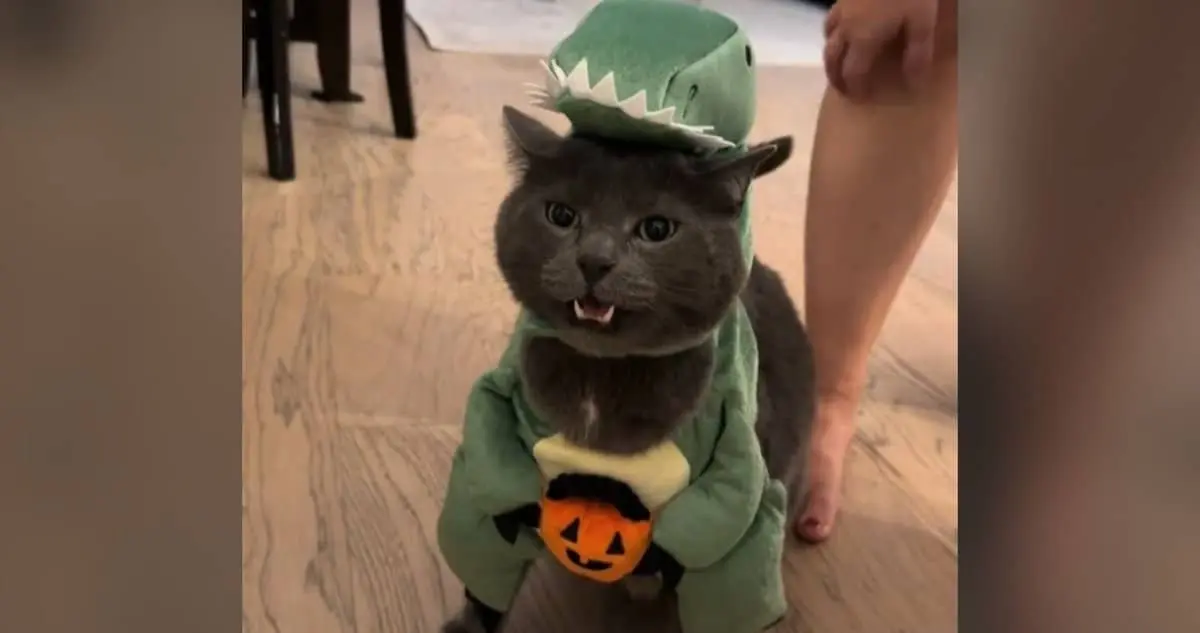
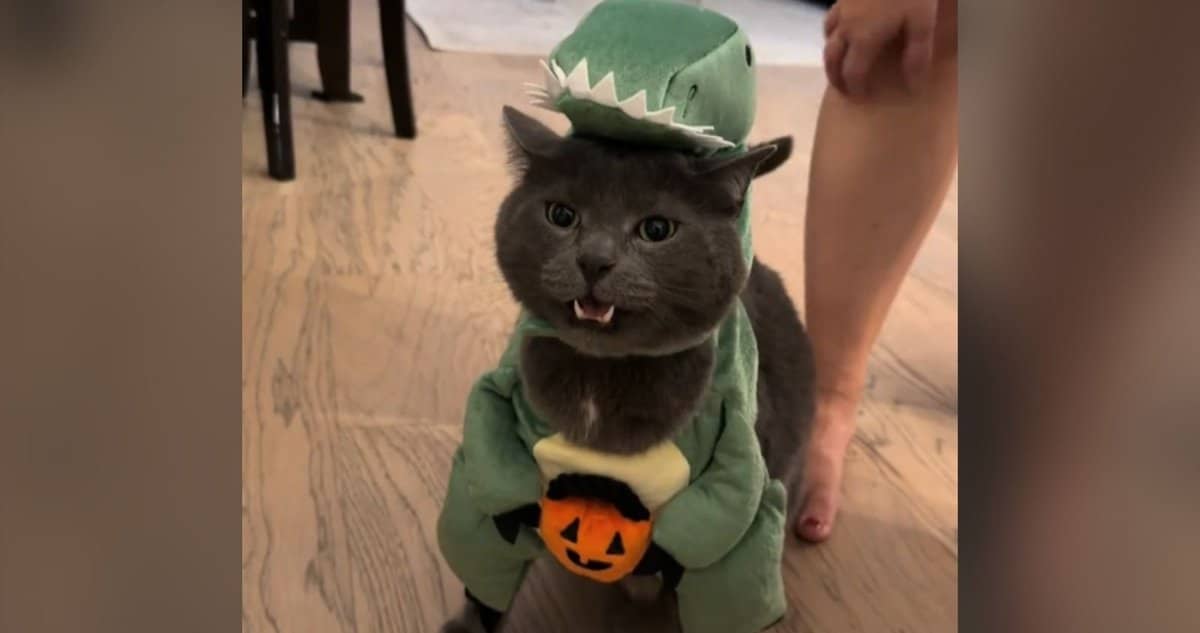
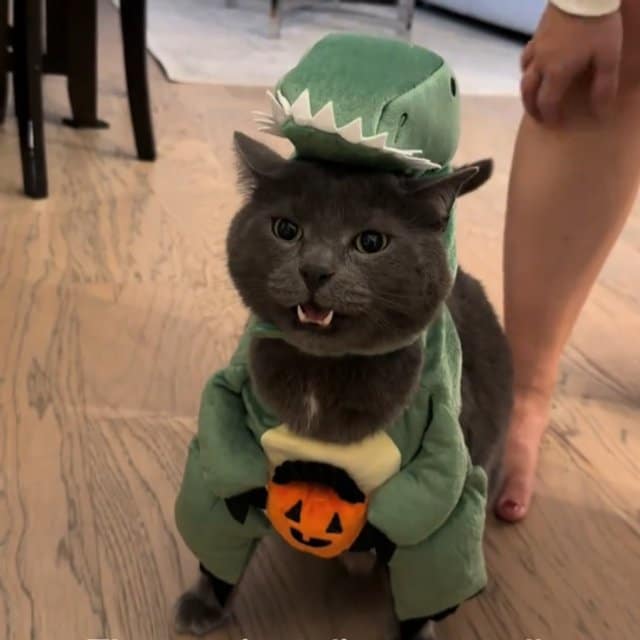
The subject of this phenomenon is an unassuming feline clad in a meticulously tailored, vibrant green miniature dinosaur costume. In the brief, highly replayable clip, the cat opens its mouth wide to deliver a dramatic, surprisingly resonant vocalization. This auditory performance is punctuated by the unmistakable, endearing exposure of tiny, imperfect fangs.
This article provides a comprehensive journalistic examination of the viral phenomenon. We explore the chronology of the video’s ascent, the mechanics of online humor and community engagement, the nuances of feline communication, and the ethical responsibilities inherent in dressing domestic animals for digital entertainment. By evaluating public reactions, expert insights into animal behavior, and the broader context of pet influencer culture, this report uncovers why a simple feline "roar" resonated with millions worldwide.
Detailed Chronology: From Living Room Recording to Global Phenomenon
The trajectory of modern viral content often mirrors an unpredictable wildfire, moving swiftly from private domestic environments to global distribution channels within hours.
Phase One: Capturing the Moment
The genesis of the "dino-cat" video occurred in a residential living room, where the cat’s family outfitted their pet in a green dinosaur costume. Designed to evoke a miniature tyrannosaur or raptor—complete with dorsal plates and a soft fabric tail—the costume served as a theatrical prop. However, the true catalyst of the video was entirely unscripted: an impromptu vocalization by the cat.
As the camera rolled, the feline parted its jaws to deliver a dramatic sound. Rather than a fierce, bass-heavy predator’s cry, the audio yielded a uniquely feline vocal performance. Simultaneously, the cat’s upper and lower lips pulled back to reveal its tiny teeth, immediately catching the attention of the human filmer.
Phase Two: The TikTok Upload and Algorithmic Ignition
Uploaded to TikTok with minimal fanfare, the short-form video relied on the inherent comedic timing of the visual-audio mismatch. Within hours of publication, the platform’s recommendation algorithm identified high user engagement—marked by rapid loops, comment volume, and shares.
As the view count crossed the initial milestone of 100,000, the video transcended local algorithmic bubbles. It began appearing on the "For You" pages of international users across diverse demographics. The combination of high-definition visual clarity (captured via smartphone) and universally understood animal humor established a low barrier to entry for global audiences.
Phase Three: Cross-Platform Migration and Mainstream Penetration
By the end of its first week in the digital ecosystem, the clip had escaped the confines of TikTok. Content aggregators, pet-centric digital publications, and social media influencers on competing platforms—such as Instagram Reels and X (formerly Twitter)—began reposting, analyzing, and meme-ifying the footage.
Digital communities did what they do best: they iterated. Users synthesized the footage with mock nature documentary voiceovers, heavy metal soundtracks, and epic cinematic scores, transforming a simple pet video into a multi-layered cultural meme.
Supporting Context & Metrics: The Anatomy of Viral Pet Content
To understand why this specific video achieved such staggering reach, one must examine the quantitative and qualitative metrics driving modern pet culture on social media.
The Power of "Micro-Anomalies"
In the digital attention economy, audiences are continually saturated with polished, heavily edited content. Consequently, organic, low-stakes authenticity often outperforms corporate media. The "dino-cat" video succeeds because it relies on a micro-anomaly: the incongruity between a ferocious prehistoric predator costume and the innocent, domestic reality of a house cat.
| Element | Prehistoric Expectation | Domestic Reality |
|---|---|---|
| Aesthetic | Scaly, armored, apex predator | Soft, green fabric, harmless house pet |
| Vocalization | Earth-shattering predatory roar | Melodramatic feline meow/yowl |
| Dentistry | Serrated, flesh-ripping carnassials | "Snaggles" and adorably small fangs |
The Economy of the Comment Section
Much of the value generated by viral videos resides not in the primary content, but in the participatory culture of the comment section. In this instance, the audience rapidly transformed into a collaborative writers’ room.
- The Birth of "Snagglesaurus": One prominent viewer minted a new taxonomic classification for the creature, coining the portmanteau "Snagglesaurus," which quickly became a rallying cry for fans of the video.
- The Fascination with Dentition: Comment threads became entirely dedicated to the cat’s dental structure. Exclamations such as "His TOOF!" dominated top-tier comments, reflecting a broader internet obsession with animal anatomical quirks (a phenomenon well-documented in previous viral sensations featuring dwarfism-related vampire fangs in felines).
- Historical Satire: Other users leaned into playful absurdism, jokingly debating whether this exact species of tiny dinosaur could account for the Cretaceous-Paleogene extinction event, marrying high-school paleontology with modern shitposting.
Official Statements and Behavioral Analysis: Understanding the Feline Perspective
While the internet delighted in the comedic framing of a prehistoric beast, animal behaviorists and feline welfare advocates emphasize the importance of looking beyond the humor to interpret the animal’s actual state of well-being.
Decoding Feline Vocalizations
Cats communicate through a sophisticated matrix of vocalizations, scent markings, and body language. A sound that humans interpret as a "roar" or a dramatic statement is, biologically speaking, a message tailored for human ears or a reaction to an immediate environmental stimulus.
- Social Referencing: Domestic cats rarely meow at one another past kittenhood; instead, meowing is a specialized communication tool developed specifically to interact with humans. A dramatic vocalization often signals a request for food, attention, or a reaction to an unusual sensation.
- Discomfort vs. Expression: While some vocalizations indicate distress, pain, or frustration (such as low growls, hisses, or sharp yowls), others are benign demands for interaction. Behaviorists note that audio alone is insufficient for diagnosis; one must analyze the cat’s holistic physical posture.
- The Importance of Body Language: In the viral clip, determining the cat’s true comfort level requires observing subtle cues:
- Ear Position: Forward-facing, relaxed ears indicate engagement, whereas pinned-back ears signal fear or aggression.
- Postural Tension: A relaxed spine versus a crouched, defensive stance.
- Tail Movement: A neutral, upright tail versus a thrashing or tucked tail.
The Ethics of Animal Costumes
The widespread popularity of dressing pets in costumes—particularly around holidays like Halloween—brings ethical considerations to the forefront of modern pet ownership.
"While dressing a cat as a dinosaur yields undeniable comedic value for digital audiences, animal welfare organizations consistently urge pet parents to prioritize animal autonomy and comfort above aesthetic goals."
Veterinary behaviorists recommend adherence to specific safety and comfort guidelines when introducing costumes to companion animals:
- Duration of Wear: Costumes should be restricted to brief, supervised moments for photography or videography rather than extended periods.
- Range of Motion: Outfits must never restrict a cat’s vision, hearing, breathing, or natural mobility (such as walking and grooming).
- Behavioral Monitoring: If an animal exhibits signs of stress—such as freezing in place, frantic attempts to remove the garment, excessive panting, or dilated pupils—the costume should be removed immediately, regardless of whether a recording is finished.
Future Outlook: The Enduring Legacy of "Snagglesaurus"
As the immediate shock wave of the "dino-cat" video settles into the annals of internet history, what does this moment signify for the future of digital media and pet culture?
The Evolution of Pet Influencer Culture
The phenomenon demonstrates that pet creators do not need massive production budgets or professional studios to capture global attention. The democratization of content creation ensures that genuine, unscripted domestic humor will remain one of the internet’s most resilient exports. As algorithms continue to favor high-engagement, highly shareable formats, cats wearing humorous apparel will likely remain a fixture of digital feeds.
The Intersection of Science, Humor, and Empathy
Perhaps the most encouraging takeaway from the "Snagglesaurus" viral wave is the concurrent rise in public awareness regarding animal welfare. As millions of viewers laughed at the juxtaposition of a dinosaur costume and tiny fangs, they simultaneously engaged in discussions regarding feline body language, vocal communication, and the ethical treatment of pets in media.
Ultimately, this tiny prehistoric performer achieved something remarkable. In a digital landscape frequently divided by complex anxieties and fast-paced news cycles, millions of people paused to smile at a little gray cat embracing his inner apex predator—proving that the simplest joys of the animal kingdom will always find a welcome home on the internet.