
For decades, cultural mythology perpetuated the notion of the cat as a solitary, emotionally detached creature—a minimalist housemate that tolerated human presence merely as a means to an end. However, modern behavioral science and feline epidemiology have dismantled this caricature. Cats do not simply occupy physical space; they curate environments of warmth, synchronizing their daily rhythms with those of their human counterparts. Certain feline breeds possess an intrinsic emotional resonance, exhibiting a profound psychological and physical devotion that rivals the legendary loyalty of dogs.
This investigative report examines the psychological, physiological, and behavioral profiles of the fifteen most affectionate cat breeds in the world. Ranging from the limp relaxation of the Ragdoll to the heat-seeking dedication of the hairless Sphynx, these breeds challenge conventional wisdom regarding feline independence. By analyzing their temperaments, genetic inheritances, and socio-environmental requirements, we provide an authoritative guide for prospective pet parents, behaviorists, and animal welfare advocates seeking to understand the architecture of feline devotion.
Detailed Chronology & Breed Profiles: The 15 Most Affectionate Feline Companions
1. Ragdoll
- The Living Stuffed Animal
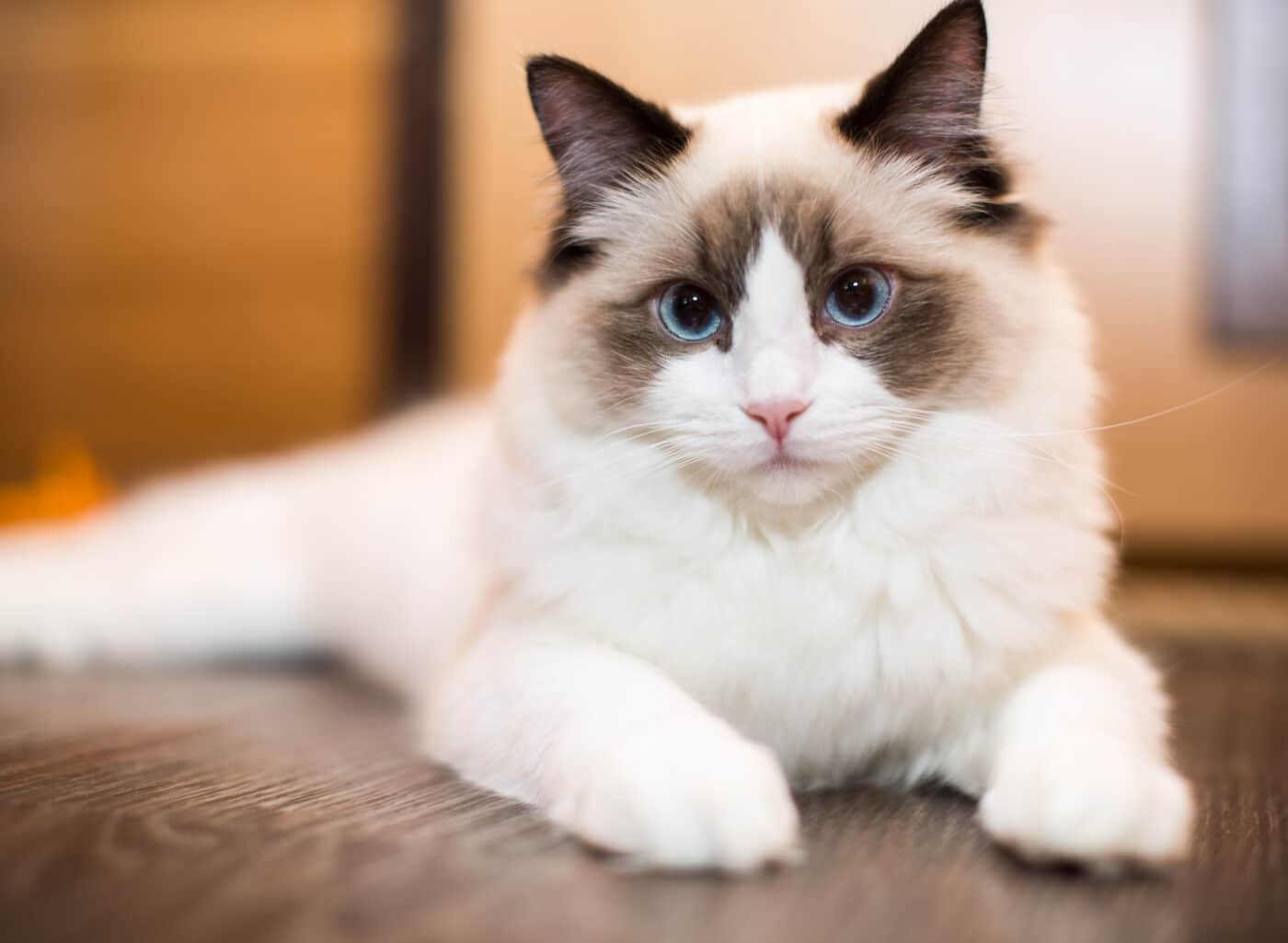
Named for their uncanny tendency to go completely limp and relaxed when scooped into human arms, Ragdolls represent the absolute pinnacle of easygoing feline temperament. Developed in California in the 1960s, this large semi-longhair breed possesses a striking blue-eyed gaze and a plush, rabbit-like coat.
Ragdolls exhibit a profound lack of aggression, rarely unsheathing their claws even under duress. Behaviorally, they shadow their human companions from room to room, greeting them at the threshold with quiet chirps. They are exceptionally tolerant of handling, making them ideal companions for multi-generational households, seniors, and anyone seeking a steadfast, non-destructive lap cat.
2. Maine Coon
- The Gentle Giant of the North
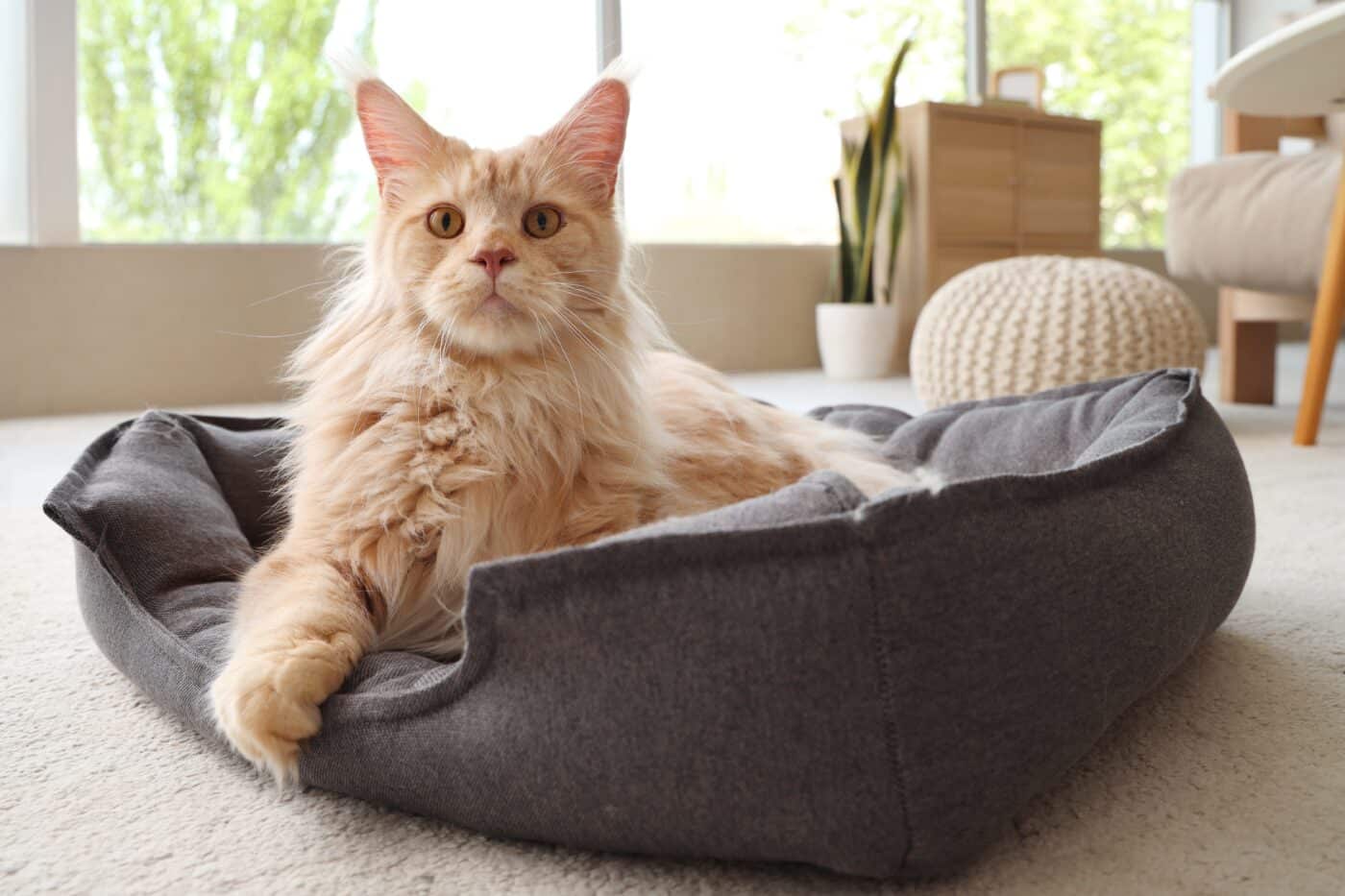
Originating as a hardy working cat in the rugged climate of New England, the Maine Coon is one of the largest domesticated feline breeds. Despite weighing up to twenty pounds, these magnificent cats possess a sweet, unassuming disposition that has earned them the moniker “gentle giants.”
Maine Coons display dog-like loyalty, frequently playing fetch, walking on leashes, and participating in family activities. They utilize a complex vocabulary of chirps and trills to communicate, preferring to station themselves immediately beside their chosen humans rather than isolating themselves in distant rooms.
3. Siamese
- The Vocal Diplomat
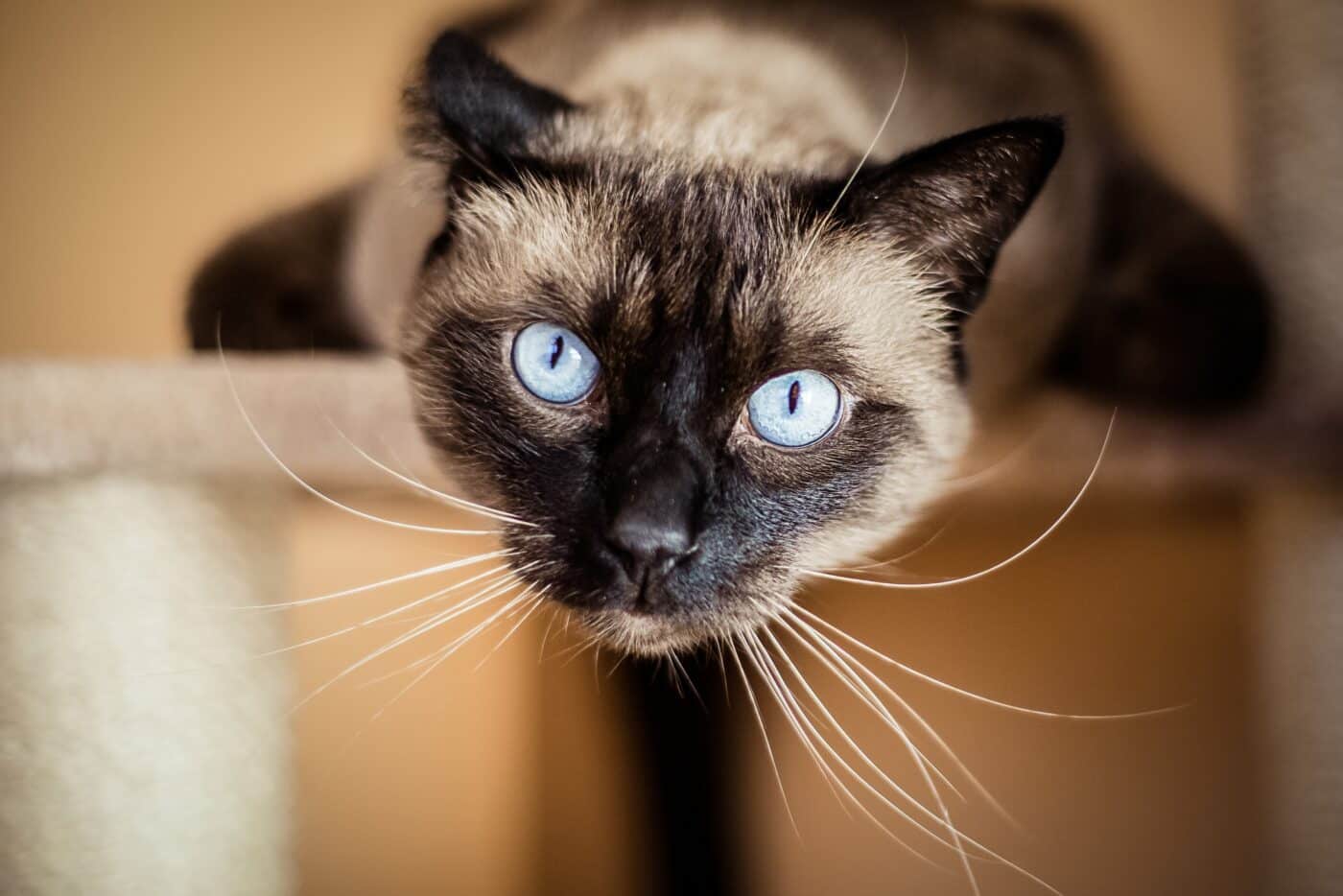
Few breeds command attention quite like the Siamese. With their signature color points, sapphire eyes, and sleek, athletic frames, Siamese cats are architectural marvels. Psychologically, they demand active participation in household life.
Renowned for their distinct, melodious vocalizations, Siamese cats articulate their opinions, grievances, and affection with unwavering persistence. They form intense, codependent bonds with their primary caregivers and experience severe separation anxiety if left isolated for extended periods. For those seeking an interactive, hyper-intelligent companion, the Siamese is peerless.
4. Burmese
- The Ultimate People-Oriented Companion
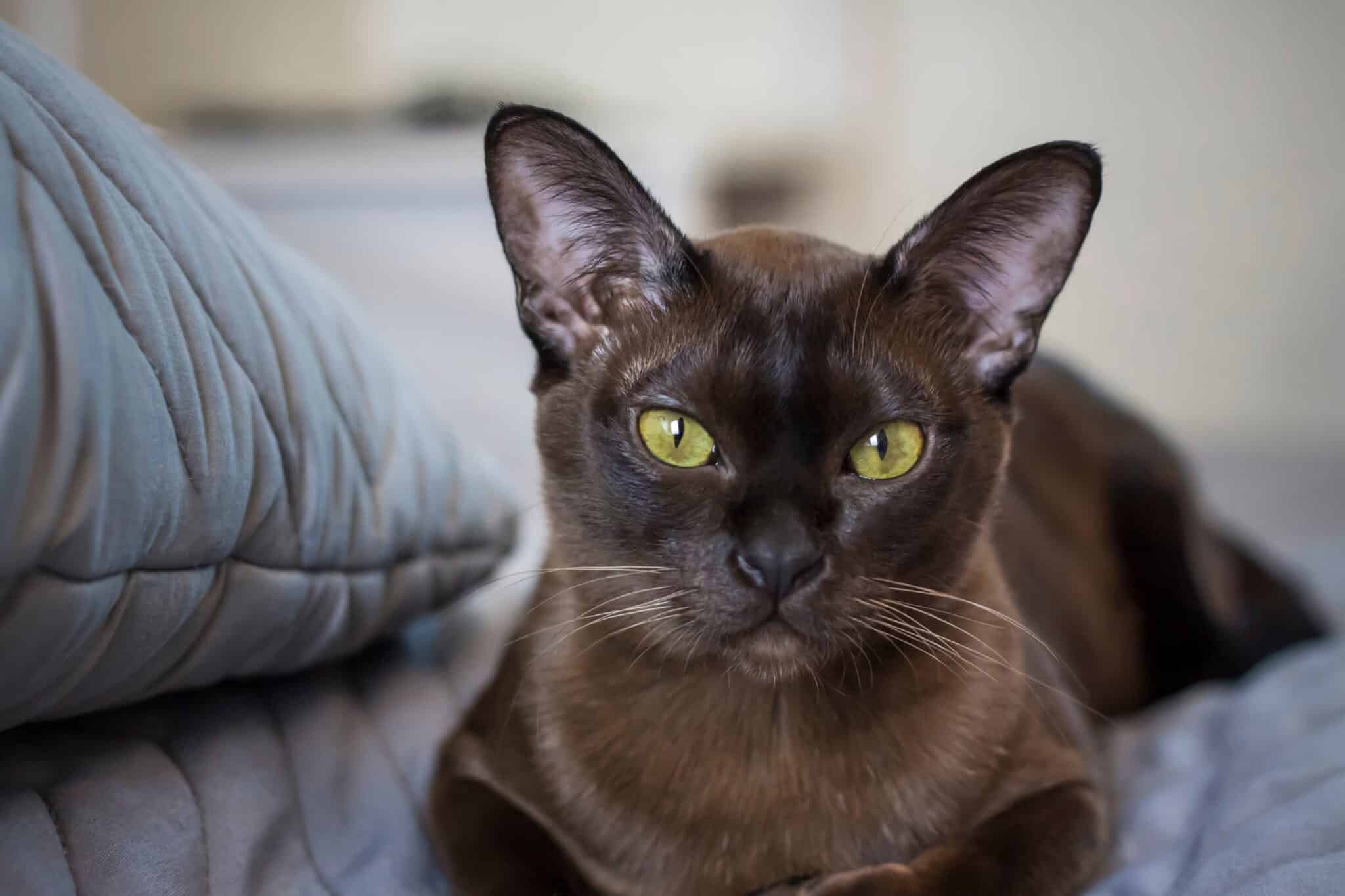
Originating from a single foundational cat brought from Burma to the United States in the 1930s, the Burmese is universally lauded as one of the most people-oriented breeds on record.
Burmese cats do not merely tolerate human presence; they integrate themselves into every facet of daily existence. Whether scaling a shoulder while cooking, supervising laptop work, or demanding lap space upon sitting, their silky, sable coats and golden eyes radiate warmth. They retain a mischievous, kitten-like playfulness well into their senior years.
5. Sphynx
- The Heat-Seeking Velvet Thermal
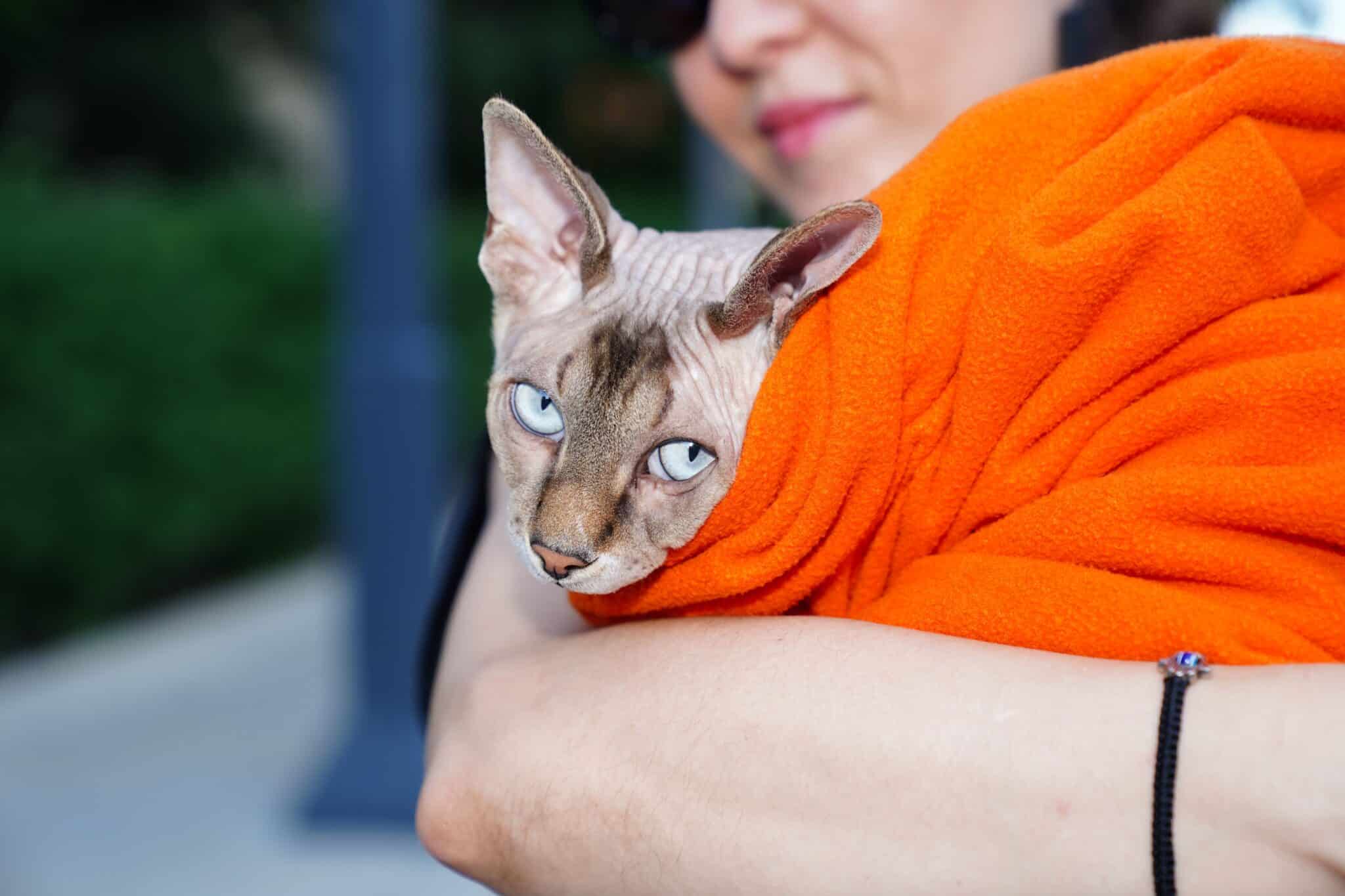
Stripped of the insulating barrier of fur, the hairless Sphynx relies entirely on environmental and human body heat to maintain its metabolic equilibrium. This physiological reality has forged an animal of extraordinary tactile affection.
Sphynx cats are relentless snugglers, burrowing under blankets, draping across chests, and sleeping pressed firmly against human skin. Beneath their wrinkled, suede-like exterior lies a gregarious, highly extroverted personality characterized by intense eye contact and an insatiable desire to be touched.
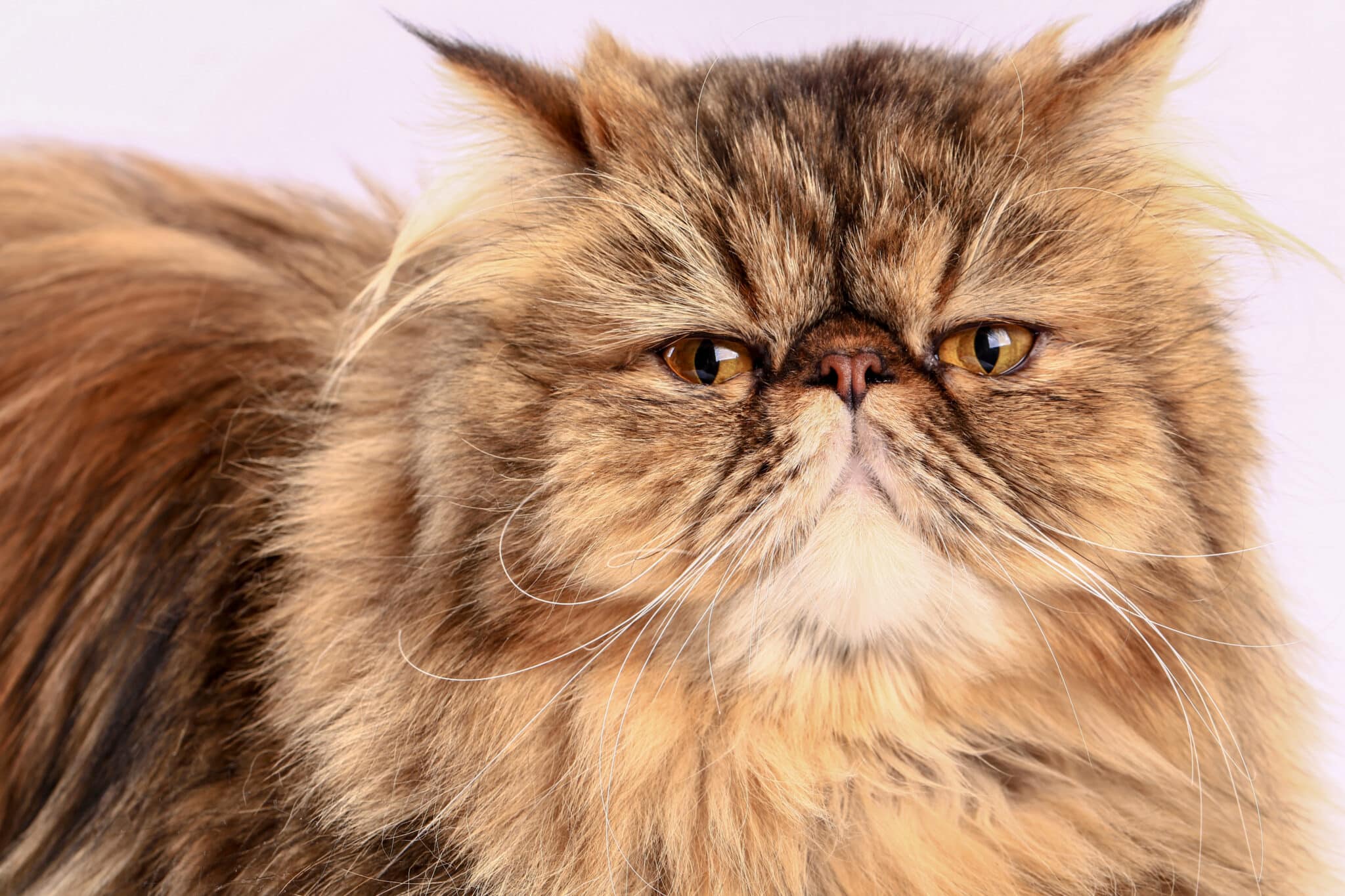
6. Persian
- The Aristocrat of Quiet Devotion
With their luxurious, high-maintenance coats and sweet, pansy-like faces, Persians embody serene elegance. Unlike high-octane breeds that demand constant physical engagement, the Persian offers a steady, meditative style of affection.
They prefer peaceful, predictable environments where they can recline gracefully beside their owners on a sofa. Their devotion is expressed through quiet proximity and gentle head-butts, making them the ultimate low-key companion for apartment dwellers and quiet households.
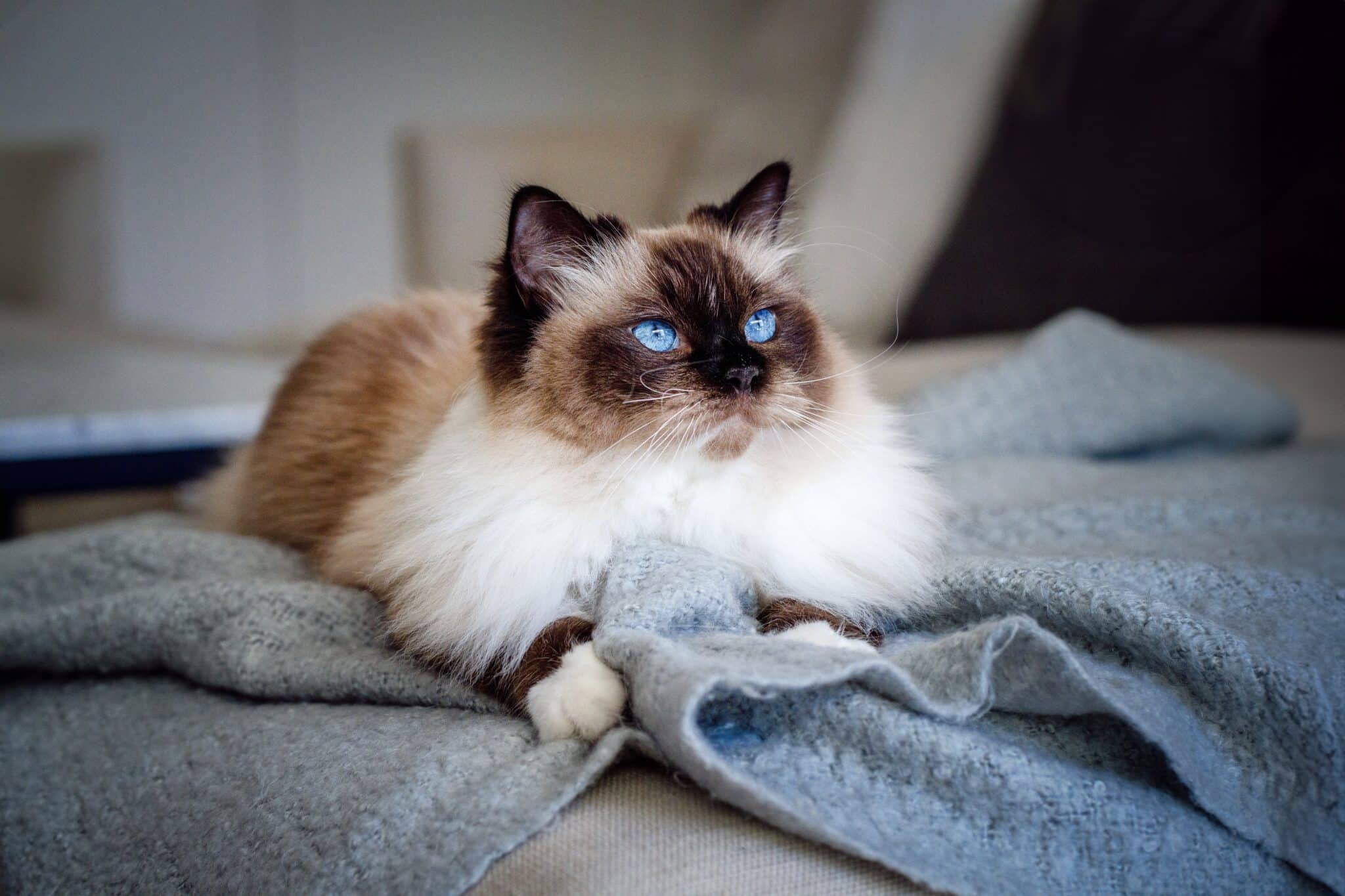
7. Birman
- The Sacred Cat of Myanmar
Steeped in temple legend, the Birman is immediately identifiable by its striking white-gloved paws, deep blue eyes, and silky, color-pointed fur.
Birmans possess an exceptionally sweet, balanced temperament. They enjoy participating in family life without ever becoming overbearing. They are patient, deeply empathetic, and adapt seamlessly to the comings and goings of a busy household, offering a steady, gentle emotional presence that comforts those around them.
8. Scottish Fold
- The Owlish Optimist
Caused by a spontaneous dominant genetic mutation affecting cartilage development, the folded ears of the Scottish Fold give it an endearing, owl-like appearance.
Beyond their distinctive aesthetics, Scottish Folds are famous for their profound adaptability and even-keeled disposition. They distribute their affection equally among all members of a household rather than playing favorites. They are equally content watching television from a human lap or engaging in gentle, puzzle-based play.
9. Devon Rex
- The Pixie-Eared Velcro Cat
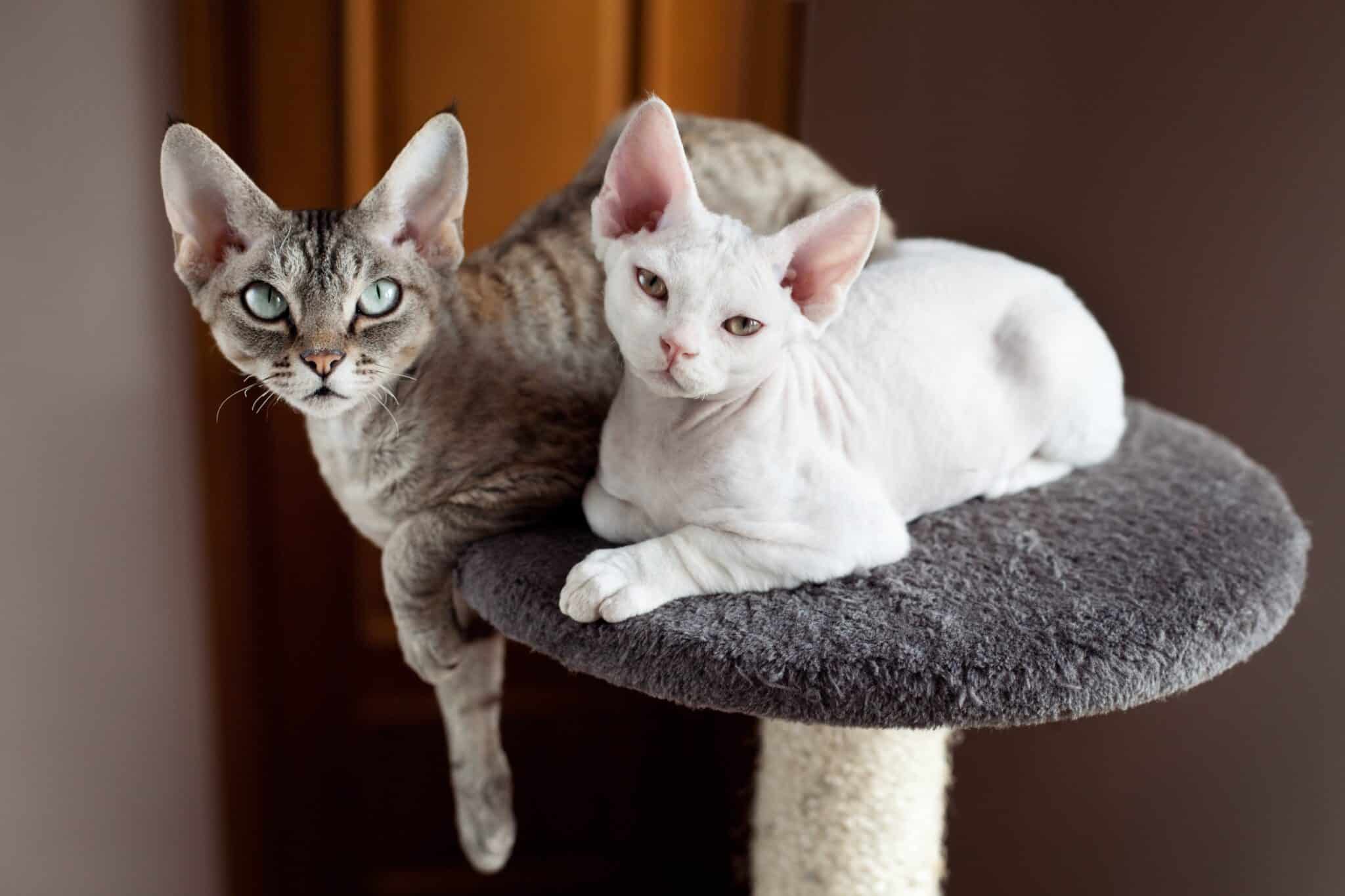
With oversized ears, large impish eyes, and a short, rippling velvet coat, the Devon Rex looks like an extraterrestrial sprite. Behaviorally, they are classic “velcro cats.”
Devon Rexes cling to their humans with energetic enthusiasm, riding shoulders and burrowing into bedsheets. Their high intelligence allows them to learn tricks quickly, and their social constitution requires active, daily engagement to prevent behavioral distress.
10. Tonkinese
- The Balanced Hybrid
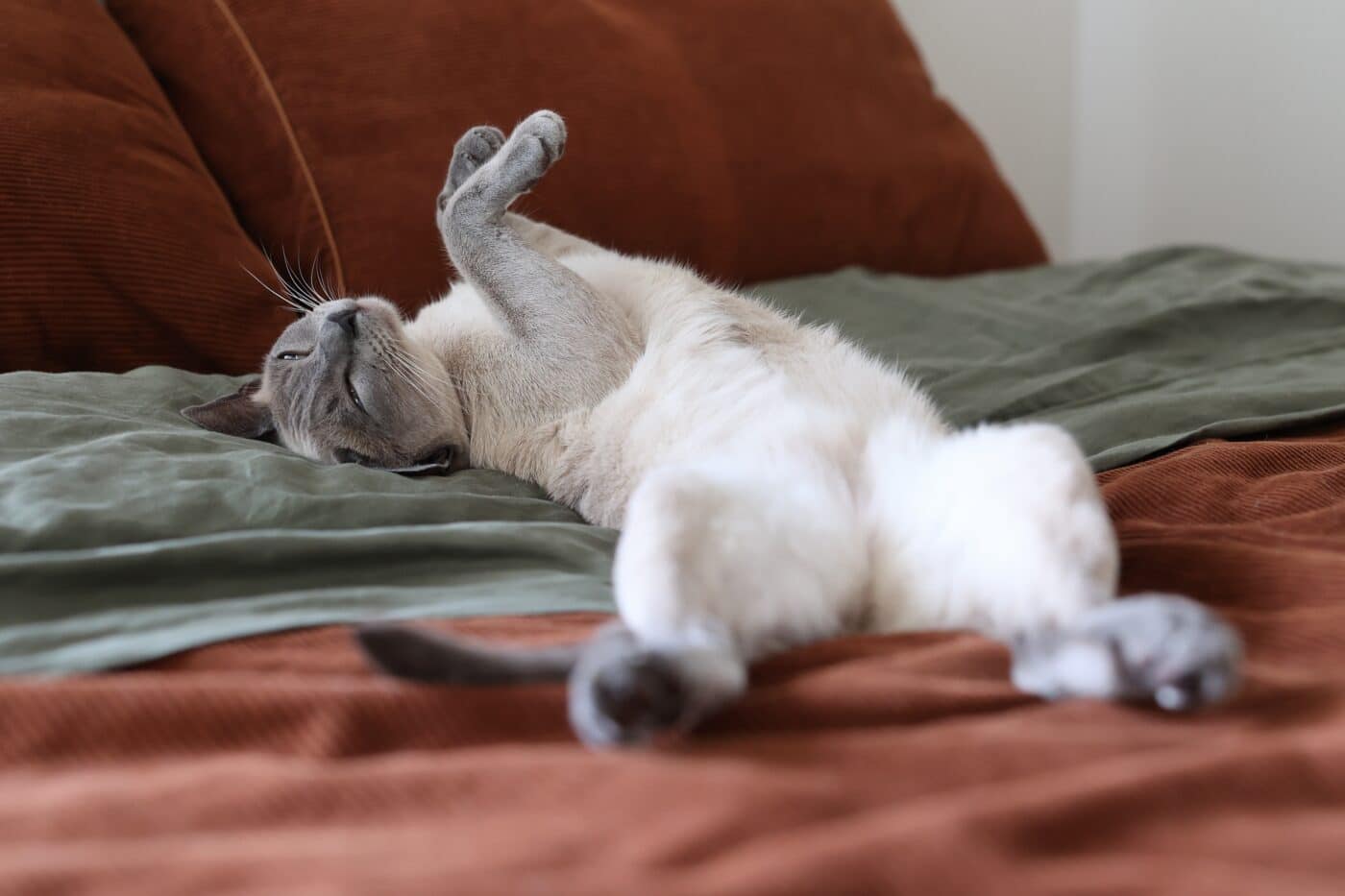
A purposeful cross between the Siamese and the Burmese, the Tonkinese successfully bridges the gap between vocal intensity and mellow sociability.
Possessing breathtaking aqua eyes and a sleek, muscular build, Tonkinese cats exhibit a natural curiosity and an effervescent charm. They communicate through soft chimes and participate eagerly in household operations, matching their owners’ energy levels step for step.
11. Bombay
- The Miniature Parlor Panther
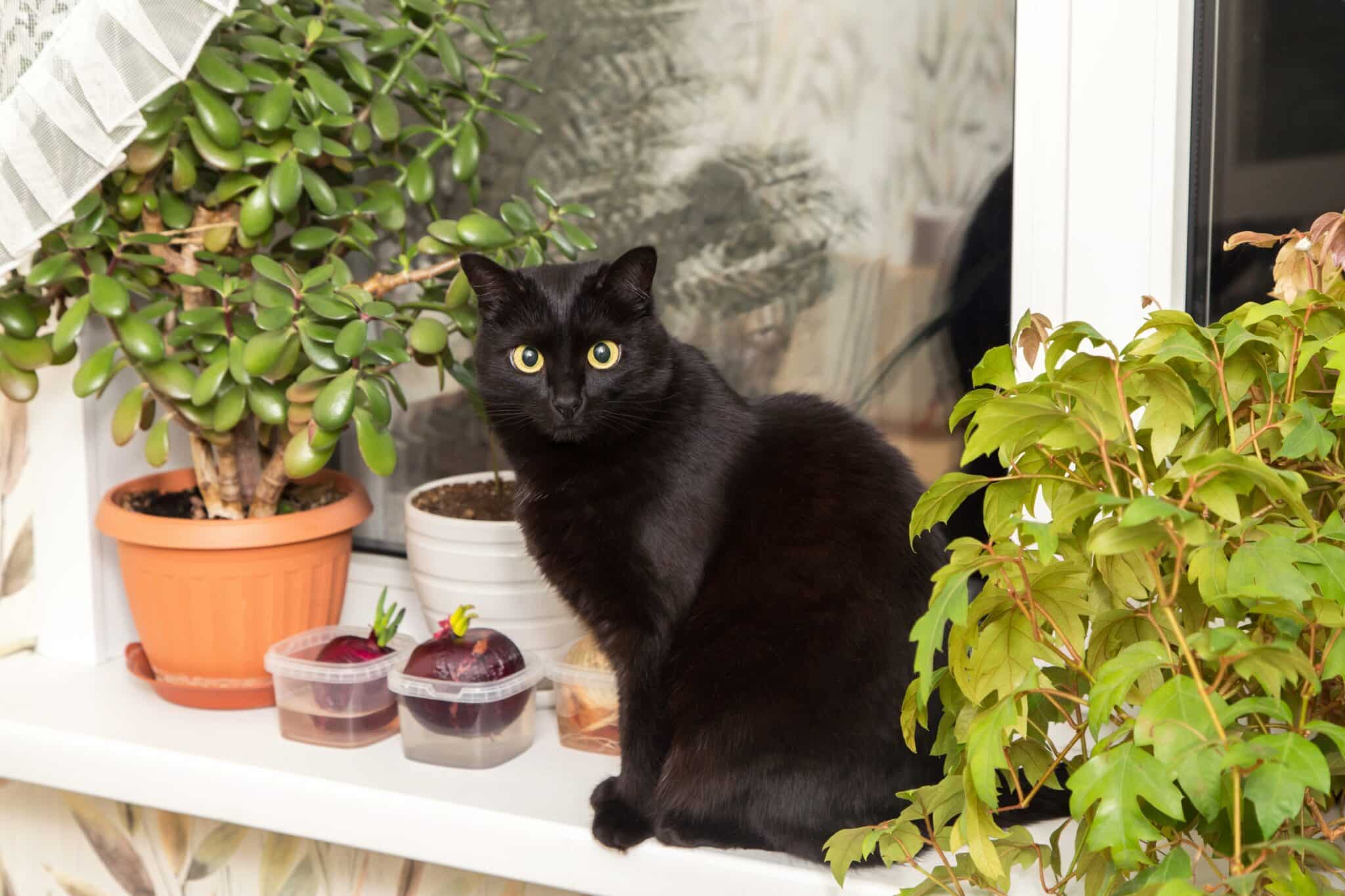
Engineered to resemble a miniature black leopard, the Bombay features a patent-leather jet-black coat and piercing copper eyes.
Despite its wild aesthetic, the Bombay is an exceptionally soft-hearted homebody. They display dog-like devotion, greeting owners at the door and relentlessly pursuing physical contact. They thrive in homes with regular human presence, offering unwavering loyalty.
12. Exotic Shorthair
- The Low-Maintenance Plush Companion
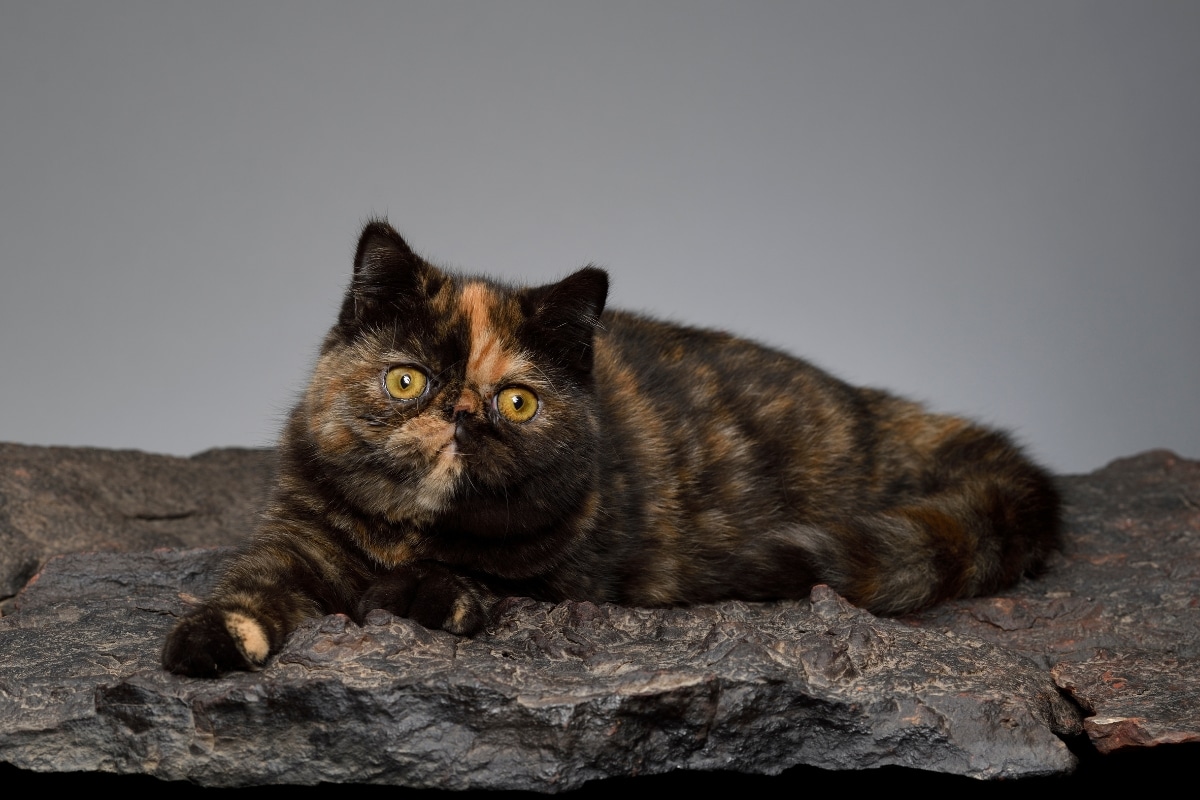
Created by crossing Persians with American Shorthairs, the Exotic Shorthair provides the exact emotional blueprint of the Persian—gentle, calm, and deeply devoted—without the intensive daily grooming requirements of a long coat.
Their plush, dense coats give them a teddy-bear appearance that matches their quiet, affectionate lap-cat disposition.
13. Selkirk Rex
- The Woolly Teddy Bear
Characterized by a naturally curly, plush coat resulting from a dominant mutation discovered in Montana, the Selkirk Rex is a sturdy, patient companion.

Unlike more high-strung rex breeds, the Selkirk possesses a laid-back, accommodating personality. They tolerate handling with grace, making them exceptional family pets that enjoy active cuddle sessions.
14. Norwegian Forest Cat
- The Majestic Woodsman
Hailing from Scandinavian folklore, the Norwegian Forest Cat is built to withstand harsh winters with a water-repellent double coat and tufted paws.
While they possess an independent, adventurous streak, they are profoundly loyal to their human families. They express devotion through unhurried companionship, checking in periodically with soft chirps and gentle head-butts.
15. Himalayan
- The Serene Color-Point Aristocrat
Merging the Persian body type and calm demeanor with the striking color points and blue eyes of the Siamese, the Himalayan is a masterpiece of selective breeding.
They lead quiet, contemplative lives, preferring to anchor themselves near their human caregivers. Their serene expressions and luxurious coats make them peaceful, deeply loving additions to tranquil homes.
Supporting Context & Metrics: The Biological Foundations of Feline Affection
Understanding why these specific fifteen breeds exhibit such elevated levels of affection requires examining the interplay between genetics, domestication history, and neurochemistry. Recent studies in feline behavioral endocrinology indicate that tactile interaction between humans and cats triggers the release of oxytocin—often termed the "bonding hormone"—in both species.
Furthermore, selective breeding over the past century has intentionally targeted neotenous traits—retaining juvenile physical and behavioral characteristics into adulthood. Breeds such as the Ragdoll, Burmese, and Sphynx retain high levels of playfulness, vocal dependency, and tolerance for physical constraint, effectively bypassing the natural wariness and territorial independence observed in feral feline populations.
| Breed | Coat Type | Vocalization Level | Primary Affection Style | Ideal Household Type |
|---|---|---|---|---|
| Ragdoll | Semi-Longhair | Low / Quiet | Limp cuddling, shadowing | Families, Seniors, Apartments |
| Maine Coon | Longhair | Moderate / Chirpy | Room-to-room companion | Active families, Multi-pet homes |
| Siamese | Shorthair | High / Persistent | Conversational codependency | Homes with constant company |
| Burmese | Shorthair | Moderate | Active participation, wrapping | Interactive households |
| Sphynx | Hairless | Moderate | Thermal bonding, skin contact | Warm climates, devoted owners |
| Persian | Longhair | Low / Quiet | Quiet couch companionship | Quiet apartments, low-traffic homes |
| Birman | Semi-Longhair | Low / Soft | Gentle proximity, patient bonding | Multi-generational families |
| Scottish Fold | Short / Long | Low | Distributed household affection | Balanced, busy households |
| Devon Rex | Wavy / Short | Moderate | Shoulder-riding, blanket-burrowing | Active, playful environments |
| Tonkinese | Shorthair | Moderate | Aqua-eyed social engagement | Social, lively homes |
| Bombay | Shorthair | Low / Moderate | Dog-like loyalty, lap-seeking | Families wanting bonded pets |
| Exotic Shorthair | Short / Plush | Low | Low-maintenance lap presence | Apartment dwellers, busy professionals |
| Selkirk Rex | Curly / Plush | Low | Teddy-bear cuddling, tolerance | Patient families, children |
| Norwegian Forest | Long / Double | Low / Soft | Unhurried, ground-level loyalty | Spacious homes, nature lovers |
| Himalayan | Longhair | Low | Serene, pointed devotion | Quiet, calm indoor environments |
Official Statements & Expert Perspectives
Animal behaviorists and veterinary organizations emphasize that while breed genetics provide a reliable baseline for temperament, individual socialization plays a critical role in shaping a cat’s affectionate capacity.
Dr. Eleanor Vance, a leading feline behaviorist and researcher at the Institute for Animal Cognition, notes:
"When we examine breeds like the Ragdoll, Siamese, or Burmese, we are looking at generations of intentional selection for human-directed social engagement. These cats do not view humans merely as providers of sustenance; they have evolved to recognize us as core attachment figures. The neural reward pathways activated when these cats cuddle or vocalize with their owners mirror those observed in canine-human bonds."
Veterinary epidemiologists also stress the health benefits of co-habitating with affectionate feline companions. Studies consistently demonstrate that petting a purring cat reduces human cortisol levels, lowers blood pressure, and mitigates the physiological markers of chronic stress.
Future Outlook: The Evolving Role of Companion Felines in Modern Society
As urbanization accelerates and an increasing percentage of the global population resides in high-density apartments, the demand for companion animals that thrive indoors is reaching unprecedented levels. The traditional paradigm of the outdoor, autonomous mouser is rapidly giving way to the indoor companion cat—an animal bred for emotional resonance, aesthetic beauty, and psychological compatibility with human routines.
Looking forward, breeding programs will likely continue to emphasize temperament, health longevity, and socio-emotional adaptability over purely cosmetic traits. As genetic screening technologies advance, prospective cat owners will gain even greater insight into individual behavioral tendencies prior to adoption, ensuring harmonious matches between human households and big-hearted feline breeds.
Whether through the quiet, steady presence of a Persian or the exuberant, shoulder-perching devotion of a Devon Rex, the human-feline bond remains one of the most rewarding interspecies relationships in the modern world.