
Executive Overview
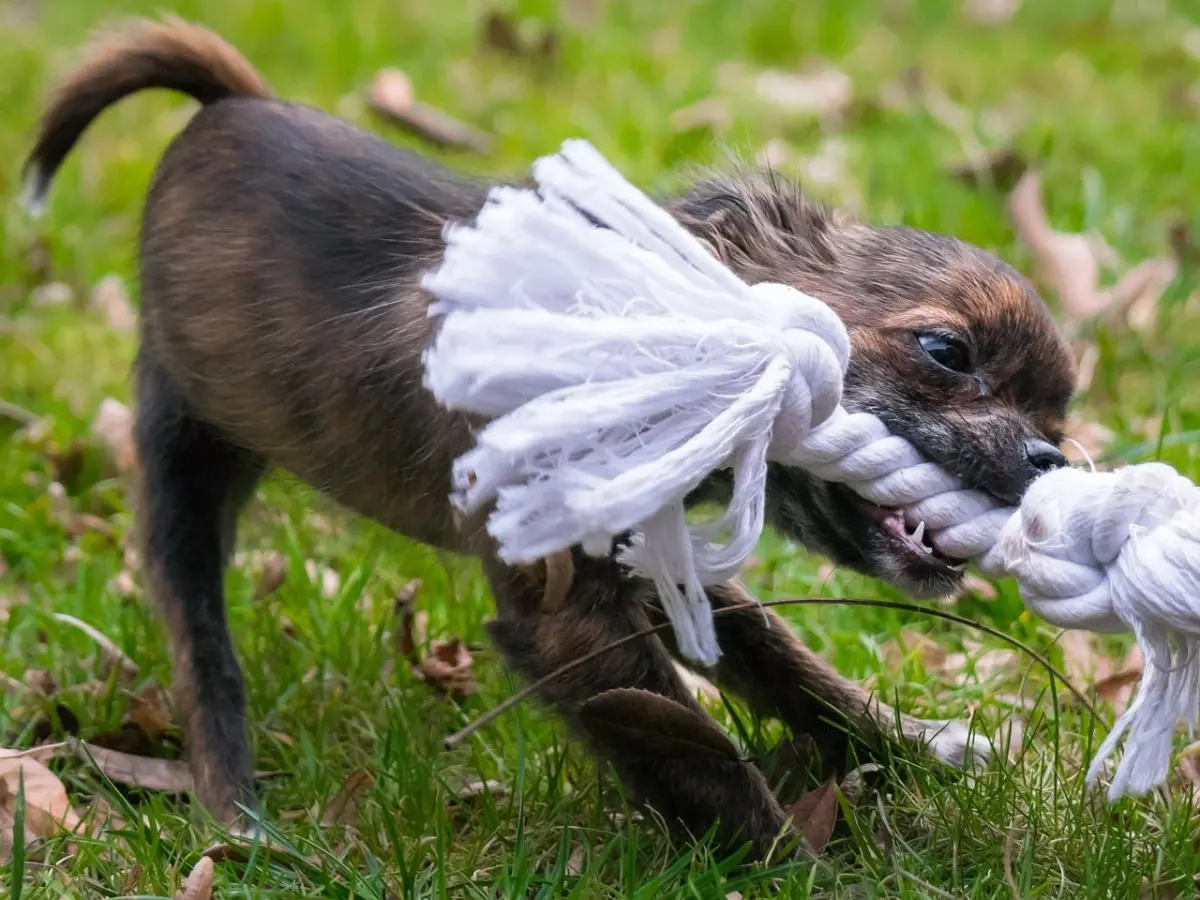
Canine play products occupy a critical intersection between behavioral enrichment, physical exercise, and preventative veterinary healthcare. Among the diverse spectrum of canine play paraphernalia, the classic rope toy remains a staple of canine management. Designed to leverage a dog’s innate instinct to chew, tug, and retrieve, rope toys serve as versatile tools for training, mental stimulation, and mechanical oral hygiene.
However, the efficacy and safety of these products depend heavily on material integrity, weave density, dog size, and chew style. While high-quality cotton fiber ropes act as passive dental floss—scraping plaque from tooth enamel and massaging gingival tissue—substandard or degraded rope toys pose serious veterinary risks, most notably gastrointestinal linear foreign body obstructions.

This comprehensive market evaluation examines seven top-performing rope toy systems, establishes an empirical rubric for evaluating safety and durability, and outlines expert protocols for mitigating risk during interactive play.
Detailed Evaluation of Leading Market Rope Toy Systems
+------------------------------------+--------------------------+------------------------------+-------------------------------------+
| Product Model                      | Recommended Dog Size     | Primary Play Dynamic         | Material Composition                |
+------------------------------------+--------------------------+------------------------------+-------------------------------------+
| Mammoth Flossy Chews Rope Tug      | Medium to Large          | Interactive Tug / Dental     | Cotton-poly blend fibers            |
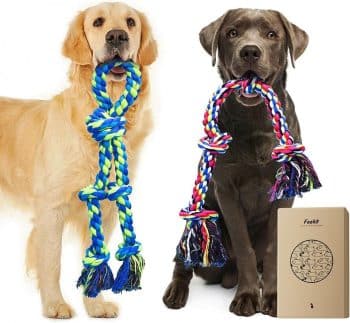
| Feeko Aggressive Chewer 2-Pack     | Medium to Large          | High-Impact Chew / Tug       | 100% High-Density Natural Cotton    |
| Squishy Face Studio Flirt Pole V2  | All Sizes                | High-Drive Prey Exercise     | Anodized Pole & Polyester Webbing   |
| Pacific Pups Products 11-Piece Set | Small to Large           | Multi-Texture Enrichment     | Tested Non-Toxic Cotton & Fibers    |
| Paterr 12-Piece Puppy & Medium Set | Small to Medium          | Puppy Teething / Fetch       | Soft Natural Woven Cotton           |
| SunGrow Cotton Knot Ropes          | Toy & Small Breeds       | Gentle Chew / Gum Massage    | Handwoven Soft Cotton Weave         |
| SHARLOVY Heavy-Duty 9-Pack         | Medium to Large          | Multi-Knot Tug & Solo Play   | Reinforced Knotted Cotton           |
+------------------------------------+--------------------------+------------------------------+-------------------------------------+
1. Mammoth Flossy Chews Color Rope Tug
- Architectural Design: Multi-knot, high-density twisted rope layout.
- Functional Mechanics: Engineered primarily for interactive tug-of-war, the Mammoth Flossy Chews utilizes tightly twisted fibers that separate slightly under jaw pressure. This separation allows individual threads to pass into the interdental spaces of canine teeth, physically wiping away soft plaque build-up before it calcifies into tartar.
- Target Application: Medium to large breeds exhibiting moderate to strong chewing drives.
2. Feeko Dog Rope Toys for Large & Medium Aggressive Chewers
- Architectural Design: Heavy-duty two-pack featuring thick, reinforced end-knots and an ultra-dense weave core.
- Functional Mechanics: Manufactured from 100% natural cotton, the Feeko system is engineered for dogs capable of exerting high force per square inch (PSI) with their jaws. The density of the cotton matrix resists rapid shredding while remaining pliable enough to protect tooth enamel from micro-fractures.
- Target Application: Medium and large breed power-chewers requiring robust tension resistance.
3. Squishy Face Studio Flirt Pole V2 with Lure
- Architectural Design: Exercise wand system featuring a lightweight, high-strength pole, non-slip grip, and a pre-attached polyester webbing lure.
- Functional Mechanics: Unlike static chew toys, the Flirt Pole V2 is a high-drive training device designed to stimulate a dog’s prey drive through rapid directional shifts. It demands physical expenditure and impulse control within a controlled environment (requiring a minimum recommended play footprint of 15′ x 15′).
- Target Application: High-energy dogs of all sizes requiring rapid physical exertion and obedience conditioning.
4. Pacific Pups Products 11-Piece Heavy-Duty Set
- Architectural Design: Multi-toy assortment combining multi-knot ropes, rope balls, and interactive tug elements.
- Functional Mechanics: This collection offers a varied tactile experience designed to reduce boredom and stress-induced chewing. The materials undergo rigorous toxicology testing to ensure they are free of harmful chemicals. Additionally, proceeds directly support non-profit animal rescue operations through Pacific Pups Rescue.
- Target Application: Multi-dog households or individual dogs requiring varied textural engagement for stress reduction.
5. Paterr 12-Piece Multi-Color Puppy Rope Toy Kit
- Architectural Design: A multi-item bundle featuring smaller-gauge, colorful cotton ropes woven into various shapes (rings, figures-of-eight, and small knots).
- Functional Mechanics: Designed specifically for smaller mouths, these toys provide gentle resistance that satisfies the urge to chew during the puppy teething phase. The soft cotton fibers help soothe inflamed gums and encourage constructive play habits early in life.
- Target Application: Puppies, toy breeds, and small-stature dogs.
6. SunGrow Cotton Knot Puppy & Ferret Ropes
- Architectural Design: Handwoven mini-rope structures utilizing soft, fine-gauge cotton threads.
- Functional Mechanics: Tailored for small pets with delicate oral anatomy, the SunGrow knot series focuses on gentle gum massage. The fine cotton threads yield under low jaw pressure, flossing fragile deciduous or small adult teeth without subjecting the periodontal ligament to excess stress.
- Target Application: Toy dog breeds, young puppies, and small domestic pets like ferrets.
7. SHARLOVY Large Tough Chew Toys (9-Pack)
- Architectural Design: Multi-knot configurations including expansive five-knot rope layouts built for high-tensile tug activities.
- Functional Mechanics: SHARLOVY’s 9-piece kit focuses on providing multiple anchor points for multi-dog play or prolonged solo chewing. The multi-knot layout distributes force evenly along the rope, reducing localized fraying and extending the toy’s useful life.
- Target Application: Medium to large aggressive chewers participating in interactive play sessions.
Supporting Context, Metrics, and Dental Biomechanics
Understanding how rope toys interact with canine physiology requires examining both dental health benefits and mechanical risk factors.

+-------------------------------------------------------------------------------------------------------+
|                                  CANINE DENTAL & PLAY DYNAMICS                                        |
+-----------------------------------+-------------------------------------------------------------------+
| Plaque Reduction Efficacy         | Mechanical friction cleans interdental gaps up to 30-40%          |
| Ingestion Risk Threshold          | Fraying threads > 2 inches pose linear foreign body hazard        |
| Material Safety Index             | 100% natural, unbleached cotton minimizes chemical toxicity       |
| Environmental Sanitization Limit  | Weekly hot-water wash (60°C/140°F) eliminates microbial buildup  |
+-----------------------------------+-------------------------------------------------------------------+
Dental Health Metrics
Periodontal disease affects over 80% of dogs over three years of age. When a dog bites down on a high-density cotton rope toy:
- The dental crown sinks into the woven fiber bundle.
- Thread friction mechanically strips soft bacterial biofilm (plaque) from the buccal and lingual surfaces of the teeth.
- This mechanical wiping action reaches subgingival margins that conventional hard rubber toys cannot access, reducing the rate of calculus accumulation.
Mechanical Hazard Metrics: The Linear Foreign Body Threat
While rope toys provide clear dental benefits, structural failure introduces significant risk.

When a dog ingests loose threads, peristaltic movement pushes the lead portion of the thread down the intestinal tract while the trailing end anchors in the stomach or upper duodenum. The intestines then attempt to move the material along, resulting in intestinal plication (bunching like a drawstring). This condition can cause bowel perforation, peritonitis, and requires emergency surgical intervention.
[Swallowed Thread] ---> [Anchors in Stomach/Pylorus]
                            |
                            v
[Peristalsis Moves Free End] ---> [Intestine Bunches (Plication)] ---> [Perforation / Emergency Surgery]
To prevent this outcome, owners must retire any rope toy as soon as individual threads begin to unbraid or form loose fringe over two inches long.

Framework: How to Choose a Safe and High-Quality Rope Toy
Selecting the appropriate rope toy requires evaluating several key technical parameters:
                          SELECTING A SAFE ROPE TOY
                                     |
    +-----------------+--------------+---------------+------------------+
    |                 |                              |                  |
    v                 v                              v                  v
1. Size/Design    2. Material                    3. Durability      4. Hygiene
Matches mouth    100% natural cotton/hemp;      Tight weave;       Machine washable;
size safely non-toxic dyes scaled to bite PSI quick drying- Size and Architectural Scaling:
The toy’s diameter must prevent full ingestion. A rope toy should exceed the width of the dog’s open palate to eliminate choking hazards. - Material Toxicology:
Choose toys made from 100% natural fibers such as unbleached cotton or natural hemp. Synthetic polymers (e.g., cheap polyester strands) resist digestion entirely if ingested and can create sharp edges when frayed. - Weave Density vs. Chew PSI:
Matching the weave density to your dog’s bite force is critical. Powerful chewers require ultra-tight, multi-strand weaves to prevent rapid shredding, while puppies need softer, more yielding configurations to protect developing teeth. - Maintenance & Hygiene Standards:
Canine saliva harbors bacteria such as Porphyromonas species. Rope toys absorb moisture quickly, making them breeding grounds for bacteria and mold if left outdoors or unwashed. Ensure the product can withstand hot-water washing cycles.
Comprehensive Q&A: Expert Perspectives on Rope Toys
1. Are rope toys safe for all dogs?
Rope toys are not universally safe for all chewers. While they are safe for gentle chewers and dogs engaged in supervised interactive play, they pose significant risks to unsupervised "power chewers." Dogs that swallow pieces of toys rather than simply shredding them should not be left alone with fiber-based products.

2. What are the primary health benefits of rope toys?
Rope toys provide key physical and psychological benefits:
- Passive Dental Hygiene: Removes bacterial biofilm and massages gum tissue.
- Stress Reduction: Chewing releases endorphins, lowering cortisol levels and mitigating separation anxiety.
- Exercise and Bonding: Interactive tugging strengthens the bond between dogs and owners while building impulse control.
3. What specific medical risks are associated with damaged rope toys?
The primary medical risk is linear foreign body ingestion. Additional risks include:
- Gingival Laceration: Stiff, saliva-hardened synthetic fibers can cut soft oral tissue.
- Dental Micro-Fractures: Ropes tied into overly hard, petrified knots can crack teeth if bitten with extreme force.
4. How frequently should a pet parent replace a rope toy?
A rope toy should be replaced immediately when structural integrity fails. Look for:
- Unbraiding of the main core.
- Loose strings or fringe exceeding 1–2 inches in length.
- Soft spots indicating internal fiber breakage.
- Persistent odor or discoloration that remains after washing.
5. What are safe alternative toys for dogs with aggressive chewing habits?
For dogs prone to consuming fabric and string, consider these alternatives:

- Natural Rubber Chew Toys: Heavy-duty, hollow rubber toys (e.g., classic Kong toys) filled with frozen treats.
- Dense Synthetic Bones: Non-splintering nylon bones designed specifically for aggressive chewers.
- Heavy-Canvas Tugs: Multi-layered canvas tugs with reinforced, double-stitched seams and minimal surface fringe.
6. How can an owner train a dog to play safely with rope toys?
Focus on building impulse control:
- Establish a reliable "Drop It" command using positive reinforcement during play.
- Keep sessions interactive rather than leaving the toy out for solo chewing.
- End the play session immediately if the dog begins biting down to tear individual fibers.
7. What is the correct protocol for cleaning and sanitizing rope toys?
To keep rope toys hygienic:

- Machine Wash: Place toys in a mesh laundry bag and wash on hot (60°C/140°F) using a mild, fragrance-free, pet-safe detergent.
- Sanitize: Optionally soak the rope in a solution of equal parts water and white vinegar prior to washing.
- Complete Drying: Air-dry completely in direct sunlight or tumble dry on high heat to ensure no moisture remains in the inner core to cultivate mold.
8. What are the leading design typologies of canine rope toys?
- Multi-Knot Straight Tugs: Traditional ropes with knots at varying intervals to provide secure hand and jaw holds.
- Rope Balls: Densely wound spherical configurations designed for fetch and sustained gnawing.
- Flirt Pole Lures: Fiber attachments suspended from wands designed for dynamic chase play.
- Ring Ropes: Continuous loop constructions ideal for multi-dog tug games.
Future Outlook: Trends in Canine Play and Safety Engineering
The pet supply industry is moving toward stricter material standards, advanced safety testing, and more sustainable manufacturing processes.
                       FUTURE INNOVATIONS IN PET PLAY
                                     |
    +--------------------------------+--------------------------------+
    |                                |                                |
    v                                v                                v
1. Biodegradable Natural    2. Smart Fiber Density           3. Standardized Safety
   Fibres (Organic Hemp/     Weaves (Color-Coded Wear           Certifications (ISO/ASTM
Unbleached Cotton) Indicators for Fraying) Pet Toy Testing)- Transition to Organic, Non-Toxic Fibers:
Manufacturers are increasingly replacing synthetic blends with 100% organic, unbleached cotton and sustainably harvested hemp. These fibers break down more easily if accidentally ingested and reduce chemical exposure from synthetic dyes. - Visual Wear-Indicator Engineering:
Future high-end rope toys are expected to feature dual-core construction with colored internal indicator cores. When the outer protective weave wears down and exposes the inner core, pet owners receive a clear visual signal that it is time to discard the toy. - Rigorous Mechanical Safety Testing:
Leading manufacturers are adopting standardized safety testing protocols modeled after human child toy regulations (such as ASTM F963 and EN71). These protocols evaluate tensile strength, non-toxicity, and fiber detachment thresholds to ensure safer play for dogs of all sizes and play styles.