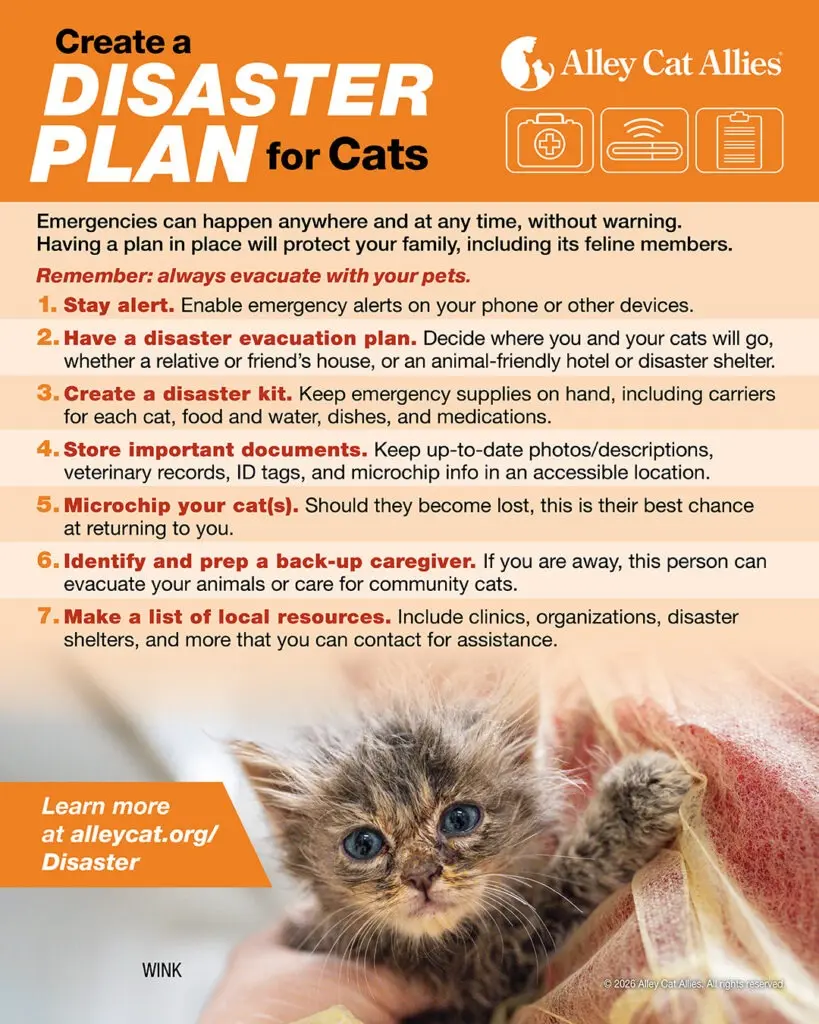

ATLANTIC COUNTY, N.J. — September 28, 2026 — In the wake of a powerful, late-September nor’easter that battered the Mid-Atlantic coastline with torrential downpours, hurricane-force winds, and catastrophic storm surges, the landscape of Atlantic County, New Jersey, transformed overnight. Streets became impassable waterways, homes and businesses lost power, and local authorities issued mandatory evacuation orders as a regional state of emergency was declared.
Amidst the chaos of emergency evacuations and rising tides, vulnerable populations—specifically the region’s outdoor cats and kittens—faced immediate, life-threatening danger. Responding to the crisis, the Rapid Response Team from Alley Cat Allies deployed directly into the disaster zone. Their mission: to assess the damage, deliver life-sustaining provisions, and ensure that both community cats and domestic felines caught in the path of the floodwaters received immediate, coordinated care.
Executive Overview
The September 2026 nor’easter delivered a severe blow to New Jersey’s coastal infrastructure, inundating low-lying neighborhoods and testing the emergency response capabilities of municipal and nonprofit organizations alike. While human residents grappled with property damage and displacement, animal welfare organizations pivoted quickly to address the silent victims of the storm.
Alley Cat Allies’ rapid mobilization highlights a critical intersection in modern disaster relief: the integration of animal rescue into standard emergency management protocols. Operating in close coordination with local partners—including the Humane Society of Atlantic County and area veterinary medical clinics—the disaster response team executed a multi-faceted operation. Their efforts ranged from immediate field check-ins on high-profile colonies, such as the famous Atlantic City Boardwalk Cats, to establishing a dedicated disaster relief grant designed to absorb the financial shock of post-storm veterinary care.
This report provides a detailed examination of the deployment, the resilience of community feline populations, the decades-long groundwork that made an immediate response possible, and the broader lessons learned regarding disaster preparedness for animal caregivers.
Detailed Chronology of the Crisis and Deployment
The Storm Strikes: Atmospheric Fury Over New Jersey
The system, an unusually potent early-autumn nor’easter, stalled off the coast of New Jersey, continuously funneling heavy moisture and ferocious onshore gales into Atlantic County. High tides compounded the rainfall, pushing ocean water and bay surges over bulkheads and into residential and commercial districts.
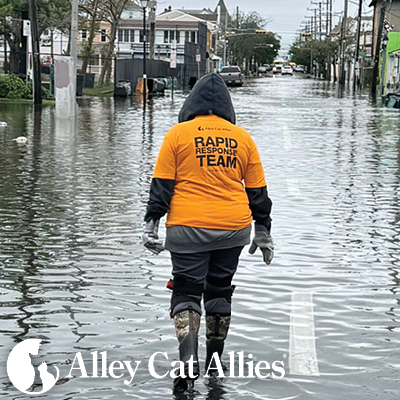
By the time emergency management services declared a state of emergency, numerous roadways were submerged under feet of brackish water, and electrical grids had failed in several hardest-hit sectors. Evacuation notices were transmitted across media channels, urging residents to move to higher ground. However, leaving behind outdoor cats, feral colonies, and pets trapped in rising waters presented an agonizing dilemma for many animal guardians.
Day One: Assessing the Atlantic City Boardwalk
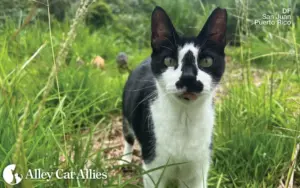
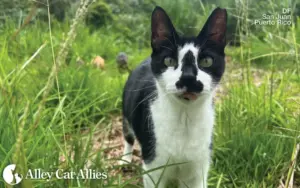
Recognizing the immediate peril, Alley Cat Allies’ Rapid Response Team arrived on the ground as soon as conditions permitted safe travel. Their first objective was the iconic Atlantic City Boardwalk, home to the well-known population of managed community cats often referred to as the Boardwalk Cats.
With waves crashing perilously close to structural foundations and wind-driven rain blanketing the area, responders navigated the debris-strewn boardwalk to inspect the colony’s feeding and shelter stations. To the immense relief of the rescue workers, the resilient felines had utilized their deep-seated survival instincts, seeking shelter in elevated and protected nooks away from the surging tides. The team immediately replenished their food supplies and confirmed that every cat in the colony was safe, dry, and unharmed.
Search and Rescue in the Flooded Interior
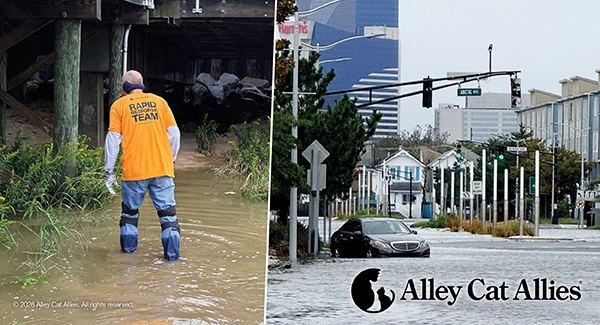
Following the successful check-in on the boardwalk, the deployment expanded inland into the flooded residential neighborhoods of Atlantic County. Navigating waterlogged streets required extreme caution, as submerged hazards, downed power lines, and swift-moving currents posed constant threats to rescue personnel.
Deploying specialized feed stations and scanning for distressed animals, the team observed a remarkable testament to feline adaptability. Feral and stray cats possess acute environmental awareness; long before floodwaters crest, their sensory instincts prompt them to climb to elevated structures, roofs, vehicles, and upper-level ledges. Consequently, many cats managed to weather the initial hours of inundation safely above the waterline.
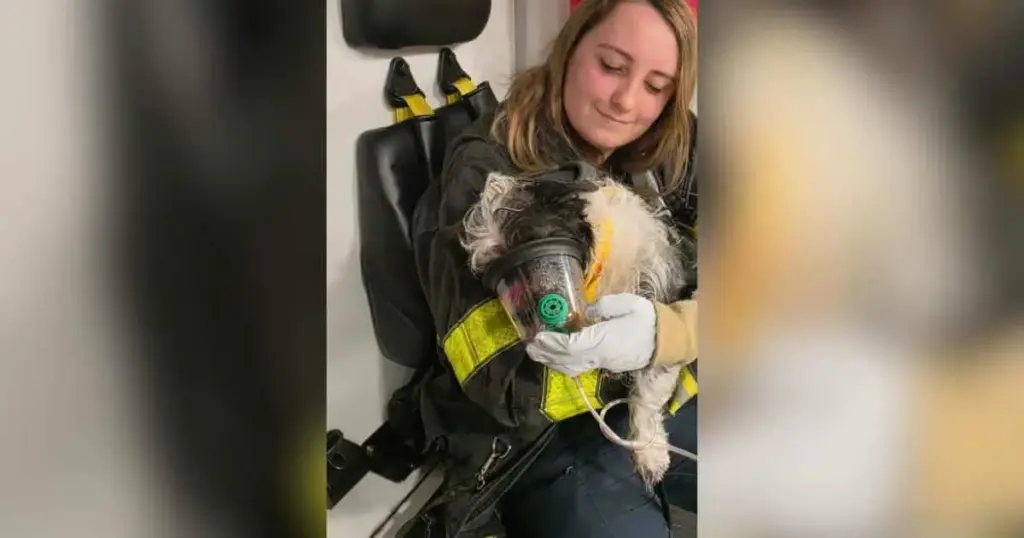
Nevertheless, rescue leadership emphasized that surviving the initial storm surge is only the first hurdle. The subsequent days present compounding dangers, including exposure, hypothermia, lack of fresh drinking water, and injuries sustained from sharp debris or chemical contamination within the floodwaters.
Supporting Context & Metrics: Infrastructure in Action
Disaster response is rarely successful when improvised entirely on the spot; rather, its efficacy is dictated by the groundwork laid long before the first storm cloud gathers. Alley Cat Allies’ rapid and effective intervention in Atlantic County was not a stroke of luck—it was the direct result of decades of sustained community investment.
The Power of Established Infrastructure
For over twenty years, Alley Cat Allies has maintained a robust operational footprint in Atlantic County. This long-term commitment has focused heavily on establishing core infrastructures designed to stabilize and protect the local feline population:
- Trap-Neuter-Return (TNR): Thousands of community cats have been spayed, neutered, and vaccinated, stabilizing population growth and ensuring healthier, more resilient outdoor colonies.
- Affordable Veterinary Access: Collaborations with regional veterinary networks have lowered barriers to medical treatment, ensuring that routine and emergency care remains accessible.
- No-Cost Cat Food Banks: Ongoing support for local community cat caregivers ensures that colonies are consistently fed, maintaining optimal health and body condition even during non-emergency times.
When a crisis like the September 2026 nor’easter strikes, this preexisting network serves as an instant communication and distribution pipeline. Responders did not have to waste precious hours identifying where cats lived or who cared for them; trusted local networks instantly directed the Rapid Response Team to the areas of highest need.
Financial and Medical Backstopping
To ensure that no animal is denied care due to financial constraints, Alley Cat Allies established a specialized Disaster Relief Grant. This dedicated funding stream is specifically earmarked to absorb the costs of emergency veterinary procedures, trauma care, prescription medications, and temporary boarding for cats displaced or injured by the New Jersey floods. By removing the financial barrier for partner clinics and shelters, the grant guarantees that veterinary teams can focus entirely on treatment rather than logistics.
Official Statements and Collaborative Partnerships
The success of the Atlantic County flood response hinges upon seamless cooperation between national animal advocacy organizations and local frontline agencies.
Synergy on the Ground
Alley Cat Allies has worked hand-in-hand with the Humane Society of Atlantic County and independent regional veterinary clinics to create an unbroken safety net.
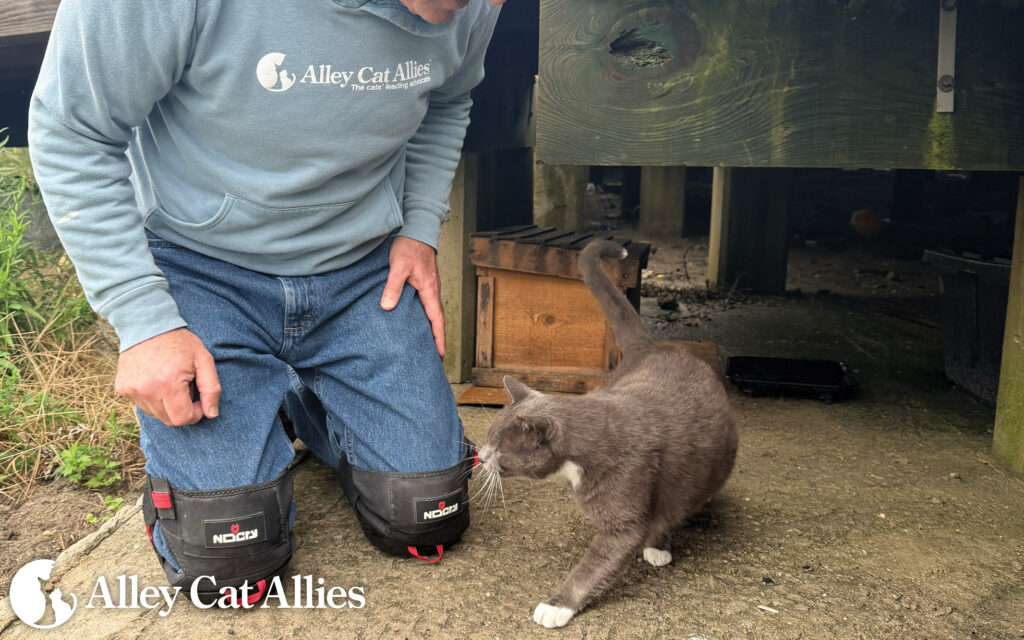
"When natural disasters strike coastal communities, the margin for error is razor-thin," noted a field coordinator for Alley Cat Allies’ Rapid Response Team. "Our ability to mobilize instantly depends entirely on the trusted relationships we have cultivated over decades in New Jersey. Because we worked shoulder-to-shoulder with local veterinarians and caregivers yesterday, we are saving lives today."
Local shelter representatives echoed these sentiments, pointing out that regional facilities are often overwhelmed during states of emergency as they manage human evacuations, shelter-in-place mandates, and structural damage to their own adoption centers. The injection of specialized resources, external personnel, and targeted financial grants from national organizations prevents local systems from collapsing under the weight of a dual human-animal crisis.
Future Outlook: Preparedness and Prevention
As the floodwaters slowly recede across Atlantic County and residents begin the arduous process of rebuilding, disaster response experts are already shifting their focus toward the future. Weather patterns globally are exhibiting increased volatility, with severe storms, intense coastal flooding, and destructive nor’easters occurring with higher frequency and ferocity.
Lessons for Animal Caregivers and Families
The 2026 Atlantic County flood serves as a stark reminder that emergency planning must explicitly include companion animals and outdoor cat colonies. Alley Cat Allies is utilizing the momentum of this response to aggressively promote national disaster preparedness education.
Key components of the ongoing educational campaign include:
- Feline Emergency Kits: Encouraging pet owners and community cat caregivers to assemble portable emergency kits containing non-perishable food, bottled water, medical records, basic first-aid supplies, and secure carriers.
- Evacuation Mapping: Identifying pet-friendly evacuation shelters, boarding facilities, and veterinary clinics ahead of time to eliminate confusion during a crisis.
- Colony Management Protocols: Training community cat colony managers on how to establish elevated feeding stations and create safe havens ahead of severe weather advisories.
How the Public Can Help
Recovery operations in New Jersey and preparations for future weather emergencies require sustained financial and logistical backing. Alley Cat Allies has kept its emergency donation portals open, urging animal lovers to support ongoing relief efforts.
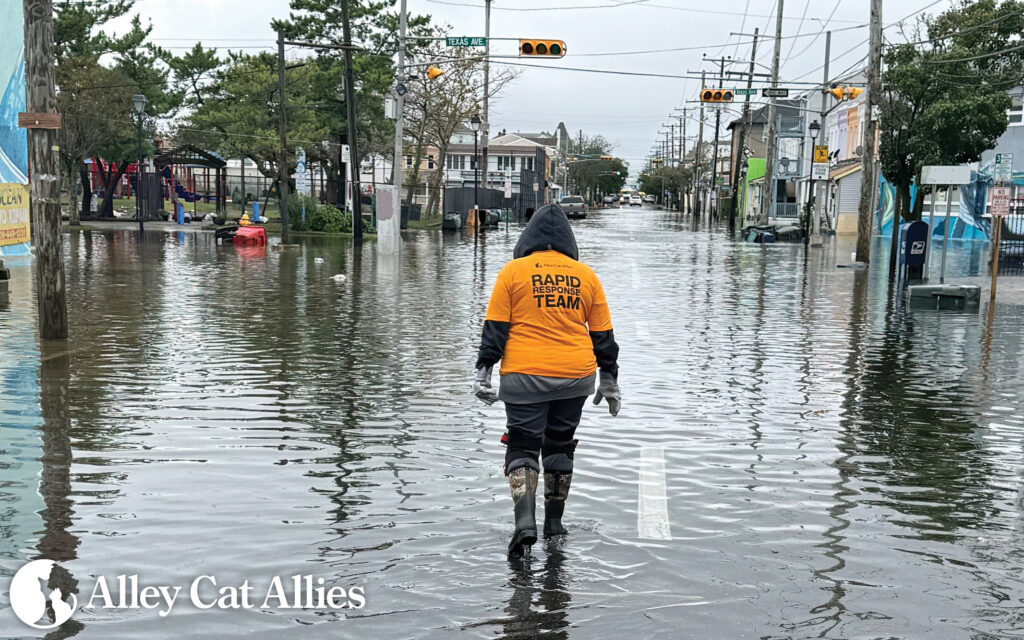
As cats continue to emerge from hidden shelters and higher ground throughout the week, the Rapid Response Team remains stationed in the region, ready to provide whatever medical intervention or nutritional support is required. Through a combination of resilient feline instincts, decades of community infrastructure, and prompt donor-supported action, Atlantic County’s cats are weathering the storm and finding their way back to safety.
To learn more about emergency preparedness for pets and community cats, or to contribute to the disaster relief fund, visit Alley Cat Allies’ Disaster Response Portal.