
Executive Overview
For pet owners, the unexpected discovery of a flea or tick scuttling across a pet’s coat—or worse, within the fabric of a home—instills a distinct brand of dread. Beyond the sheer nuisance of managing a home infestation, these resilient bloodsucking ectoparasites and their internal counterparts pose serious, multi-faceted health risks to both animals and humans. Fleas and ticks are notorious vectors for debilitating zoonotic diseases, while internal parasites like heartworms, hookworms, and roundworms silently ravage a pet’s internal organ systems.
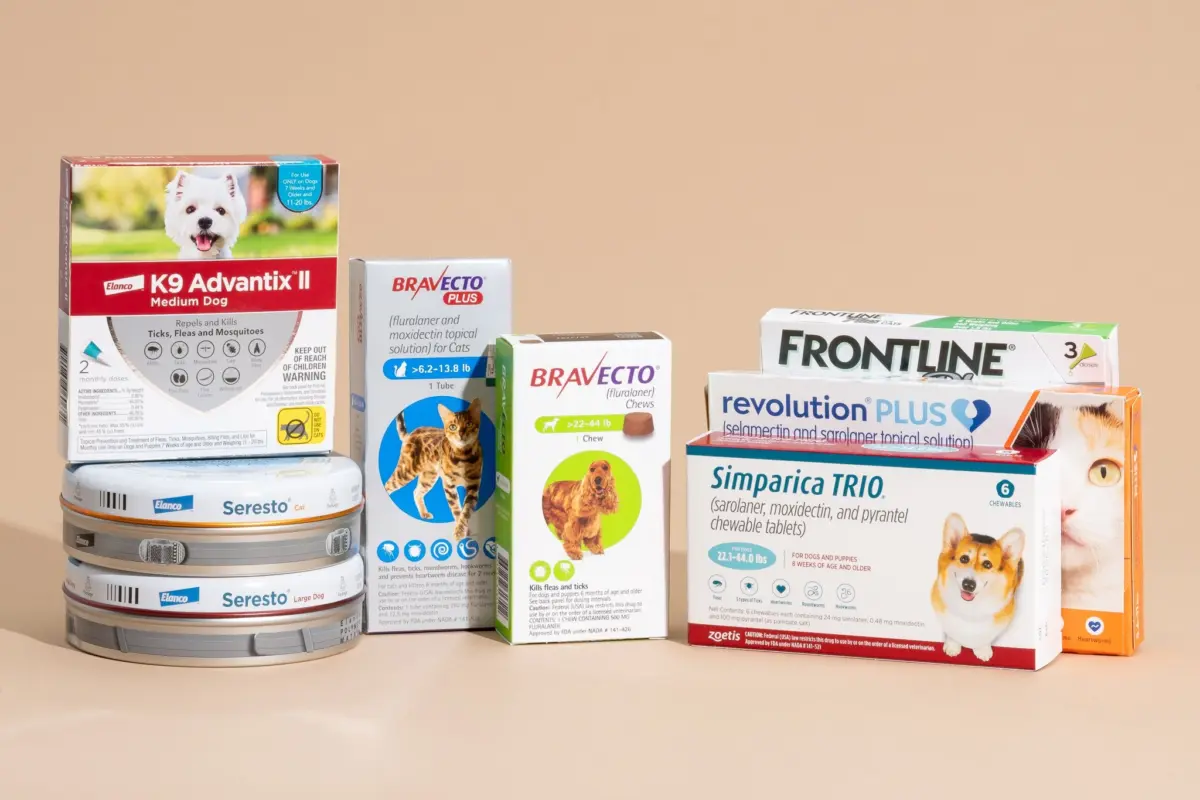
Despite the recurring financial investment and the logistical hurdles of administration, comprehensive parasite control remains a non-negotiable component of lifelong pet husbandry. To help pet owners navigate the crowded marketplace of preventative medicines, pet care experts conducted an extensive evaluation of 21 leading products, ultimately recommending eight standout treatments—four specifically tailored for dogs and four optimized for cats. This exhaustive guide explores the nuances of these top-tier preventative options, detailing their coverage spectrums, mechanisms of action, cost structures, and crucial safety considerations for responsible pet ownership.
Detailed Chronology and Evolution of Parasite Prevention
The landscape of veterinary parasitology has undergone a profound transformation over the past three decades. Historically, pet owners relied heavily on messy indoor foggers, toxic environmental sprays, and frequent outdoor treatments to manage pest outbreaks, often with limited long-term success.
The 1990s: The Topical Revolution
The paradigm of parasite control shifted dramatically in the mid-1990s with the introduction of ground-breaking topical insecticides. Compounds such as fipronil (popularized by brands like Frontline) and imidacloprid revolutionized how veterinarians and owners approached flea management. These over-the-counter spot treatments remained on the surface of the animal’s skin and hair coat, disrupting the flea life cycle and abruptly ending the reliance on hazardous environmental bug bombs. However, these early formulations were largely restricted to external protection and required monthly applications, leaving internal parasites to be managed via separate medications.
2014 to Present: The Rise of Isoxazolines
A monumental leap forward occurred in 2014 with the introduction of a novel class of systemic drugs known as isoxazolines. Absorbed into the animal’s bloodstream via oral chews or advanced topicals, isoxazolines provided extended, systemic protection against a wide array of fleas and ticks. These modern compounds enabled longer administration intervals—ranging from monthly to every 12 weeks—while aggressively clearing existing home infestations within weeks.
Concurrently, pharmaceutical advancements led to multi-modal combination products. Treatments like Simparica Trio and Bravecto Plus merged external parasite defense with internal worm preventatives, providing a streamlined, single-dose shield against heartworms, hookworms, and roundworms. Today, modern parasite control emphasizes year-round vigilance, recognizing that climate shifts and changing seasonal patterns have eliminated traditional "safe" winter windows for pets.
Supporting Context, Metrics, and Expert Insights
To understand the absolute necessity of rigorous, continuous parasite management, leading veterinary entomologists and parasitologists emphasize that prevention can never be treated as a seasonal afterthought.

Year-Round Vigilance is Essential
According to Dr. Aly Cohen, a veterinarian at Cornell University’s Riney Canine Health Center and clinical instructor at Maddie’s Shelter Medicine Program, viewing parasites through a strictly seasonal lens leaves pets vulnerable. Ticks can actively emerge when ambient temperatures reach a modest 40 degrees Fahrenheit and have been documented surviving in even colder climates devoid of prolonged deep freezes. Similarly, short spells of winter warmth and humidity can create optimal microclimates for sudden flea outbreaks, notes Dr. Michael Rust, an entomologist and distinguished professor at UC Riverside.
Dr. Susan Little, an esteemed veterinary parasitologist at Oklahoma State University, underscores that consistency is paramount. "The key thing with parasite control is it’s got to be there all the time. It’s got to be constantly on board," Dr. Little explains. "You can’t let your guard down."
The Complex Threat Landscape
The United States alone hosts roughly 80 distinct species of ticks, with at least half a dozen major species posing active public health threats. Consequently, localized tailoring is frequently required. The Companion Animal Parasite Council (CAPC) and the Centers for Disease Control and Prevention (CDC) publish detailed regional tracking maps to help owners identify which tick vectors—such as the expanding Gulf Coast tick or the Asian longhorned tick—are prevalent in their specific geographic region.
Furthermore, statistics reveal that pet-owning households face heightened exposure risks. Studies indicate that homes with pets have a significantly higher vector presence compared to pet-free residences. Beyond canine and feline discomfort, zoonotic transmission means that failing to treat pets exposes human family members to dangerous conditions like Lyme disease, ehrlichiosis, Rocky Mountain spotted fever, and roundworm-induced larval migrans.
Top-Recommended Treatments for Dogs
Choosing the right canine parasite preventative requires balancing breadth of coverage, application preferences, and budget constraints. Experts have identified four exceptional products that meet rigorous standards for safety and efficacy.
+--------------------------+-----------------------+-----------------------+-----------------------+
| Product Name             | Application Type      | Frequency             | Key Parasite Coverage |
+--------------------------+-----------------------+-----------------------+-----------------------+
| Simparica Trio           | Oral Chewable         | Monthly               | Fleas, 6 Ticks, Worms |
| Bravecto Chew            | Oral Chewable         | Every 12 Weeks        | Fleas, 5 Ticks        |
| Seresto Collar           | Protective Collar     | Up to 8 Months        | Fleas, Ticks (Repels) |
| K9 Advantix II           | Topical Spot-On       | Monthly               | Fleas, Ticks, Flies   |
+--------------------------+-----------------------+-----------------------+-----------------------+
1. Top Pick: Simparica Trio Chewable Tablets for Dogs
- Type: Prescription Oral Chewable
- Frequency: Monthly
- Estimated Annual Cost: $390 – $450
Simparica Trio offers the most comprehensive, broad-spectrum protection available for dogs at an exceptional value. Delivered in a single, liver-flavored monthly chewable, it utilizes multiple active ingredients to eliminate fleas, protect against six distinct tick species (including the emerging Gulf Coast and Asian longhorned ticks), prevent deadly heartworm disease, and treat existing hookworm and roundworm infections. Formulated with moxidectin for heartworm prevention and pyrantel for intestinal worm control, Simparica Trio also rapidly eradicates in-home flea infestations within four to eight weeks when administered consistently. It is safe for puppies aged eight weeks and older weighing at least 2.8 pounds.
2. Best for Long-Lasting Coverage: Bravecto Chew for Dogs
- Type: Prescription Oral Chewable
- Frequency: Every 12 weeks
- Estimated Annual Cost: $345 – $370
For owners seeking to minimize the frequency of medication administration, the Bravecto Chew stands unmatched. Utilizing the powerful isoxazoline compound fluralaner, a single chewable tablet provides robust, uninterrupted protection against fleas and five tick species for a full 12 weeks (though the lone star tick requires an eight-week interval). While it expertly tackles external parasites and resolves household flea infestations, it does not include internal parasite preventatives; owners must pair it with a separate medication to guard against heartworms and intestinal worms.

3. Budget Pick: Seresto Flea and Tick Collar for Dogs
- Type: Over-the-Counter Collar
- Frequency: Up to 8 months
- Estimated Annual Cost: $90
The Seresto Collar provides exceptional, long-term external parasite control without requiring a veterinary prescription. Unlike systemic oral chews that require a parasite to bite and ingest blood before dying, the Seresto collar actively repels and kills fleas and ticks on contact. This repellent action prevents pests from biting, significantly reducing the transmission risk of fast-acting vector-borne pathogens like ehrlichiosis and Rocky Mountain spotted fever. Lasting up to eight months, it is the most economical preventative per month of coverage, though it does not protect against internal worms.
4. Budget Pick: K9 Advantix II Flea and Tick Spot Treatment for Dogs
- Type: Over-the-Counter Topical
- Frequency: Monthly
- Estimated Annual Cost: $160
K9 Advantix II is an accessible, highly effective monthly spot treatment available without a prescription. Combining imidacloprid and permethrin, it stays on the surface of the skin and hair coat to kill and repel fleas, ticks, and lice. Crucially, it also fends off disease-carrying mosquitoes and biting flies. Because it remains topical and does not enter the bloodstream, it does not prevent heartworm or intestinal parasites, requiring companion internal medications. Note: Permethrin is highly toxic to felines; households with mixed pets must strictly separate treated dogs from cats for 24 hours.
Top-Recommended Treatments for Cats
Feline parasite management requires specialized formulations that account for cats’ unique physiological sensitivities, grooming habits, and distinct aversion to oral medications.
+--------------------------+-----------------------+-----------------------+-----------------------+
| Product Name             | Application Type      | Frequency             | Key Parasite Coverage |
+--------------------------+-----------------------+-----------------------+-----------------------+
| Bravecto Plus            | Prescription Topical  | Every 2 Months        | Fleas, Ticks, Worms   |
| Revolution Plus          | Prescription Topical  | Monthly               | Fleas, Ticks, Mites   |
| Seresto Collar (Cats)    | Protective Collar     | Up to 8 Months        | Fleas, Ticks (Repels) |
| Frontline Plus           | Over-the-Counter Spot | Monthly               | Fleas, Ticks, Lice    |
+--------------------------+-----------------------+-----------------------+-----------------------+
1. Top Pick: Bravecto Plus Topical Solution for Cats
- Type: Prescription Topical
- Frequency: Every 2 months
- Estimated Annual Cost: $330
Bravecto Plus revolutionizes feline care by extending topical protection to a bimonthly schedule, mercifully reducing administration battles from 12 times a year to just six. Absorbed systemically into the bloodstream, this solution kills fleas and four tick types, clears home flea infestations, prevents incurable feline heartworm disease, and treats roundworm and hookworm infections. It is approved for cats and kittens six months of age and older.
2. Runner-Up: Revolution Plus Topical Solution for Cats
- Type: Prescription Topical
- Frequency: Monthly
- Estimated Annual Cost: $290 – $340
Revolution Plus offers a robust monthly alternative with comprehensive systemic coverage. In addition to matching Bravecto Plus in defending against fleas, ticks, hookworms, roundworms, and heartworms, Revolution Plus is uniquely labeled to kill and control painful ear mite infestations. It also covers the lone star tick and can be safely administered to young kittens starting at eight weeks of age.
3. Budget Pick: Seresto Flea and Tick Collar for Cats
- Type: Over-the-Counter Collar
- Frequency: Up to 8 months
- Estimated Annual Cost: $90
For cats that violently reject liquid topicals, the Seresto Feline Collar offers a stress-free, eight-month defensive barrier. It repels and kills fleas and ticks on contact, meaning parasites are neutralized before feeding. Available over-the-counter and suitable for kittens 10 weeks and older, it provides exceptional budget-friendly protection, though owners must utilize a separate preventative for internal worms.
4. Budget Pick: Frontline Plus Flea and Tick Spot Treatment for Cats
- Type: Over-the-Counter Topical
- Frequency: Monthly
- Estimated Annual Cost: $150
Utilizing time-tested fipronil, Frontline Plus remains a reliable, economical, over-the-counter choice. It breaks the flea life cycle by neutralizing eggs and larvae while killing adult fleas, four tick species, and chewing lice. Safe for kittens eight weeks and older, it provides dependable external surface defense, though it lacks internal parasite coverage.

Regulations, Risks, and Safety Protocols
Navigating pet medications requires strict adherence to regulatory standards and safety protocols. In the United States, systemic prescription medications entering the bloodstream are strictly regulated by the Food and Drug Administration (FDA), while surface-acting over-the-counter pesticides fall under the jurisdiction of the Environmental Protection Agency (EPA).
Potential Risks and Adverse Reactions
While regulatory agencies ensure product safety, veterinary experts stress that all parasiticides carry minor inherent risks. Emergency veterinarian Dr. Tierra Price notes that mild localized skin irritation at topical application sites can occur in sensitive animals.
More serious neurological concerns have occasionally been monitored. The FDA maintains warning fact sheets regarding potential adverse neurologic events associated with isoxazolines; consequently, veterinarians advise against using these compounds in dogs with a history of epilepsy or neurological disorders. Similarly, while EPA reviews confirm that the Seresto collar maintains a remarkably low adverse event rate of roughly 0.116% (1 in 1,000 collars sold), proper sizing and quick-release mechanism monitoring remain essential.
Golden Rules of Pet Medication Safety
- Never DIY or Cross-Species Dose: Owners must strictly avoid utilizing agricultural or livestock parasite treatments (such as cattle pour-ons) on household pets, as the active drug concentrations are dangerously lethal. Furthermore, never apply dog-specific treatments containing permethrin to cats.
- Consult Your Veterinarian: Always collaborate with a licensed veterinarian to select products tailored to your pet’s precise age, weight, medical history, and regional parasite burden.
- Purchase from Authorized Retailers: To avoid dangerous counterfeit medications circulating online, purchase preventative treatments directly from your veterinarian or verified, reputable pharmacies.
- Report Adverse Events: If a pet experiences an unexpected negative reaction, immediately contact your veterinarian and report the incident to the regulating federal agency (FDA or EPA).
Future Outlook
The future of veterinary parasitology points toward even greater convenience, enhanced molecular precision, and extended delivery mechanisms. Pharmaceutical research is actively exploring advanced sustained-release injectables administered by veterinary professionals, which could eliminate at-home compliance hurdles entirely.
Furthermore, as global climate shifts alter vector habitats and expand the geographic ranges of ticks and mosquitoes, the integration of smart diagnostic tools and localized real-time tracking apps will become standard practice. By combining cutting-edge preventatives with vigilant year-round monitoring, pet owners can successfully safeguard their animal companions—and their human families—from the persistent threat of parasitic disease.