
Executive Overview
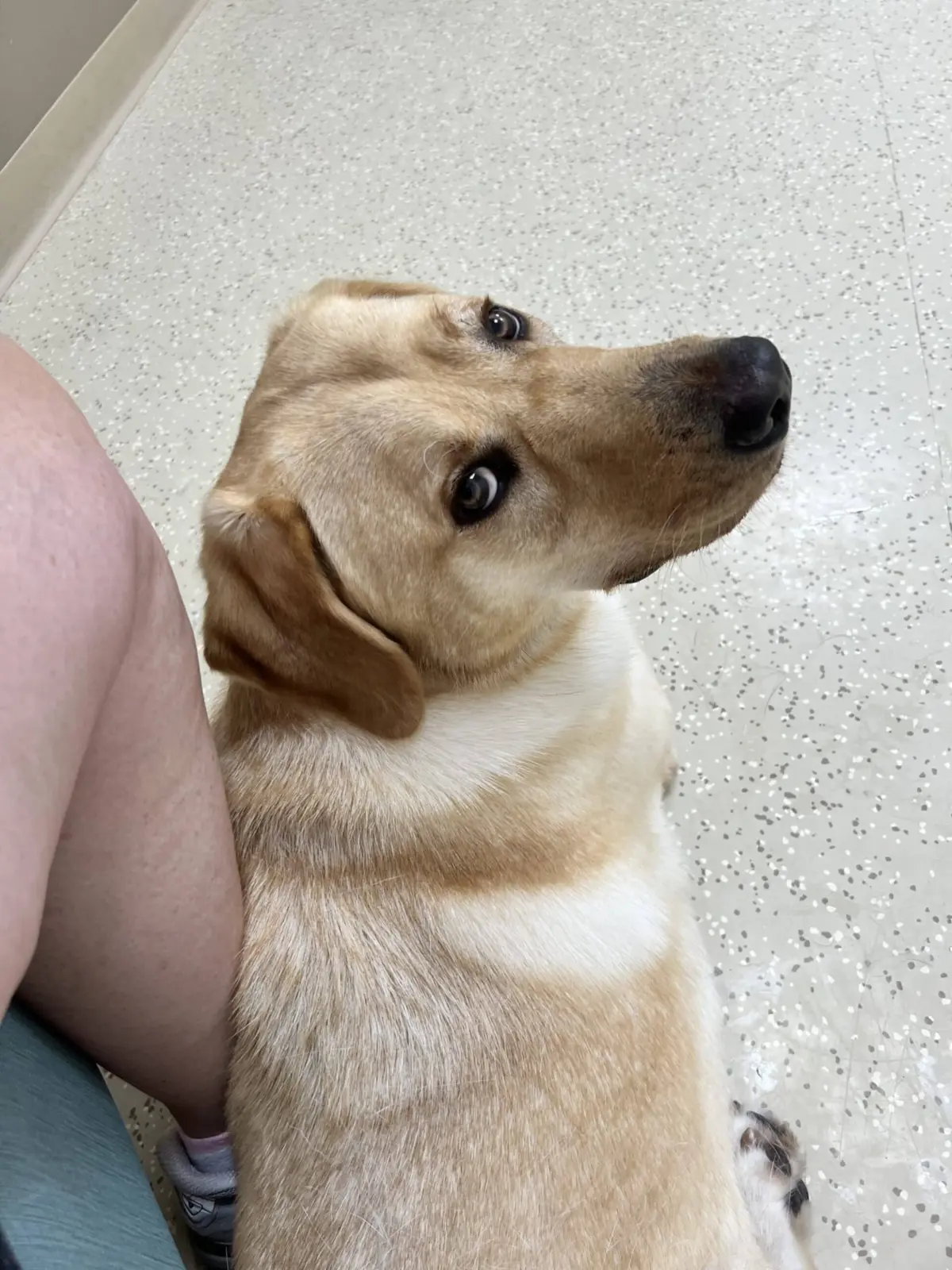
When members of the general public encounter a service dog in a bustling grocery store, a crowded airport terminal, or a quiet restaurant, the immediate instinct for many is one of affectionate curiosity. Calm, focused, impeccably groomed, and preternaturally composed, these working animals present an appealing contrast to the chaos of everyday public spaces. It feels entirely natural to want to lean down, offer a friendly word, provide a quick scratch behind the ears, or tell the canine that they are a "good boy" or "good girl."
However, beneath this benign and well-meaning impulse lies a profound misunderstanding of canine behavior training, accessibility law, and the fundamental mechanics of disability assistance. While the human intention behind reaching out to a service dog is almost universally kind, the definitive consensus among handlers, trainers, and accessibility advocates is clear: the best way to interact with a working service dog is to not interact at all.
Understanding proper service dog etiquette is not merely a matter of polite social convention; it is a critical safety imperative. Service dogs are finely tuned biological instruments and devoted working partners that allow individuals with physical, sensory, and psychological disabilities to navigate the world with autonomy and dignity. When well-meaning strangers distract these animals with uninvited pets, high-pitched cooing, whistling, or offers of food, the consequences extend far beyond a momentary lapse in discipline. For a handler whose safety, mobility, or medical stability depends entirely on that animal’s unbroken concentration, an untimely distraction can trigger catastrophic failures in task execution.
This comprehensive report examines the complex ecosystem of service dog handling, the legal and functional definitions that separate working animals from household pets, the hidden mechanics of cognitive distraction, and the societal obligations required to ensure these vital partnerships remain secure and effective.
Detailed Chronology: The Evolution of Public Accessibility and Service Animal Recognition
To fully grasp the contemporary landscape of service dog etiquette, one must understand how public perception and legal protections have evolved over the decades. The integration of assistance animals into mainstream public life is a relatively modern phenomenon shaped by civil rights advocacy, legislative reform, and advancements in professional animal training methodologies.
The Mid-20th Century: The Rise of Specialized Canine Assistance
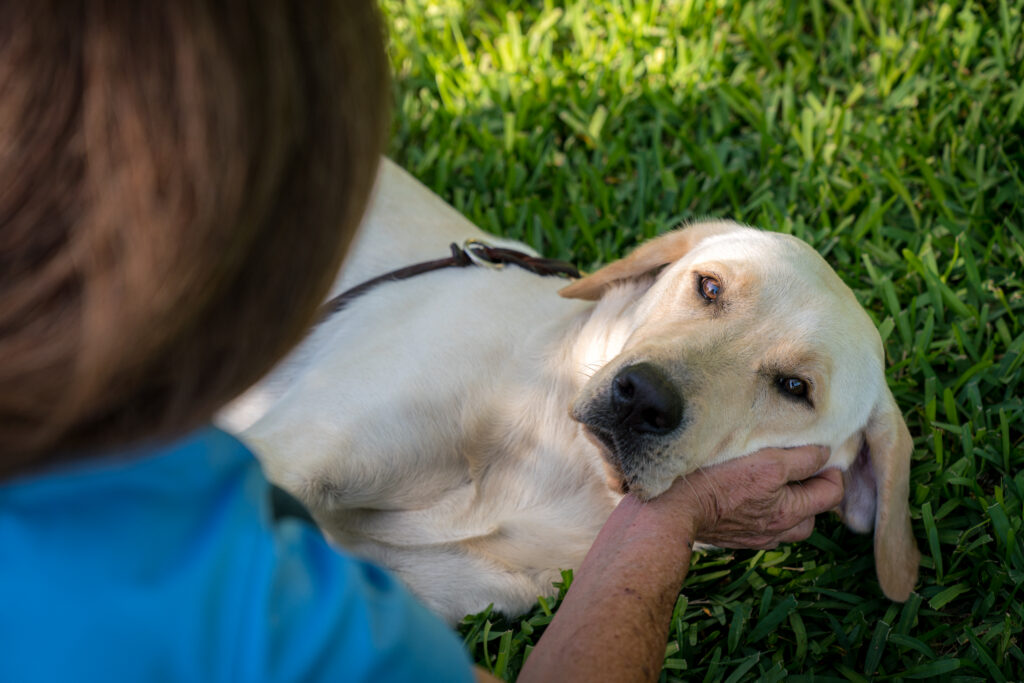
Prior to the mid-20th century, the concept of a trained assistance dog was largely restricted to guide dogs for individuals with visual impairments. The formalization of this movement gained immense traction following World War II, as returning veterans with combat-related disabilities—including severe vision loss—sought pathways back to independent civilian life. Organizations such as The Seeing Eye, established in 1929, laid the groundwork for structured canine training, but public access rights remained largely uncodified. Handlers frequently faced discrimination, arbitrary denials of entry into businesses, and a profound lack of public awareness regarding the function of working guides.
The Landmark Legislation of 1990: The Americans with Disabilities Act (ADA)
A watershed moment in the history of disability rights occurred with the passage of the Americans with Disabilities Act (ADA) of 1990. For the first time in United States history, federal legislation comprehensively protected individuals with disabilities from discrimination across employment, public accommodations, transportation, and state and local government services.
Crucially, Title III of the ADA established explicit federal standards regarding service animals. It mandated that state and local governments, businesses, and non-profit organizations that serve the public must permit service animals to accompany people with disabilities in all areas where members of the public are normally allowed to go. This legislative framework transformed the service dog from a discretionary accommodation into a federally protected civil right.
The 2010 Regulations and the Refinement of Scope
As public awareness of hidden disabilities grew—spanning conditions such as post-traumatic stress disorder (PTSD), severe epilepsy, cardiac syncope, and mobility impairments—the Department of Justice revised its ADA titles in 2010. These revised regulations instituted crucial clarifications, formally restricting the definition of service animals strictly to dogs (and, in limited provisions, miniature horses) that have been individually trained to do work or perform tasks for the benefit of an individual with a disability.
This regulatory adjustment explicitly excluded emotional support animals (ESAs) from public access rights, drawing a bright, unyielding line between animals whose presence provides general therapeutic comfort and those equipped with specialized, task-oriented obedience training. This distinction remains at the heart of modern public education campaigns, as confusion between pets, ESAs, and true service dogs continues to fuel inappropriate public interactions.

Supporting Context & Metrics: The Anatomy of a Working Partnership
To appreciate why public interference is so dangerous, one must examine what a service dog actually is, how it operates within a human-animal team, and the sheer scope of tasks these remarkable creatures perform.
What Defines a True Service Dog?
Under federal guidelines, a service dog is not categorized as a pet. They are highly specialized working professionals. The training process for an elite service dog is rigorous, spanning upwards of two years and costing tens of thousands of dollars per animal. This curriculum encompasses advanced obedience, public access socialization, distraction-proofing, and specialized task training tailored to the specific diagnostic profile of the future handler.
Service dogs are deployed across a vast spectrum of medical and functional needs:
- Guide Dogs: Assisting individuals who are blind or visually impaired by safely navigating street crossings, avoiding architectural obstacles, and identifying directional cues.
- Mobility Support Dogs: Retrieving dropped items, pulling wheelchairs, opening and closing heavy doors, pushing elevator buttons, and providing bracing support for individuals with balance disorders.
- Medical Alert Dogs: Detecting chemical changes in human physiology associated with oncoming medical crises, such as hypoglycemic episodes in diabetics or impending seizures in individuals with epilepsy.
- Psychiatric Service Dogs (PSDs): Assisting individuals with PTSD, severe anxiety, or panic disorders by performing tasks such as deep pressure therapy (DPT), waking handlers from trauma-induced nightmares, interrupting self-harming behaviors, and clearing rooms before the handler enters.
The Cognitive Cost of Interruption
When an individual approaches a service dog to pet it, they underestimate the physiological and psychological shift required of the animal. A working service dog maintains a state of hyper-vigilance regarding its handler’s state and environmental hazards.
When a stranger intervenes with baby talk, outstretched hands, or food offerings, several detrimental events occur simultaneously:
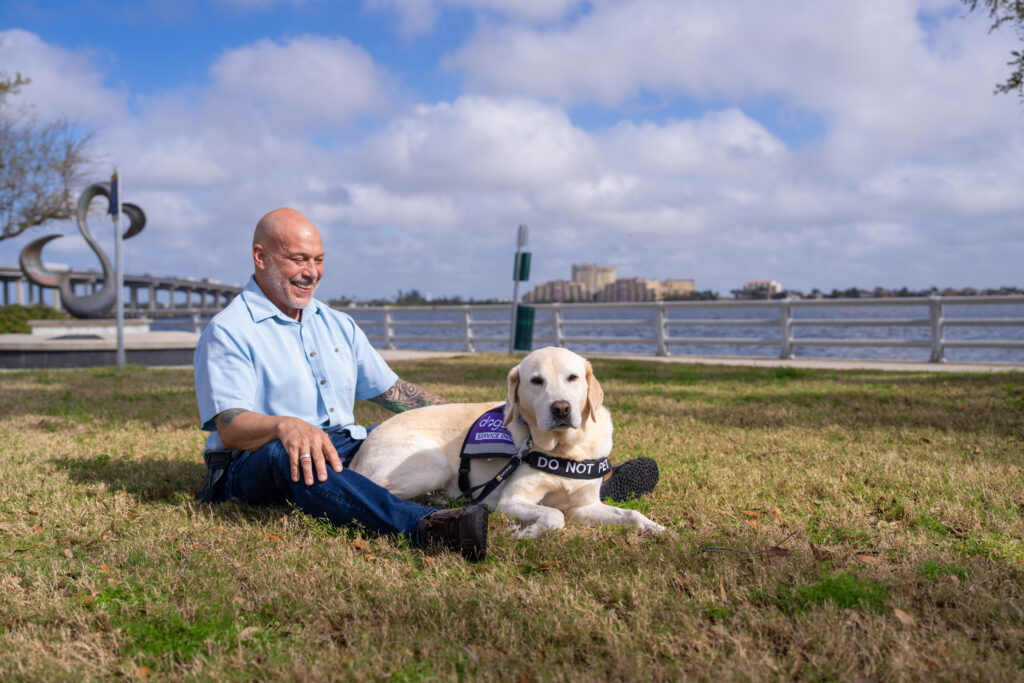
- Dopamine and Excitement Surges: Even the best-trained dog experiences a neurochemical reward cycle when receiving positive human attention. This temporarily pulls the animal’s focus away from environmental scanning.
- Missed Cues: If a service dog is tracking subtle physiological changes (such as a spike in cortisol or a drop in blood sugar) or scanning for environmental threats, a micro-second distraction can cause it to miss the critical window for alerting its handler.
- Handler Vulnerability: For a person relying on a mobility dog for physical stability, a sudden lunge or distraction by the dog toward an approaching stranger can cause the handler to lose their balance, resulting in dangerous falls and physical injury.
Official Statements and Industry Insights
Leading training institutions and disability advocacy groups have increasingly focused their public relations and educational initiatives on the mechanics of proper etiquette. Organizations dedicated to breeding, raising, and placing elite service dogs emphasize that public education is the single most effective tool for reducing handler harassment and operational interference.
Dr. Eleanor Vance, a prominent behavioral veterinarian specializing in working animal psychology, notes the psychological toll that constant public interrogation takes on handlers:
"A service dog team is essentially a single functional unit. When an untrained member of the public forces an interaction with the dog, they are bypassing the human partner entirely. It objectifies the animal, strips the handler of their privacy, and forces a person managing a significant disability to continually act as an impromptu public educator against their will."
Accessibility advocates frequently champion the golden rule of service dog encounters: Talk to the person, not the dog.
When an observer focuses entirely on the animal—cooing, whistling, or asking questions about the breed while ignoring the human handler—it marginalizes the individual with the disability. Professional trainers stress that if a member of the public wishes to express admiration for the team, the proper protocol is to address the human handler respectfully, maintain physical distance, and, if appropriate, ask whether the dog is currently off-duty and open to interaction.

Future Outlook: Technology, Education, and the Path Forward
As society becomes increasingly conscious of inclusivity and neurodiversity, the future of service dog integration points toward proactive education, digital awareness campaigns, and clearer institutional policies.
Expanding Educational Outreach in Schools and Businesses
The most sustainable method for eliminating improper service dog interactions is early childhood education. By integrating lessons on service dog etiquette into primary school curricula—teaching children to admire working animals quietly from a distance—society can foster a generational shift in how assistance animals are perceived.
Simultaneously, commercial enterprises—ranging from hospitality chains to healthcare systems—are increasingly training their frontline staff in accessibility compliance and service dog etiquette. Rather than treating service dog teams as anomalies, modern businesses are cultivating environments where handlers can move through public spaces with absolute anonymity and peace of mind.
The Boundaries of Technology and Future Assistance Paradigms
While biomedical engineering and robotics continue to advance, no mechanical device has yet replicated the multi-faceted, intuitive capabilities of a living service dog. Canine olfaction remains vastly superior to any synthetic chemical sensor for medical alerts, and the emotional companionship provided by a trained working partner holds therapeutic value that technology cannot match. Consequently, service dogs will remain an indispensable pillar of independent living for individuals with disabilities for generations to come.
Summary: A Call for Mindfulness and Respect
The inquiry "Can you pet a service dog?" carries a straightforward answer: No, not unless you have asked explicit permission and received a clear invitation from the handler.
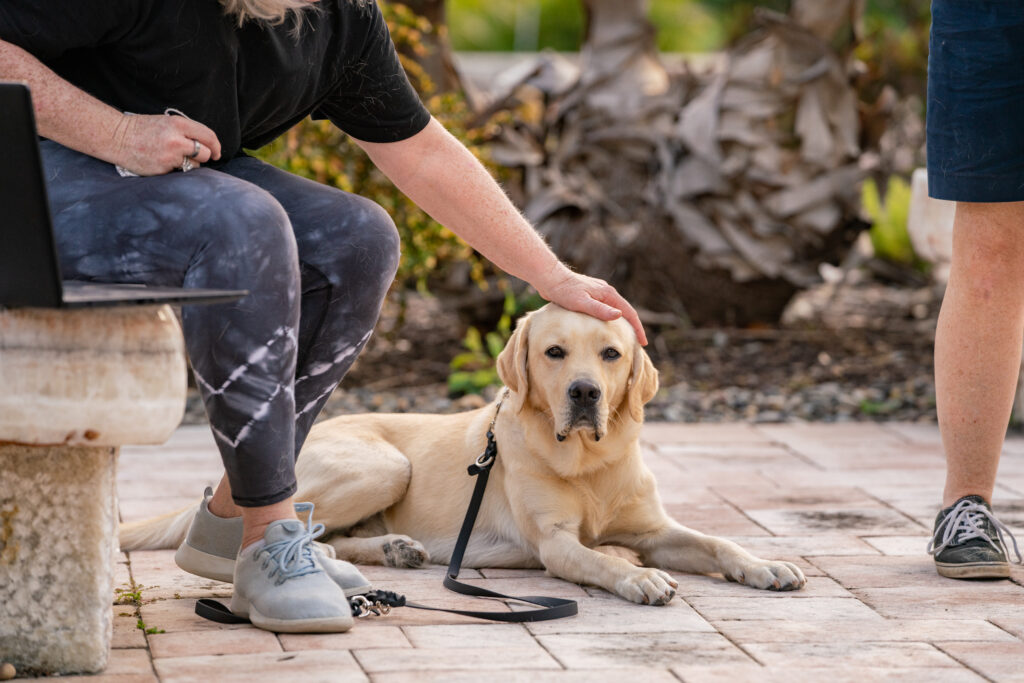
The next time you encounter a service dog team in a public space, remember that beneath the calm, serene exterior lies a dedicated professional hard at work. By honoring their workspace, resisting the impulse to distract or feed them, and directing your interactions respectfully toward the human handler, you play an active role in preserving the safety, independence, and dignity of individuals with disabilities. A little awareness, restraint, and respect go an extraordinarily long way in ensuring that these life-changing partnerships continue to thrive.