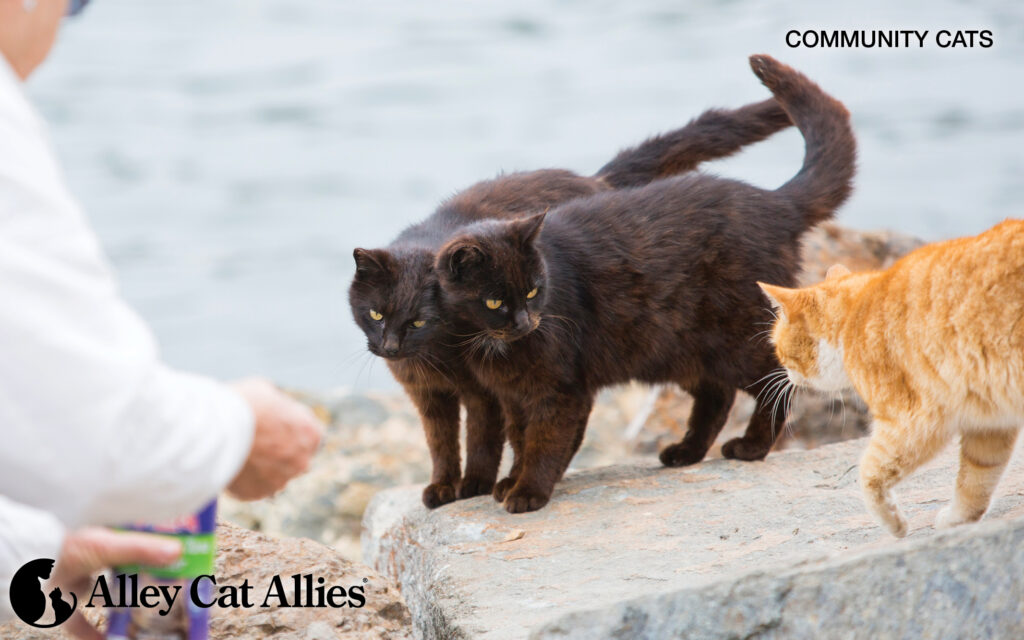
Across the United States and its territories, the welfare of community cats hangs in a delicate balance between punitive municipal measures and progressive, science-based management policies. As of September 2026, Alley Cat Allies—the global engine of the feline advocacy movement—is engaged in high-stakes multi-front campaigns spanning the Caribbean, California, Florida, and Michigan.
Recent milestones illustrate both the fragility of feline safety and the profound impact of organized advocacy. From pushing for legislative recognition of Trap-Neuter-Return (TNR) in Puerto Rico and Michigan to combating regressive cat-feeding bans in Ripon, California, and demanding strict animal cruelty prosecutions in Biscayne Park, Florida, the organization continues to shape the legal landscape for animal welfare. This report provides an in-depth examination of these developments, detailing the legislative battles, enforcement actions, and grassroots mobilizations defining the current state of feline advocacy.
Detailed Chronology: Key Developments in Feline Protection
1. Puerto Rico: Capitalizing on Momentum from Paseo del Morro
The journey toward systemic reform in Puerto Rico began with a hard-fought battle to protect the community cats of Paseo del Morro from the jurisdiction of the U.S. National Park Service. That victory galvanized local activists and global supporters alike, serving as a catalyst for broader policy changes across the island territory.
Building on this momentum, Alley Cat Allies reached out to Puerto Rican legislators to congratulate them on the landmark legislative chamber passage of House Bill 1192 (H.B./P.C. 1192). This critical bill formally recognizes and supports Trap-Neuter-Return (TNR) as a foundational pillar for promoting peaceful, sustainable coexistence within urban and rural communities. Alley Cat Allies has stepped forward to offer its extensive institutional expertise, guidance, and logistical support to ensure that the final iterations of the bill provide ironclad protections for both community cats and the compassionate citizens who care for them.
2. Biscayne Park, Florida: Demanding Justice in Cruelty Cases
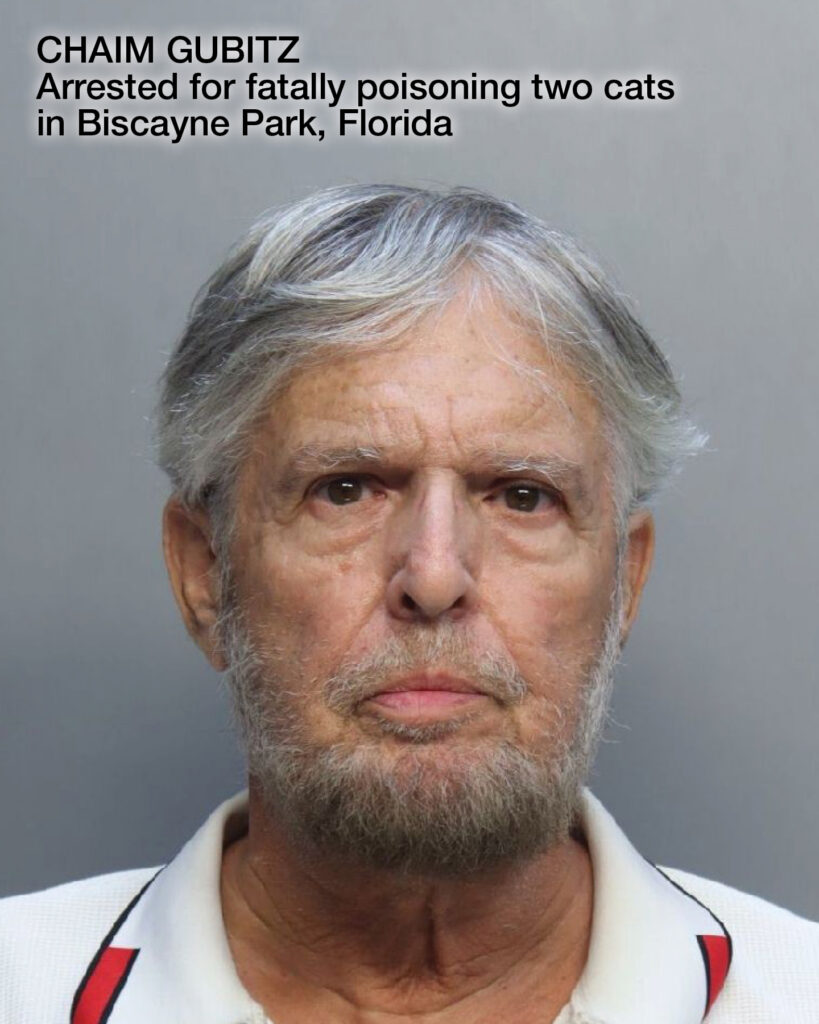
In Florida, the animal welfare community is reeling from a horrific act of deliberate cruelty in Biscayne Park. Chaim Gubitz was recently arrested and formally charged with animal cruelty following the targeted poisoning of two beloved neighborhood cats, "Little" and "Stella."
Surveillance footage allegedly captured Gubitz placing trays of poisoned food along a shared fence line where neighboring pets had direct access. Both animals suffered agonizing deaths—a stark reminder that poisoning is an exceptionally cruel method of extermination that inflicts severe, prolonged physical agony.
Alley Cat Allies has intervened directly in the judicial process, sending a formal letter to the prosecuting attorney urging the maximum possible criminal sentence. Furthermore, the organization has made its specialized team of animal cruelty investigators available to assist the prosecution, signaling a zero-tolerance stance against crimes targeting domestic and community animals.
3. Ripon, California: Defeating a Punitive Feeding Ban
In August 2026, the Ripon City Council introduced Ordinance 939, a draconian piece of legislation designed to outlaw the feeding of cats on public property. Recognizing that feeding bans are uniformly counterproductive, cruel, and ineffective at reducing cat populations, Alley Cat Allies mobilized immediately. The organization issued a formal letter of strong opposition to city councilmembers, detailing the ecological and humane failures inherent in such bans.
The advocacy effort reached a crucial turning point on September 8, when local Ripon residents packed the city council chambers to defend community cats and voice their unwavering support for TNR. Confronted with unified community resistance and expert guidance from Alley Cat Allies—which was specifically requested by a city councilmember seeking constructive alternatives—the council voted to postpone Ordinance 939 for major revision.
However, vigilance remains necessary; the city is currently evaluating an auxiliary registration mandate that threatens to impose a "chilling effect" on citizen participation in TNR programs.
4. Michigan: Refining Statewide TNR Legislation
During the summer of 2026, Michigan Representative Jason Morgan introduced House Bill 6317 (HB 6317), a legislative initiative intended to institutionalize and promote TNR programs statewide. While Alley Cat Allies commended the representative’s commitment to progressive feline welfare, a rigorous legal review revealed several areas ripe for improvement.
To ensure the law is as robust and frictionless as possible, Alley Cat Allies submitted detailed recommendations for amendments to HB 6317. These suggested modifications are designed to strip away bureaucratic barriers that could inadvertently hinder TNR practitioners, clarify operational provisions, and safeguard caregivers from legal ambiguity.
Supporting Context & Metrics
To fully understand the urgency of these campaigns, one must examine the empirical data surrounding community cat management and human-animal conflict:
The Fallacy of Feeding Bans: Decades of municipal data across the United States prove that criminalizing the feeding of community cats does not reduce populations. Instead, it scatters cats, forces them into unmanaged scavenging behaviors, and creates public health friction. TNR, by contrast, stabilizes populations through sterilization.
The Lethality of Poisoning: According to veterinary toxicologists, common illicit poisons used against urban wildlife and neighborhood cats (such as organophosphates, rodenticides, and carbamates) cause neurological collapse, internal hemorrhaging, and respiratory failure over hours or days.
Legislative Trajectory: The introduction of statewide bills like Michigan’s HB 6317 and territorial bills like Puerto Rico’s H.B. 1192 reflect a nationwide paradigm shift away from archaic "catch-and-kill" animal control models and toward modern, humane community-coexistence frameworks.
Official Statements and Expert Perspectives
The leadership at Alley Cat Allies has maintained a steadfast voice across all active campaigns, emphasizing that humane treatment and community collaboration are non-negotiable prerequisites for sustainable animal control.
"The fight to protect community cats is fundamentally a fight for the compassion and integrity of our communities," notes the advocacy coalition in their recent policy briefs. "Whether facing down the U.S. National Park Service in Puerto Rico, fighting regressive ordinances in California, or demanding maximum accountability for animal abusers in Florida, our message remains clear: TNR works, and caregivers are community assets, not liabilities."
Regarding the Biscayne Park poisoning incident, animal cruelty experts underscore the importance of aggressive prosecution:
"Poisoning is an insidious and agonizing cause of death. To deliberately leave out toxic agents accessible to pets and community wildlife is an unambiguous act of extreme cruelty that demands the full force of the law."
Future Outlook & Actionable Guidance
As the remainder of 2026 unfolds, Alley Cat Allies will closely monitor the legislative trajectories in Puerto Rico and Michigan, while maintaining an active dialogue with municipal leaders in Ripon, California. The overarching objective is to institutionalize TNR protections while dismantling punitive barriers that penalize animal caregivers.
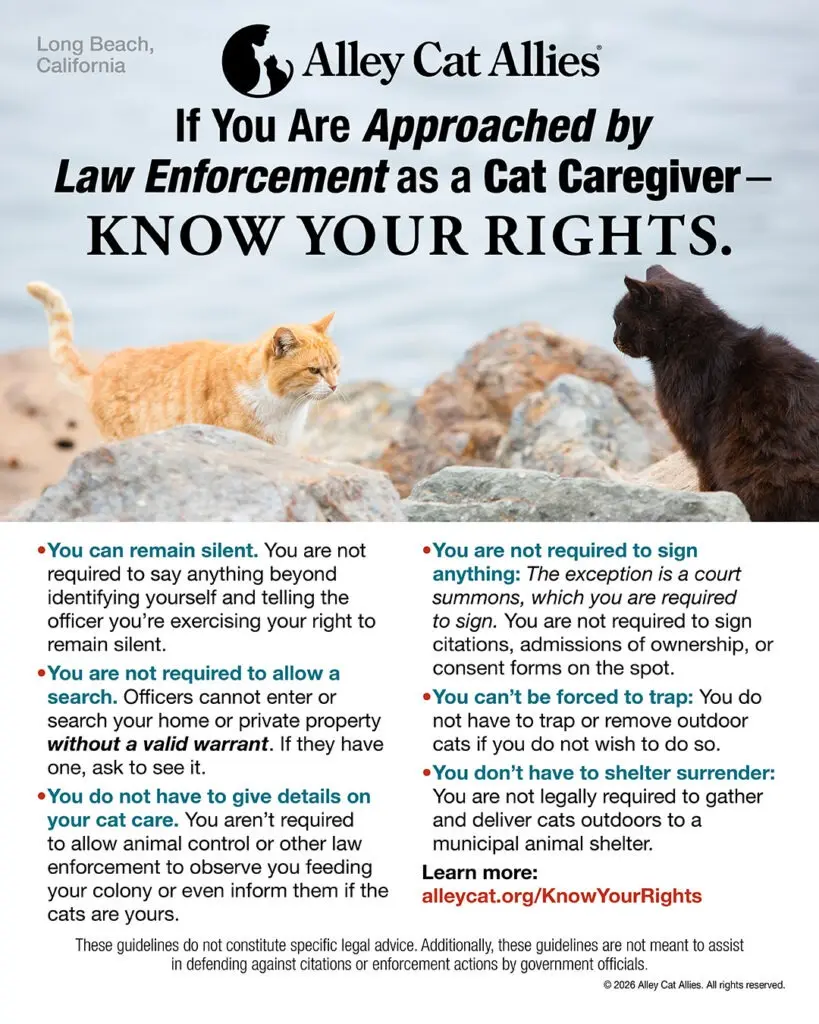
Know Your Rights: A Guide for Cat Caregivers
In light of fluctuating local ordinances and potential conflicts with property owners or municipal authorities, Alley Cat Allies stresses that U.S. citizens and community cat caregivers possess legally protected rights. Understanding these rights is paramount to ensuring personal safety and safeguarding the feline populations under human care.
Caregivers and concerned citizens are encouraged to consult educational toolkits and legal resource pages provided by advocacy networks—such as Alley Cat Allies’ Know Your Rights Guide—to familiarize themselves with local animal protection statutes, constitutional protections regarding private property, and due process protocols during animal control disputes.
(Note: Educational resources provided by animal advocacy organizations are designed for informational purposes and should not be construed as formal legal counsel.)