
Executive Overview
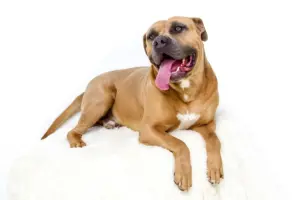
As global summer temperatures reach unprecedented highs, pet owners face a pressing seasonal challenge: safeguarding the health, safety, and comfort of domestic animals. While humans possess sophisticated biological mechanisms for thermoregulation—primarily efficient sweating—our canine and feline companions rely on far more limited methods, such as panting and sweating through their paw pads. Consequently, rising ambient temperatures pose immediate risks of heat exhaustion, heatstroke, and chronic discomfort for household pets.
Recent insights compiled from veterinary experts, behavioral specialists, and product testing teams offer a definitive guide for navigating the summer months. From managing the thermal thresholds of indoor cats and senior pets to outfitting working breeds for mid-day excursions, modern pet care requires an evidence-based approach. This report synthesizes expert recommendations on home climate control, protective gear, outdoor safety, and environmental enrichment, ensuring that pet owners can make informed decisions to protect their animals from heat-related illnesses.
Detailed Chronology: Understanding Pet Thermoregulation and Seasonal Care
The physiological realities of how companion animals experience heat demand a structured approach to seasonal care. Understanding the timeline of a pet’s seasonal adaptation—from the initial shift in spring weather to the peak of summer heatwaves—helps owners anticipate critical management steps.
Phase 1: Spring Transition and Acclimatization
As winter yields to spring, domestic animals begin shedding their heavy undercoats, a natural process heavily influenced by daylight hours and ambient temperatures. During this period, veterinarians advise pet owners to establish baseline indoor and outdoor routines.
- Gradual Exposure: Allowing pets to experience incremental temperature increases naturally aids their physiological acclimatization.
- Preventing Thermal Shock: Drastic, abrupt shifts from heavily air-conditioned interiors to extreme outdoor heat should be minimized, as pets—particularly senior animals or those with pre-existing health conditions—struggle to adjust rapidly.
Phase 2: Peak Summer Management (Midday Protocols)
When ambient temperatures peak during the summer months, daily routines must adapt to protect animals from thermal stress.
- The Asphalt Hazard: Walking dogs during peak daylight hours presents severe risks. Asphalt absorbs and retains solar radiation, frequently reaching temperatures 40 to 60 degrees Fahrenheit higher than the air. This heat can rapidly cause second- and third-degree burns on a dog’s paw pads.
- Timing and Terrain: Walks must be restricted to early-morning or late-evening hours. When outdoor excursions are unavoidable, routing walks over shaded grass significantly reduces heat transfer. For inevitable contact with warm pavement, specialized protective footwear—such as the Wagwear WagWellies Mojave—serves as a critical barrier against thermal burns and abrasions.
Phase 3: Indoor Climate Control and Mitigation
When outdoor conditions render prolonged exposure unsafe, pets spend the vast majority of their time indoors. Managing the microclimate of a home or apartment becomes the primary line of defense against heat exhaustion.
- Thermal Neutral Zones: Feline behaviorists emphasize that cats possess a distinct "thermoneutral zone"—the temperature range where their metabolic rate is minimal and no active energy is expended to heat or cool the body. While cats inherently appreciate warmth, excessive indoor heat without adequate ventilation or air conditioning creates dangerous environments.
- Air Conditioning Efficiency: HVAC experts recommend maintaining a stable, moderate indoor temperature (typically in the upper 70s Fahrenheit) rather than turning systems completely off when residents leave for work. Consistent climate control prevents rapid spikes in indoor temperature and proves more energy-efficient in the long run.
Supporting Context & Metrics: Gear, Behavior, and Environmental Factors
A thorough evaluation of pet cooling products and environmental factors reveals which interventions offer genuine physiological relief versus those that serve merely as cosmetic accessories.
Evaluating Cooling Gear
Independent product testing highlights several categories of gear designed to assist pets in regulating their body temperature:
- Pressure-Activated Cooling Mats: Products like The Green Pet Shop Cool Pet Pad utilize non-toxic, pressure-activated gel technology. When a pet lies on the mat, the gel absorbs body heat, dissipating it back into the ambient air through normal conduction. Unlike standard foam beds that trap heat, these mats provide a continuously cooler surface without requiring refrigeration or electricity.
- Evaporative Cooling Vests: For dogs that experience severe heat intolerance—such as Nordic breeds (Huskies, Malamutes) or brachycephalic dogs (Bulldogs)—evaporative vests like the Ruffwear Swamp Cooler Dog Vest offer significant relief. By soaking the vest in water, the natural process of evaporation continuously draws heat away from the dog’s core torso. Furthermore, integrated UPF 50+ sun protection safeguards dogs with thin coats from harmful ultraviolet radiation.
- Hydration Solutions: Maintaining proper hydration during movement is essential. Collapsible, waterproof fabric bowls, such as the Ruffwear Quencher Packable Dog Bowl, allow handlers to provide fresh water continuously during outdoor transit, preventing dehydration-induced hyperthermia.
Feline Enrichment and Safety
Indoor cats frequently display an intense psychological drive to access the outdoors, often bolting toward open doors or windows. While free-roaming cats face severe external threats—including vehicular traffic, predators, and native wildlife disruption—restricting them entirely can lead to chronic indoor stress.
- Vertical Territory and Catios: Innovative products such as The Purrgola (a window-mounted, clear-acrylic catio) offer a secure, renter-friendly compromise. These units attach firmly to standard windows, providing felines with a panoramic, sun-drenched viewing perch. This satisfies their natural instincts for territorial surveillance and sunbathing without exposing them to environmental hazards.
- Screen Security: DIY enclosures and screened porches must be constructed with heavy-duty, claw-proof materials, as standard household window screens are easily breached by determined felines.
Official Statements and Expert Perspectives
Prominent veterinarians, animal behaviorists, and HVAC specialists emphasize that pet cooling strategies must be tailored to the specific physiological profile of each animal.
"We know that cats like warmth, and that’s partly because cats have a thermo-neutral zone, which is the temperature range at which their bodies are not exerting a lot of energy trying to either cool off or warm up."
— Mikel Delgado, Certified Applied Animal Behaviorist and Cat-Behavior Consultant
Dr. Delgado notes that while cats tolerate higher ambient temperatures better than dogs, owners must remain vigilant against extreme heat spikes, particularly in poorly ventilated apartments or upper-floor units.
"Their short-term adaptability depends on the regular temperature at which the house is kept. For example, if the owners are home and the temperature is around 72, without AC it can quickly jump to 85; then the cat may feel uncomfortable at the highest temperature, which would probably be tolerated if the cat’s body had time to adjust."
— Carlo Siracusa, Veterinary Behavior Specialist and Professor, University of Pennsylvania School of Veterinary Medicine
Dr. Siracusa highlights that sudden fluctuations in indoor climate present significant physiological hurdles. Maintaining a stable baseline temperature protects pets from the shock of rapid thermal shifts.
Addressing home climate management, HVAC and energy efficiency experts also note the operational realities of modern cooling systems:
"As it turns out, the most efficient way to keep your home cool and the bills low is to leave the AC running—ideally, with the temperature turned up toward the upper 70s."
— Thom Dunn, HVAC and Consumer Technology Journalist
Leaving the air conditioning running at a moderate setting prevents thermal accumulation in structural walls and furnishings, ensuring that returning pets do not encounter an overheated living space.
Future Outlook: Sustainable Pet Care in a Warming Climate
As summer heatwaves increase in frequency and duration due to shifting global climate patterns, the pet care industry must continue to innovate. Protecting domestic animals from extreme temperatures will increasingly rely on smart-home integration, advanced material science, and proactive veterinary medicine.
Technological Advancements in Pet Safety
Future developments in pet care technology are expected to focus on proactive monitoring systems:
- Smart Thermostats and Remote Monitoring: Integration of pet-specific temperature sensors into home automation systems will allow owners to monitor micro-climates in real-time, receiving automated alerts if indoor temperatures exceed safe thresholds.
- Advanced Phase-Change Materials (PCMs): Building upon current cooling mat technology, next-generation cooling garments and bedding will likely incorporate advanced PCMs originally developed for aerospace and athletic applications. These materials absorb thermal energy at precise phase-change temperatures, offering prolonged cooling without requiring water activation or refrigeration.
The Evolving Role of Veterinary Guidance
Veterinary medicine will continue emphasizing preventive education. Owners of vulnerable populations—including brachycephalic breeds, elderly animals, and working-dog mixes living in urban environments—must be equipped with comprehensive risk-assessment tools. By combining environmental controls, targeted protective gear, and an understanding of animal thermoregulation, pet owners can ensure their companions remain safe, healthy, and comfortable throughout the challenging summer months.