
Executive Overview
Despite persistent economic pressures, inflation, and tighter household budgets across the United States, pet owners are demonstrating an extraordinary level of financial resilience when it comes to the care of their companion animals. According to comprehensive data from Elanco Animal Health’s October 2026 U.S. consumer survey, the American pet care market continues to operate largely insulated from broader discretionary spending pullbacks.
The findings reveal that animal health and wellness are no longer viewed by
consumers as flexible budget line items. Instead, they represent an indispensable, emotionally driven commitment. An overwhelming majority of dog and cat owners maintain or even expand their spending on veterinary care, therapeutic diets, preventative medications, and overall wellness products. This steadfast consumer behavior underscores a fundamental cultural shift in how modern households perceive pets: they are not merely animals in the home, but core family members whose health and longevity are elevated to the same—or even higher—priority level as human family members.
For the veterinary industry, pharmaceutical manufacturers, and retail stakeholders, this resilience provides a powerful indicator of market stability. Even as consumers aggressively cut back on traditional discretionary sectors like dining out, entertainment, and luxury travel, pet care remains a fortress of consistent demand. However, the survey also highlights evolving consumer habits, particularly regarding supply chains and medication purchasing channels. As pet owners increasingly diversify where they buy pharmaceuticals—balancing traditional veterinary clinics with online pharmacies and mass retailers—veterinarians retain their most potent asset: unyielding clinical trust. Recommendations from trusted animal healthcare professionals remain the single most influential driver of brand switching and product adoption, superseding financial incentives like discounts and rebates.
This report provides an in-depth examination of the Elanco October 2026 consumer survey data, analyzing the economic fortitude of American pet parents, shifting purchasing dynamics, the deep psychological bonds driving this market, and what these trends signify for the future of the animal health sector.
Detailed Chronology & Methodology of the Elanco Survey
To understand the current state of consumer sentiment regarding pet expenditures, Elanco Animal Health deployed a robust, nationally representative digital survey in the autumn of 2026.
Fieldwork and Data Collection
The research initiative was executed by Elanco’s market intelligence teams, capturing real-time consumer data from October 16 to October 21, 2026. The survey evaluated a broad cross-section of the American public, drawing responses from 2,018 U.S. adults overall. Within this broader demographic sample, the core analytical focus honed in on 1,495 dedicated dog and cat owners. This targeted cohort provided granular insights into household budgeting, spending trends, anticipated future acquisitions, and purchasing behaviors regarding animal health products.
Longitudinal Consistency
The October 2026 findings do not exist in a vacuum. They align seamlessly with prior consumer pulse surveys conducted by Elanco earlier in the year—specifically in February and May 2026. Across all three polling periods, macroeconomic indicators showed consumers grappling with cost-of-living increases, fluctuating interest rates, and cautious sentiment regarding the broader national economy. Yet, across every wave of data collection, pet spending metrics remained remarkably stable.
This longitudinal consistency challenges traditional economic models. Historically, consumer discretionary spending models dictate that when household financial pressures mount, spending on non-essential goods and services contracts rapidly. The continuous data gathered by Elanco throughout 2026 demonstrates that pet health and wellness spending has effectively graduated from the "discretionary" category into the realm of "non-negotiable essentials" for the modern American consumer.
Supporting Context & Core Metrics: The Numbers Behind the Resilience
The statistical findings of the October 2026 survey paint a vivid picture of consumer dedication. The depth of this commitment is best understood through the specific behavioral metrics and cross-sector comparisons captured during the research period.
Spending Stability and Growth
When asked about their spending habits over the three months leading up to the October survey, 93 percent of surveyed dog and cat owners reported that they either maintained or increased their overall pet-related expenditures. Breaking this figure down further:
- 61 percent maintained their spending levels, absorbing minor inflationary costs without altering the quality or frequency of care their pets received.
- 32 percent actively increased their spending over the preceding quarter, investing more heavily in premium nutrition, preventative care, and advanced veterinary treatments.
- A mere 7 percent indicated that they had scaled back their pet health expenditures due to economic pressure.
Looking forward, this sentiment holds steady. The exact same proportion—93 percent of respondents—reported expectations to maintain or increase their pet spending over the subsequent 12-month period.
The Contrast with Discretionary Sectors
To contextualize how uniquely insulated the pet care sector is, one must look at how these same consumers manage other lifestyle expenses when facing economic constraints. When presented with potential areas for household budget reduction:
- 54 percent of respondents stated they would explicitly cut back or eliminate spending on dining out and entertainment.
- Only 7 percent stated they would reduce pet health spending.
This staggering differential highlights a profound structural shift in consumer prioritization. For millions of households, cutting back on restaurant meals or leisure activities is an easy sacrifice if it preserves the financial bandwidth required to provide top-tier healthcare, specialized diets, and comfort items for their pets.
Medication Purchasing Dynamics and the Role of the Veterinarian
While spending remains robust, the where and how of consumer purchasing behavior continue to evolve. The survey revealed that 38 percent of pet owners had shifted some or all of their medication purchases outside of traditional veterinary clinics over the past one to two years.

This shift reflects the broader omnichannel transformation of the pet health landscape, with consumers frequently dividing their purchases among:
- Traditional veterinary clinic pharmacies.
- Dedicated online pet pharmacies.
- Mass-market retail and e-commerce outlets.
Despite this decentralization of supply chains, the ultimate gatekeeper of pet health trust remains unchanged. When analyzing why pet owners decide to switch medications or adopt new therapeutic products, veterinarians’ recommendations emerged as the primary driving force. Remarkably, professional clinical recommendations outweighed financial incentives such as manufacturer discounts, rebates, and promotional pricing. This underscores the enduring power of the veterinarian-client-patient relationship (VCPR) in guiding consumer choices, even in a digital-first retail environment.
Future Adoption Intentions
The pipeline for future pet care demand also remains exceptionally healthy. The survey data revealed that 25 percent of current pet owners anticipate adopting another dog or cat within the next year. This strong appetite for expansion indicates that the total addressable market for pet products and veterinary services will continue to grow, driven by both deeper spending per animal and an increasing total pet population in American households.
Official Statements & Industry Analysis
Industry leaders have been quick to analyze the profound implications of these findings, noting that the human-animal bond has fundamentally altered the economics of the pet care sector.
Bobby Modi, Executive Vice President of U.S. Pet Health and Digital Transformation at Elanco, provided deep insight into the psychological and economic realities driving these trends:
"Our October data reinforces what we see every day across the marketplace: pet health is not a discretionary luxury, but a deeply emotional, non-negotiable commitment," Modi stated.
"Even in challenging macroeconomic environments, pet parents consistently prioritize the health, comfort and longevity of their animals. We have seen this in Elanco’s results with strong growing demand for our pet health innovations that continue to build the standard of care, reinforcing our expectations for exceptional resilience for our pet health business."
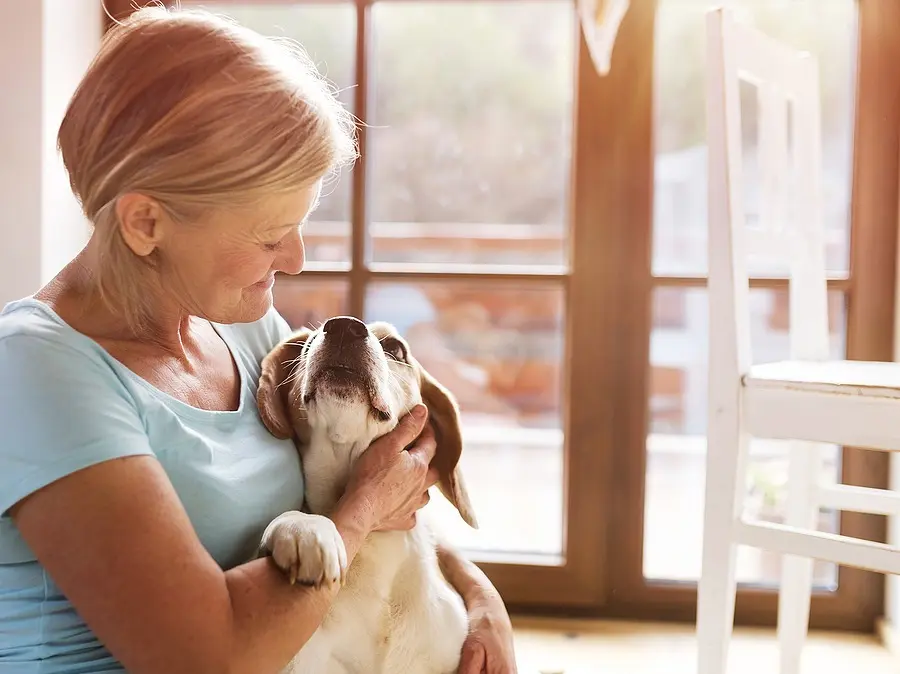
Industry analysts point out that Modi’s assessment captures a structural evolution in consumer psychology. Over the past decade, and particularly accelerated by lifestyle shifts during and following the global health crises of the early 2020s, pets have assumed an unprecedented role in emotional support, companionship, and mental wellness for their owners.
Furthermore, demographic shifts—such as delayed marriage, lower birth rates among younger generations, and the aging baby boomer population seeking active companionship—have cemented pets as surrogate family members. When an animal is viewed as a child or an irreplaceable companion, budgetary austerity measures applied to automobiles, apparel, or vacations simply do not extend to the living creature dependent on that household for its well-being.
Future Outlook: The Road Ahead for Animal Health and Wellness
As the industry looks past the final quarter of 2026 and toward the horizon, the convergence of deep emotional commitment, ongoing innovation in veterinary medicine, and shifting retail channels presents a dynamic roadmap for stakeholders.
1. Innovation as a Growth Driver
Because pet owners are fiercely dedicated to the longevity and quality of life of their animals, demand for cutting-edge therapeutic solutions will continue to accelerate. Diseases that were once managed with palliative care are now being targeted with advanced therapeutics, monoclonal antibodies, precision diagnostics, and regenerative medicine. Companies that invest heavily in research and development to raise the standard of care—addressing canine osteoarthritis, feline chronic kidney disease, behavioral disorders, and preventative parasiticides—will find a deeply receptive consumer base willing to pay for efficacy.
2. Navigating the Omnichannel Reality
For veterinary practices and animal health corporations, the reality that 38 percent of consumers utilize non-clinic purchasing channels for medications requires strategic adaptation. Clinics can no longer rely solely on in-house pharmacy sales as a primary revenue anchor. Instead, veterinarians must lean into their core competitive advantage: trusted clinical expertise. By partnering with reliable online home-delivery platforms, offering transparent consultations, and reinforcing the clinical rationale behind specific therapeutic choices, veterinary professionals can maintain their influence over product selection while securing compliance and patient safety.
3. Economic Resilience as a Permanent Market Feature
The consistent data collected by Elanco across February, May, and October 2026 strongly suggests that pet health resilience is not a temporary anomaly. It is a permanent structural characteristic of the modern consumer economy. While macroeconomic fluctuations will always create short-term noise, the fundamental baseline of pet spending has shifted upward permanently.
For investors, manufacturers, practice owners, and retail platforms alike, the message from the American pet owner is unequivocal: the health, happiness, and longevity of companion animals occupy a protected tier of household budgeting. As 87 percent of survey respondents affirmed that their pets’ well-being is just as important as their own—and 63 percent rated it more important—the animal health and wellness sector stands uniquely positioned to weather any economic storm, anchored by the unbreakable strength of the human-animal bond.