The domestic cat (Felis catus) has shared human history for nearly 10,000 years, evolving from a utilitarian pest-controller in the agricultural cradles of the Near East into an omnipresent domestic companion. Yet, despite centuries of co-existence, the modern feline remains a masterclass in biological diversity. While some cats blend into the background with classic tabby coats and standardized proportions, an elite echelon of breeds stops admirers in their tracks before a single step is taken.
From the wild, leopard-spotted allure of the Bengal to the aristocratic, plush-coated elegance of the Russian Blue, the architectural variety of the feline world is staggering. These striking physical adaptations—ranging from backward-curving ears and hairless, suede-textured skin to oversized frames and luxurious multi-layered manes—do not exist in a vacuum. They are invariably paired with equally distinct behavioral profiles, vocalizations, and energy levels.
This comprehensive report examines twelve of the world’s most visually striking and structurally unique cat breeds. Beyond cataloging their phenotypic characteristics, this investigation delves into the ethology, genetic histories, and welfare considerations associated with maintaining these extraordinary companions in a modern domestic environment.
Detailed Chronology & Evolutionary Background
To understand how modern domestic cats achieved such wild divergence in form, one must examine the intersection of natural selection, geographic isolation, and deliberate human intervention. The chronology of distinct feline phenotypes bridges ancient history and modern animal husbandry.
1. Ancient Foundations and Natural Adaptations (Pre-19th Century)
The Norwegian Forest Cat & Turkish Van: Centuries of harsh winters in Scandinavia and the mountainous regions of Lake Van in Turkey forced these populations to develop specialized natural adaptations. Thick, water-resistant double coats, heavy bone structures, and large paws functioned as evolutionary survival mechanisms long before formal breeding programs existed.
The Persian: Emerging from the historical trade routes of Persia (modern-day Iran), longhaired cats captivated European nobility by the 17th century, representing an early appreciation for luxurious mutations in coat length and facial structure.
2. The Birth of Fancy and Breed Standardization (Late 19th – Mid 20th Century)
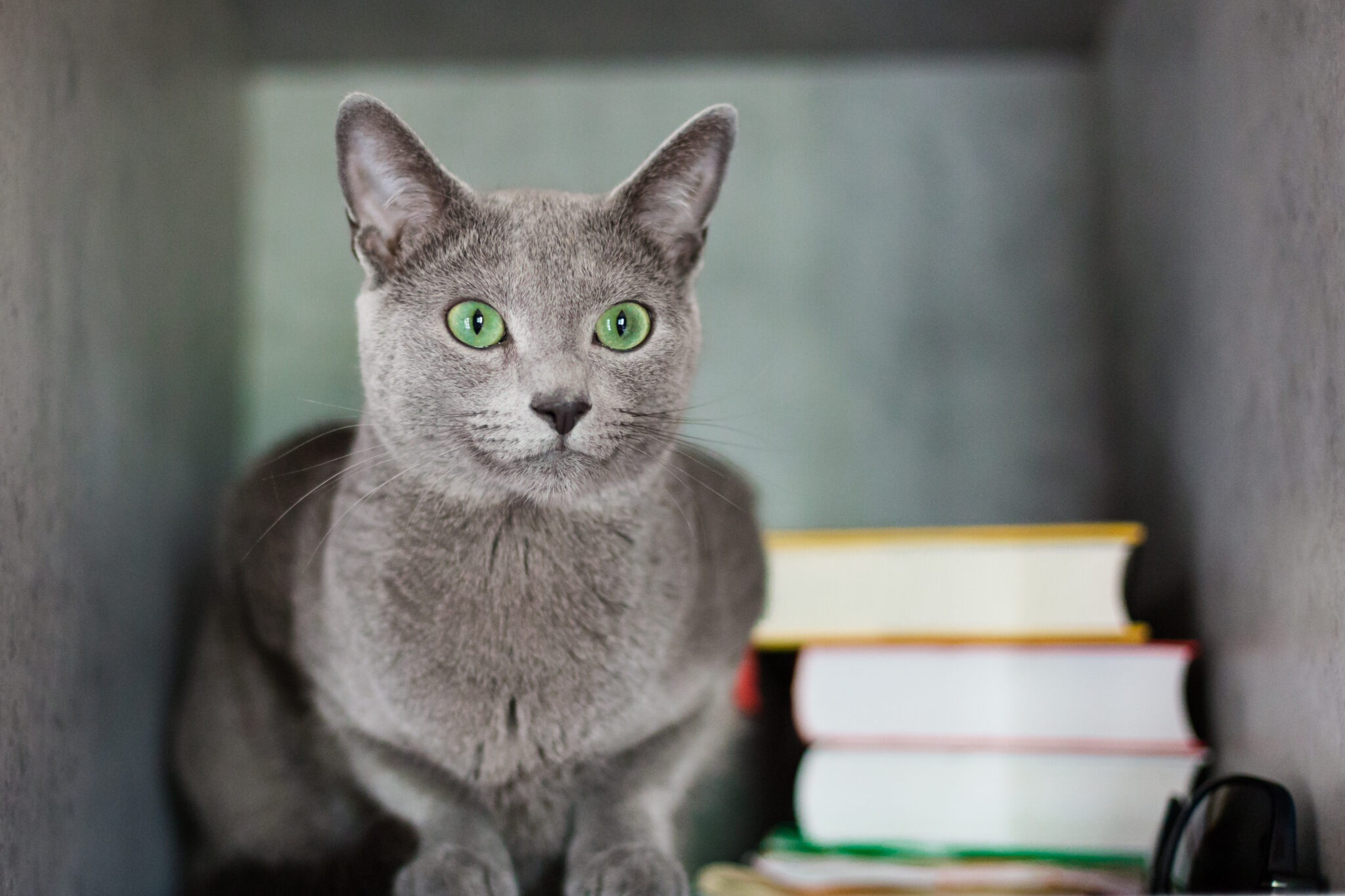
The Russian Blue: Documented in naval ports and royal courts across Northern Europe and Russia, the Russian Blue gained formal recognition in Western cat shows during the late 1800s, prized for its unique silver-tipped double coat and vivid emerald eyes.
The Persian Refinement: Victorian breeders systematically selected for shorter muzzles, rounder heads, and voluminous coats, establishing the modern Persian type that dominates traditional cat fancies.
3. Modern Genetic Mutations and Designer Breeds (Late 20th Century – Present)
The Bengal (1960s–1980s): Dr. Willard Centerwall and subsequent breeders successfully crossed the Asian Leopard Cat (Prionailurus bengalensis) with domestic shorthairs, creating a high-energy, spotted hybrid that captured the wild aesthetic within a manageable domestic temperament.
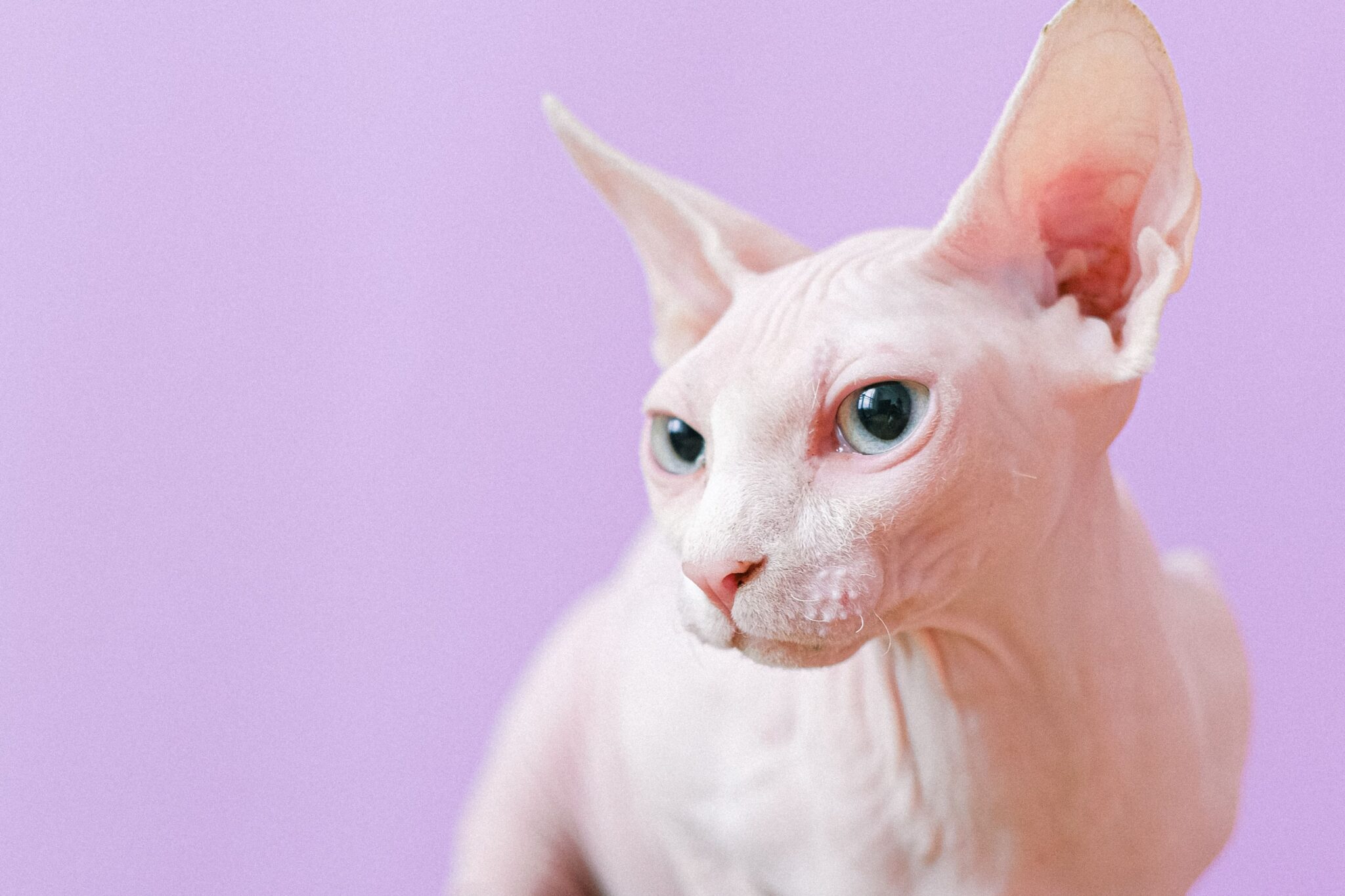
The Sphynx (1966): Originating from a natural spontaneous genetic mutation in Toronto, Canada, that produced hairless kittens, breeders stabilized the trait to create the iconic suede-skinned companion.
The Scottish Fold (1961): Discovered on a farm in Perthshire, Scotland, a barn cat with folded ears became the progenitor of a breed characterized by its distinct osteochondrodysplasia-linked cartilage mutation.
Recent Innovations (American Curl, Devon Rex, Oriental Shorthair): Spontaneous mutations yielding curled ears, rippled rex coats, and slender, exaggerated oriental body types were carefully isolated and preserved by dedicated feline fanciers, expanding the boundaries of domestic cat morphology.
The architectural variance among cat breeds can be quantified across several biological and behavioral dimensions. Understanding these metrics helps prospective owners make informed decisions regarding space, care requirements, and compatibility.
Physical Metrics and Care Demands
Breed
Average Weight Range
Coat Type / Maintenance Level
Distinctive Phenotypic Marker
Bengal
8 – 15 lbs
Short / Low-Moderate
Golden/silver shimmering coat with leopard rosettes.
Deeply Affectionate / People-Oriented: Sphynx, Maine Coon, American Curl, Scottish Fold.
Comprehensive Breed Profiles
1. The Bengal: A Touch of the Wild
The Bengal cuts an unmistakable silhouette, mimicking a miniature wild leopard prowling through a living room. Developed through careful hybridization of the Asian leopard cat with domestic breeds, the Bengal features a muscular, athletic build complemented by dramatic spots, rosettes, or marbled patterns.
Many Bengals possess a genetic quirk known as "glitter"—a microscopic structural variation in the hair shaft that causes the coat to catch the light and shimmer as if dusted with gold or silver. Beyond aesthetics, Bengals are exceptionally intelligent and athletic. They demand vertical space, interactive puzzle toys, and stimulation that mirrors the hunting behaviors of their wild ancestors.
2. The Sphynx: The Velvet Enigma
Instantly recognizable and polarizing to the uninitiated, the Sphynx is a triumph of tactile fascination. While commonly referred to as hairless, a healthy Sphynx is typically covered in a microscopic layer of soft peach fuzz, giving the skin the texture of warm suede.
Their lack of a heavy coat places their anatomy on full display: prominent cheekbones, alert oversized ears, and delicate skin wrinkles. Ethologically, Sphynx cats are famously affectionate, often seeking out human body heat under bedcovers or perching on shoulders. Because they lack fur to absorb natural body oils, they require regular sponge baths to maintain optimal skin health.
3. The Maine Coon: The Gentle Giant of the North
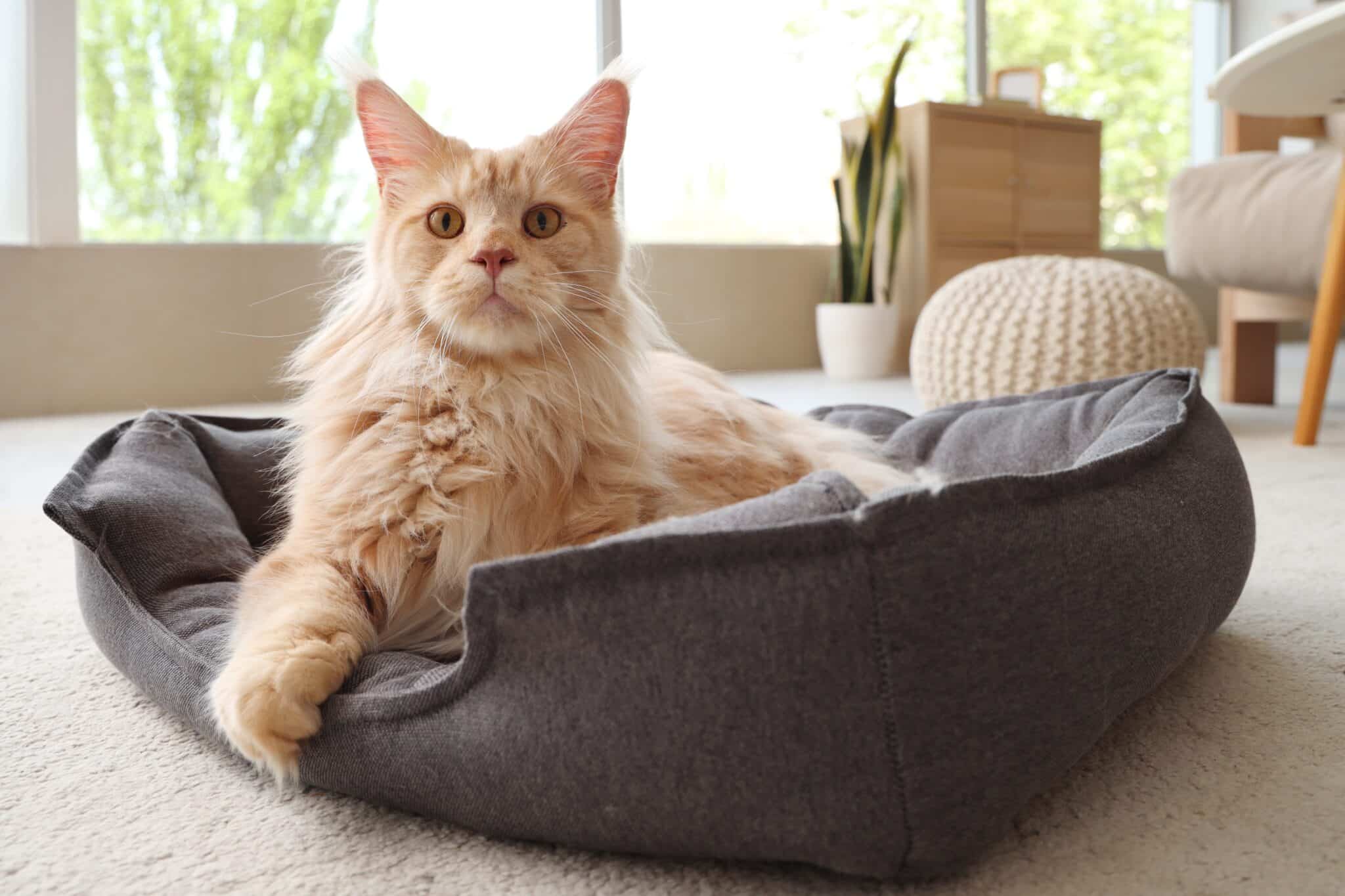
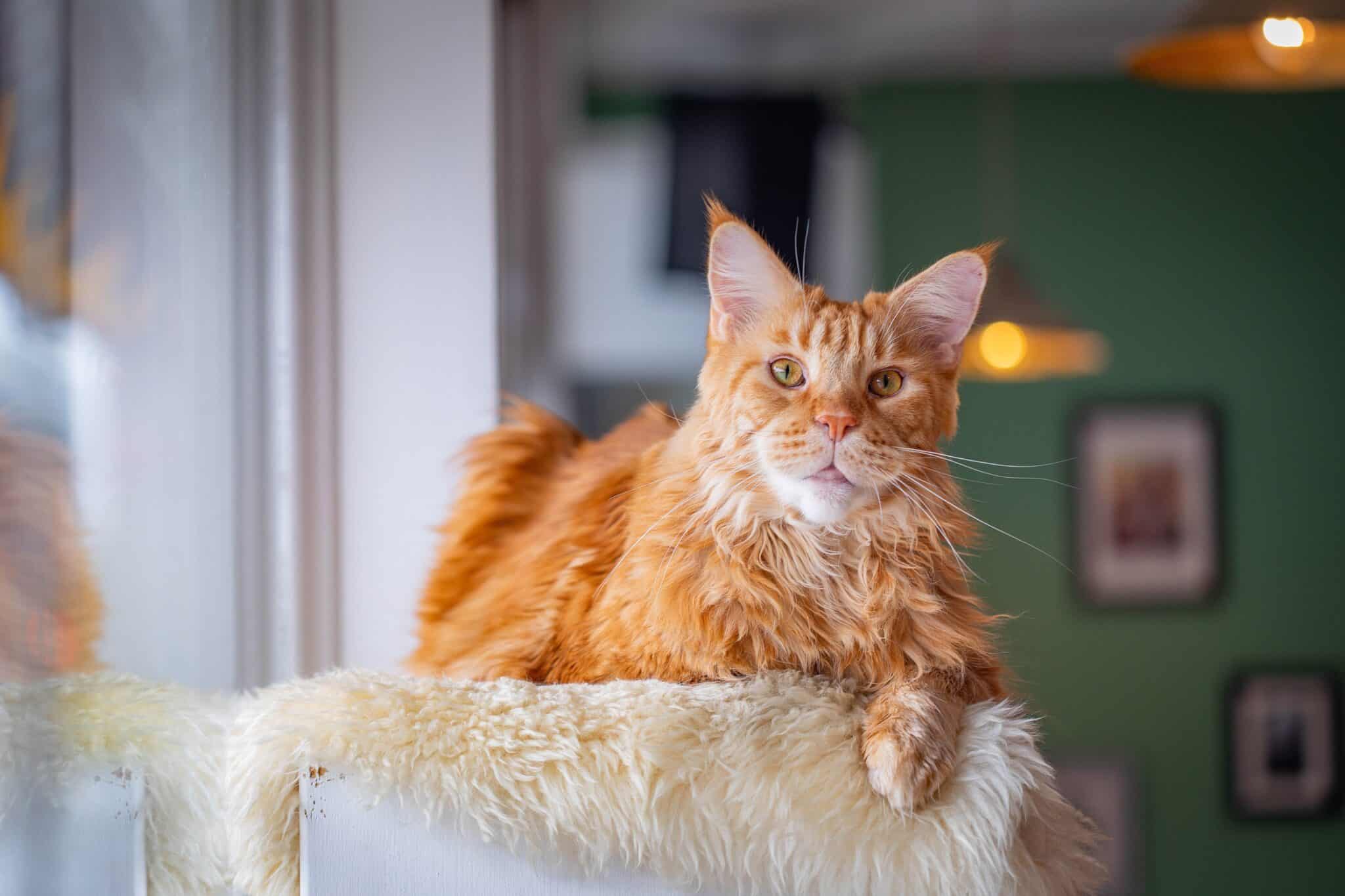
As one of the largest domesticated cat breeds, the Maine Coon commands attention through sheer scale and rustic grandeur. Native to the harsh climate of North America, these cats feature heavy, water-repellent coats, heavily tufted paws that act as natural snowshoes, and lynx-like ear tips.
Despite an imposing stature that can reach up to 25 pounds, Maine Coons are universally celebrated as "gentle giants." They retain a playful, kitten-like demeanor well into adulthood, often developing strong bonds with multi-pet households and human families alike.
4. The Scottish Fold: Captivating Charm and Genetic Reality
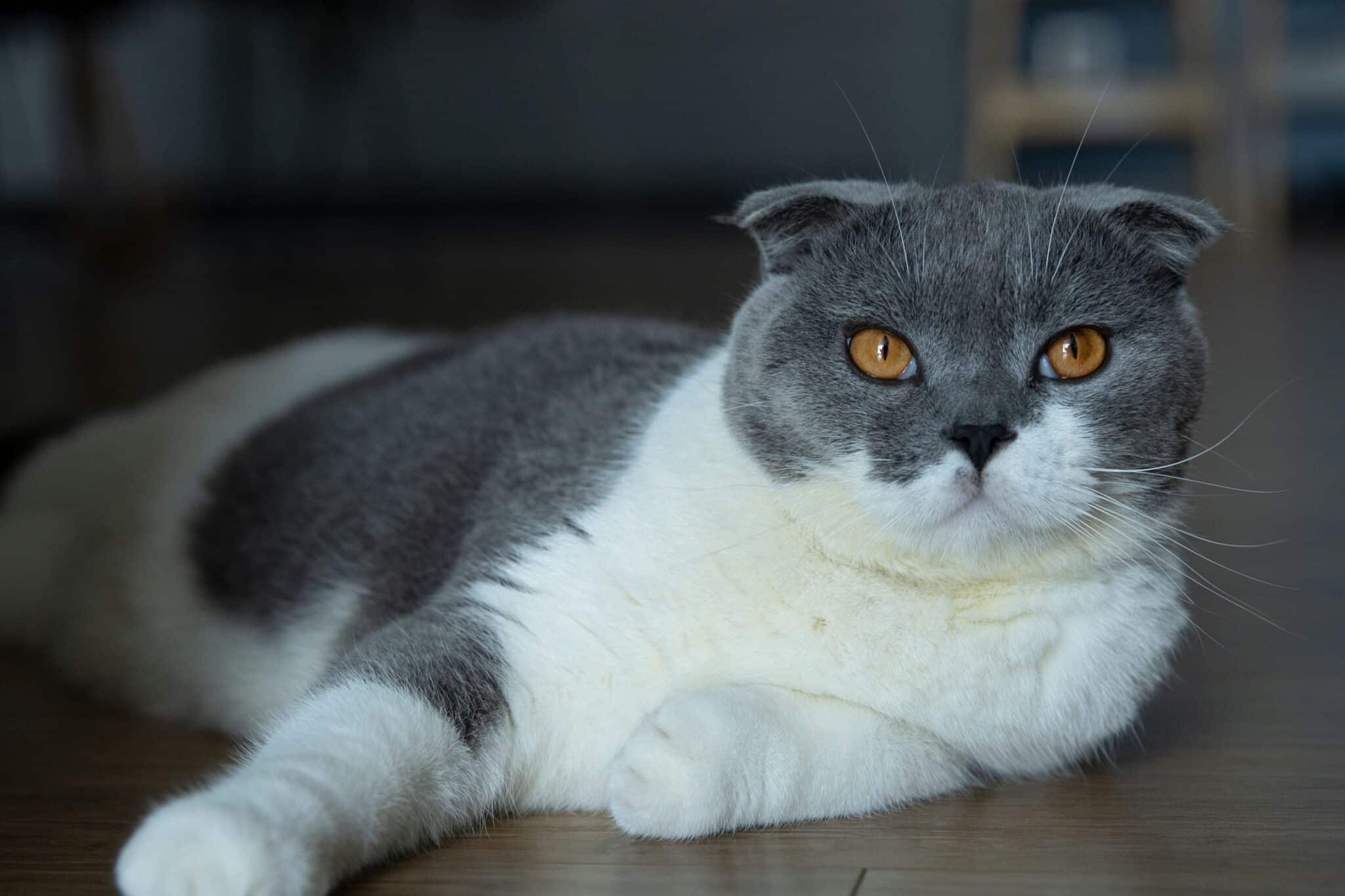
The Scottish Fold melts hearts with its signature forward-folding ears, which sit snugly against a rounded head to create an owl-like appearance. This iconic feature stems from a spontaneous cartilage mutation discovered in 1961.
However, professional veterinary organizations urge caution regarding this breed. The exact genetic mutation responsible for folded ears (Fd) also affects cartilage development throughout the body, predisposing the cats to osteochondrodysplasia—a painful degenerative joint disease. Ethical breeding practices require outcrossing Folds with straight-eared breeds (such as British Shorthairs) to mitigate these welfare concerns.
5. The Turkish Van: The Swimming Aristocrat
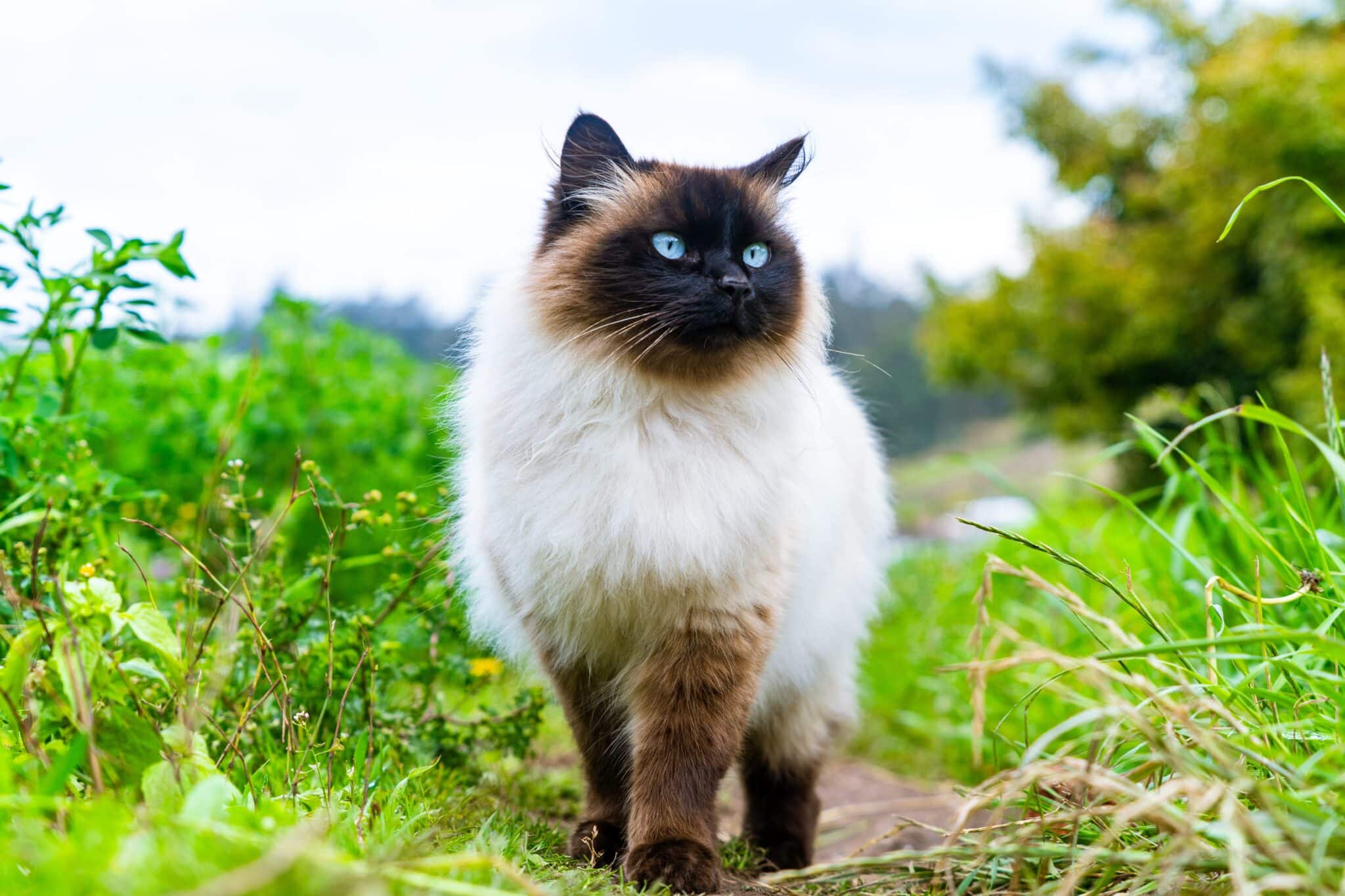
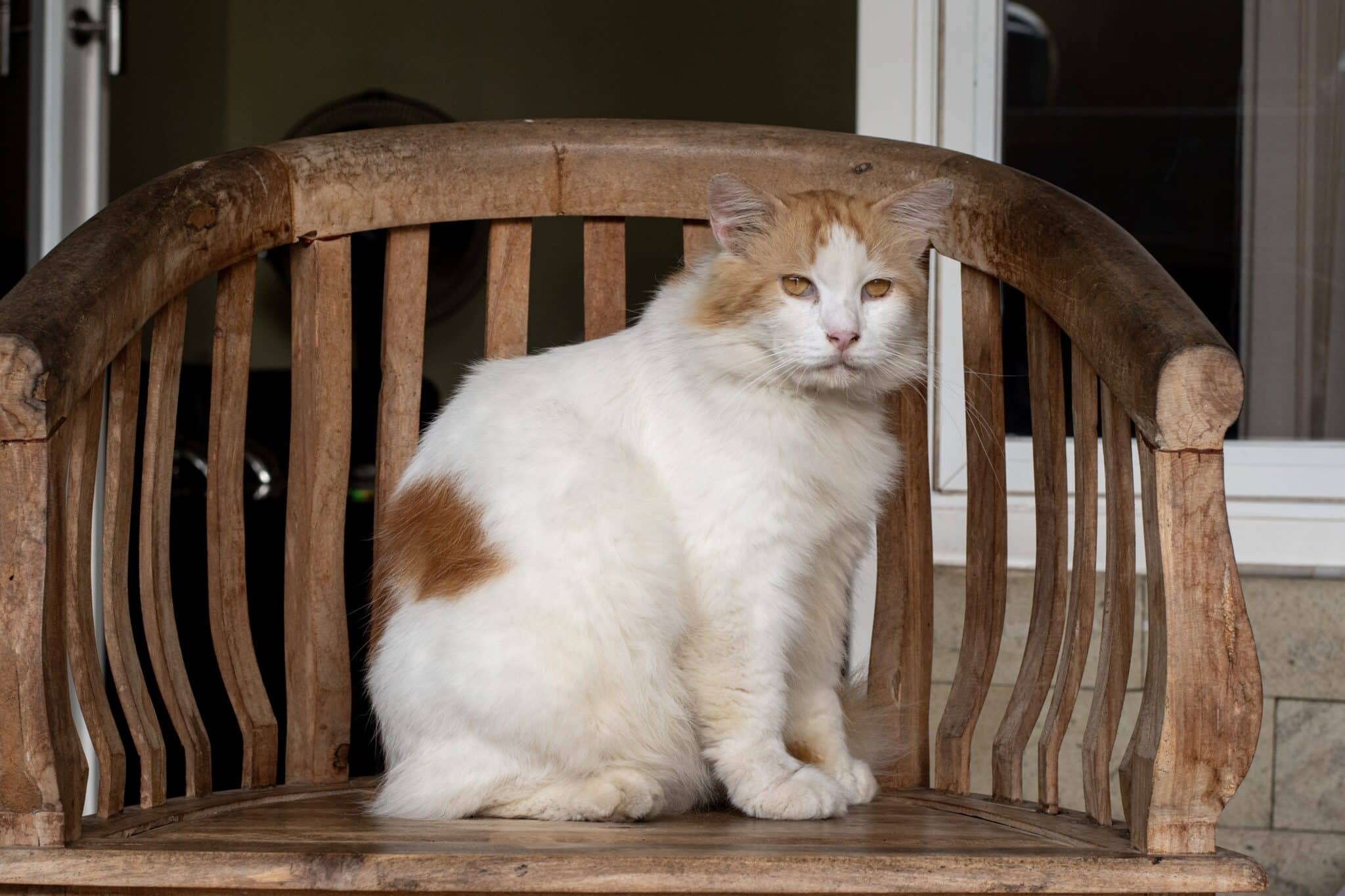
The Turkish Van is defined by its striking "Van pattern"—a predominantly chalk-white body punctuated by rich, colored markings restricted exclusively to the head and the bushy tail. Beneath this unique coloration lies a semi-longhaired, cashmere-like coat that is naturally water-resistant, lacking the typical undercoat found in other breeds.
True to their geographic origins around Lake Van in Turkey, many members of this breed harbor a rare fascination with water, frequently investigating running faucets, splashing in bathtubs, or occasionally testing the waters of backyard ponds.
6. The Russian Blue: Understated Silver Elegance
The Russian Blue relies on quiet sophistication rather than wild extremes to captivate admirers. Its defining feature is a plush, double-layered coat featuring intense blue-gray hairs tipped with silver, creating an ethereal halo effect.
Offset by striking, luminous green eyes and a wedge-shaped head, the Russian Blue moves with a quiet grace. Known for a slightly reserved temperament around strangers, they form profound, loyal attachments to their chosen humans, offering a peaceful and refined companionship.
7. The Devon Rex: The Alien Pixie
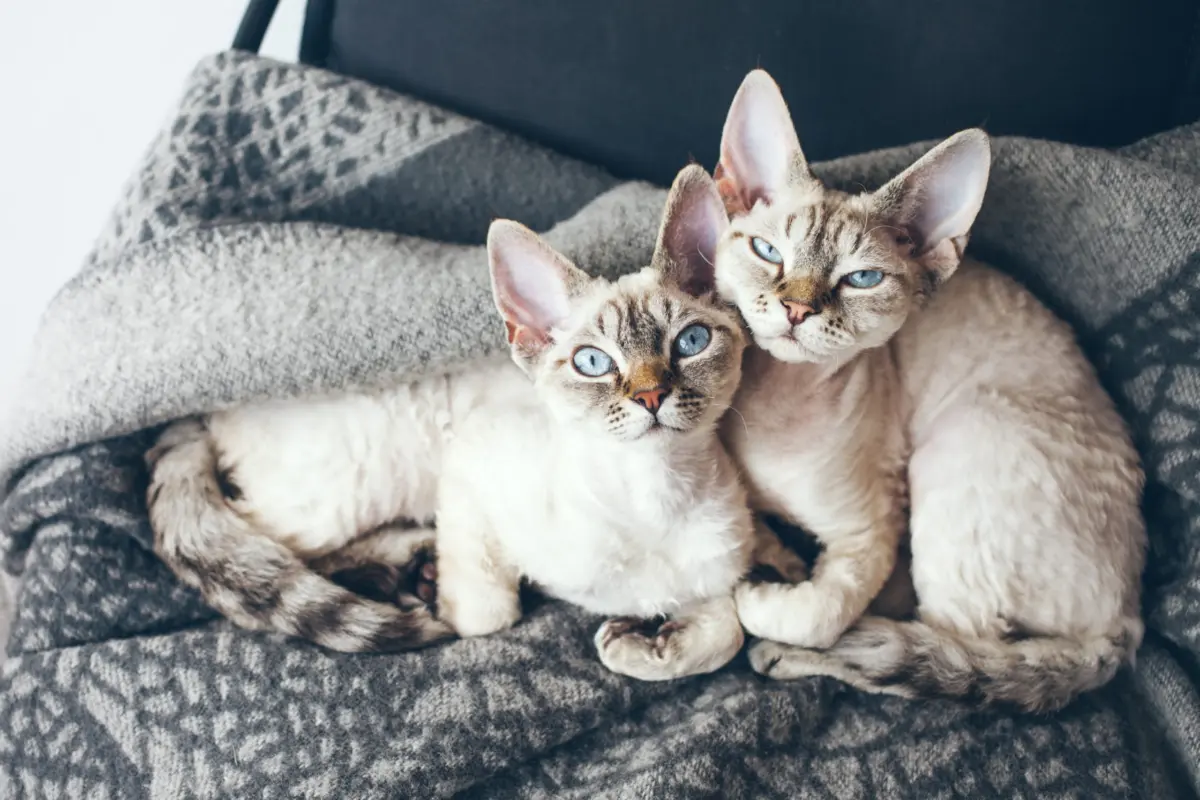
With oversized, bat-like ears, huge expressive eyes, and a short, rippled coat, the Devon Rex appears to have stepped straight out of a science fiction novel. Its coat is fragile and wavy due to a recessive rex gene mutation, requiring gentle grooming to avoid damaging the delicate hairs.
Devon Rex cats are hyper-social, often described as "cat-dog-monkey hybrids" due to their propensity for playing fetch, hitching rides on shoulders, and inserting themselves into every household activity.
8. The Norwegian Forest Cat: Scandinavian Mythology Embodied
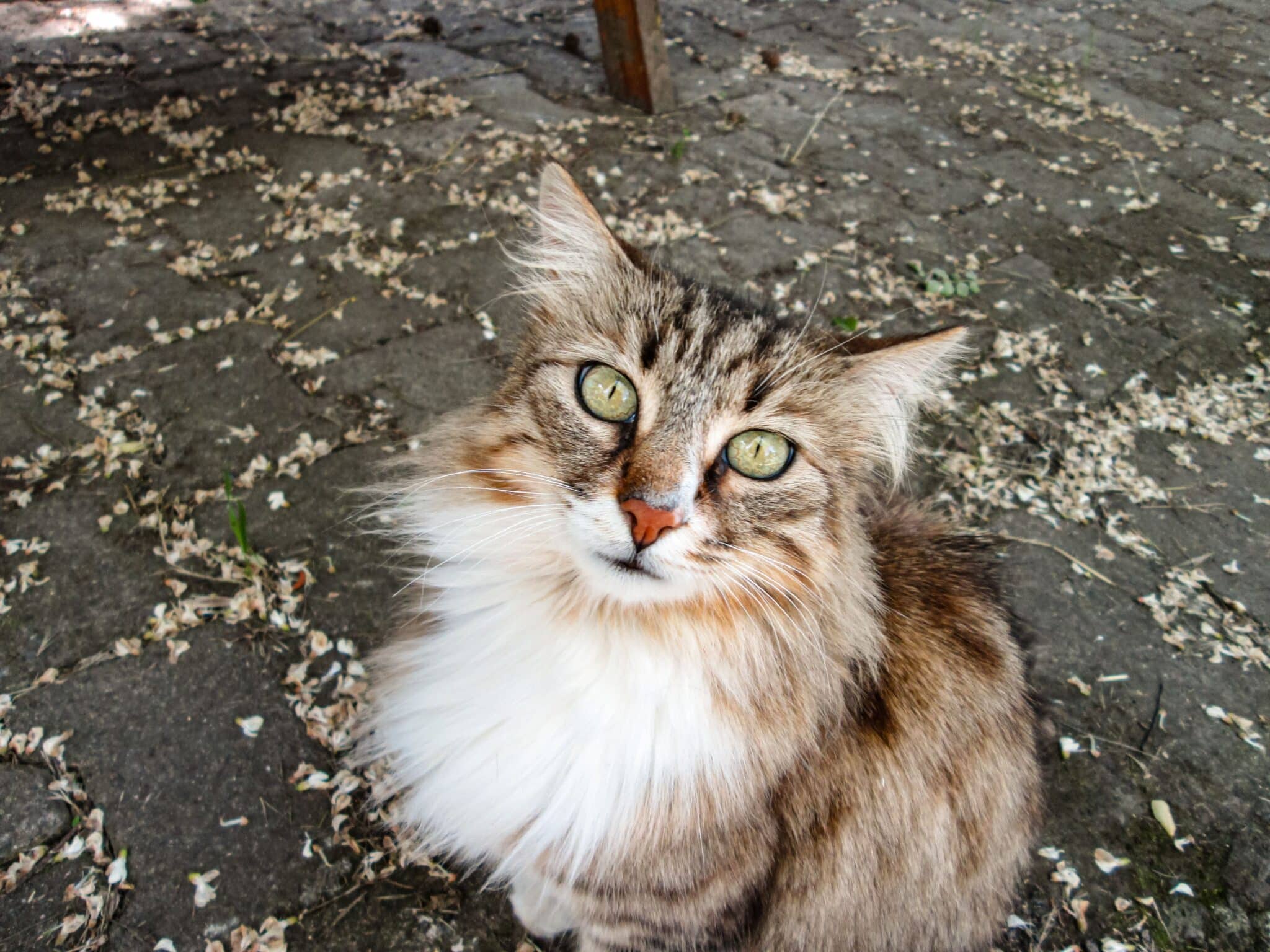
Known in Norwegian folklore as the skogkatt, the Norwegian Forest Cat is built for survival in sub-zero Scandinavian forests. It boasts a massive, weatherproof double coat, a heavy bone structure, and almond-shaped eyes that project a wild, untamed expression.
Despite their formidable appearance, these cats are remarkably gentle and possess elite climbing skills, frequently utilizing their heavy claws to scale door frames and high cabinets with effortless agility.
9. The Oriental Shorthair: Architectural Extravagance
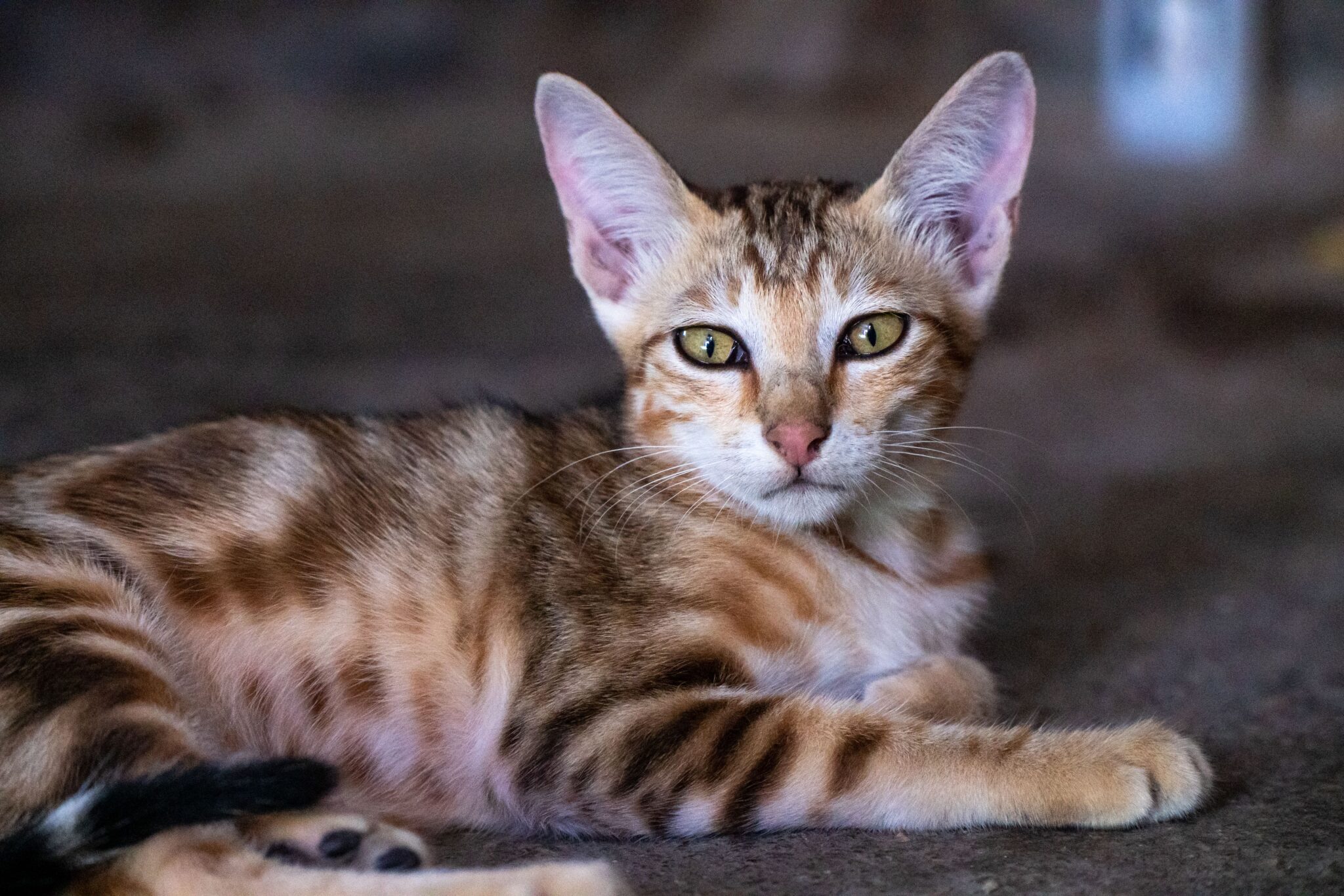
The Oriental Shorthair is a study in modernist design. Featuring an elongated, tubular body, massive flared ears, and striking almond-shaped eyes, the breed breaks away from traditional feline proportions.
Unlike many solid-colored breeds, Oriental Shorthairs come in over 300 color and pattern combinations. They are famously vocal, extroverted, and emotionally demanding, expecting their human companions to engage in constant conversation and interactive play.
10. The Persian: The Pinnacle of Plush Luxury
The Persian represents the traditional archetype of indoor feline luxury. Characterized by a profuse, long-flowing coat, a round face, deep-set expressive eyes, and a compact body, the Persian exudes quiet serenity.
Because of their brachycephalic facial structure and high-density coats, Persians require daily grooming commitments to prevent matting and specialized facial cleaning, rewarding their caregivers with deeply tranquil and affectionate companionship.
11. The American Curl: Defying Gravity
The American Curl introduces a structural anomaly that reverses conventional expectations: its ears curve backward in a smooth, symmetrical arc toward the base of the skull, resembling the delicate petals of a blossoming flower.
Born with straight ears, a kitten’s cartilage begins to curl between two and ten weeks of age. Aside from this striking sculptural trait, American Curls are noted for maintaining an energetic, kitten-like curiosity throughout their adult lives.
Official Statements & Expert Perspectives
Animal welfare organizations and veterinary geneticists maintain a nuanced stance on extreme feline breeding practices.
Dr. Elizabeth Hanson, a noted veterinary geneticist specializing in feline morphological mutations, emphasizes the responsibility of modern breeders:
"The fascination with extreme phenotypes—whether it is hairlessness, folded ears, or exaggerated facial flattening—drives human interest, but it places a heavy burden on the scientific community to monitor animal welfare. Selecting for novel aesthetics must never supersede the physiological comfort and longevity of the animal."
Similarly, international cat fancy organizations stress that responsible ownership of specialized breeds involves rigorous preventative veterinary care. For brachycephalic breeds like Persians or cartilage-mutation breeds like Scottish Folds, proactive screening for respiratory and joint anomalies is vital to ensuring a high quality of life.
Future Outlook
As feline genetics continues to advance through whole-genome sequencing and molecular research, our understanding of how specific physical traits manifest will only deepen. The future of cat breeding is shifting toward a greater emphasis on health, genetic diversity, and ethical transparency.
While aesthetic preferences will continue to drive public demand for extraordinary companions like the Bengal, Sphynx, and Maine Coon, the ultimate benchmark of a truly magnificent cat remains unchanged. Beneath the shimmering coats, unusual ear sets, and striking silhouettes lies an individual animal whose personality, emotional intelligence, and capacity for connection leave the most enduring impression of all.