
Executive Overview
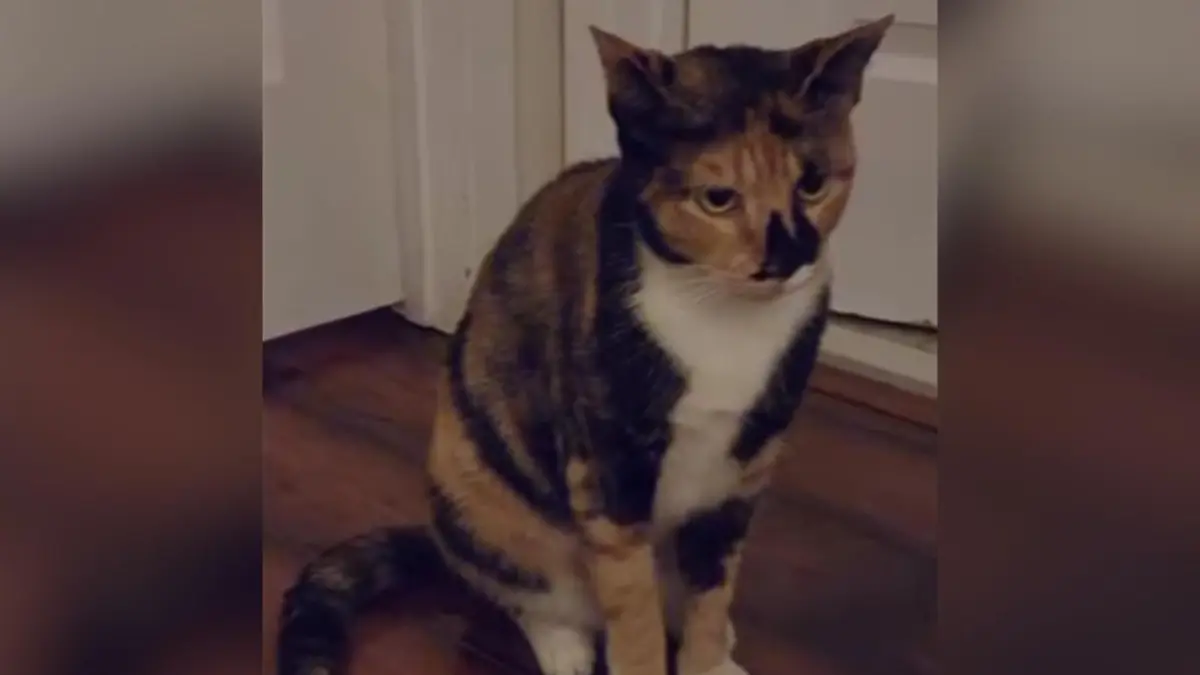
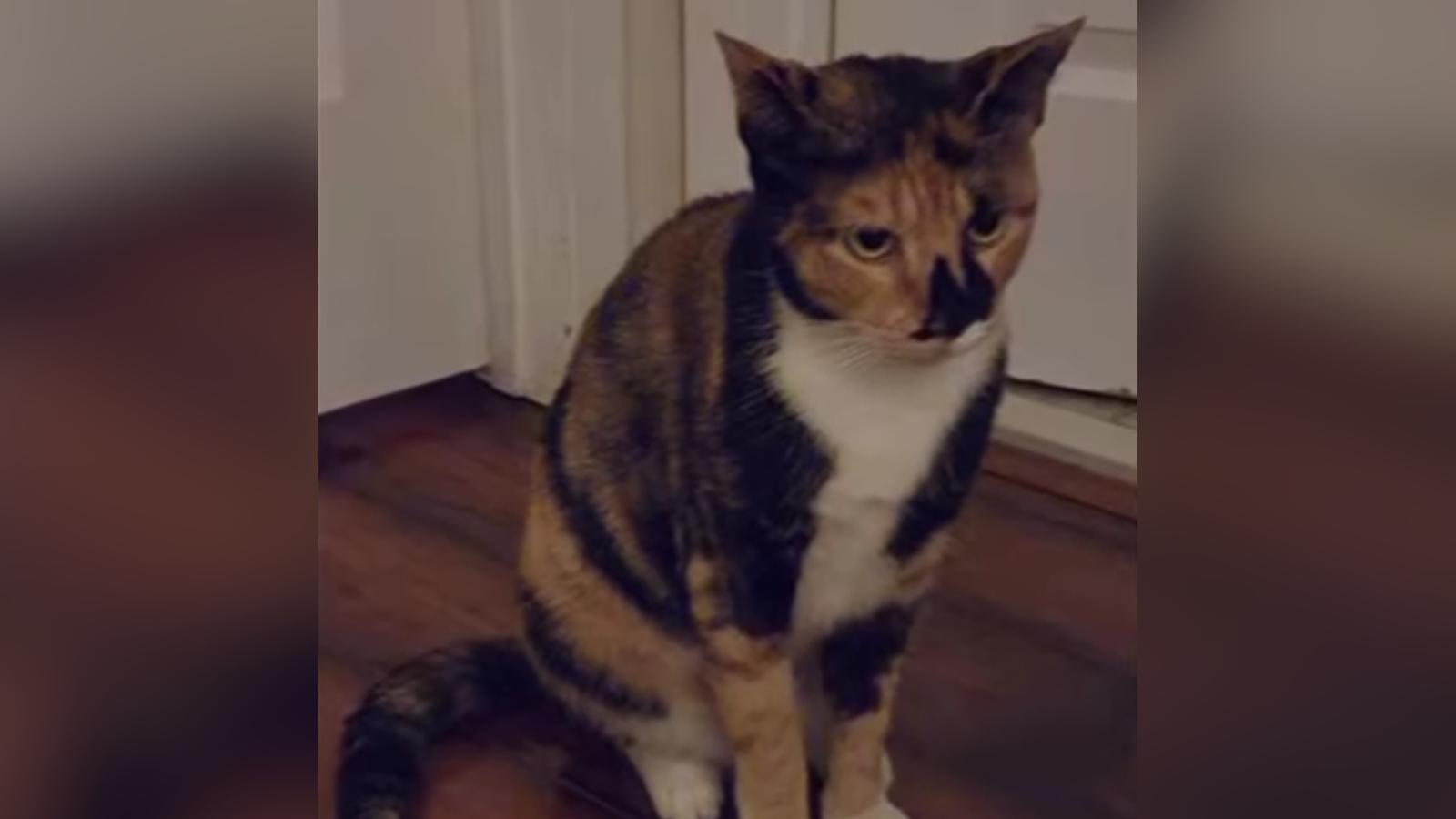
In a heart-wrenching ordeal that has galvanized animal advocates and local authorities alike, a Miami family is locked in a desperate battle to locate and recover their cherished 7-year-old calico tabby cat, Kesha. What began as a routine autumn afternoon quickly spiraled into a nightmare when the beloved pet vanished from her own backyard on Wednesday, October 14.
The investigation into Kesha’s disappearance has since exposed a disturbing neighborhood dispute. A local resident allegedly took matters into his own hands, trapping the family pet and dumping her miles away from home near a major Miami thoroughfare. While Miami-Dade Animal Services has stepped in to issue a formal citation, and local law enforcement has opened investigations, the primary focus for Kesha’s owners remains agonizingly simple: bringing their family member home.
For Janet Gianne and her young daughter, Kesha is far more than a simple house pet. Over the span of seven years, the calico tabby has woven herself into the fabric of the family’s daily existence, serving as a steadfast companion through milestones, holidays, and quiet childhood moments. Her abrupt absence has profoundly disrupted the household, plunging the family into a state of profound grief, sleeplessness, and relentless searching. As the clock ticks, an army of volunteers, media personnel, and community advocates have rallied behind the family, turning a localized neighborhood grievance into a larger public conversation about pet safety, community animal management, and the legal protections afforded to domestic animals.
Detailed Chronology: The Disappearance and Discovery
A Routine That Ended in Silence
For seven years, Kesha enjoyed a peaceful, predictable life at her family’s Miami condominium home. Described as an intuitive and gentle creature, Kesha’s daily routine typically involved patrolling the perimeter fence, basking in the Florida sunshine, and exploring safe, familiar nooks around the property. Crucially, she was a creature of habit who responded reliably to Janet’s voice.
That predictable rhythm shattered on Wednesday, October 14. When Kesha failed to answer her evening call, Janet initially assumed the cat had simply ventured slightly farther than usual to chase a butterfly or nap in a shaded corner. However, as hours stretched into a full day without a sighting, panic set in. Janet and her daughter immediately transitioned into emergency search mode: they designed and printed hundreds of missing cat flyers, plastered utility poles throughout the neighborhood, launched a digital rescue campaign across social media platforms, and began scouring the surrounding blocks on foot during the scorching daylight hours and deep into the damp Miami nights.
The WhatsApp Trail: Uncovering the Plot
While the family’s ground search yielded no physical trace of Kesha, a crucial breakthrough arrived via a digital lifeline. A sympathetic neighbor forwarded a series of archived chat logs from a community WhatsApp group. The digital breadcrumbs revealed an escalating undercurrent of tension within the condominium complex.
A resident who identified himself under the alias "Pooh" had been aggressively complaining about community cats leaving waste on condominium grounds. While Local 10 News reporter and animal advocate JC Burch later confirmed the presence of a localized community cat population in the area, Janet firmly asserted that Kesha—an indoor-outdoor family pet well-known to residents—had nothing to do with the alleged property nuisances.
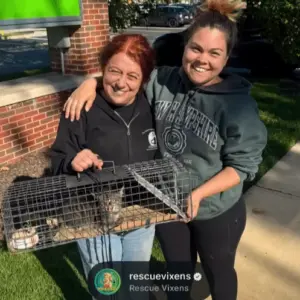
Within the chat logs, "Pooh" had escalated his grievances from verbal complaints to physical action. He shared chilling video footage inside the neighborhood group displaying a metal animal trap. In the accompanying messages, he boasted about successfully capturing a cat on the property. More damningly, he dropped specific geographical clues, pointing toward an interchange near Interstate 95 and 62nd Street in Miami, effectively advertising where he had exiled the trapped animal.
Confrontation and the Neighbor’s Admission
Armed with the chilling digital evidence, Janet and her daughter decided against waiting passively for a miracle. They marched directly to the neighbor’s residence to demand answers, confronting him face-to-face regarding Kesha’s whereabouts.
According to Janet, the confrontation yielded a sickening confirmation. The neighbor allegedly admitted to deploying the trap, capturing Kesha, and subsequently transporting her miles away from the security of her home, dumping her into an unfamiliar, hazardous urban environment near the highway. When begged to consider the emotional devastation inflicted upon a young child, the individual reportedly remained unmoved, offering no active assistance to help rectify the cruel displacement.
Supporting Context & Metrics: The Human and Animal Toll
The Emotional Devastation of Pet Loss
The psychological fallout of Kesha’s abduction extends far beyond typical grief. For Janet’s daughter, who grew up alongside the calico tabby, Kesha served as a confidante, a sister figure, and an emotional anchor. The sudden void left by the cat’s absence has upended the family’s fundamental sense of security and domestic peace.
Janet reported that the household has been paralyzed by sorrow. Key metrics of daily stability—such as consistent sleep schedules, regular appetite, and professional or academic focus—have utterly collapsed. The emotional toll became so acute that Janet’s daughter missed a day of school, entirely overwhelmed by anxiety and unrelenting tears. In a household where every holiday photograph and childhood memory features Kesha resting nearby, her absence feels akin to a physical amputation.

Community Cat Dynamics vs. Domestic Pet Protections
This unfortunate incident highlights a broader, systemic flashpoint in suburban and urban American neighborhoods: the friction between residents who view free-roaming cats as a nuisance and pet owners or advocates who practice Trap-Neuter-Return (TNR) or harbor beloved domestic animals.
In densely populated areas like Miami, community cats often share outdoor spaces with owned pets. However, vigilante animal trapping—particularly when executed without coordination with municipal animal services or local rescue groups—frequently violates municipal codes and animal cruelty statutes. Transporting a domesticated or community animal miles away from its home territory essentially signs a death warrant, exposing the displaced creature to high-speed traffic, aggressive predators, starvation, and extreme weather.
Official Statements and Accountability
Media Intervention and Legal Action
Realizing that polite appeals to the neighbor were yielding dead ends, the family turned to local investigative media. Local 10 News crew members, led by reporter JC Burch, visited the condominium complex to investigate the claims. During their on-site reporting, journalists visually confirmed the presence of a commercial-grade animal trap resting directly in the bed of the accused neighbor’s truck—corroborating the digital evidence previously shared among residents.
When approached directly by the news crew for an on-camera interview or statement regarding Kesha’s fate, the neighbor flatly declined to answer questions or cooperate with journalists.
Faced with this stone-walling, Janet took formal legal steps. She filed an official incident report with the City of Miami Police Department, initiating a formal paper trail. Prompted by the evidence and the police report, Miami-Dade Animal Services launched an immediate inquiry, resulting in a formal citation issued against the neighbor in connection with the unlawful trapping and displacement of the animal.
The Role of Advocates
During the broadcast, reporter and animal advocate JC Burch made a personal commitment to Janet, promising to leverage his network and visibility to aid in the ongoing search for Kesha. For a grieving mother and daughter exhausted by fruitless daily searches, the validation from a public figure provided a vital psychological boost, transforming their lonely crusade into a community-backed mission.

Future Outlook: The Ongoing Quest for Kesha
A Race Against Time Near I-95
Despite the issuance of legal citations and the mounting public pressure, the core crisis remains unresolved: Kesha has still not been found.
The primary search zone remains centered around the bleak industrial and highway corridor near Interstate 95 and 62nd Street in Miami—a harsh, loud, and dangerous environment vastly different from the quiet suburban courtyard Kesha knew for seven years. Calico tabbies possess distinctive, beautiful multi-colored coats of orange, black, and white, making them visually recognizable, but also highly vulnerable if hiding in fear beneath commercial vehicles or concrete overpasses.
How the Public Can Help
Janet and her daughter continue to walk the streets of both their home neighborhood and the distant drop-off zone day after day, refusing to surrender to despair. They are issuing a heartfelt plea to the greater Miami community, delivery drivers, local businesses, and animal rescuers:
- Keep Eyes Open: Examine stray or roaming calico cats closely in the vicinity of I-95 and 62nd Street.
- Check Shelters: Monitor local intake facilities, as well as rescue groups operating in northern and central Miami.
- Spread the Word: Share Kesha’s digital flyers widely across local lost-pet databases and social media groups.
As the legal proceedings against the neighbor press forward, the Gianne family remains anchored by a single, unshakeable hope: that someone with a kind heart and a watchful eye will recognize Kesha’s unique calico markings, secure her safely, and help write a joyful final chapter to an otherwise heartbreaking ordeal. Anyone with definitive information regarding Kesha’s current whereabouts is strongly encouraged to contact local Miami animal rescue networks or reach out through the family’s active social media community campaigns.