
Executive Overview
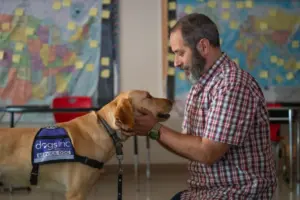
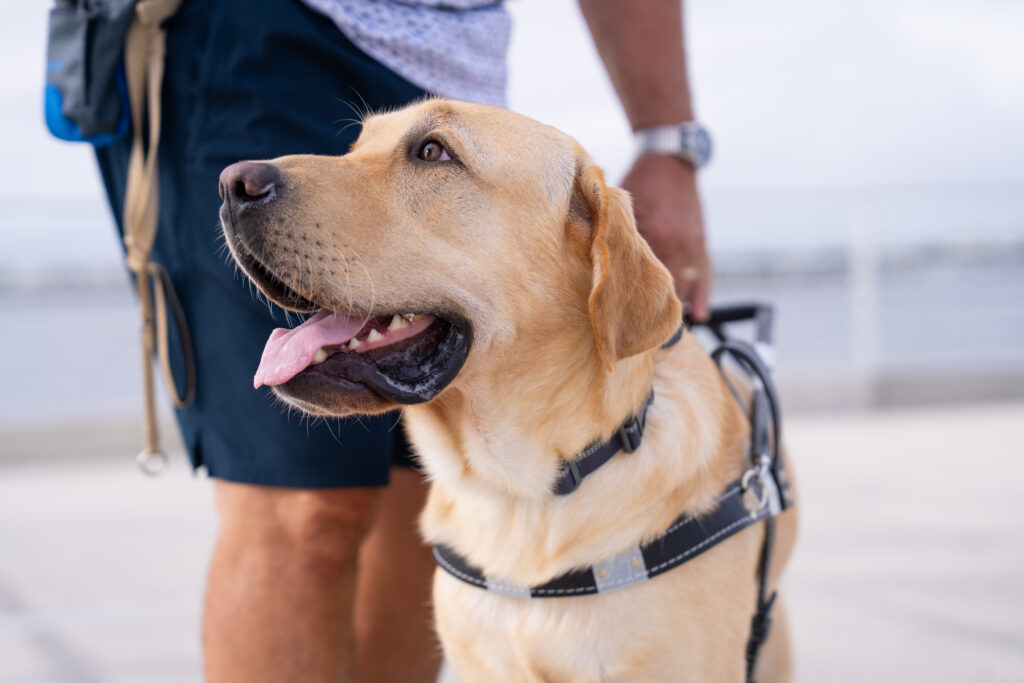
When the general public pictures a guide dog or a dedicated service animal navigating a bustling urban landscape, the silhouette that almost invariably comes to mind is that of the Labrador Retriever. This cultural association is far from accidental. For decades, Labrador Retrievers have served as the foundational bedrock of guide and service dog training programs across the globe. Their preeminence in this specialized field is anchored in a rare, finely tuned genetic convergence of emotional stability, cognitive trainability, environmental adaptability, and an intrinsic, unyielding desire to collaborate with human handlers.
While organizations such as Dogs Inc evaluate every candidate animal strictly as an individual rather than relying purely on breed stereotypes, the Labrador Retriever consistently displays baseline biological and psychological traits that offer a remarkably strong springboard for success. Operating in high-stakes environments—from congested international airports and chaotic transit hubs to corporate offices and medical facilities—demands an exceptional level of composure. This comprehensive examination explores why the Labrador Retriever remains the quintessential working dog, dissecting the intricate intersections of temperament, advanced training methodologies, lifelong human-animal partnerships, health considerations, and the rigorous developmental pipelines that transform an energetic puppy into a life-changing lifeline.
Detailed Chronology: From Working Ancestry to Modern Assistance Pioneer
The remarkable aptitude of the modern Labrador Retriever is not a historical accident; it is the product of centuries of targeted evolution, selective breeding, and a rich working heritage. Understanding how these dogs developed into elite service animals requires tracing their lineage from the rugged coastlines of the North Atlantic to the sophisticated training academies of the twenty-first century.

Historical Roots and Selective Breeding
The ancestry of the Labrador Retriever traces back to the island of Newfoundland, where their forebears—most notably the Lesser Newfoundland—worked hand-in-hand with local fishermen. These stout, water-resistant canines were bred to leap into freezing seas, retrieve escaped fish, haul heavy nets, and swim through turbulent surf. This demanding lifestyle required a combination of physical endurance, a soft mouth for carrying objects without damaging them, intelligence, and an intense drive to please their human masters.
By the nineteenth century, these dogs were imported to Great Britain, where nobility and sporting enthusiasts refined the breed, shaping them into exceptional waterfowl retrievers. The focus remained squarely on cooperation with humans in dynamic, unpredictable outdoor conditions. When organized guide and service dog programs began to formalize in the twentieth century—accelerated notably by the needs of veterans returning from global conflicts—trainers naturally gravitated toward breeds with established working ethics. The Labrador Retriever possessed an ideal genetic blueprint: high intelligence, a robust frame, physical resilience, and an innate focus on human cues.
The Developmental Timeline of a Working Candidate
The journey of a Labrador Retriever destined for assistance work is meticulously structured across distinct life stages, ensuring that psychological and physical milestones are met with precision.
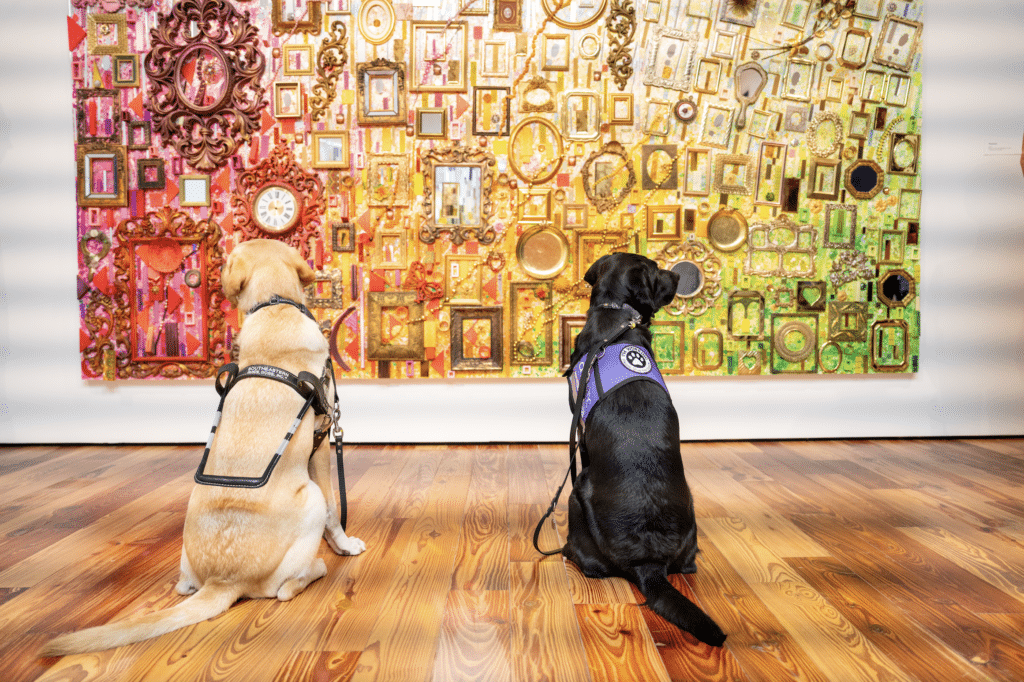
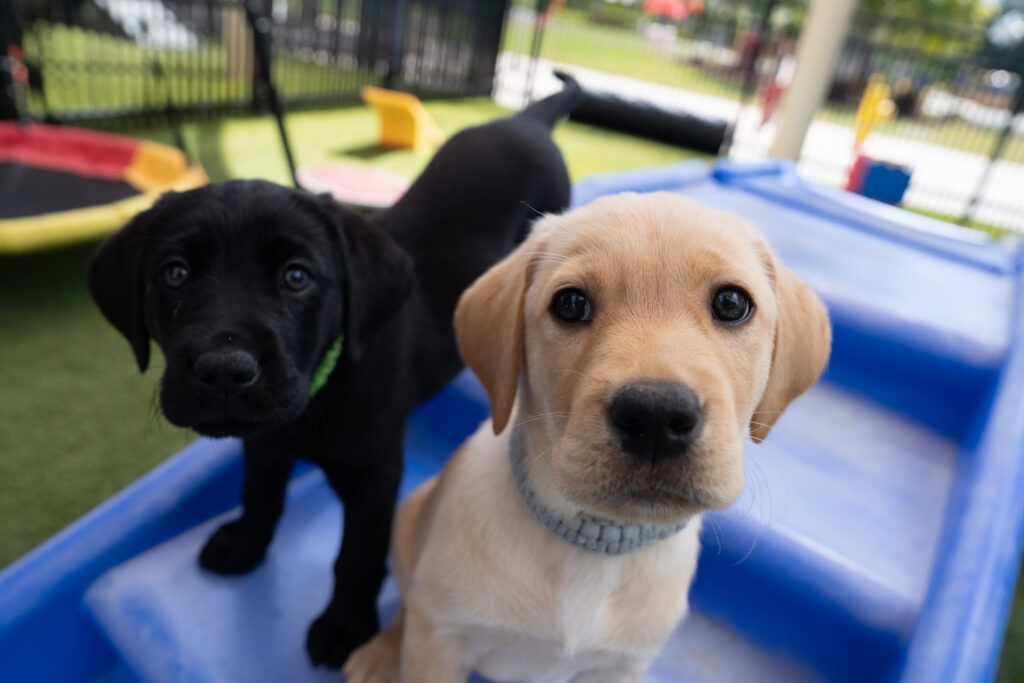
- Infancy and Early Socialization (Weeks 0 to 16): The foundational phase begins within specialized breeding programs. Pups are introduced systematically to novel stimuli—varying textures underfoot, unusual auditory cues, and diverse human interactions. This early exposure builds neuroplasticity and emotional resilience.
- Puppy Raising and Foundational Manners (Months 4 to 12): Placed with volunteer "Puppy Raisers," adolescent Labradors experience the wider world. They attend grocery stores, ride public transportation, and encounter children and other animals. During this period, basic obedience is solidified alongside crate training and environmental confidence. While Labradors are famously exuberant, and many retain puppy-like exuberance until roughly three years of age, structured guidance channels this energy into productive focus.
- Advanced Professional Training (Months 12 to 24+): Candidates enter formal training academies (such as Dogs Inc) where professional instructors teach complex, task-specific skills. Guide dogs learn obstacle negotiation, intelligent disobedience (refusing a handler’s command if it leads into danger), and curb checks. Service dogs learn specialized mitigation tasks, such as retrieving dropped items, providing deep pressure therapy, or alerting to medical episodes.
- Team Matching and Placement (Adulthood): Once advanced training is complete, the canine is paired with a handler whose lifestyle, pace, and specific needs align with the dog’s temperament. This transition involves weeks of intensive, in-residence training where the human-canine partnership is forged.
Supporting Context & Metrics: What Defines an Elite Working Dog?
To fully appreciate why Labrador Retrievers dominate the assistance dog sector, one must examine the rigorous criteria that define a successful working candidate. The demands placed on a service animal are immense, requiring a physiological and psychological fortitude that far exceeds that of an ordinary household pet.
The Environmental Stress Test
A working dog’s day is rarely monotonous. Consider the daily operational theater of a guide dog or service dog:
- Navigational Challenges: Weaving through dense pedestrian traffic in a metropolitan center, maintaining a straight trajectory despite distractions.
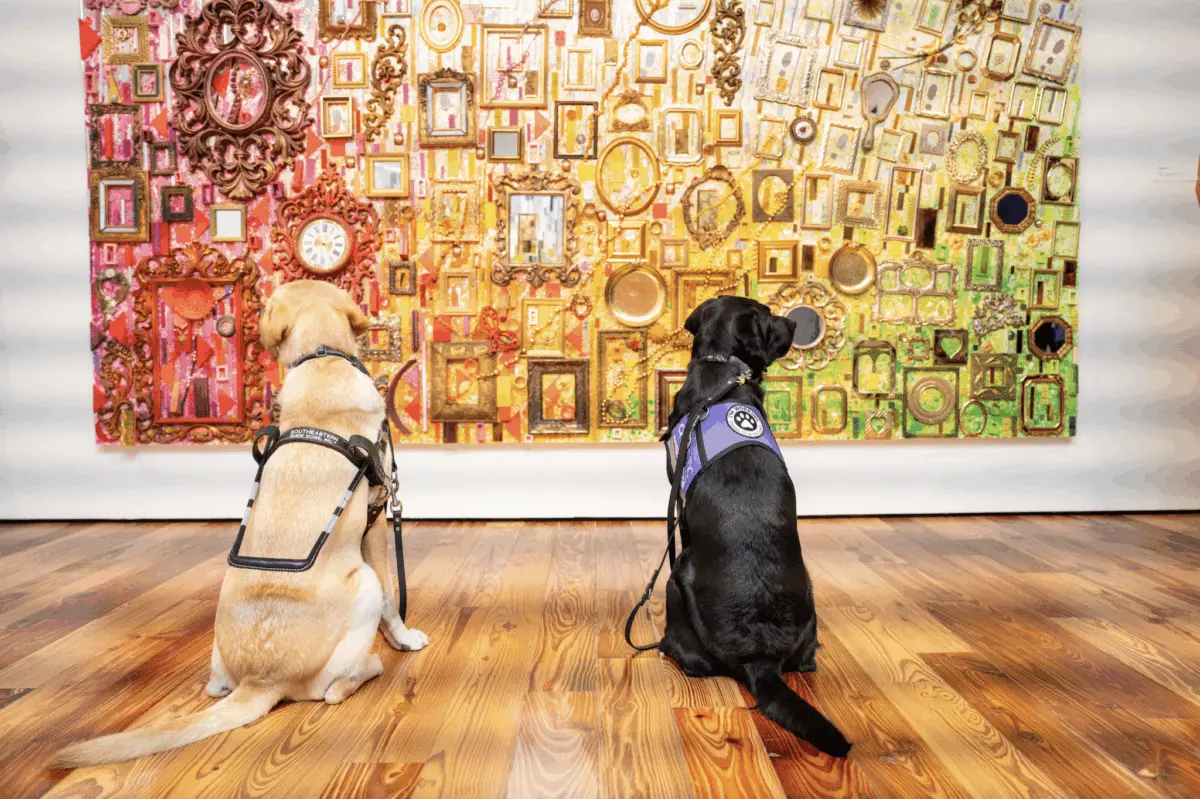
- Sensory Overload: Boarding commercial aircraft, enduring the roar of jet engines, navigating crowded boarding gates, and remaining quiet under restaurant tables amidst dropped food and aromatic stimuli.
- Transit Dynamics: Stepping onto moving buses, subways, and elevators without hesitation or panic.
To navigate these environments safely, a dog must possess what professionals refer to as "emotional recovery." When confronted with an unexpected event—such as a backfiring vehicle, a dropped tray, or an aggressive pet—an ordinary dog might panic or freeze. An elite Labrador Retriever is bred and conditioned to register the stimulus, assess the threat level, recover balance almost instantaneously, and resume its working duties.

Breed Demographics and Popularity Metrics
According to data compiled by organizations such as the American Kennel Club (AKC), the Labrador Retriever has maintained its position at or near the pinnacle of canine popularity in the United States for decades. This massive population base provides assistance dog organizations with a deep, genetically diverse pool from which to select breeding stock.
Furthermore, physical metrics heavily favor the breed. Adult Labradors typically stand between 21 and 24 inches at the shoulder and weigh from 55 to 80 pounds, depending on sex. This physical stature is ideal: large enough to provide physical bracing support for mobility-impaired handlers and to clear pathways for visually impaired handlers, yet compact enough to fit comfortably under airline seats, in cramped office cubicles, or inside public transport vehicles.
Official Statements and Institutional Insights
Industry leaders and canine behavioral experts emphasize that while breed genetics provide a vital framework, the ultimate success of an assistance dog depends on individualized evaluation, structured environments, and profound human-animal synergy.

Organizations dedicated to breeding and training elite assistance animals, such as Dogs Inc, underscore that no single breed holds a monopoly on heroism or capability. However, institutional data consistently highlights the reliability of the Labrador Retriever.
"When organizations evaluate candidates for guide and service work, we are looking for a complex matrix of emotional stability, environmental resilience, and an intrinsic desire to partner with people," notes a senior canine development specialist. "While individual variance is always our primary metric, Labrador Retrievers time and again provide a remarkably consistent neurological foundation. Their ability to process stress, maintain focus under extreme distraction, and remain profoundly attuned to human emotion makes them exceptional candidates for this demanding career."
Another leading trainer points out the importance of the human-canine bond in professional settings: "A service dog is not merely a living tool or a piece of medical equipment; they are an active, thinking partner. The Labrador’s innate people-oriented nature means they do not just perform tasks out of rote memorization—they genuinely invest in the cooperative dynamic with their handler. That partnership is what sustains them through ten or more years of rigorous public service."
Future Outlook: The Evolution of Assistance Work and Breed Standards
As the fields of assistance dog training, veterinary medicine, and human disability advocacy continue to evolve, the role of the Labrador Retriever is similarly adapting to meet new societal needs.
Advances in Health Screening and Genetics
The long-term viability of the working Labrador Retriever depends heavily on proactive health management. While the breed boasts a respectable life expectancy of 10 to 14 years, they can be predisposed to inherited conditions such as hip and elbow dysplasia, progressive retinal atrophy (PRA), and hereditary myopathy.
Modern breeding programs are increasingly utilizing advanced genetic markers, epigenetic research, and comprehensive orthopedic screening (such as OFA and PennHIP evaluations) to eliminate these vulnerabilities from working lines. By prioritizing longevity, structural soundness, and joint health, breeding institutions ensure that future generations of Labrador Retrievers can endure the physical rigors of guide and service work without premature retirement due to physical degradation.
Broadening Horizons: Specialized Detection and Medical Alert
Beyond traditional guide work and physical mobility support, the Labrador Retriever’s acute olfactory senses and cognitive flexibility are propelling them into novel frontiers of service. Modern programs are exploring and expanding Labradors’ roles in psychiatric assistance, diabetic alert, seizure response, and even allergen detection.
As public awareness of invisible disabilities grows, the demand for adaptable, emotionally stable service dogs will skyrocket. The Labrador Retriever, with its proven track record of adaptability, stands uniquely positioned to meet these expanding demands. Whether assisting a veteran with post-traumatic stress, alerting a diabetic handler to dangerous blood sugar fluctuations, or guiding a visually impaired individual across a bustling avenue, the breed continues to redefine the boundaries of what is possible through human-canine collaboration.
Conclusion
The enduring legacy of the Labrador Retriever in the realm of guide and service work is a testament to a rare biological alignment between canine capability and human need. Through rigorous selection, compassionate and structured early development, advanced professional training, and lifelong veterinary care, these remarkable animals transcend the status of pets to become indispensable partners in independence. As organizations like Dogs Inc and researchers worldwide continue to refine the science of assistance breeding and training, the Labrador Retriever will undoubtedly remain the gold standard—a beacon of loyalty, intelligence, and unwavering service.