In the bustling urban landscapes and tranquil rural provinces of the Philippines, a resilient, highly intelligent, and deeply misunderstood canine has quietly captured the hearts of animal advocates worldwide. Known locally as the Askal—or more formally and affectionately rebranded as the Aspin—this indigenous dog represents the ultimate triumph of natural selection and adaptability.
Far from being mere "mongrels" or unwanted strays, Askals are a rich tapestry of mixed genetics, shaped entirely by the crucible of street life rather than human-curated breeding programs. Their name itself is a linguistic portmanteau of the Tagalog phrase asong kalye, which translates literally to "street dog." However, this humble moniker belies a sophisticated animal gifted with remarkable problem-solving skills, robust health, emotional intelligence, and a gentle, affectionate temperament that makes them exceptional family companions.
As animal welfare organizations, international rescue networks, and passionate pet owners begin to look beyond traditional, purebred pedigrees, the Askal is stepping into the global spotlight. This comprehensive report explores the origins, physical and psychological traits, training capabilities, health advantages, and international appeal of the Philippines’ most ubiquitous, yet profoundly underrated, canine companion.
Detailed Chronology: From Street Survivors to Celebrated Companions
To truly appreciate the Askal, one must trace its evolution from an anonymous presence on Philippine streets to an appreciated, protected, and increasingly sought-after companion animal.
Pre-Colonial Roots and Natural Evolution
Long before European colonizers brought specialized European and American breeds to the Philippine archipelago, indigenous communities coexisted with native landrace dogs. These original canines roamed freely, scavenging alongside human settlements. Over centuries, as various traders, colonizers, and travelers introduced diverse dog breeds to the islands, these foreign lines integrated seamlessly into the existing local canine population.
Without human intervention to dictate mating pairs, natural selection took the helm. Only the smartest, hardiest, and most adaptable dogs survived the harsh realities of tropical monsoons, food scarcity, and urban congestion. This continuous, unmanaged genetic blending created the ultimate survivalist: the modern Askal.
The Shift in Perception: From "Askal" to "Aspin"
For generations, the term Askal carried an unwarranted social stigma. Street dogs were frequently marginalized, viewed through a lens of neglect, and sometimes associated with stray populations or community nuisances.
Recognizing the need to elevate the status of these remarkable animals, animal welfare advocates, notably the Philippine Animal Welfare Society (PAWS), spearheaded campaigns to rebrand the breed. They introduced the term "Aspin"—derived from asong Pinoy (Filipino dog). This linguistic shift transformed public perception, framing the dogs not as anonymous strays, but as a source of national pride, resilience, and identity.
Modern Recognition and International Adoption
In recent decades, the narrative surrounding the Aspin has shifted from local survival to international recognition. With the rise of social media and global rescue networks, foreign expatriates living in the Philippines and compassionate travelers witnessed firsthand the incredible loyalty, intelligence, and gentle nature of these dogs. Consequently, rescue initiatives began facilitating the export of rehabilitated Askals to countries like the United States, Canada, and various European nations, proving that these street survivors make extraordinary indoor pets when given a second chance.
Supporting Context & Metrics: Anatomy, Health, and Genetics
To understand why the Askal is thriving both biologically and socially, one must examine the metrics of their physical and genetic makeup.
The Genetic Advantage of Hybrid Vigor
In the world of purebred dogs, closed gene pools often lead to a high incidence of hereditary disorders, ranging from hip dysplasia in German Shepherds to respiratory complications in brachycephalic breeds. The Askal, conversely, is the beneficiary of pure heterosis (hybrid vigor).
Because Askals breed naturally without human curation, their genetic pool is vast and perpetually refreshing. This evolutionary process effectively purges deleterious recessive genes over generations. As a result, Aspins boast exceptional baseline health and vitality.
Physical Characteristics and Variations
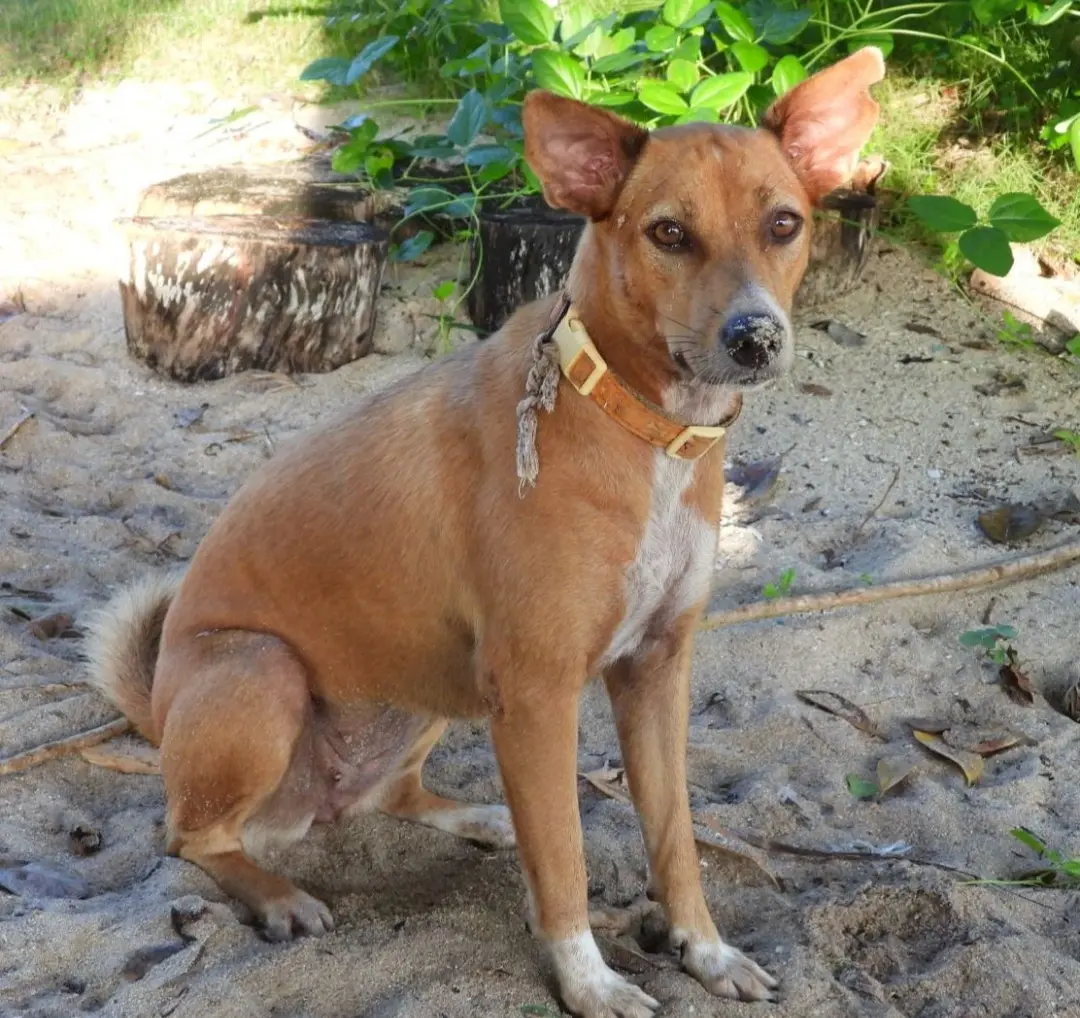
Due to their complex genetic background, there is no single, uniform standard for an Askal’s appearance. However, distinct commonalities emerge across the population:
Size: Predominantly medium-sized, striking a balance between agility and sturdiness.
Coat: Typically feature a short, low-maintenance coat that can display a wide variety of colors, including brown, black, white, brindle, and striking multi-color patches.
Ears and Muzzles: Ear sets vary widely from alert, upright triangular ears to folded, floppy configurations. Muzzles are generally medium to long, facilitating efficient panting and cooling in the tropical Philippine climate.
Health Metrics and Longevity
Life Expectancy: Well-cared-for Askal dogs live an average of 12 to 15 years, occasionally longer thanks to their robust genetic makeup.
Grooming Needs: Due to their short fur, they require minimal grooming. Routine baths are only necessary when visibly soiled, and shedding is minimal outside of seasonal transitions.
Exercise Requirements: Unlike high-energy working breeds that demand hours of rigorous daily toil, Askals require moderate exercise. Simple daily walks or a secure yard to explore provide ample physical and mental stimulation.
Official Statements and Behavioral Insights
Animal behaviorists, veterinarians, and rescue coordinators emphasize that the Askal’s psychological profile is as unique as its history. Below are insights into their temperament, trainability, and integration into domestic life.
Intelligence and Trainability
A common misconception is that mixed-breed street dogs are difficult to train. Veterinarians and professional trainers consistently refute this, noting that Askals possess an intellectual sharpness that rivals highly regarded working breeds like the German Shepherd or Siberian Husky.
"The Askal’s cognitive flexibility is astounding," notes a prominent Manila-based veterinarian and animal welfare advocate. "Because they spent generations navigating complex human and urban environments, they exhibit an innate, independent problem-solving capacity that makes learning commands, agility courses, and household rules remarkably intuitive."
Temperament with Humans and Children
Despite having origins on the rough streets, Askals display a remarkably gentle and peaceful demeanor toward humans. They are notably patient and cheerful around children, posing no threat to the young or vulnerable.
However, animal behavior experts issue a crucial caveat regarding street-born adults:
Trust-Building: Dogs that have experienced the perils of street life often harbor a natural initial suspicion toward humans.
The Rehabilitation Phase: New owners adopting an adult Askal must invest time, patience, and positive reinforcement to earn the dog’s absolute trust. Once that bond is forged, the loyalty is unwavering.
Independent Streak: While deeply affectionate and deeply appreciative of human companionship, Askals retain a healthy sense of independence. They relish quiet moments of solitude and are perfectly content exploring a secured backyard independently.
Future Outlook: The Global Future of the Askal
As the international pet community moves away from unethical puppy mills and toward rescue adoption, the Askal is poised to become a global ambassador of resilience and adaptability.
Legal and Logistical Realities of International Adoption
For prospective owners outside the Philippines—particularly in the United States—acquiring an Askal is entirely legal. No regulatory frameworks prohibit the ownership or transfer of an Aspin. However, because they are not recognized as a formal breed by major kennel clubs, they are difficult to source commercially and are typically acquired through international rescue organizations.
Transporting an Askal across international borders requires strict adherence to veterinary protocols:
CDC and Local Health Compliance: Owners must provide verifiable proof of up-to-date vaccinations, notably rabies titers.
Fitness for Travel: The dog must undergo rigorous health screenings to ensure it is fit for long-haul air transit.
Documentation: Comprehensive medical records must accompany the animal when crossing state or international lines.
Conclusion: A Legacy of Loyalty
The journey of the Askal—from an anonymous survivor on the sun-baked streets of Southeast Asia to a cherished, globally recognized companion—is a testament to the enduring bond between humans and canines. By embracing the Askal, society moves past superficial breed standards and honors what truly matters in a companion animal: intelligence, health, loyalty, and an indomitable spirit of love. Whether lounging on a suburban porch in Ohio or trotting alongside a guardian in Manila, the Aspin stands as living proof that the best dogs are often those forged by life itself.