
Executive Overview
Dublin’s public transit network forms the vital circulatory system of Ireland’s bustling capital, moving hundreds of thousands of commuters, tourists, and residents daily. However, for pet owners—particularly dog lovers—navigating this multi-modal system is a complex exercise in inconsistency. Dublin’s transit infrastructure is a patchwork of varying regulations, unwritten rules, and stark prohibitions that can easily strand an unprepared traveler and their four-legged companion.
At first glance, the city offers promising avenues for canine travel. The coastal DART (Dublin Area Rapid Transit) lines, regional commuter trains, and intercity rail services managed by Irish Rail (Iarnród Éireann) present relatively accommodating environments for small pets. Conversely, other critical arteries of the city’s transit grid present formidable, sometimes insurmountable, barriers. The city’s light rail system, the LUAS, enforces a strict blanket ban on all pet dogs, while the expansive municipal bus network operated by Dublin Bus relies almost entirely on the discretionary whims of individual drivers. Meanwhile, intercity bus travel via Bus Éireann offers a cruel irony for animal lovers: despite featuring an iconic hound in its corporate branding, the company’s coaches remain strictly off-limits to companion animals.
For the modern urban pet owner, traveling seamlessly across Dublin requires a deep, granular understanding of each operator’s guidelines, unspoken operational nuances, and formal limitations. This investigative report provides a definitive, deeply researched guide to navigating Dublin’s public transit with dogs. It breaks down the official policies, examines how transit authorities apply these rules in practice, and evaluates what the future holds for pet-friendly urban mobility in Ireland.
Detailed Chronology of Pet Policy Inquiries and Findings
Understanding the current landscape of Dublin’s transit policies requires looking at how these regulations are communicated, enforced, and clarified by the operating authorities. Because official websites frequently omit crucial details regarding companion animals—often focusing solely on statutory obligations for guide and assistance dogs—direct inquiries to customer service channels are essential for uncovering the truth.
The baseline of this investigation stems from systematic inquiries conducted with key transit operators to resolve ambiguities in their published documentation.
The Dublin Bus Inquiry (July 2016)
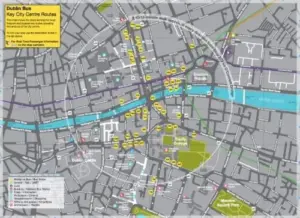
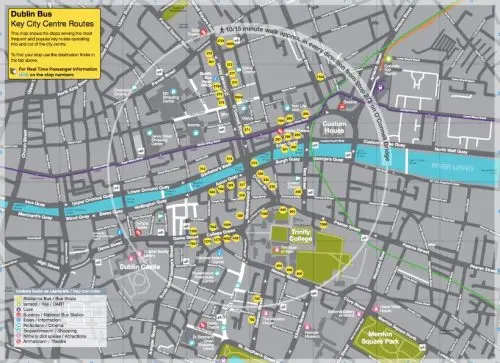
Dublin Bus manages an extensive, highly utilized network of routes crisscrossing the core city center and its sprawling suburbs. Yet, a review of their official web portal revealed a conspicuous silence regarding the carriage of domestic pets. To pierce this administrative ambiguity, a formal inquiry was dispatched to customer relations on July 24, 2016.
The resulting official response laid bare the precarious nature of bus travel with pets in Dublin:
"All guide dogs and assistance dogs are permitted on all of Dublin Bus services, however, it is up to the discretion of the driver to decide whether any other dog is allowed to board the bus."
This policy shifts the burden of compliance entirely from clear corporate regulation to the frontline decision-making of individual operators. In practical terms, this creates a sliding scale of probability for commuters:
- Small Dogs in Carriers: Virtually guaranteed entry, as enclosed carriers pose minimal disruption, safety concerns, or allergy issues.
- Small Dogs on Leashes (Carried in Arms): Highly probable entry, though vulnerable to a cautious or strict driver.
- Large Dogs on Leashes: A risky gamble. Larger canines occupy valuable floor space, present visibility hazards in crowded aisles, and face a high likelihood of being denied boarding during peak hours.
The Irish Rail & DART Clarification (August 2016)
Irish Rail (Iarnród Éireann) manages the coastal DART system, regional commuter services, and intercity lines. While the intercity network features a relatively clear, albeit restrictive, policy for animals, the official documentation failed to explicitly state whether these same rules applied to the high-density DART and commuter networks.
Following a formal outreach campaign, Irish Rail clarified its stance via an official customer service communication on August 4, 2016. The authority confirmed that its core philosophy extends across its suburban and coastal operations:
"Small dogs can be carried free of charge in the passenger compartment of services provided they travel on the owner’s lap. Guide dogs and Assistance dogs are permitted to travel on all Iarnród Éireann services without restriction. Accompanied dogs, other than those described above, can only be conveyed on Intercity services in a Guards Van (non-passenger compartment) if available (e.g. Dublin/Cork and Dublin/Belfast services only). Charges will apply."
This clarification established that small, lap-held dogs enjoy free transit across Dublin’s rail networks, while medium-to-large dogs face structural exile from passenger cabins on long-distance routes, and total prohibition on DART and commuter rail lines where dedicated luggage or guards’ vans are absent.
Supporting Context & Metrics: Analyzing the Transit Landscape
To fully grasp the challenges facing dog owners in Dublin, one must examine the specific mechanics, spatial limitations, and service models of each major transit provider. The city’s transport ecosystem is divided among distinct corporate entities, each enforcing its own distinct operational philosophy toward animals.
1. Dublin Bus: The Municipal Lifeline and Its Discretionary Rule
Dublin Bus operates hundreds of scheduled routes using a mix of single-deck and iconic double-deck vehicles. Carrying millions of passengers annually, the system is designed for high-capacity, rapid urban throughput.
- The Spatial Challenge: During peak commuting hours, Dublin buses experience severe overcrowding. Aisles fill rapidly, and standing room becomes a premium. Introducing a large dog into this environment creates genuine logistical and safety hurdles, increasing trip-hazard risks and potential conflicts among commuters who may suffer from cynophobia (fear of dogs) or severe allergies.
- The Driver’s Dilemma: By offloading the final decision to the driver, Dublin Bus protects itself from liability while placing operators in an awkward position. A driver managing a tight timetable amid heavy traffic must make split-second judgment calls regarding whether an animal poses a threat to passenger comfort or safety. Consequently, consistency is entirely absent; a commuter might be welcomed aboard route 46A by an animal-loving driver in the morning, only to be turned away by a strict operator on the same route that evening.
2. LUAS: The Light Rail Exclusion Zone
Operated by Transdev on behalf of Transport Infrastructure Ireland (TII), the LUAS network consists of two primary lines—the Red Line and the Green Line—which cross the city center.
- The Policy: The LUAS code of conduct is absolute and unyielding. The official pet policy states unequivocally: "No animals are allowed on board with the exception of guide dogs."
- The Impact: Unlike buses, where driver discretion offers a glimmer of hope, the LUAS operates under rigid, automated, and tightly monitored rules. Modern light rail systems in other European capitals (such as Berlin, Vienna, or Paris) have successfully integrated pet-friendly policies, often requiring dogs to be muzzled or ticketed. The total exclusion of pets from the LUAS represents a significant bottleneck for cross-city canine mobility, particularly for residents living along the Green or Red corridors who rely on light rail for daily commuting.
3. DART and Regional Commuter Rail: The Coastal Exception
The Dublin Area Rapid Transit (DART) system, stretching from the rugged northern cliffs of Howth and Malahide down to the scenic coastal town of Greystones in the south, offers the most welcoming environment for small dogs in the capital.
- The Rules of the Rails: Small dogs capable of sitting comfortably on their owner’s lap ride entirely free of charge. This policy makes the coastal rail line an ideal transit method for pet owners heading to seaside parks, coastal walks, or suburban visits.
- The Limitations for Larger Breeds: The system draws a sharp line at size. Because DART and commuter rail units lack the traditional non-passenger "guards’ vans" found on select intercity locomotives (such as the Dublin-Cork or Dublin-Belfast lines), medium and large dogs are entirely barred from these commuter services. Owners of larger breeds cannot purchase a ticket or secure an exception, effectively locking them out of the city’s premier rail network.
4. Bus Éireann: The Intercity Paradox
Bus Éireann provides crucial connections between Dublin and the rest of Ireland. For international visitors and domestic travelers alike, the company’s corporate identity is famously linked to its iconic hound logo.
- The Reality Behind the Brand: Despite the canine imagery adorning its marketing materials, Bus Éireann enforces a strict prohibition against pet dogs in passenger areas, mirroring the policy of Greyhound lines in the United States. Companion animals are barred from intercity coaches, leaving long-distance travelers with few public transit options if they wish to journey across the island with their pets.
Official Statements and Comparative Policy Analysis
A broader look at European public transit standards highlights how Dublin’s approach compares to international best practices. While cities like London permit well-behaved dogs on the Underground, buses, and commuter rail systems free of charge—provided they are kept on a leash or carried—Dublin remains notably conservative.
| Transit Operator | Mode | Small Dogs (Lap/Carrier) | Large Dogs | Assistance/Guide Dogs | Governing Rule / Enforcement |
|---|---|---|---|---|---|
| Dublin Bus | Bus | Allowed (Discretionary) | Unlikely (Discretionary) | Fully Permitted | Driver’s sole discretion upon boarding. |
| LUAS | Light Rail | Prohibited | Prohibited | Fully Permitted | Absolute zero-tolerance policy. |
| Iarnród Éireann (DART) | Coastal Rail | Free (Lap-held) | Prohibited | Fully Permitted | Permitted if kept strictly on owner’s lap. |
| Iarnród Éireann (Intercity) | Heavy Rail | Free (Lap-held) | Allowed in Guards Van (Select Routes) | Fully Permitted | Guards’ van required for large dogs; fees apply. |
| Bus Éireann | Intercity Bus | Prohibited | Prohibited | Fully Permitted | Strict prohibition despite canine branding. |
The Statutory Distinction: Assistance Animals vs. Pets
Across all Dublin transit networks, federal and municipal regulations make an unyielding distinction between domestic pets and certified assistance animals. Under Irish law and the operational guidelines of Dublin Bus, LUAS, Irish Rail, and Bus Éireann, guide dogs, signal dogs, and registered assistance animals are granted unconditional access to all passenger compartments without exception, fees, or administrative hurdles.
This absolute right of access ensures that individuals with disabilities are never impeded in their mobility. However, the stark contrast between the universal welcome extended to assistance dogs and the restrictive, fragmented policies applied to companion pets underscores the administrative hurdles ordinary pet owners face.
Future Outlook: Toward a More Pet-Friendly Dublin Transit Ecosystem?
As Dublin continues to evolve into a modern, dense European metropolis, demographic shifts are placing new demands on urban infrastructure. Urban pet ownership has surged dramatically over the past decade, driven by changing lifestyle patterns, urbanization, and post-pandemic living adjustments. Consequently, public pressure on transit authorities to modernize their outdated pet policies is mounting.
Infrastructure Integration and System Harmonization
One of the most pressing engineering and administrative challenges in Dublin has been the physical integration of the LUAS Green and Red lines. As the city invests in cross-city connectivity, transit planners have a unique opportunity to rethink passenger codes of conduct. Urban mobility advocates argue that modernizing the LUAS pet policy—aligning it with progressive continental standards that permit leashed and muzzled dogs during off-peak hours—would significantly reduce vehicular congestion by enticing dog-owning commuters out of private cars and onto light rail.
Policy Reform and Economic Opportunities
Allowing pets on public transit is not merely an amenity for animal lovers; it is an economic driver for urban centers. Cities that embrace pet-friendly transit see increased foot traffic in commercial districts, higher patronage of urban parks, and enhanced vibrancy in local neighborhoods.
For Dublin, transitioning away from arbitrary rules—such as the discretionary model enforced by Dublin Bus—toward transparent, standardized frameworks will be essential. Establishing clear weight limits, mandatory leash/carrier requirements, and designated off-peak travel windows would eliminate driver stress, protect passenger safety, and provide clarity for commuters.
Until structural reforms sweep through the boardrooms of Transport Infrastructure Ireland, Dublin Bus, and Bus Éireann, travelers must remain vigilant. Planning journeys carefully, securing appropriate carriers for small pets, and recognizing the hard boundaries of the LUAS and intercity coach networks will remain fundamental skills for anyone navigating Ireland’s capital with a canine companion by their side.