Long before a puppy takes its first clumsy steps, learns to walk in a straight line on a leash, or assumes the immense responsibility of guiding an individual through a complex world, a quiet, high-stakes transformation is underway. Behind the closed eyes and silent ears of a newborn puppy, a neurological network is firing, wiring, and adapting to the stimuli of its environment.
At organizations like Dogs Inc, the preparation of future guide dogs and service dogs begins well before formal obedience training. It starts in the first two weeks of life, leveraging a science-backed protocol known as Early Neurological Stimulation (ENS). This rigorous approach to early-stage development represents a fundamental shift in how working dog organizations view animal husbandry, blending behavioral science with hands-on care to engineer resilience, emotional stability, and adaptability from day one.
Executive Overview
The journey of a service dog is rarely viewed through the lens of its earliest days, yet canine behavioral experts agree that the foundation of a successful working dog is laid long before it enters adolescence. Newborn puppies spend their initial weeks in a state of complete dependency, relying entirely on their mother and littermates for warmth, nutrition, and survival. However, vulnerability does not equal stagnation.
During the neonatal stage—spanning from birth through approximately two weeks of age—a puppy’s brain and central nervous system undergo rapid development. Capitalizing on this critical window requires specialized tools. Early Neurological Stimulation (ENS) introduces mild, controlled physical stressors to the neonatal puppy. These brief, gentle exercises are designed to stimulate the neurological system, improving the cardiovascular system, enhancing stress tolerance, and bolstering disease resistance.
While ENS is only one chapter in a comprehensive developmental lifecycle, it sets the stage for everything that follows. From the transition phase and active socialization windows to adolescence and formal training, organizations such as Dogs Inc utilize a multi-phased methodology. This ensures that every animal graduates not just with technical proficiencies, but with the psychological fortitude required to navigate high-stress, real-world environments safely and effectively.
Detailed Chronology: From Neonatal Roots to Working Adulthood
To understand how a service dog is forged, one must examine the distinct developmental stages a puppy traverses on the path to maturity. Each phase introduces unique milestones, vulnerabilities, and learning opportunities that dictate the trajectory of a working dog’s career.
Phase 1: The Neonatal Stage (Birth to 2 Weeks)
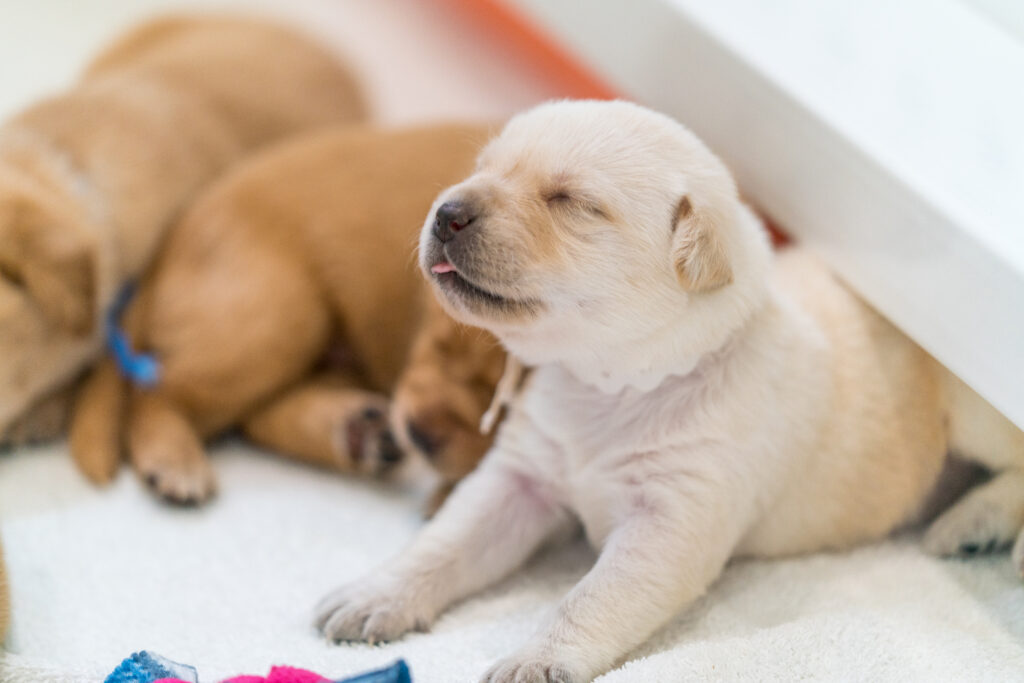
The neonatal period is defined by sensory deprivation and total reliance. Puppies are born blind and deaf, lacking the ability to regulate their own body temperature. Their existence is divided strictly between nursing and sleeping.
Despite their apparent fragility, this stage is a crucial period for neurological development. It is here that protocols like Early Neurological Stimulation are introduced. By administering a series of five distinct, brief tactile exercises daily—designed to stimulate neurological pathways without causing distress—handlers can positively influence the puppy’s autonomic nervous system, adrenal glands, and heart health.
Phase 2: The Transitional Stage (2 to 4 Weeks)
As puppies enter the transitional stage, the world suddenly opens up. Their eyes and ears begin to open, allowing them to process sights and sounds for the first time. By four weeks of age, puppies are typically walking, vocalizing, and interacting actively with their littermates.
This stage marks a shift in nutrition as well, with baby teeth erupting and the introduction of soft foods complementing nursing. Social interaction expands beyond the mother to include littermates, establishing the foundational rules of canine communication, bite inhibition, and pack dynamics.
Phase 3: The Socialization Window (3 to 12 Weeks)
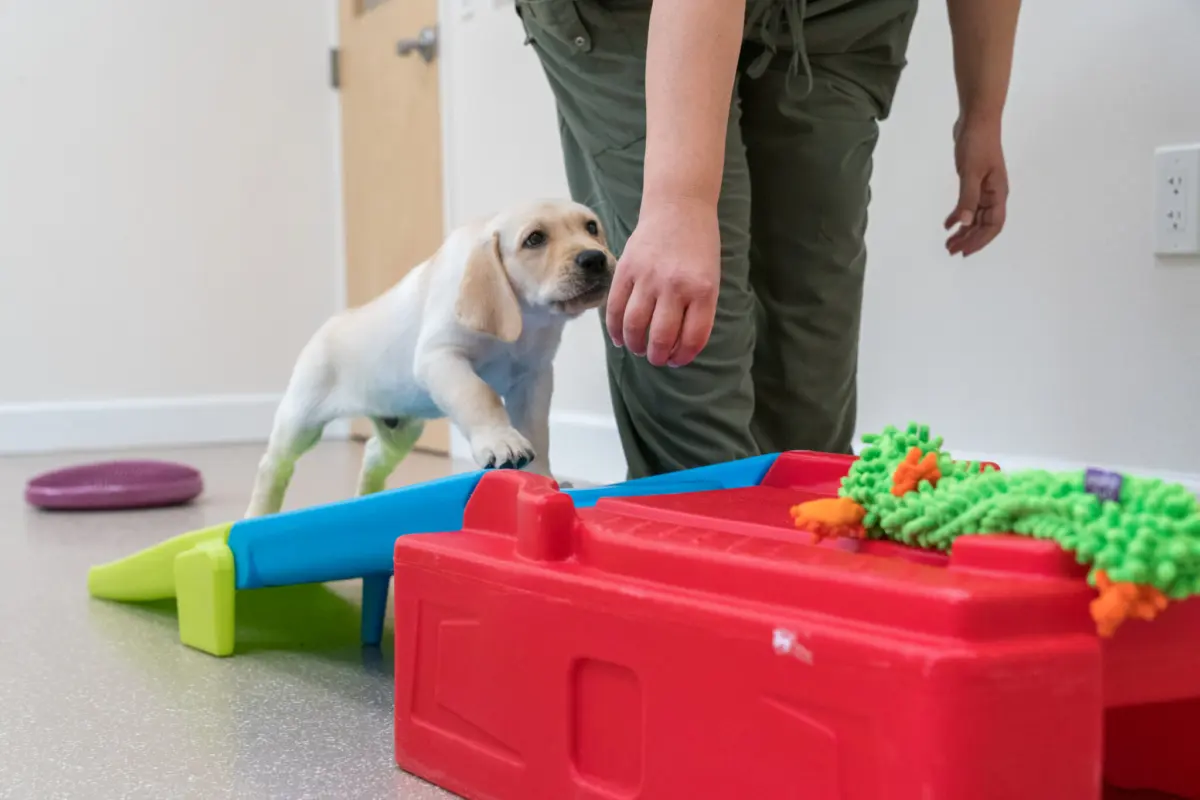
Often considered the most critical developmental window in a dog’s life, the socialization period bridges early infancy with independent exploration. Starting around three weeks and extending through three months of age, a puppy’s brain is uniquely wired to absorb new experiences with curiosity rather than fear.
During this window, exposure to diverse stimuli is paramount. Puppies must encounter:
Unfamiliar human faces, voices, and physical builds
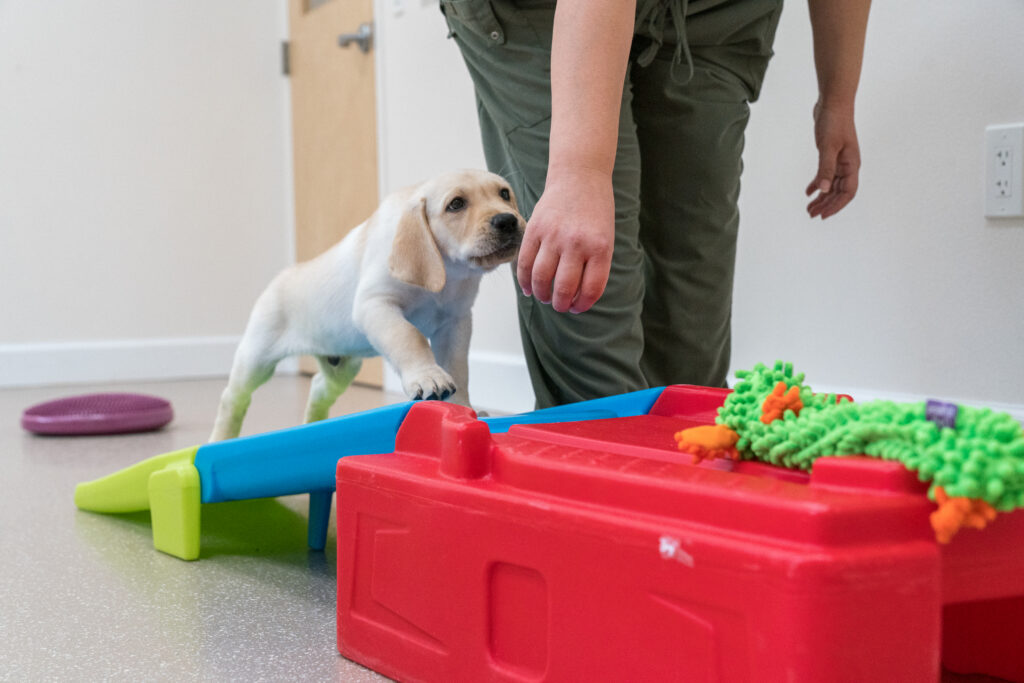
Varied flooring textures, sounds, and environmental obstacles
Novel objects, noises, and other domestic animals
Between the 8th and 12th weeks, these positive associations cement a foundation of confidence, significantly reducing the likelihood of anxiety, fear-based aggression, or reactivity in adult dogs. Concurrently, short, positive-reinforcement training sessions can begin around three months of age, instilling basic cues and encouraging routine through strategies like crate training.
Phase 4: Adolescence and Maturity (6 Months to 12+ Months)
As puppies mature into adolescence, they begin testing boundaries—mirroring the behavioral shifts of human teenagers. This stage often begins around six months of age, coinciding with the onset of reproductive maturity. Female dogs experience their first heat cycles, while males exhibit hormone-driven behaviors.
Crucially, canine behaviorists note that dogs pass through an average of four distinct "fear periods" during their growth cycle. These temporary phases require handlers to introduce new challenges with extreme care and positive reinforcement.
By 16 weeks and beyond, structured puppy classes and continued environmental enrichment help cement emotional maturity. For future service dogs, this period transitions seamlessly into formal working dog training, where advanced skills are layered over the solid foundation built during their earliest days.
Supporting Context & Metrics: The Science of ENS
The integration of Early Neurological Stimulation into modern breeding and training programs is not based on anecdotal success alone; it is rooted in decades of physiological research. Originally developed for military canine programs (frequently referred to as the "Bio Sensor" program), ENS seeks to recreate the natural, subtle stressors that wild canines experience in a den environment.
The Five-Step Protocol
The ENS routine involves handling each puppy once per day between days three and sixteen. Each exercise lasts approximately three to five seconds:
Tactile Stimulation: Holding the puppy in the hand and gently tickling the paw pad using a Q-tip.
Head Up: Holding the puppy perpendicular to the ground, with the head pointing upward.
Head Down: Holding the puppy securely with the head pointing downward toward the ground.
Supine Position: Holding the puppy so that it sleeps or rests comfortably on its back in the palm of the hand.
Thermal Stimulation: Placing the puppy feet-down on a damp, cool towel for a brief duration.
Measurable Physiological Impacts
Controlled observations and studies indicate that these brief, controlled stressors yield profound biological benefits by accelerating the maturation of the nervous system. Key physiological improvements include:
Enhanced Cardiovascular Performance: Improved heart rate variability and cardiac output.
Stronger Glandular Health: Increased adrenal function and hormonal balance.
Greater Tolerance to Stress: Superior ability to cope with environmental stressors and recover quickly from startling events.
Improved Immune System: Greater disease resistance and overall systemic resilience.
However, experts emphasize that ENS is merely the first piece of a complex developmental puzzle. A service dog’s ultimate temperament and working viability are determined by a complex interplay of genetics, comprehensive health care, targeted socialization, environmental enrichment, and ongoing positive-reinforcement training.
Official Statements and Industry Insights
The philosophy of early intervention is championed by leading canine welfare organizations worldwide. Industry leaders stress that raising a guide or service dog requires a holistic, lifecycle-oriented approach where no single stage is treated in isolation.
"Long before a puppy learns to sit, walk on a leash, or one day guide someone through the world, a lot is already happening behind the scenes," notes canine development literature from Dogs Inc. "Early Neurological Stimulation is just one small piece of the bigger picture, but it reflects the thoughtful approach that helps support healthy development from the very beginning."
Animal behavior specialists consistently reiterate that early development is not about manufacturing a "perfect" or flawless dog. Rather, it is about engineering adaptability.
"Early puppy development isn’t about creating perfect dogs. It’s about providing thoughtful experiences that support healthy growth, emotional maturity, and future learning," explains a senior trainer at Dogs Inc. "When a dog is asked to guide a visually impaired individual through a bustling transit hub or assist a veteran with mobility challenges, they cannot afford to panic. That composure is built weeks at a time, starting from the neonatal box."
Future Outlook: The Evolution of Service Dog Breeding and Training
As the demands placed on working dogs continue to evolve, the methodologies used to prepare them must adapt accordingly. The future of service dog development lies in the refinement of early-stage diagnostics, genetic tracking, and individualized enrichment programs.
Organizations like Dogs Inc are at the forefront of this evolution, continually evaluating how neonatal interventions, transitional-stage socialization, and adolescent training intersect. By bridging the gap between cutting-edge canine science and compassionate, hands-on care, these institutions are setting a new benchmark for animal welfare and operational efficacy.
Looking ahead, the integration of data-driven tracking during the neonatal and socialization windows promises even greater precision in predicting which puppies are best suited for specific working roles—whether as guide dogs, facility dogs, or service companions. Yet, despite technological advancements, the core philosophy remains unchanged: exceptional working dogs are not born by chance; they are thoughtfully nurtured from day one.