
Executive Overview
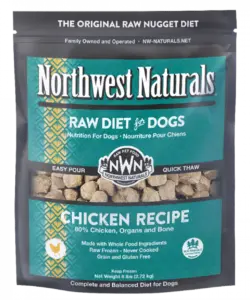
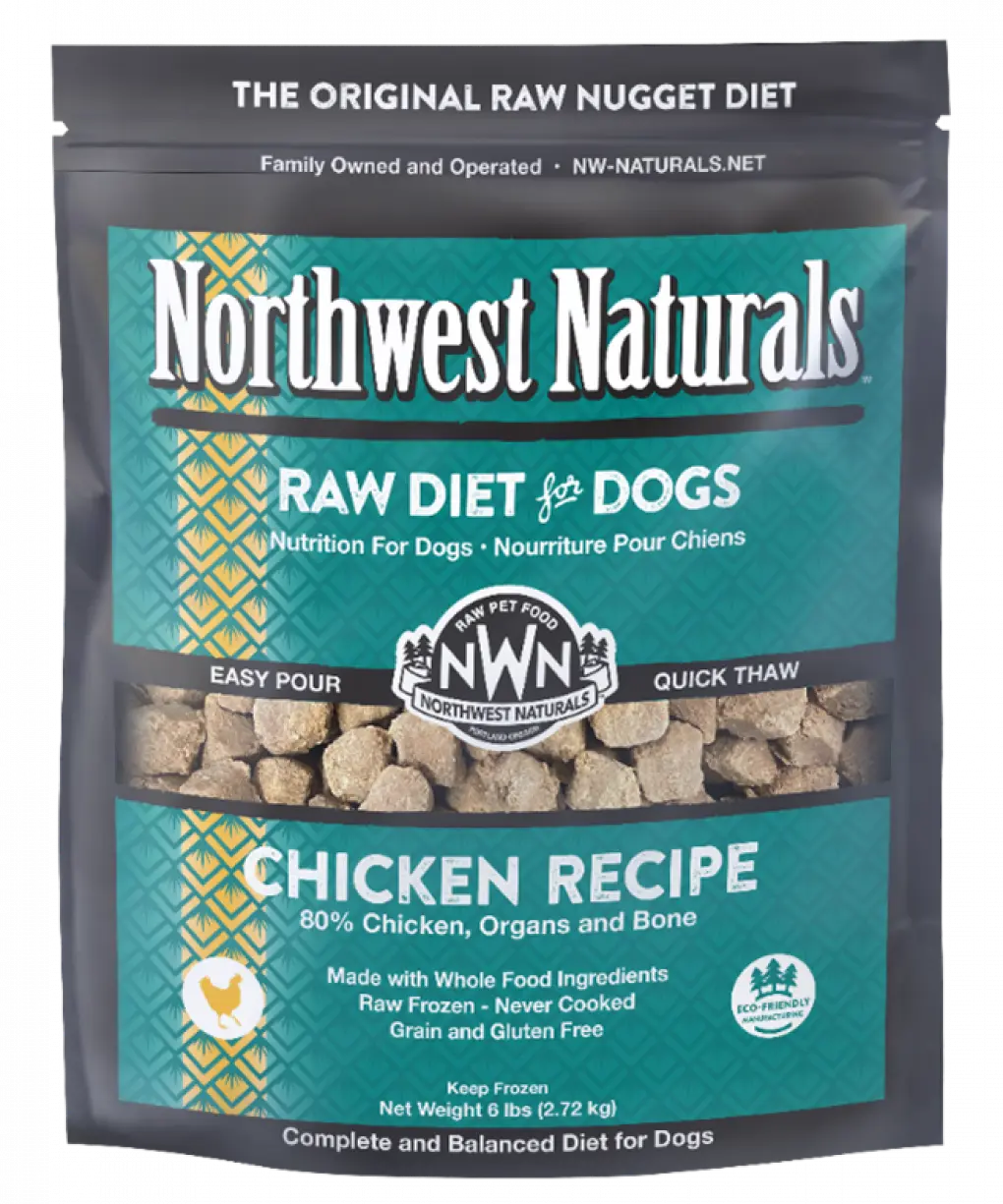
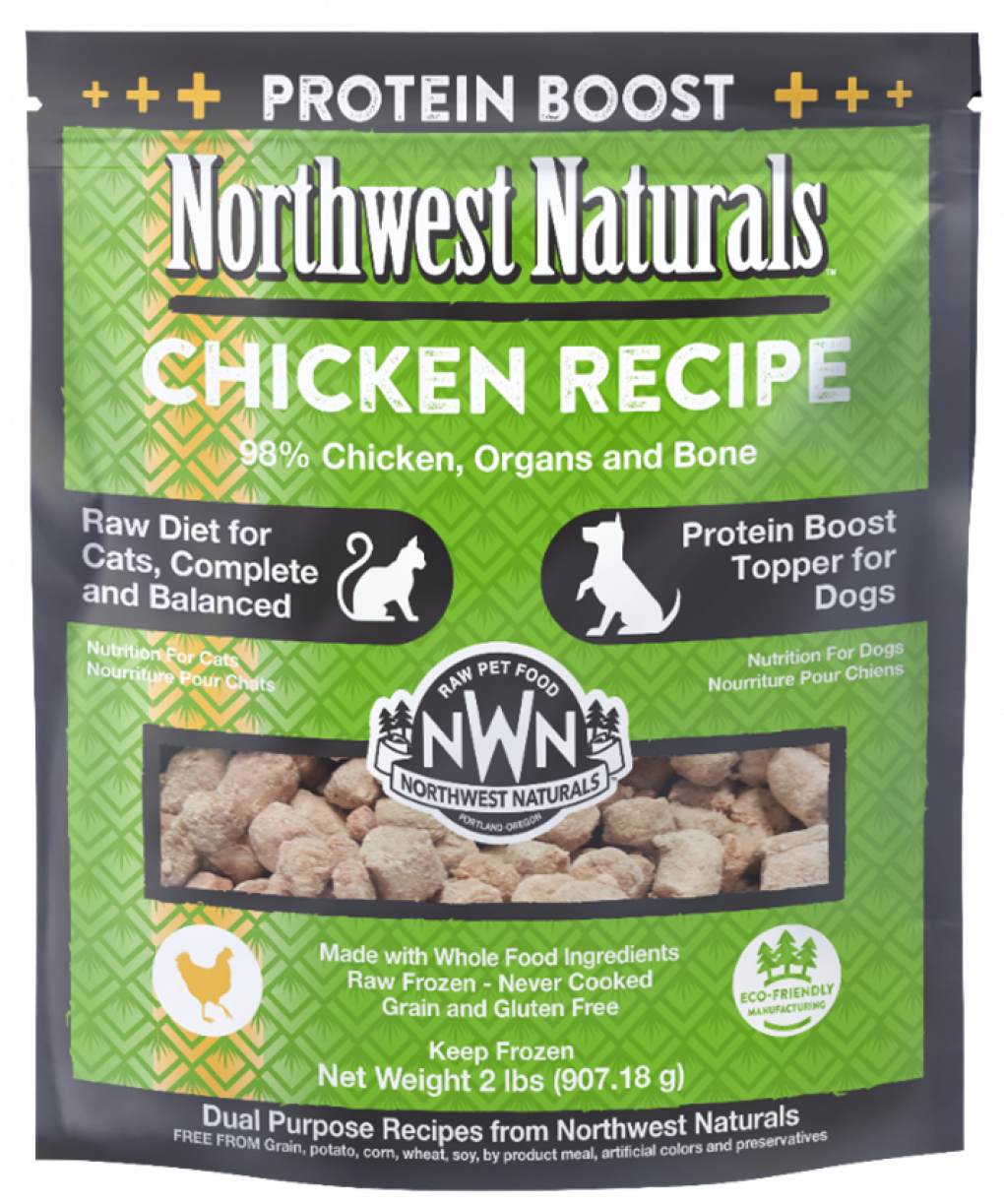
Northwest Naturals, a pet food manufacturer operating out of Portland, Oregon, has initiated a voluntary recall of two distinct lots of its frozen raw pet food products. The recall encompasses 53 cases (1,272 pounds) of Northwest Naturals Frozen Chicken Recipe for Cats and 19 cases (684 pounds) of Northwest Naturals Frozen Raw Diet for Dogs Chicken Recipe, bringing the total weight of affected inventory to 1,956 pounds across 72 cases.
The nationwide recall was prompted by regulatory laboratory testing conducted by the U.S. Food and Drug Administration (FDA), which confirmed the presence of Salmonella in the feline formula and co-contamination of both Salmonella and Listeria monocytogenes in the canine formula. While no human or animal illnesses have been reported to date, public health officials and veterinary experts warn that the presence of these enteropathogenic bacteria poses severe health hazards to pets and human caregivers.
=================================================================================
                            RECALL AT A GLANCE
=================================================================================
 Manufacturer:            Northwest Naturals (Portland, Oregon)
 Total Volume Recalled:   1,956 lbs (72 cases)
 Distribution:            Nationwide retail stores
 Confirmed Pathogens:     Salmonella spp. & Listeria monocytogenes
 Target Species:          Cats (2 lb. bags) & Dogs (6 lb. bags)
 Action Required:         Stop feeding, return to retailer for a full refund
=================================================================================
Because raw pet food diets are handled directly in residential kitchens and served raw, the risk of cross-contamination to household surfaces, utensils, and human hands is substantial. Federal health agencies, alongside Northwest Naturals, urge consumers to inspect their freezers immediately, cease feeding the impacted lots, and follow strict sanitation protocols.
Detailed Chronology of the Recall Event
The sequence of events leading to the nationwide recall underscores the critical role of federal monitoring in the pet food supply chain.
+------------------------+     +------------------------+     +------------------------+
|   FDA Routine Sampling  | --> | Positive Lab Detection | --> | Corporate Action Taken |
|  Product units collected |     | Salmonella & Listeria  |     | Voluntary Recall Issued|
|   from retail channels |     |     confirmed by FDA   |     |  Nationwide Alert Sent |
+------------------------+     +------------------------+     +------------------------+
1. Surveillance and Discovery
The contamination came to light following routine product sampling and analysis administered by the FDA. Federal inspectors collected samples from retail inventory to evaluate compliance with regulatory safety thresholds. Subsequent microbiological testing confirmed positive results for pathogen contamination:
- Feline Formula: Tested positive for Salmonella.
- Canine Formula: Tested positive for both Salmonella and Listeria monocytogenes.
2. Regulatory Notification and Corporate Action
Upon receiving formal notification of the test results from the FDA, Northwest Naturals initiated a voluntary recall program. The company coordinated with regional distributors and pet specialty retailers nationwide to halt sales and remove affected inventory from retail shelves.
3. Inventory Breakdown and Product Identifiers
The voluntary recall is strictly limited to the specific product lines and package sizes detailed below:

| Product Name | Target Species | Packaging | Affected Quantity | Identified Pathogen(s) |
|---|---|---|---|---|
| Northwest Naturals Frozen Chicken Recipe | Feline | 2 lb. Bag | 53 Cases (1,272 lbs.) | Salmonella |
| Northwest Naturals Frozen Raw Diet for Dogs Chicken Recipe | Canine | 6 lb. Bag | 19 Cases (684 lbs.) | Salmonella & Listeria monocytogenes |
Both recalled products were distributed to independent pet supply stores and specialty retail chains across the United States.
Supporting Context & Epidemiological Metrics
To understand the severity of the recall, it is necessary to examine the biological profile of the pathogens involved, their clinical manifestations in humans and animals, and the regulatory environment governing raw pet diets.
       +-----------------------------------------------------------------+
       |                  DUAL PATHOGEN HAZARD PROFILE                   |
       +-----------------------------------------------------------------+
                                       |
            +--------------------------+--------------------------+
            |                                                     |
            v                                                     v
  [ SALMONELLA SPP. ]                                 [ LISTERIA MONOCYTOGENES ]
  - High cross-contamination risk                     - Psychrotrophic (grows in cold)
  - Causes acute gastroenteritis                      - High mortality in risk groups
  - Pets can act as asymptomatic carriers             - Threat to pregnant/elderly/immuno-compromised
Pathogen Deep-Dive: Salmonella Enterica
Salmonella is a genus of rod-shaped, Gram-negative bacteria that causes salmonellosis, one of the most common foodborne illnesses worldwide.
- Human Health Implications: In humans, Salmonella infection typically manifests within 12 to 72 hours post-exposure. Standard clinical symptoms include nausea, fever, abdominal cramps, diarrhea, and vomiting. While healthy adults often recover without medical intervention, severe cases may lead to dehydration requiring hospitalization. In vulnerable individuals, Salmonella can breach the intestinal mucosa and enter the bloodstream (bacteremia), leading to arterial infections, endocarditis, reactive arthritis, and urinary tract complications.
- Veterinary Risk Profile: Dogs and cats consuming Salmonella-contaminated raw meat may show signs of lethargy, bloody diarrhea, fever, and vomiting. Less obvious symptoms include anorexia and generalized abdominal discomfort. Crucially, infected pets can remain asymptomatic while continuously shedding Salmonella bacteria through their feces and saliva, creating a persistent environmental reservoir that threatens human household members.
Pathogen Deep-Dive: Listeria Monocytogenes
Listeria monocytogenes is a hardy, Gram-positive bacterium capable of surviving and multiplying at refrigeration temperatures (psychrotrophic behavior), making frozen and chilled raw foods particularly vulnerable.
- Human Health Vulnerabilities: Invasive listeriosis is a severe disease with high hospitalization and mortality rates among vulnerable populations, including adults aged 65 and older, individuals with compromised immune systems, newborns, and pregnant women. In pregnant women, Listeria infections can lead to miscarriage, stillbirth, premature labor, or severe neonatal systemic disease, even if the mother experiences mild flu-like symptoms. Non-invasive listeriosis typically causes fever, muscle aches, headache, loss of balance, confusion, and gastrointestinal distress.
- Veterinary Vulnerabilities: Animals infected with Listeria exhibit similar neurological and gastrointestinal signs, including muscle tremors, fever, lethargy, diarrhea, and facial nerve paralysis. Like Salmonella, animals exposed to Listeria can shed the pathogen into their living environments without demonstrating outward clinical illness.
Regulatory Context: The FDA Zero-Tolerance Standard
Under the Food Safety Modernization Act (FSMA) and existing guidelines established by the FDA Center for Veterinary Medicine (CVM), the United States maintains a zero-tolerance policy for pathogenic bacteria such as Salmonella and Listeria monocytogenes in all commercial pet food products.
Unlike raw meat intended for human consumption—which is expected to undergo thermal cooking by the consumer prior to ingestion—pet food is handled directly in domestic spaces where cooking does not take place. Consequently, the FDA views pathogenic contamination in pet food as a direct public health hazard to human households under the "One Health" framework, which recognizes the interconnectedness of human, animal, and environmental health.
Official Statements & Consumer Guidance Protocols
Official Corporate Communications
In an official public notice published via the FDA regulatory portal, Northwest Naturals confirmed the scope of the recall and highlighted that no injuries or illnesses had been reported to date:
"The contamination was identified after product samples were collected and tested by the U.S. Food and Drug Administration… Northwest Naturals is voluntarily recalling these lots out of an abundance of caution for pet safety and consumer health."
Northwest Naturals customer support is available for consumers seeking verification of lot codes or processing instructions:
=================================================================================
                          CUSTOMER SUPPORT DIRECTORY
=================================================================================
 Company Hotline:         1-866-637-1872
 Operating Hours:         Monday through Thursday | 8:00 AM – 4:00 PM (Pacific Time)
 Refund Protocol:         Return unused portion to point of purchase for 100% refund
 Official Notice:         https://www.fda.gov/safety/recalls-market-withdrawals-safety-alerts
=================================================================================
Household Decontamination and Safe Handling Guidelines
For households that have purchased or handled the recalled products, health authorities strongly recommend executing the following stepped containment protocol:
  STEP 1: Immediate Discontinuation
  └─ Stop feeding the recalled raw product immediately. Do not donate or discard loosely.

  STEP 2: Secure Packaging & Disposal/Return
  └─ Seal product in double plastic bags for retail return or secure waste disposal.

  STEP 3: Mechanical & Chemical Sanitation
  └─ Wash bowls, utensils, countertops, and storage bins with hot, soapy water, followed by a sanitizing bleach solution.

  STEP 4: Personal Hygiene & Monitoring
└─ Scrub hands thoroughly with soap for at least 20 seconds. Monitor humans and pets for gastrointestinal or systemic symptoms.- Immediate Cessation: Stop feeding the product to pets immediately. Isolate the affected bag in a sealed container or plastic bag to prevent accidental domestic exposure.
- Product Disposal or Return: Consumers are advised not to throw the product into unsealed waste receptacles where wildlife or stray animals could access it. Return the unused product to the original retailer for a full refund.
- Comprehensive Sanitation of Equipment:
- Wash all pet feeding bowls, food preparation utensils, storage containers, and countertop surfaces with hot, soapy water.
- Apply a chemical sanitizer (such as a diluted solution of 1 tablespoon household bleach per gallon of water) to hard non-porous surfaces that came into contact with the raw food. Allow it to air-dry.
- Discard plastic or scratched food dishes that can harbor bacterial biofilm, replacing them with stainless steel or non-porous ceramic alternatives.
- Personal Hygiene Practices: Wash hands thoroughly with soap and warm running water for at least 20 seconds after handling raw pet food, touching feeding dishes, or coming into contact with pet feces.
Future Outlook & Industry Implications
The Northwest Naturals recall highlights ongoing discussions within veterinary medicine and regulatory circles regarding the growth of the raw pet food market.
       RAW PET FOOD DIETS: GROWTH VS. REGULATORY PRESSURE

 Market Trend:                          Regulatory Counter-Strategy:
 ------------------------------------   ------------------------------------
 • Rising consumer demand for raw diets • Strict zero-tolerance enforcement
 • Natural/ancestral feeding claims     • Increased FDA routine retail testing
 • Increased frozen segment sales       • Adoption of High-Pressure Processing (HPP)
The Expansion of Raw Diets vs. Microbial Realities
Over the past decade, consumer preference for raw, minimally processed pet food (often referred to as BARF — Biologically Appropriate Raw Food) has expanded rapidly. Proponents argue that raw diets improve coat condition, dental health, and digestive efficacy. However, major veterinary organizations—including the American Veterinary Medical Association (AVMA), the American Animal Hospital Association (AAHA), and the World Small Animal Veterinary Association (WSAVA)—consistently issue official policy statements cautioning against raw feeding due to the persistent risk of bacterial contamination.
Technology and Mitigation Strategies
In response to frequent regulatory recalls across the raw pet food sector, manufacturers are increasingly adopting advanced mitigation technologies:
- High-Pressure Processing (HPP): A cold pasteurization technique where packaged raw products are subjected to extreme hydrostatic pressure (up to 87,000 psi). This process disrupts the cell membranes of pathogens like Salmonella and Listeria without cooking the meat or altering its nutritional profile.
- Test-and-Hold Protocols: Quality assurance systems where finished product lots are held in cold-storage warehouses and only released for nationwide distribution after third-party laboratory assay results confirm negative screens for target pathogens.
- Enhanced Traceability Integration: Implementing digital supply chain tracking to reduce the time required to trace, isolate, and recall affected products from retail networks when a contamination event occurs.
Final Conclusion
The recall of Northwest Naturals Frozen Chicken Diets serves as a clear reminder of the microbiological risks associated with raw pet foods. Although no human or animal illnesses have been confirmed, the dual presence of Salmonella and Listeria monocytogenes requires immediate consumer action. As regulatory agencies maintain strict oversight over the raw pet food sector, consumers must remain vigilant, practice rigorous home sanitation, and prioritize safe handling techniques to safeguard both human and pet health.