
Executive Overview
For centuries, human understanding of canine training has been built upon a foundation of absolute compliance. From the basic domestic commands of "sit," "stay," and "come" to advanced working disciplines, a dog’s value has traditionally been measured by the speed and accuracy with which it obeys its handler. However, an elite category of working animals operates under an entirely different paradigm. Guide dogs, vital mobility partners for individuals who are blind or visually impaired, are taught a concept that sounds paradoxical to traditional trainers: intelligent disobedience.
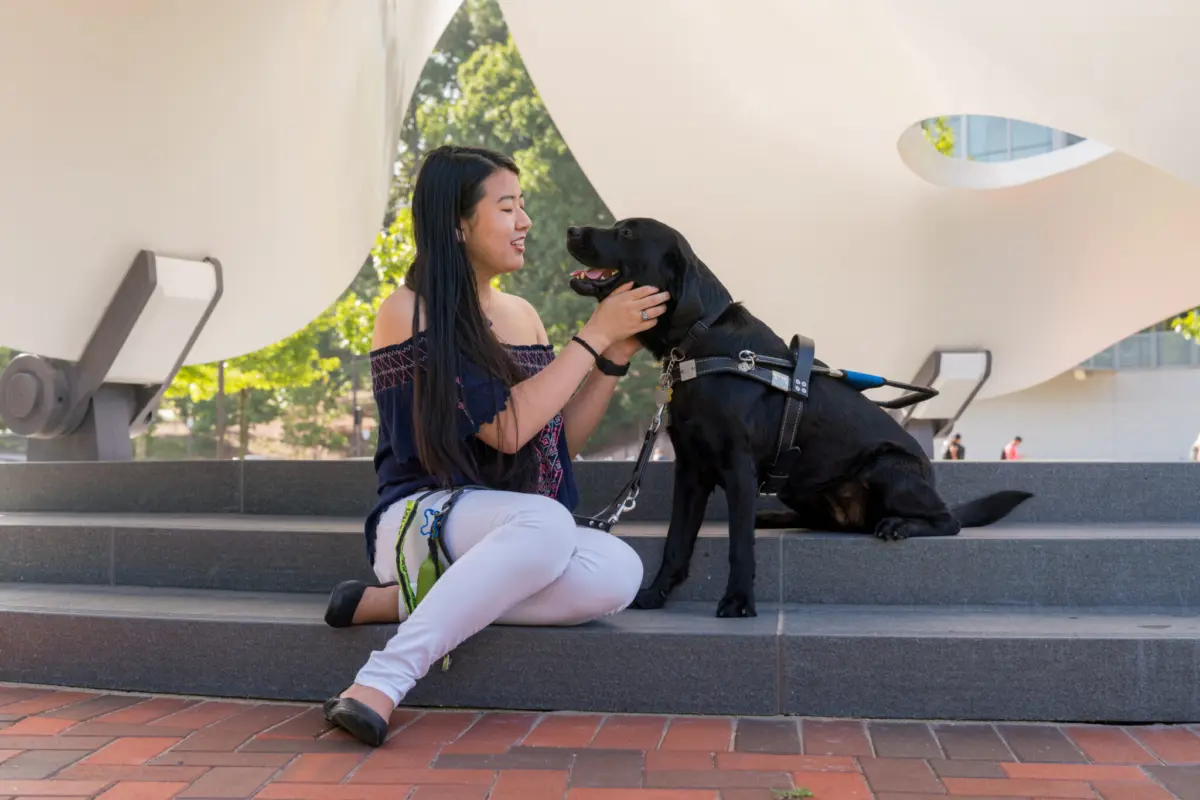
Intelligent disobedience is the remarkable ability of a guide dog to intentionally ignore, defy, or refuse a command issued by its human handler when obeying that command would introduce an imminent safety hazard. At first glance, an untrained observer might mistake this refusal for stubbornness, behavioral regression, or disobedience. In reality, it represents the absolute pinnacle of canine cognition, environmental assessment, and trust-based teamwork.
This comprehensive report explores the mechanics of intelligent disobedience, tracing its development from early puppyhood through rigorous advanced mobility training. It examines the cognitive processes that allow these extraordinary animals to weigh human directives against real-world dangers, highlights the foundational role of trust in handler-dog partnerships, and underscores how this unique skill ultimately grants blind and visually impaired individuals unprecedented freedom, confidence, and independence.
Detailed Chronology: The Lifecycle of a Guide Dog in Training
The journey toward mastering intelligent disobedience is not an overnight lesson; it is the culmination of a meticulously structured, multi-year developmental timeline. From birth to graduation, every stage of a guide dog’s life is engineered to build the physical resilience, emotional stability, and critical-thinking skills necessary to protect a human life.
Phase 1: Foundations and Puppy Raising (Birth to 18 Months)
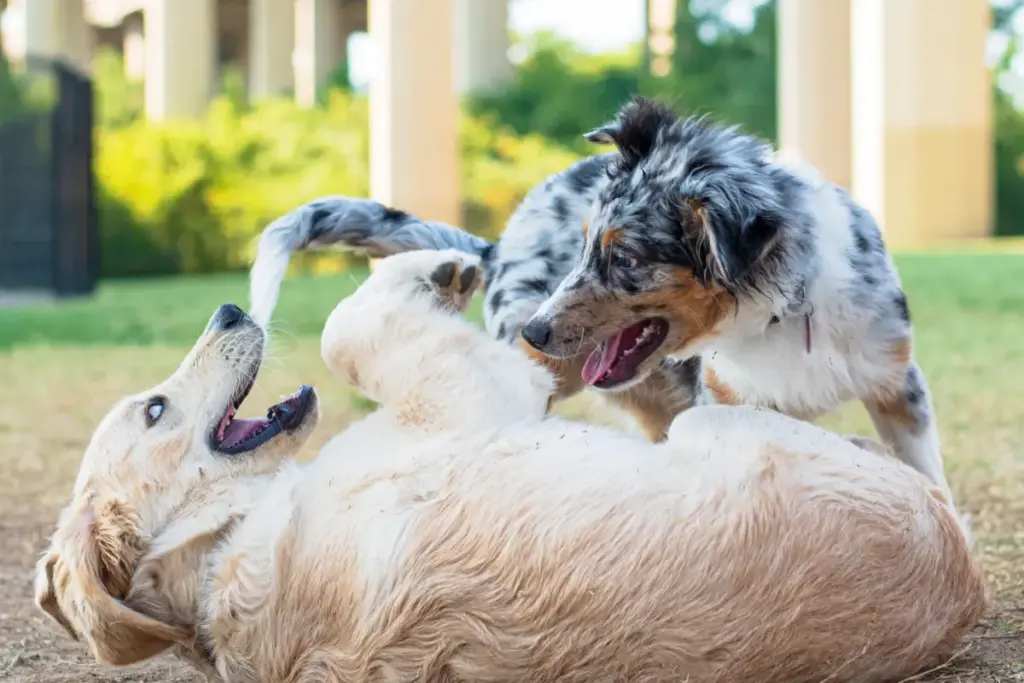
The roadmap to intelligent disobedience begins long before a puppy enters formal harness training. During the first year to year-and-a-half of life, young dogs live with volunteer puppy raisers.
- Socialization and Exposure: Puppies are systematically introduced to a vast array of environments, including crowded shopping centers, bustling public transportation hubs, uneven terrain, loud noises, and diverse weather conditions.
- Building Confidence: The goal during this phase is not to teach complex navigation, but rather to foster environmental stability. A dog that is easily startled cannot effectively assess danger. Puppy raisers teach the youngsters to remain calm under pressure, establishing a baseline of emotional resilience that will support advanced problem-solving later in life.
Phase 2: Advanced Mobility Training (Months 18 to 24)
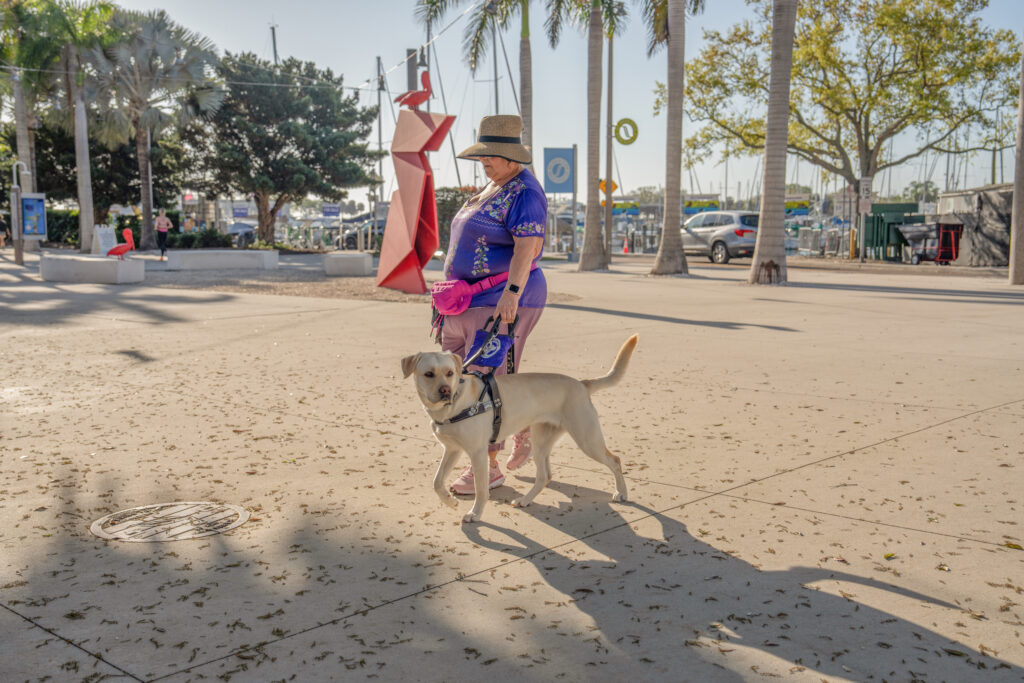
Once puppies return from their raisers, they enter formal, professional instruction overseen by expert guide dog mobility instructors. This advanced phase typically lasts a minimum of five months and focuses heavily on the mechanics of guiding and hazard evaluation.
- Real-World Hazard Simulation: Instructors expose dogs to increasingly complex, realistic scenarios. They teach the dogs to identify low-hanging branches, construction barriers, protruding signs, drop-offs, and unexpected traffic movements.
- Positive Reinforcement of Independent Thought: Unlike pet training, where compliance is automatically rewarded, advanced guide dog training rewards dogs for independent judgment. If a handler gives a "forward" command toward an obscured hazard and the dog chooses to stand its ground or veer around the obstacle, the instructor heavily rewards the dog. This positive reinforcement solidifies the understanding that prioritizing safety yields the most favorable outcomes.
Phase 3: Team Matching and the Juno Walk
When a dog successfully completes its advanced training, it is ready to be paired with a handler who is blind or visually impaired.
- Comprehensive Evaluation: Matching organizations evaluate applicants based on their specific lifestyle, everyday environment, navigation pace, and personal physical needs. Personality traits of both human and canine are weighed carefully to ensure long-term harmony.
- The Juno Walk: Before a match is officially finalized, prospective handlers participate in a "Juno Walk"—a specialized assessment tool used to test compatibility, walking speeds, and mutual responsiveness. Once the team passes this milestone, they undergo weeks of intensive, in-residence training together, learning to synchronize their movements and establish deep, communicative bonds.
Supporting Context & Metrics: The Anatomy of a Refusal
To fully appreciate intelligent disobedience, one must analyze the specific mechanics of how guide dogs interact with their environment and why traditional sensory inputs sometimes fail the human handler.
The Sensory Gap
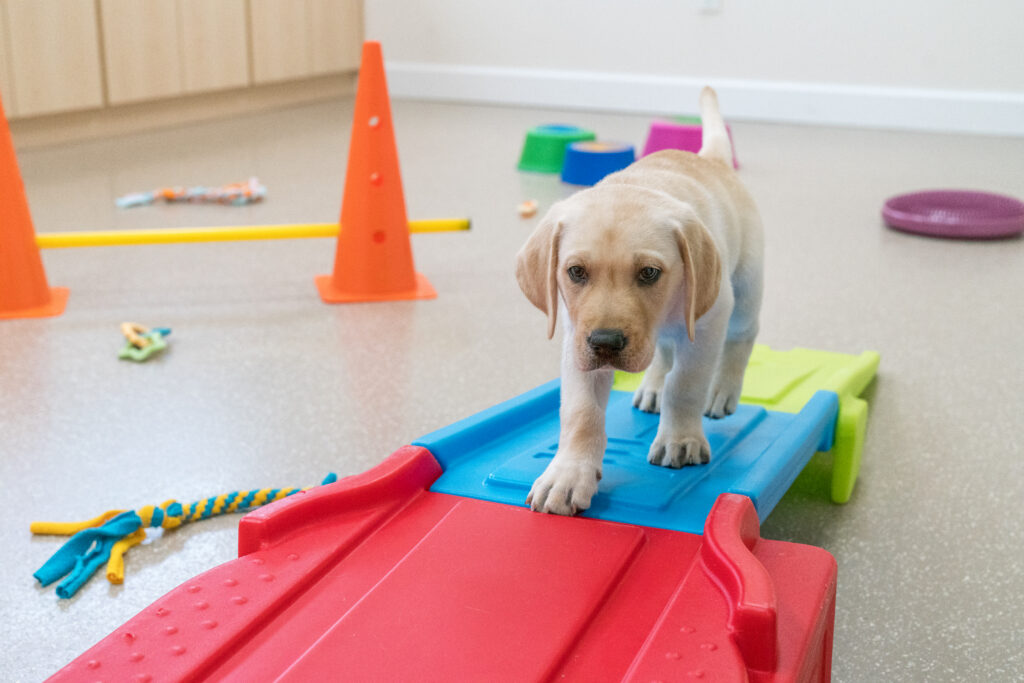
Individuals who are blind or visually impaired navigate the world brilliantly using auditory cues, tactile feedback from white canes, and spatial memory. However, urban landscapes are filled with dynamic, unpredictable hazards that transcend human sensory reach:
- Silent Vehicles: The proliferation of hybrid and electric vehicles creates a distinct acoustic challenge, making them difficult to detect via sound alone at intersections.
- Overhead and Ground-Level Obstacles: Low-hanging tree branches, projecting scaffolding poles, and sudden sidewalk excavations often fall outside the sweep range of a standard white cane, leaving the upper body and face vulnerable.
- Sudden Traffic Surges: Drivers turning on red lights or cutting across pedestrian right-of-ways introduce sudden, life-threatening variables that require split-second defensive reactions.
Matrix of Common Intelligent Disobedience Scenarios
| Hazard Type | Handler Command | Guide Dog Response | Underlying Principle |
|---|---|---|---|
| Approaching Vehicle | "Forward" (Cross Street) | Freezes in place, refusing to step off the curb. | Prioritizing kinetic safety over directional compliance. |
| Blocked Sidewalk / Construction | "Forward" (Maintain straight path) | Steers the handler in a wide arc around the barrier. | Obstacle avoidance and dynamic rerouting. |
| Overhead Hazard (Low Branch) | "Forward" (Continue walking) | Stops or gently blocks the handler’s path to prevent impact. | Protecting upper-body zones outside cane range. |
| Drop-Off / Open Excavation | "Forward" (Advance) | Braces its body against the handler to halt forward momentum. | Fall prevention on unstable or missing terrain. |
Official Insights: Perspectives from Mobility Instructors and Handlers
The implementation of intelligent disobedience requires a profound philosophical shift in how handlers perceive their animals. Certified guide dog mobility instructors play a crucial role in evaluating whether a dog possesses the psychological fortitude required for this level of independence.
Evaluating Canine Judgment
Guide dog mobility instructors do not simply look for obedience; they actively test a dog’s decision-making matrix during field evaluations. According to leading training organizations, instructors assess dogs for specific psychological markers under pressure:
- Composure Under Stress: How does the dog react to sudden loud noises or erratic pedestrian behavior while guiding?
- Consistency of Purpose: Does the dog repeatedly make safe choices, or does it display hesitation and confusion when faced with complex traffic patterns?
- Initiative vs. Passivity: Does the dog display proactive problem-solving (such as finding an alternate route around a blocked walkway) rather than simply stopping and waiting indefinitely?
The Psychology of Trust
For intelligent disobedience to function seamlessly, a reciprocal relationship of trust must exist between human and animal.
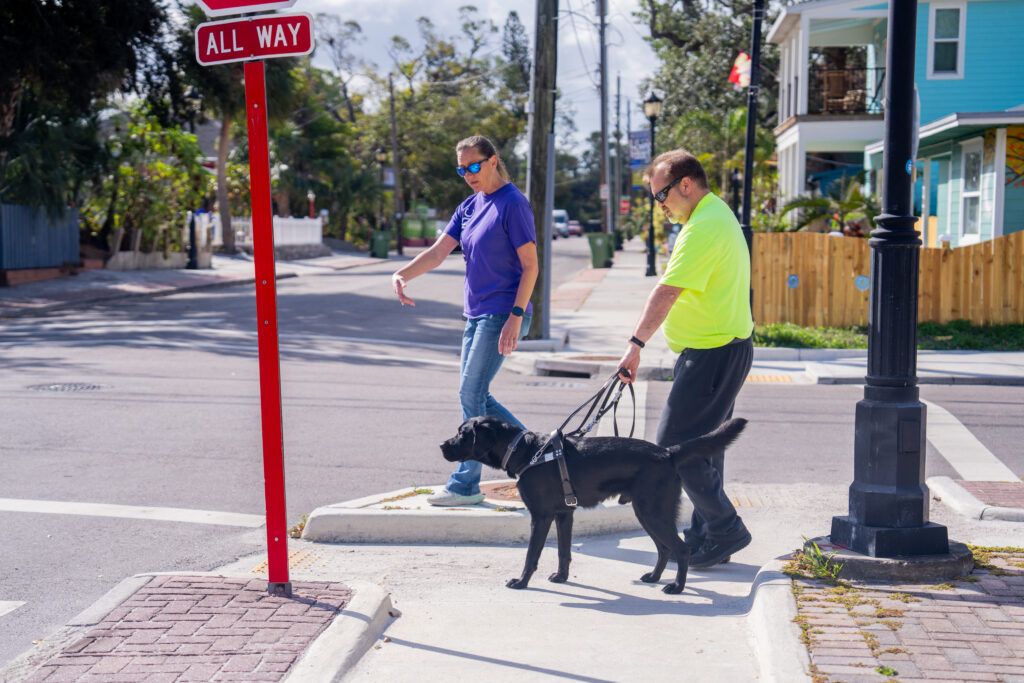
- The Handler’s Dilemma: Handlers must learn to quiet their own impulses and surrender a degree of absolute control. When a guide dog suddenly plants its paws and refuses to move forward, the handler cannot immediately assume the dog is distracted or fatigued. Instead, the handler must interpret the animal’s behavior as an urgent safety alert.
- The Canine’s Communication: Because dogs cannot speak, their behavioral shifts—stiffening posture, blocking physical space, leaning against the handler’s leg, or refusing to step off a curb—serve as a silent language. Over months and years of working together, handlers become fluent in this nuanced vocabulary, transforming a simple walk into an intuitive, synchronized collaboration.
Future Outlook: The Evolution of Mobility and Canine Independence
As urban centers evolve, introducing new architectural layouts, silent electric micro-mobility devices (such as e-scooters), and increasingly distracted drivers, the role of the guide dog remains as critical as ever. While technological advancements—including GPS-enabled walking sticks and smartphone navigation apps—continue to develop, they cannot replicate the real-time, dynamic decision-making power of a living partner.
The Irreplaceable Value of Sentient Judgment
Technology can inform a user of their geographic coordinates, but it cannot evaluate the erratic trajectory of a turning delivery truck, nor can it dynamically adjust to an unexpected chemical spill or sidewalk hazard. Intelligent disobedience highlights the unique value of the human-canine bond: a synthesis of human directional intent and canine situational awareness.
Expanding Access and Support
Organizations dedicated to breeding, raising, and training guide dogs continue to refine their selection and educational methodologies. By placing an increased emphasis on resilience, problem-solving, and emotional stability during the formative puppy-raising months, breeding programs are producing successive generations of dogs better equipped to handle the complexities of modern urban environments.
Ultimately, intelligent disobedience transcends the realm of animal training. It stands as a testament to what can be achieved when humans and animals forge a partnership built not on blind submission, but on mutual respect, deep-seated trust, and a shared, unwavering commitment to safety and freedom. Through this remarkable skill, guide dogs do much more than lead the way—they empower individuals to navigate the world with unshakeable confidence and profound independence.