
Executive Overview
In the span of just a few years, the American backyard landscape has undergone a subtle yet profound livestock revolution. According to recent agricultural metrics, an estimated 85 million backyard chickens now populate suburban and rural yards across the United States—representing a staggering 28 percent surge between 2023 and 2025.
For millions of households, these birds occupy a fascinating and unprecedented sociological space. They are simultaneously cherished companion animals—given names, pampered with specialized feed, and integrated into family routines—and classified under federal law as a major food-producing species, right alongside cattle, swine, and commercial turkeys. This dual identity creates a labyrinthine set of challenges for veterinarians and owners alike.
While a recent survey of backyard poultry enthusiasts reveals that most owners have kept chickens for less than five years, it also highlights a sobering reality: minimizing predation and managing sudden medical emergencies remain the leading hurdles of modern flock management. When a backyard hen experiences a health crisis, the clinical stakes are high. Regulatory constraints regarding drug usage, medication residues in meat and eggs, and complex avian physiology mean that treating these birds requires specialized expertise.
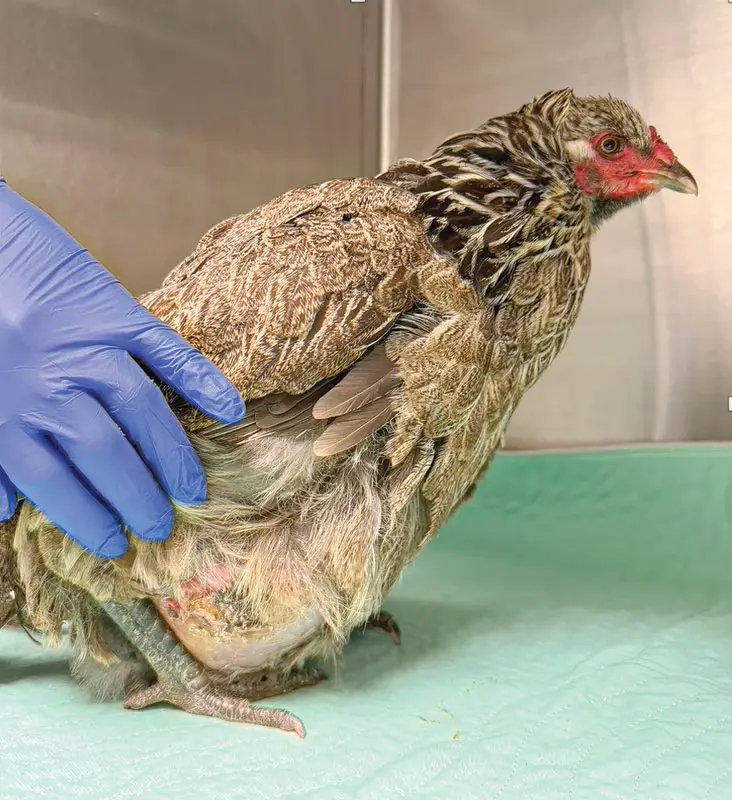
A retrospective analysis of emergency presentations at a major academic veterinary hospital illuminates this reality. Over a three-year study period, 78 backyard chickens were presented to the emergency service. With an average patient age of just one year, these cases spanned a wide spectrum of trauma, reproductive diseases, and infectious pathologies. Ultimately, 45 percent of all presented hens were successfully discharged, while 53 percent succumbed to their conditions.
This comprehensive review explores the critical medical challenges facing backyard hens, navigating the intricate intersection of emergency avian veterinary medicine, regulatory drug compliance, and flock husbandry.
Detailed Chronology of Emergency Presentations
To understand the acute medical needs of backyard chickens, clinicians must look closely at the data yielded by institutional emergency rooms. When a frantic owner rushes a one-year-old hen into a veterinary teaching hospital, what are the primary culprits behind the emergency visit?
The retrospective data points to two dominant categories of acute presentation: physical trauma, largely driven by predation, and internal reproductive tract disease.
Trauma and Predation: The Frontline Crisis
Accounting for 32 percent of all emergency cases, predation trauma stands as the single most frequent reason backyard chickens require urgent veterinary intervention. Domestic chickens remain prime targets for a wide array of urban and rural predators, ranging from raccoons and hawks to neighborhood dogs and foxes.
Veterinary clinicians evaluating these patients frequently encounter deep, extensive wounds. A critical step in the initial triage is a thorough investigation for potential penetration into the coelomic cavity or the respiratory system—specifically the air sacs. Such penetrations carry a guarded prognosis and complicate standard wound management protocols.
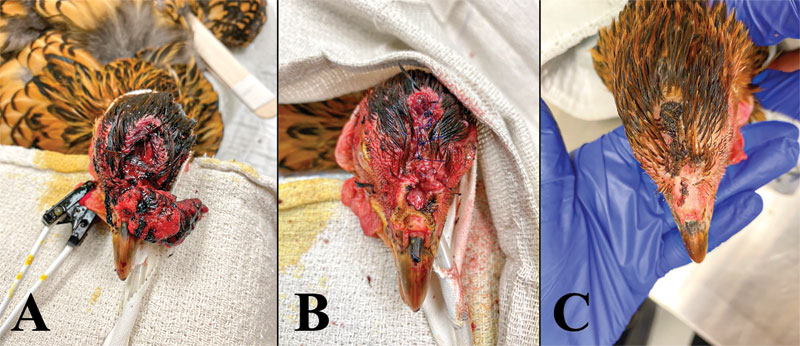
Interestingly, traditional diagnostic imaging tools like radiographs have severe limitations when assessing penetrating coelomic wounds in avian species. Because it is nearly impossible to distinguish free coelomic air from the air naturally contained within the air sacs, veterinarians must rely heavily on careful physical exploration and clinical judgment. Lavage and cleaning liquids must be deployed with extreme caution if air sac involvement is suspected.
Following stabilization, minimizing secondary complications is paramount. Vets recommend keeping recovering chickens indoors until wounds are fully healed. This containment prevents myiasis (flystrike) and wards off conspecific trauma—the tendency for other flock members to peck at open wounds. However, reintroducing a healing bird back into an established social hierarchy presents its own behavioral hurdles.
Reproductive Tract Collapse: The Internal Threat
Ranking second among emergency presentations at 13 percent, reproductive tract disorders are a pervasive and insidious threat to backyard hens. Unlike commercial production hens bred for short, intense laying cycles, backyard breeds often live longer, putting them at high risk for chronic reproductive breakdown.
Hens suffering from reproductive emergencies often present with frustratingly vague, progressive clinical signs:
- Lethargy and decreased energy
- Hyporexia (reduced appetite)
- Nonspecific diarrhea or droppings changes
- Reduced or entirely absent egg production
Owners frequently misinterpret the sudden cessation of laying as egg binding (dystocia). However, true dystocia is actually rare in chickens compared to other avian species. Instead, clinicians are more likely to uncover coelomic fluid accumulation and profound abdominal distension during physical examinations.
Ovarian neoplasia—specifically adenocarcinoma—is exceptionally common in aging hens. It frequently progresses to diffuse carcinomatosis, triggering massive coelomic effusion in its terminal stages. Surprisingly, despite carrying massive volumes of internal fluid, affected chickens rarely show immediate signs of respiratory distress, a stark clinical contrast to parrots, which rapidly develop dyspnea under similar internal pressures.
Other common reproductive emergencies include salpingitis and oviductal impactions. When the oviduct becomes severely impacted with accumulated yolk and cellular debris, it can be palpated as a firm, tubular structure filling a significant portion of the coelom. While a surgical procedure known as a salpingohysterectomy can successfully remove the diseased oviduct, the procedure is extraordinarily challenging in avian patients. Because the ovary itself is rarely removed due to the catastrophic risk of fatal hemorrhage, internal ovulation can—and often does—continue post-surgery.
Furthermore, if the delicate membranes surrounding a developing yolk rupture, free yolk spills directly into the coelomic cavity. This triggers a ferocious inflammatory response, culminating in severe peritonitis with or without secondary bacterial infection.
Supporting Context & Metrics: Pharmacology, Lameness, and Regulation
Managing these emergency conditions requires a delicate balancing act between advanced veterinary pharmacology and strict federal oversight.
The Regulatory Minefield of Avian Pharmacology
Because backyard chickens share a legal classification with cattle and swine, government regulations regarding drug administration strictly supersede an owner’s perception of their pet’s status. The primary concern is preventing chemical residues from entering the human food chain via meat or eggs.
Consequently, several vital classes of drugs are strictly prohibited for use in chickens. These include, but are not limited to:
- Nitroimidazoles (such as metronidazole)
- Chloramphenicol
- Fluoroquinolone antibiotics
When veterinarians prescribe systemic antibiotics for predation wounds or secondary infections, choices are severely restricted. Clinicians must consult databases like the Food Animal Residue Avoidance Databank (FARAD) to ensure compliance with changing regulations.
Analgesia is equally complex. While pain management is crucial for animal welfare, many analgesics lack official approval for use in chickens and carry unknown egg withdrawal times. Groundbreaking pharmacokinetic studies on meloxicam have revealed fascinating physiological differences across breeds. While standard White Leghorn hens process meloxicam predictably, heritage and backyard breeds—such as Wyandotte and bantam Cochin hens—exhibit a larger volume of distribution, slower metabolism, and delayed clearance of the drug. Consequently, veterinarians must cut the standard meloxicam dose in half for these specific breeds, dropping it to 1 mg/kg orally once daily instead of twice daily. For the vast majority of other backyard chicken breeds, however, pharmacokinetic data simply does not yet exist.
Lameness and the Shadow of Marek’s Disease
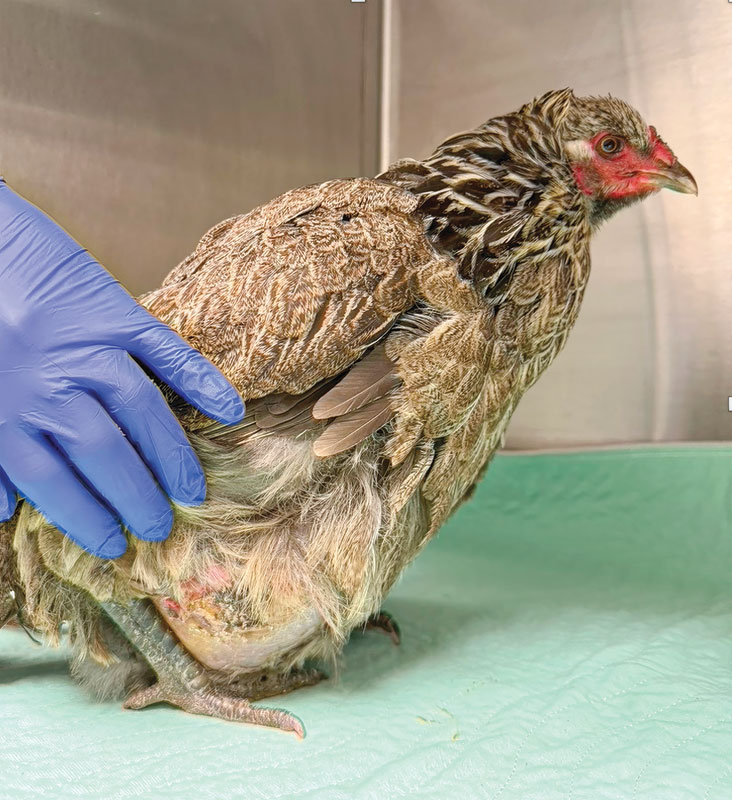
Lameness is a frequent complaint in backyard flocks, with three primary drivers: physical trauma, pododermatitis (bumblefoot), and Marek’s disease.
Pododermatitis is often chronic, stemming from poor nutrition, inappropriate perches, or unequal weight-bearing. Because avian abscesses are characteristically caseous (cheesy) rather than liquid, surgical debridement is frequently required alongside antibiotics. To maximize efficacy, innovative techniques like regional limb perfusion deliver localized medication directly to the affected limb rather than relying solely on oral administration.
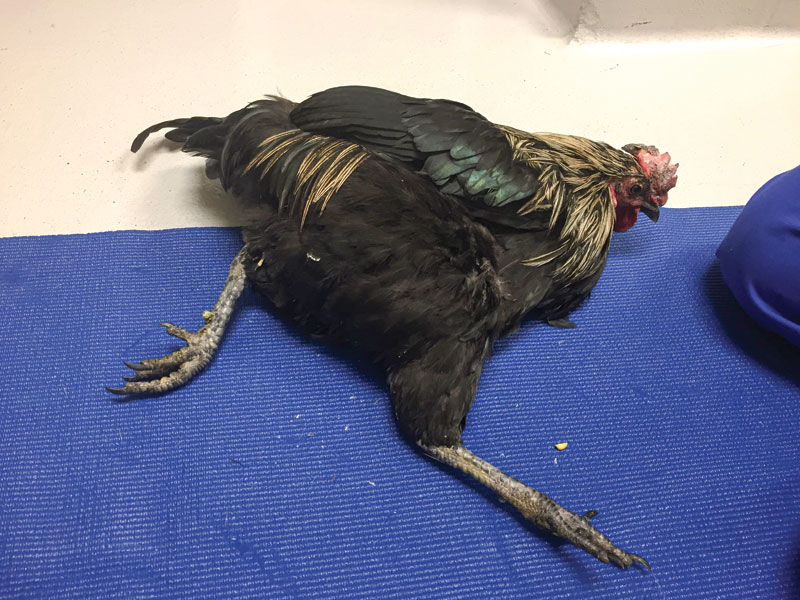
More ominous, however, is Marek’s disease (Gallid alphaherpesvirus 2). Ubiquitous across virtually all backyard flocks regardless of vaccination status, this highly contagious virus accounts for a massive share of lymphoproliferative mortalities in the U.S. Surviving for months in environmental dust and poultry litter, the virus causes neurolymphomatosis—an asymmetric paralysis of the pelvic limbs or wings.
Affected birds initially present with unilateral lameness that rapidly progresses to complete paralysis. There is no effective treatment for clinical Marek’s disease; humane euthanasia is the only recommended recourse. While commercial hatcheries administer vaccines in ovo on the 18th day of incubation, these vaccines are not 100 percent effective and require up to two weeks to produce robust immunity—a critical window during which young chicks are frequently exposed to the environment.
Respiratory Pathogens and Biosecurity
While acute respiratory distress is less common as an immediate emergency in chickens compared to psittacines, chronic respiratory diseases are rampant in backyard settings.
Pathogens like Mycoplasma gallisepticum plague flocks, leading to chronic upper respiratory signs, infraorbital sinusitis, and severe periorbital swelling. Tetracycline antibiotics can manage symptoms, but they rarely eliminate the organism entirely.
Of even greater regulatory alarm is Highly Pathogenic Avian Influenza (HPAI). Driven by ongoing outbreaks of the H5N1 strain in wild and domestic populations, HPAI is a nationally notifiable disease. With a staggering 90 to 100 percent mortality rate and death often occurring within 24 hours of symptom onset—marked by cyanotic combs, neurological tremors, and rapid respiratory failure—any suspected case mandates immediate reporting to the state veterinarian’s office.
Official Statements and Industry Insights
The rapid evolution of backyard poultry keeping has forced veterinary medicine to adapt quickly. Leaders in avian and zoological medicine emphasize that shifting cultural perceptions of chickens are clashing directly with legacy agricultural laws.
"Backyard chickens occupy a unique and paradoxical space in modern society," notes avian medicine specialists. "To the family keeping them in a suburban yard, they are affectionate pets akin to a dog or cat. To the federal regulator, they are food-producing livestock. Navigating this divide requires extreme clinical vigilance, particularly when balancing pain management and antibiotic stewardship with public health safety."
Veterinary researchers also stress the importance of proactive flock management over reactive emergency care. Given that predation and preventable infectious diseases make up the bulk of emergency admissions, structural biosecurity and rigorous vaccination protocols during the chick stage remain the most effective tools for reducing flock mortality.
Future Outlook
As the backyard poultry population continues its upward trajectory through the latter half of the decade, the veterinary landscape must evolve to meet the specialized needs of these birds.
The coming years will likely see increased research into breed-specific pharmacokinetics, expanding our understanding of how various heritage chickens metabolize critical analgesics and anti-inflammatory medications. Furthermore, as diagnostic imaging and ultrasound techniques become more widely accessible in general practice, the early detection of subclinical reproductive tract disorders—such as early-stage ovarian neoplasia or subtle coelomic effusions—will dramatically improve.
Ultimately, bridging the gap between backyard poultry as beloved companion animals and regulated food-producing species will require continuous education for owners and advanced training for practitioners. By prioritizing biosecurity, refining pharmacological protocols, and understanding the complex physiological vulnerabilities of backyard hens, the veterinary community can help ensure that the booming backyard flock movement remains healthy, sustainable, and humane.