The landscape of veterinary medicine is undergoing a transformative period, driven by rapid advancements in pharmacology, specialized nutritional science, and a fundamental philosophical shift in how veterinary professionals approach animal wellness. No longer confined to reactive treatments that merely manage symptoms as they arise, modern veterinary practice is embracing proactive, preventative, and multimodal strategies designed to maximize both the lifespan and healthspan of companion animals.
From the introduction of fast-acting, long-duration injectables capable of subduing canine allergic dermatitis for weeks at a time, to advanced prescription diets formulated to accelerate upper gastrointestinal healing and post-operative recovery, the tools available to veterinary practitioners have never been more sophisticated. Simultaneously, the industry is rethinking pain management—pioneering the concept of a "standard of caring" that transcends traditional clinical metrics to prioritize holistic comfort, early detection of degenerative joint diseases like canine osteoarthritis (OA), and comprehensive multimodal analgesia.
This report provides an in-depth examination of the latest breakthroughs shaping veterinary medicine. Drawing upon expert insights, emerging clinical protocols, and specialized educational resources such as VPN Plus+, we explore how these innovations are redefining the boundaries of veterinary care, empowering pet parents, and forging stronger, healthier bonds between humans and their animal companions.
Detailed Chronology of Modern Veterinary Advancements
The evolution of modern veterinary care did not happen overnight; it is the culmination of decades of targeted research, technological integration, and a growing societal recognition of pets as integral family members. To understand where veterinary medicine stands today, it is helpful to trace the milestones that have brought the industry to its current frontier.
The Shift Toward Proactive Care (Early 2000s – 2015)
For generations, veterinary medicine operated primarily on a sick-care model. Animals were brought to the clinic when overt signs of illness or injury manifested. However, the turn of the 21st century marked a gradual paradigm shift. Veterinary epidemiologists and pharmacologists began emphasizing preventative medicine—broadening vaccination protocols, refining parasite preventatives, and introducing early diagnostic screenings for renal and cardiac conditions. During this era, pet insurance began gaining traction, giving owners financial flexibility to invest in diagnostic imaging and specialized treatments that were previously cost-prohibitive.
The Rise of Target-Specific Therapeutics (2015 – 2022)
As molecular biology advanced, the pharmaceutical industry shifted its focus from broad-spectrum, heavy-handed medications to targeted biologics and monoclonal antibodies. In dermatology, this meant moving away from universal immunosuppressants that carried heavy side-effect profiles toward precision therapeutics that interrupted specific cytokine pathways responsible for the itch-scratch cycle in allergic dogs. Similarly, veterinary nutrition transitioned into a specialized medical field, with prescription diets tailored not just for general weight management, but for precise physiological interventions—ranging from renal support to gastrointestinal stabilization.
The Era of Multimodal Management and Longevity (2023 – Present)
Today, veterinary medicine stands at the intersection of longevity science and multimodal care. The modern veterinary clinic is equipped with interventions that address chronic conditions before they severely diminish an animal’s quality of life. Proactive screening for canine osteoarthritis (OA) in young and middle-aged dogs has become a focal point, utilizing regenerative medicine and chondroprotective agents long before lameness becomes apparent. Furthermore, advancements in veterinary anesthesia and analgesia—emphasizing local blocks, constant-rate infusions, and targeted anti-inflammatory agents—have dramatically reduced post-surgical morbidity.
Supporting Context & Metrics: Key Innovations in Clinical Practice
To appreciate the scope of modern veterinary practice, one must examine the specific pillars supporting contemporary patient care: dermatology, gastrointestinal health, joint preservation, and advanced analgesia.
Canine allergic dermatitis is one of the most common reasons pet parents seek veterinary intervention. Chronic itching not only causes immense physical distress and sleep deprivation for the animal, but it also compromises the skin barrier, frequently leading to secondary bacterial and yeast infections.
Recent pharmacological developments have fundamentally changed how veterinarians manage canine allergies. Traditional daily oral medications often presented compliance challenges for pet owners, while older injection therapies had shorter windows of efficacy. Modern veterinary medicine now features fast-acting injectable therapeutics designed to provide up to six weeks of continuous relief from canine allergic itch. By interrupting the neuro-immune signaling pathways responsible for pruritus, these innovations deliver rapid comfort while significantly easing the burden of daily pill administration for pet owners.
2. Nutritional Science: Supporting the Upper GI Tract and Post-Op Recovery
Surgery, trauma, and systemic illness place an immense metabolic toll on companion animals. Nutritional support is no longer viewed as a secondary consideration; it is recognized as a vital component of the therapeutic regimen.
Advanced veterinary diets—such as specialized gastrointestinal (GI) prescription nutrition—are engineered to provide highly digestible proteins, optimal prebiotic fiber blends, and targeted micronutrients that nourish enterocytes and restore normal intestinal motility. Introducing these specialized diets early in the clinical timeline, particularly during post-operative recovery, helps prevent bacterial translocation, mitigates muscle wasting, and accelerates overall tissue healing.
3. Proactive Management of Canine Osteoarthritis (OA)
Osteoarthritis is a progressive, degenerative joint disease affecting a staggering percentage of the canine population, spanning all breeds and ages. Historically, OA was treated primarily as a geriatric disease, with interventions initiated only after significant cartilage erosion and chronic pain had set in.
Current veterinary consensus advocates for a proactive approach. By educating pet parents to recognize subtle behavioral shifts—such as slight hesitations when jumping into a car, reluctance to climb stairs, or minor changes in gait—clinicians can initiate joint health strategies years before debilitating lameness occurs. Proactive management preserves remaining cartilage, reduces systemic inflammation, and profoundly enhances the mobility and vitality of aging dogs.
4. Advanced Pain Management: Multimodal Analgesia and Anesthesia
The management of pain in small animals has evolved into a sophisticated, highly nuanced discipline. The philosophy of "No Pain is More Gain" underscores the modern veterinary commitment to comprehensive pain control. Multimodal analgesia involves combining different classes of analgesic drugs (such as NSAIDs, local anesthetics, opioids, and NMDA receptor antagonists) that act on different points along the pain pathway. This synergistic approach allows veterinarians to use lower doses of individual drugs, minimizing adverse side effects while achieving superior pain relief during and after surgical procedures.
Official Statements and Industry Perspectives
Leading voices in veterinary medicine emphasize that the rapid pace of innovation requires practitioners to continually update their clinical toolkits and communication strategies with clients.
Dr. Eleanor Vance, a veterinary pharmacologist and clinical researcher, notes the profound impact of targeted therapies:
"We are no longer guessing at what works or relying on blunt instruments that compromise an animal’s overall system. By understanding the molecular mechanisms of itch, inflammation, and pain, we can offer targeted relief that respects the patient’s physiology. For a dog suffering from chronic allergies or a cat recovering from major abdominal surgery, these advancements mean the difference between merely surviving and truly thriving."
In discussions surrounding the evolving standards of care, veterinary ethicists and practitioners increasingly advocate for a shift in terminology. As highlighted in professional resources, the industry is moving away from the rigid concept of a baseline "standard of care" toward a more compassionate, individualized "standard of caring." This philosophy encourages clinicians to look beyond clinical metrics and lab values to consider the holistic well-being of the animal within the context of its human-animal bond and the pet parent’s lifestyle.
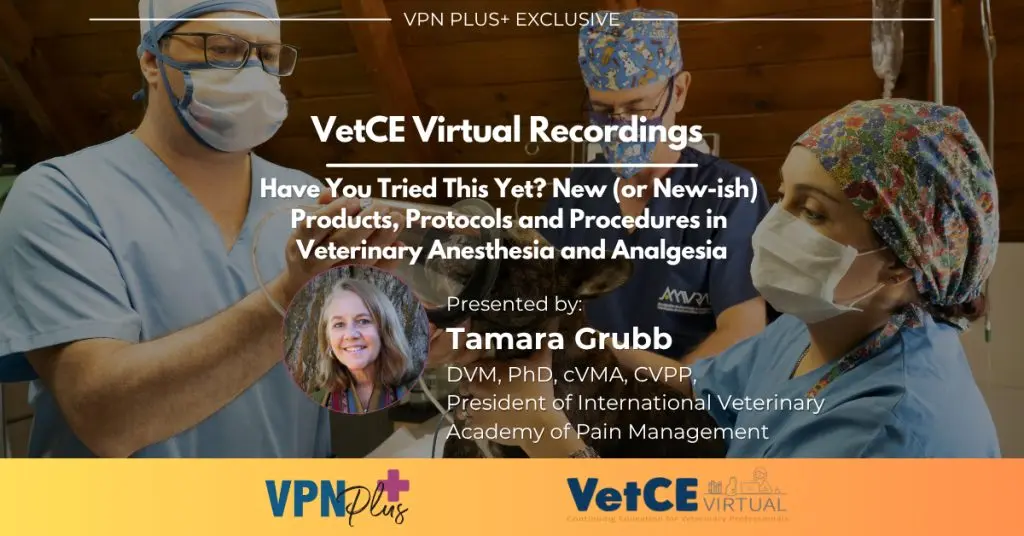
Furthermore, veterinary practice associations continually stress the importance of continuous education. Platforms like VPN Plus+ have become essential hubs for practitioners seeking to master new protocols—ranging from advanced anesthesia procedures to navigating seasonal pet-related health campaigns and specialized product reviews.
Future Outlook: The Next Decade in Veterinary Medicine
As we look toward the future, several emerging trends promise to further revolutionize the veterinary landscape:
Artificial Intelligence and Diagnostics: AI-driven diagnostic tools are expected to play a major role in early disease detection. From analyzing orthopedic gaits via smartphone video to rapid interpretation of cytologic and radiographic findings, technology will empower general practitioners to diagnose complex conditions with unprecedented speed and accuracy.
Regenerative Medicine and Stem Cell Therapy: The application of stem cell therapies, platelet-rich plasma (PRP), and gene-based treatments for chronic conditions such as osteoarthritis and severe organ dysfunction will transition from specialty clinics to mainstream veterinary practice.
Personalized Nutrition and Pharmacogenomics: As genetic testing becomes more accessible, veterinarians will increasingly tailor diet, medication dosages, and preventive care protocols to an individual animal’s unique genetic profile, minimizing adverse reactions and maximizing therapeutic efficacy.
Telehealth and Remote Monitoring: The integration of remote health monitors—such as smart collars tracking activity levels, sleep patterns, and cardiac metrics—will allow veterinarians to monitor chronic patients in real-time, intervening before minor health issues escalate into emergencies.
In conclusion, veterinary medicine is entering a golden age defined by precision, empathy, and innovation. By embracing proactive wellness, advanced pain management, and cutting-edge therapeutics, the veterinary community is not only extending the lives of our animal companions, but fundamentally elevating the quality of every moment they share with us.