
Executive Overview
In a major safety alert impacting animal shelters, veterinary clinics, and pet breeders nationwide, Orange City, Iowa-based Revival Animal Health, LLC has issued a voluntary recall for select lots of its premium feline milk replacer lines: Breeder’s Edge® Foster Care Feline Milk Replacer and Shelter’s Choice® Feline Milk Replacer.
The nationwide recall was prompted by internal and independent laboratory testing that revealed significantly sub-potent levels of essential micronutrients, including potassium, copper, folic acid, choline, and pyridoxine (vitamin B6). These deficiencies, stemming from production inconsistencies at a third-party contract manufacturer, pose acute health hazards to neonatal and young kittens. Because neonates rely exclusively on milk replacer as their sole source of hydration, energy, and developmental nutrients, missing or inadequate levels of these compounds can trigger rapid, irreversible biological decline.
While no fatalities have been officially confirmed to date, Revival Animal Health is actively investigating nine formal complaints involving gastrointestinal distress and abnormal bone development in young felines fed the affected formulas. The recalled inventory was distributed across the United States through online e-commerce portals and physical retail pet stores.
Regulatory officials and veterinary health professionals are urging pet parents, foster caregivers, shelter operators, and veterinary staff to inspect their inventories immediately, cease feeding the affected lots, and monitor young animals for early symptoms of metabolic and nutritional distress.
Detailed Chronology of the Recall
The events leading up to the nationwide recall highlight the critical reliance on multi-tiered testing protocols within the pet food and supplement manufacturing sectors.
[Third-Party Anomaly Detection]
             │
             ▼
[Revival Confirmatory Testing across Multiple Lots]
             │
             ▼
[Independent Veterinary Nutritionist Review (August 12, 2026)]
             │
             ▼
[Voluntary Nationwide Recall & FDA Coordination]
             │
             ▼
[Immediate Contract Termination with Third-Party Manufacturer]
The Initial Red Flag
The quality issue surfaced after third-party laboratory testing flagged a potential nutrient shortfall in a single manufacturing lot of feline milk replacer. The initial test results indicated that key vitamin and mineral concentrations fell noticeably below established nutritional standards for growth and reproduction set by the Association of American Feed Control Officials (AAFCO).
Internal Audit and Confirmatory Testing
Upon receiving the preliminary third-party report, Revival Animal Health initiated an aggressive internal audit. The company pulled archived samples from multiple distribution lots spanning production runs over several months and submitted them for comprehensive analytical panel testing.
Independent Expert Analysis
On August 12, 2026, an independent expert in veterinary nutrition evaluated the chemical assay results. The evaluation confirmed that widespread manufacturing inconsistencies had produced batches with severely low or variable concentrations of potassium, copper, folic acid, choline, and pyridoxine. The independent nutritionist concluded that the products failed to supply the complete and balanced nutrition necessary to sustain neonatal feline life, prompting an immediate recommendation for product withdrawal.
Corporate Action and Contract Severance
Recognizing the imminent threat to neonatal felines, Revival Animal Health formally initiated a voluntary recall in coordination with the U.S. Food and Drug Administration (FDA). In an assertive operational move, Revival also announced the immediate termination of its commercial agreement with the contract manufacturer responsible for producing the substandard formulas.
Supporting Context, Biological Impact, and Metrics
The Neonatal Vulnerability Window
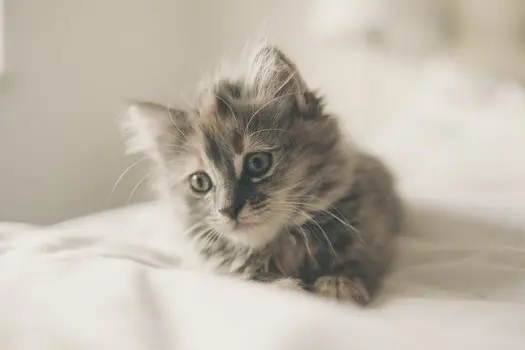
To understand the severity of this recall, one must examine the unique physiology of the domestic kitten (Felis catus). Neonatal kittens (0 to 4 weeks of age) represent one of the most biological vulnerable populations in veterinary medicine.
               [Immature Hepatic & Renal Systems]
                               │
                               ▼
[Sole Reliance on Formula] ──► [Rapid Metabolic Growth] ──► [High Sensitivity to Deficiencies]
                               │
                               ▼
            [Potential Multi-System Organ Failure]
At birth, a kitten’s physiological safeguards are severely limited:
- Immature Organ Systems: The liver and kidneys are not fully developed, limiting their capacity to compensate for metabolic imbalances or store fat-soluble and water-soluble vitamins.
- Exponential Growth Rate: Neonates can double or triple their birth weight within the first few weeks of life, requiring precise ratios of macro- and micronutrients.
- Single-Source Nutrition: Unlike adult animals with varied diets, bottle-fed neonates depend 100% on their milk replacer for basic survival.
When a milk replacer lacks essential vitamins and minerals, clinical signs of malnutrition can manifest within a few days to a few weeks, quickly leading to permanent organ damage or sudden death.
Biochemical Pathology of the Deficient Nutrients
The recall targets deficiencies in five key nutritional components. Each plays a pivotal role in feline growth and metabolic stability:
1. Potassium (Hypokalemia Risk)
Potassium is the primary intracellular cation required to maintain resting membrane potentials across cardiac, neuromuscular, and renal tissues.
- Pathology: Deficiency leads to generalized muscle weakness, cervical ventroflexion (inability to lift the head), cardiac arrhythmias, impaired renal concentrating ability, and lethargy. In neonates, severe hypokalemia can cause acute respiratory failure due to diaphragmatic weakness.
2. Copper (Connective Tissue and Hematologic Pathology)
Copper is an essential trace element serving as a cofactor for enzymes such as lysyl oxidase (critical for collagen and elastin cross-linking) and ceruloplasmin (required for iron transport).
- Pathology: Insufficient copper impairs structural skeletal development, leading to hyper-extensible joints, bone deformities, spontaneous fractures, and microcytic hypochromic anemia. This aligns with the customer complaints regarding bone development issues currently under investigation.
3. Pyridoxine / Vitamin B6 (Neurological & Metabolic Dysfunction)
Pyridoxine acts as a coenzyme in amino acid metabolism, neurotransmitter synthesis (serotonin, dopamine, GABA), and hemoglobin formation.
- Pathology: B6 deficiency can trigger severe neurological sequelae, including generalized muscle tremors, ataxia, and epileptic-form seizures. It also results in microcytic anemia and growth failure.
4. Folic Acid / Vitamin B9 (Cell Division & DNA Synthesis)
Folic acid is necessary for single-carbon transfer reactions vital to nucleic acid synthesis and cell division.
- Pathology: Rapidly dividing tissue systems—such as bone marrow and gastrointestinal epithelium—are impaired first. Folic acid deficiency leads to megaloblastic anemia, leukopenia, immune suppression, and severe gastrointestinal malabsorption.
5. Choline (Hepatic and Cellular Integrity)
Choline is a precursor for phosphatidylcholine (a major membrane phospholipid) and acetylcholine (a key neurotransmitter), while serving as a methyl donor in hepatic lipid transport.
- Pathology: A lack of choline causes rapid accumulation of triglycerides in the liver (hepatic lipidosis), impaired cell membrane integrity, gastrointestinal dysfunction, and neurodevelopmental delays.
Comprehensive Recalled Product Metrics
The affected products were distributed nationwide in stand-up resealable pouches and 12-ounce jars. The table below outlines the specific brands, products, Universal Product Codes (UPCs), packaging sizes, and Best By dates covered by this voluntary recall.
| Brand Name | Product Description | Universal Product Code (UPC) | Package Size | Affected Best By Dates |
|---|---|---|---|---|
| Shelter’s Choice® | Feline Milk Replacer | 817160011032 |
1 lb. Pouch | 10/31/2026, 04/23/2027, 05/01/2027, 05/20/2027, 06/25/2027, 02/05/2028, 03/12/2028 |
| Shelter’s Choice® | Feline Milk Replacer | 817160011049 |
3.5 lb. Pouch | 10/31/2026, 05/20/2027, 06/25/2027, 08/06/2027 |
| Shelter’s Choice® | Feline Milk Replacer | 817160011063 |
8 lb. Pouch | 09/09/2026, 10/31/2026, 05/20/2027, 06/25/2027, 08/06/2027, 03/12/2028 |
| Breeder’s Edge® | Foster Care Feline Milk Replacer | 817160010196 |
12 oz. Jar | 09/09/2026, 04/16/2027, 04/18/2027, 06/25/2027, 08/06/2027, 03/12/2028 |
| Breeder’s Edge® | Foster Care Feline Milk Replacer | 817160010103 |
4.5 lb. Pouch | 04/18/2027, 05/01/2027 |
| Breeder’s Edge® | Foster Care Feline Milk Replacer | 817160011278 |
18 lb. Pouch | 09/09/2026, 04/23/2027, 05/01/2027, 05/20/2027, 06/25/2027, 08/06/2027, 11/14/2027, 3/12/2028 |
Supply Chain Vulnerabilities in Contract Manufacturing
This recall exposes a recurring structural vulnerability in the pet specialty supply chain: reliance on contract manufacturing organizations (CMOs) or "co-packers."
While co-packers allow brands to scale production efficiently, they can introduce quality assurance risks if rigorous raw material assay protocols and finished-goods verification are not enforced. Micro-ingredients—such as vitamins and trace minerals—are introduced into high-volume milk powders via concentrated pre-mixes. If a pre-mix is improperly blended, improperly stored, or miscalibrated during batch mixing, substantial lot-to-lot variations occur.
In response to these quality failures, Revival Animal Health completely severed ties with the contract manufacturer responsible, indicating a strategic decision to rebuild trust through stricter supply chain oversight.
Official Statements and Consumer Protocol
Company and Regulatory Positions
In its official communication, Revival Animal Health stressed that consumer safety and animal welfare remain its core priorities:
"After receiving third-party test results suggesting a possible nutrient deficiency… Revival conducted its own confirmatory testing… Leading to Revival’s decision to conduct this voluntary recall due to third-party manufacturing inconsistencies… Revival Animal Health has discontinued its relationship with this contracted manufacturer."
The U.S. Food and Drug Administration (FDA) has acknowledged the voluntary recall notification and is monitoring the company’s execution of product retrieval and customer communications.
Step-by-Step Action Plan for Pet Owners and Shelters
If you suspect you have purchased or fed any of the recalled milk replacers, follow these instructions immediately:
[1. Stop Feeding Immediately] ──► [2. Verify UPC & Best By Date] ──► [3. Seek Veterinary Care if Symptomatic]
                                                                                │
                                                                                ▼
[5. Request Full Refund via Hotline] ◄── [4. Secure Product for Return/Disposal]- Cease Use Immediately: Discontinue feeding the affected Breeder’s Edge® or Shelter’s Choice® products to kittens. Switch to an alternative, non-recalled feline milk replacer.
- Inspect Packaging: Cross-reference the packaging size, UPC code, and Best By date stamped on the bag or jar against the metric table provided above.
- Monitor for Clinical Signs: Watch for signs of illness in kittens that consumed the formula, including:
- Poor weight gain or failure to thrive
- Lethargy or muscle weakness (e.g., inability to hold the head up)
- Diarrhea, vomiting, or abdominal bloating
- Joint stiffness, limb deformities, or difficulty walking
- Tremors, abnormal gait, or neurological instability
- Consult a Veterinarian: If a kitten displays any of these symptoms, seek immediate veterinary care. Inform the veterinary staff about the potential nutrient deficiency so they can run targeted blood chemistry panels and blood counts.
- Contact Revival Customer Service for Refunds: Consumers can return unused product for a full refund by contacting Revival Animal Health:
- Toll-Free Customer Service Line: 1-877-870-4059
- Operating Hours: Monday through Friday, 8:00 AM – 4:00 PM CDT
Future Outlook and Industry Implications
Impact on Rescue Organizations and Foster Networks
The recall poses immediate operational challenges for animal shelters and rescue groups. Spring and summer mark peak "kitten season," during which rescue organizations experience an influx of orphaned neonates requiring round-the-clock bottle feeding.
Because Shelter’s Choice® is explicitly formulated and distributed for rescue environments, many shelters may face formula shortages. Non-profit rescue networks must quickly pivot to alternative, quality-tested formula lines to avoid disrupting critical care schedules.
Expected Quality Control Adjustments
This incident is likely to prompt broader regulatory scrutiny of pet nutrition pre-mixes and co-packing arrangements. Industry analysts anticipate several changes across the pet supplement market:
- Mandatory Batch Testing: Brands will face increasing pressure to require finished-goods certificate of analysis (COA) testing for every production run before releasing products to market.
- Enhanced Traceability: Pet food manufacturers are upgrading lot-tracking capabilities to streamline targeted recalls and prevent broad product pulls.
- Third-Party Audits: Increased reliance on unannounced, independent audits of contract manufacturing facilities to verify ingredient blending precision.
Veterinary Care Guidance for Exposed Kittens
For kittens previously fed the recalled lots that show no overt clinical symptoms, veterinarians generally recommend transitioning to a fully verified milk replacer while monitoring growth velocities and hydration status.
In cases where kittens exhibit mild growth deficits or developmental issues, early intervention with balanced nutrition, fluid therapy, and target supplementation can help reverse subclinical deficits, giving these young animals a strong chance at full recovery.