By the Editorial Desk Published in Veterinary Practice Insights
Executive Overview
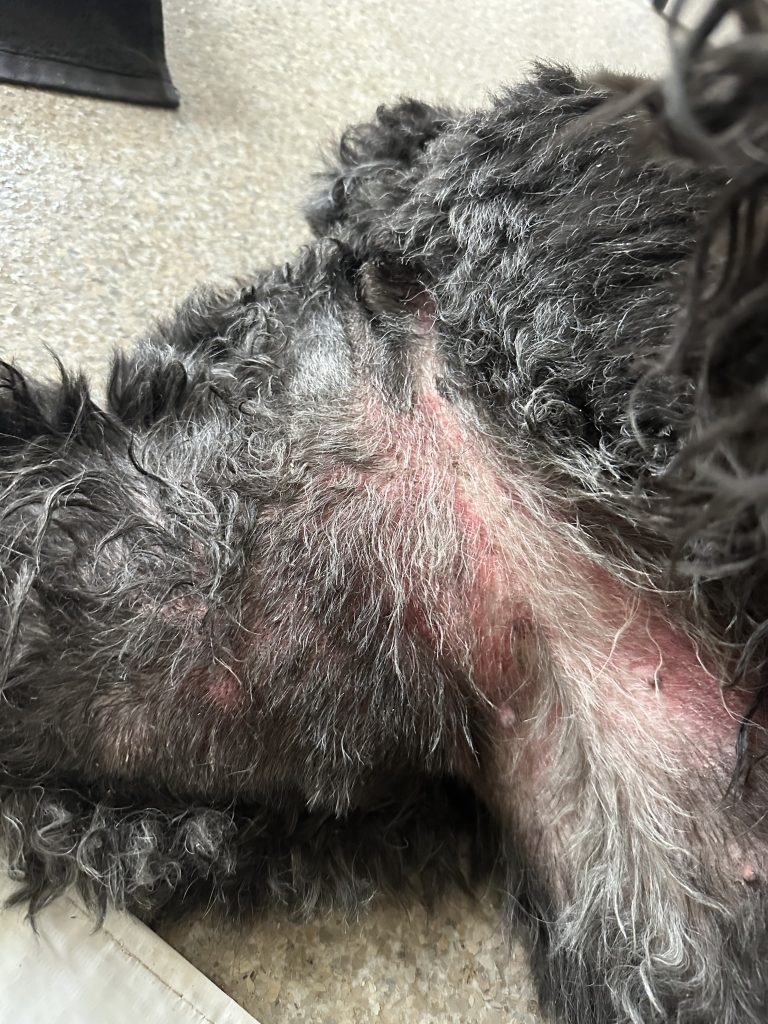
For decades, chronic skin disease in companion animals has been reflexively categorized, diagnosed, and managed as a superficial, localized nuisance. When a dog presents with pruritus, erythema, alopecia, and recurrent pyoderma, standard veterinary protocol has historically centered on seasonal allergy management through the routine administration of corticosteroids, antihistamines, and immunosuppressive pharmaceuticals.
However, a growing coalition of forward-thinking veterinarians argues that treating chronic dermatological conditions with symptom-suppressive drugs alone is fundamentally flawed. As veterinary pioneers Dr. Scarlett Magdalen and Dr. Jyl Rubin assert, masking these symptoms is the clinical equivalent of turning off a smoke detector rather than identifying and extinguishing the fire.
Emerging clinical insights and diagnostic modalities reveal that chronic skin disease is rarely an isolated condition. Instead, it is the cutaneous expression of profound, underlying systemic imbalances. These root causes frequently involve disruptions along the adrenal-endocrine axis, the gut-skin axis, systemic toxic burdens, chronic mineral dysregulation, and severe gastrointestinal dysbiosis.
By transitioning away from endless cycles of palliation and moving toward a regenerative, systems-biology approach, veterinary medicine is witnessing a paradigm shift. This comprehensive report explores the complex pathophysiology driving chronic pet allergies, examines cutting-edge diagnostic tools like hair tissue mineral analysis and microbiome profiling, and evaluates advanced regenerative therapies—such as medical ozone, photobiomodulation, and fecal microbiota restoration—that offer lasting relief with minimal hepatotoxic or immunosuppressive risks.
Detailed Chronology: The Evolution of Integrative Dermatology
To understand how modern veterinary dermatology arrived at this crossroads, it is necessary to examine the historical trajectory of pet allergy management and the gradual accumulation of scientific data linking systemic health to skin integrity.
The Era of Symptom Suppression (Late 20th Century)
For generations, the veterinary standard of care for canine and feline atopic dermatitis relied heavily on pharmacological intervention. The introduction of corticosteroids in the mid-20th century revolutionized immediate itch relief, followed later by cyclosporine and targeted monoclonal antibody therapies. While these drugs successfully interrupted the itch-scratch cycle, clinicians frequently observed diminishing long-term efficacy alongside adverse side effects, including hepatotoxicity, endocrine disruption, and lowered immune surveillance. The skin was treated as a discrete organ disconnected from the rest of the body.
The Gut-Skin and Endocrine Awakenings (2010–2020)
As human and veterinary medicine embraced microbiome research, the paradigm began to shift. The discovery of the gut-skin axis established that gastrointestinal health dictates immune system tone. Studies began connecting reduced microbial diversity and compromised intestinal barriers—leaky gut—to systemic inflammation that manifests outwardly on the skin. Concurrently, holistic veterinarians began exploring metabolic and endocrine contributors, noting that chronic stress exhausts the adrenal glands, altering mineral homeostasis and rendering the skin hyper-reactive to environmental triggers.
The Rise of Regenerative Protocols (2020–Present)
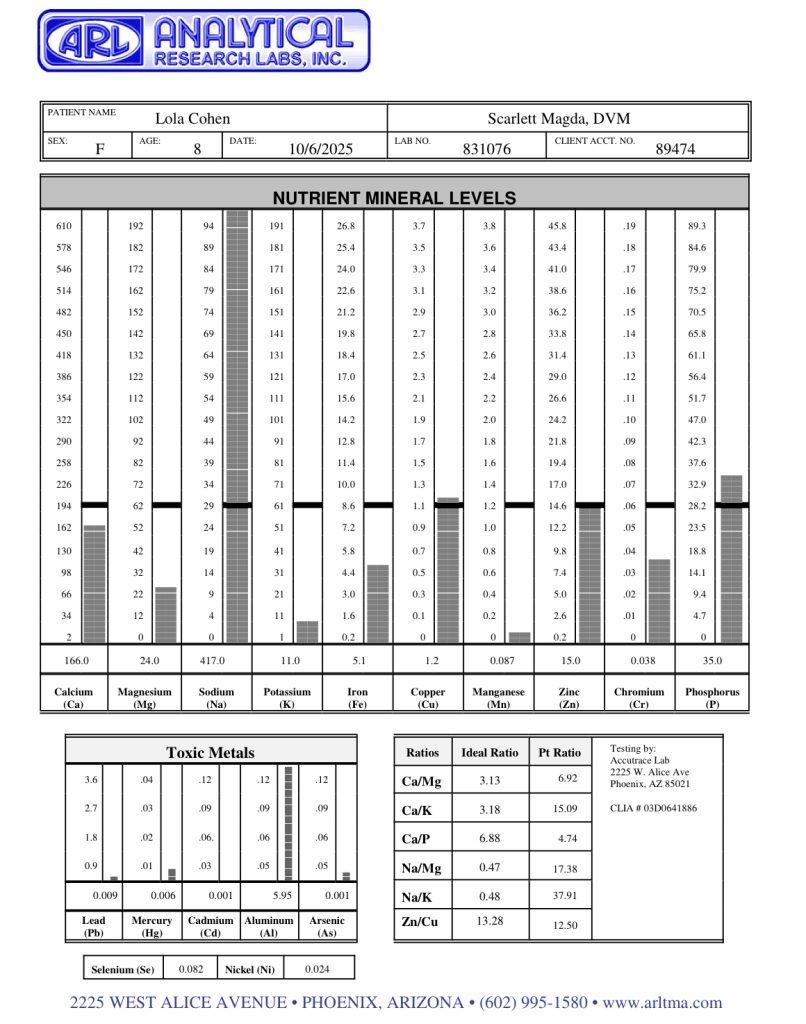
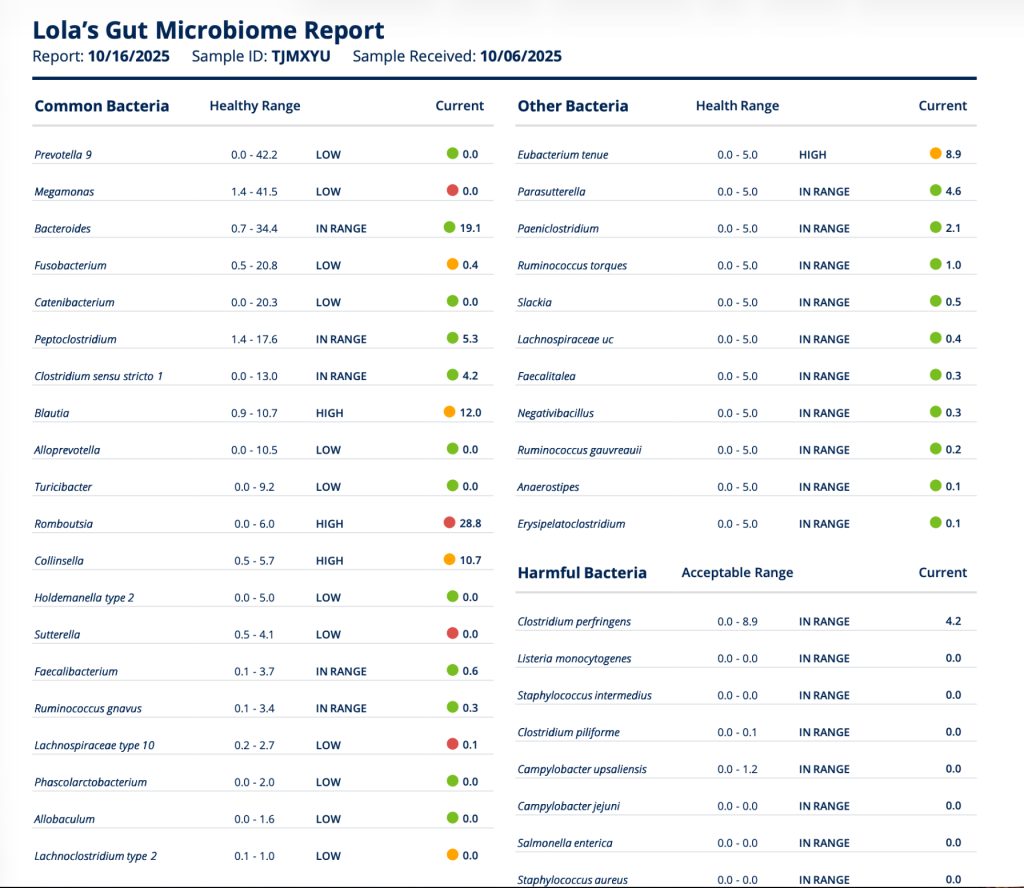
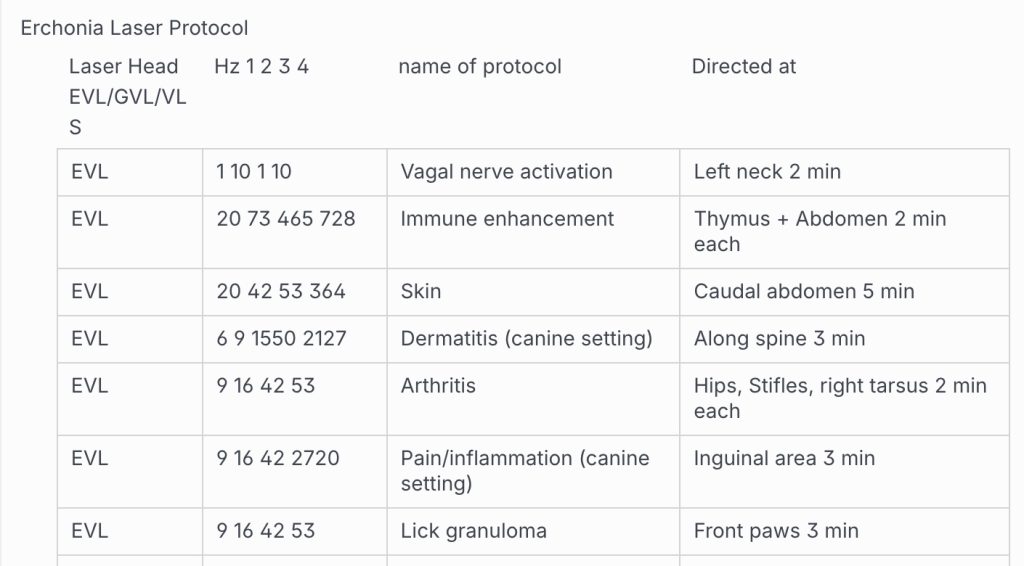
In recent years, advanced diagnostics such as hair tissue mineral analysis (HTMA) and next-generation sequencing of the gut microbiome have allowed clinicians to map individual metabolic dysfunctions rather than guessing at symptom management. Simultaneously, regenerative modalities long utilized in human medicine—including medical ozone therapy, ultraviolet blood irradiation, and targeted photobiomodulation—have entered the veterinary sphere.
Case studies, such as those documented by Dr. Magdalen and Dr. Rubin, illustrate this evolution: patients suffering from years of treatment-resistant pyoderma and pododermatitis achieve complete clinical remission not through heavier pharmaceuticals, but by systematically correcting mineral deficiencies, clearing toxic heavy metals, and restoring gut microbial communities.
Supporting Context & Metrics: Unpacking the Pathophysiological Axes
Chronic skin disease operates across multiple interconnected physiological systems. To successfully treat these conditions, clinicians must evaluate three primary axes: the adrenal-endocrine axis, the gut-skin axis, and the toxic burden axis.
1. The Adrenal-endocrine Axis and Mineral Imbalances
Endocrine and metabolic disorders are among the primary drivers of modern pet allergies. Animals today are inundated with environmental allergens—ranging from dust and pollen to toxic molds and household chemicals. However, a healthy body possesses the regulatory resilience to cope with these exposures. When that resilience fails, the root cause often traces back to adrenal insufficiency.
The adrenal glands require specific raw materials to synthesize hormones, including vitamins A, C, D, and E, alongside manganese, copper, pantothenic acid, and targeted amino acids. Chronic physiological stress exhausts the sympathetic nervous system, eventually dampening pituitary stimulation of the adrenals.
Furthermore, mineral imbalances directly exacerbate allergic reactivity. High histamine levels, which fuel allergic inflammation, are heavily influenced by mineral status. In fast oxidizers, calcium and magnesium deficiencies increase cell membrane permeability, allowing excess histamine to flood surrounding tissues. Zinc deficiency compounds this vulnerability by triggering further histamine release.
Dr. Ava Frick’s landmark 2017 study published in the Journal of the American Holistic Veterinary Medical Association (JAHVMA) highlighted this systemic reality: 94 percent of evaluated dogs presented with high sodium-to-potassium ratios accompanied by low calcium and magnesium levels—a classic biochemical signature of chronic inflammation and adrenal stress.
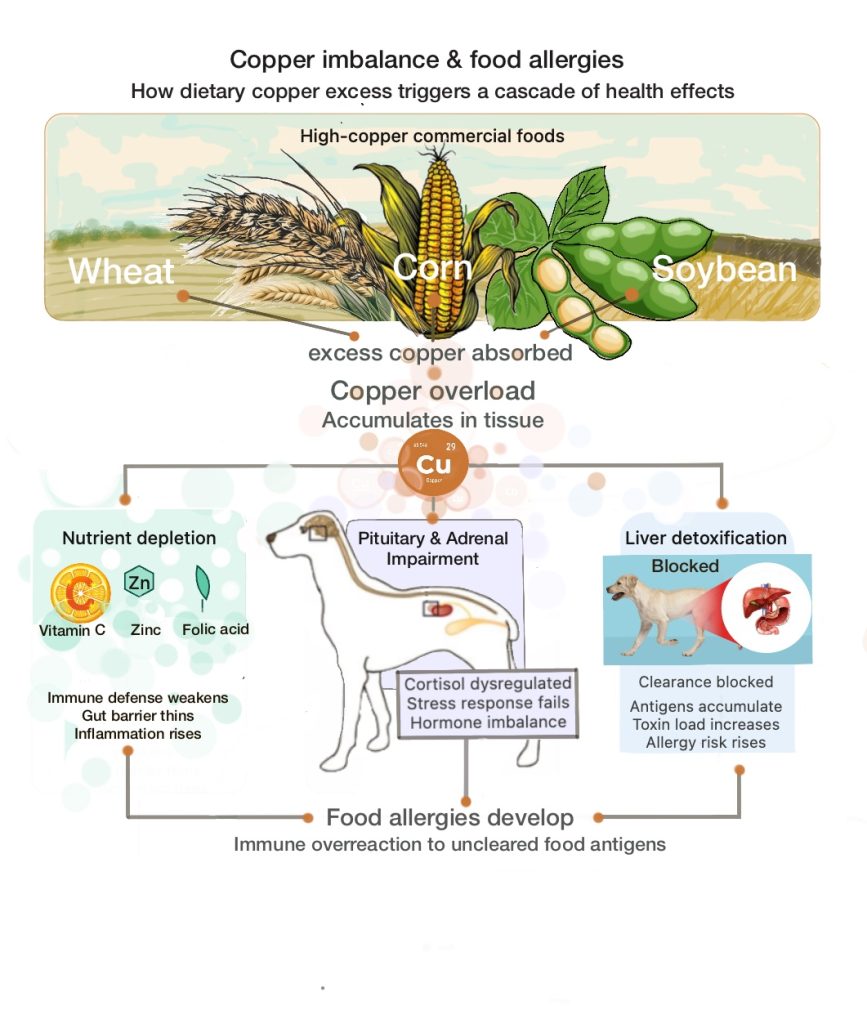
Dietary copper overload also plays a hidden role. Highly processed commercial diets frequently incorporate cheap grain sources like wheat, corn, and soy, which are naturally high in copper. Excess copper depletes vitamin C, folic acid, and zinc, thereby crippling pituitary and adrenal function while overburdening the liver’s detoxification pathways. Crucially, copper imbalances remain invisible on standard blood panels, which measure only tightly regulated circulating blood levels rather than tissue storage. They are reliably identified instead through HTMA.
2. The Gut-Skin Axis and Microbial Dysbiosis
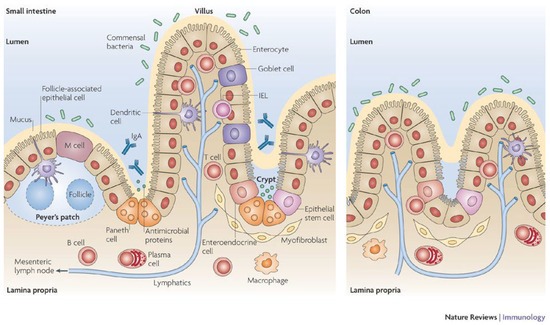
The skin and the gut share a profound embryological and immunological connection. The gut-skin axis operates via endocrine, immune, and nervous system pathways, meaning disruptions in the gastrointestinal tract manifest directly as dermatological disease.
A 2025 study published in Veterinary Dermatology demonstrated that dogs suffering from atopic dermatitis exhibit significantly lower fecal short-chain fatty acid (SCFA) concentrations compared to healthy controls. SCFAs—such as butyrate—serve vital functions: they fuel host energy metabolism, establish an acidic intestinal environment that repels pathogenic bacteria, and reinforce mucosal integrity.
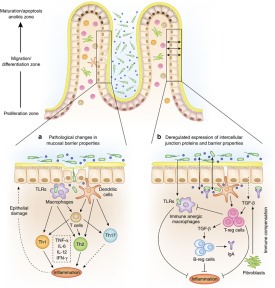
When gut microbial diversity plummets—a state termed dysbiosis—the tight junctions between intestinal epithelial cells weaken. This intestinal permeability allows lipopolysaccharides (LPS) from gram-negative bacteria to leak into the bloodstream, triggering low-grade systemic inflammation that compromises the skin barrier.
Confirming this mechanism, a 2025 peer-reviewed study in BMC Microbiology verified that dogs with canine atopic dermatitis (cAD) possess severely restricted gut microbial diversity and elevated biomarkers of intestinal epithelial damage, proving a causative, rather than purely correlative, link.
3. Toxin Burden and Mineral Availability
Environmental toxins, heavy metals, and poor mineral bioavailability represent an overlooked dimension of dermatology. Minerals act as essential cofactors for countless enzymatic reactions, hormonal pathways, and cellular repairs.
When essential minerals like zinc, magnesium, and selenium are depleted, or when toxic heavy metals like lead, mercury, and aluminum accumulate, normal cellular turnover grinds to a halt. Zinc is particularly critical for the epidermis, given the skin’s continuous requirement for rapid cellular division and desquamation. However, the inorganic zinc sources found in cheap commercial kibble—such as zinc oxide and zinc sulfate—exhibit vastly inferior bioavailability compared to organic alternatives like zinc proteinate.
Official Statements & Expert Perspectives
The shift toward regenerative veterinary dermatology is championed by clinicians who witness the clinical limitations of conventional pharmaceuticals daily.
"Treating chronic skin disease with corticosteroids or antihistamines alone is the exact equivalent of turning off a smoke detector rather than addressing the fire," state Dr. Scarlett Magdalen and Dr. Jyl Rubin in their clinical evaluations. "When we look past the surface and address the biological systems governing endocrine health, mineral status, and gut integrity, we stop chasing symptoms and start achieving true, lasting resolution."
Dr. Magdalen, an AVMA award-winning regenerative veterinarian and founder of The Regenerative Sanctuary, emphasizes the diagnostic power of functional testing: "Blood tests capture a single, highly regulated snapshot in time. Tools like Hair Tissue Mineral Analysis allow us to look at a patient’s metabolic history over months, uncovering deep-seated mineral depletions and heavy metal burdens that routine bloodwork misses entirely."
Dr. Rubin, an integrative veterinary pioneer with over 30 years of clinical experience and founder of RegenO3one Vet, underscores the necessity of moving beyond toxic pharmaceutical dependencies: "By integrating advanced modalities like medical ozone therapy, ultraviolet blood irradiation, and targeted microbiome restoration, we can harness the body’s innate healing capacity. We achieve profound antimicrobial and immunomodulatory effects without exposing our patients to the hepatotoxic and immunosuppressive burdens of long-term conventional drugs."
Future Outlook: A New Standard of Care in Veterinary Medicine
As veterinary medicine continues to evolve, the treatment of chronic dermatological conditions is poised for a major transformation. The reliance on lifelong pharmaceutical suppression is increasingly being recognized as an incomplete, short-term fix that fails to resolve the underlying metabolic fires.
The future of veterinary dermatology lies in comprehensive, multimodal, and individualized medicine. By routinely incorporating advanced diagnostics—such as Hair Tissue Mineral Analysis (HTMA), comprehensive gut microbiome panels, and targeted food reactivity testing—clinicians can map out precise, patient-specific correction protocols.
Furthermore, the integration of regenerative therapies with favorable safety profiles—including species-specific fecal microbiota restoration therapy (MBRT), medical ozone applications, photobiomodulation, and customized clinical nutrition—demonstrates that healing is entirely possible from the inside out.
As education surrounding these integrative modalities expands among veterinary professionals and pet guardians alike, the narrative around chronic skin disease is changing. Pets once condemned to a lifetime of itching, scratching, and immunosuppressive drug dependence can now achieve true systemic balance, vibrant skin health, and long-term vitality.