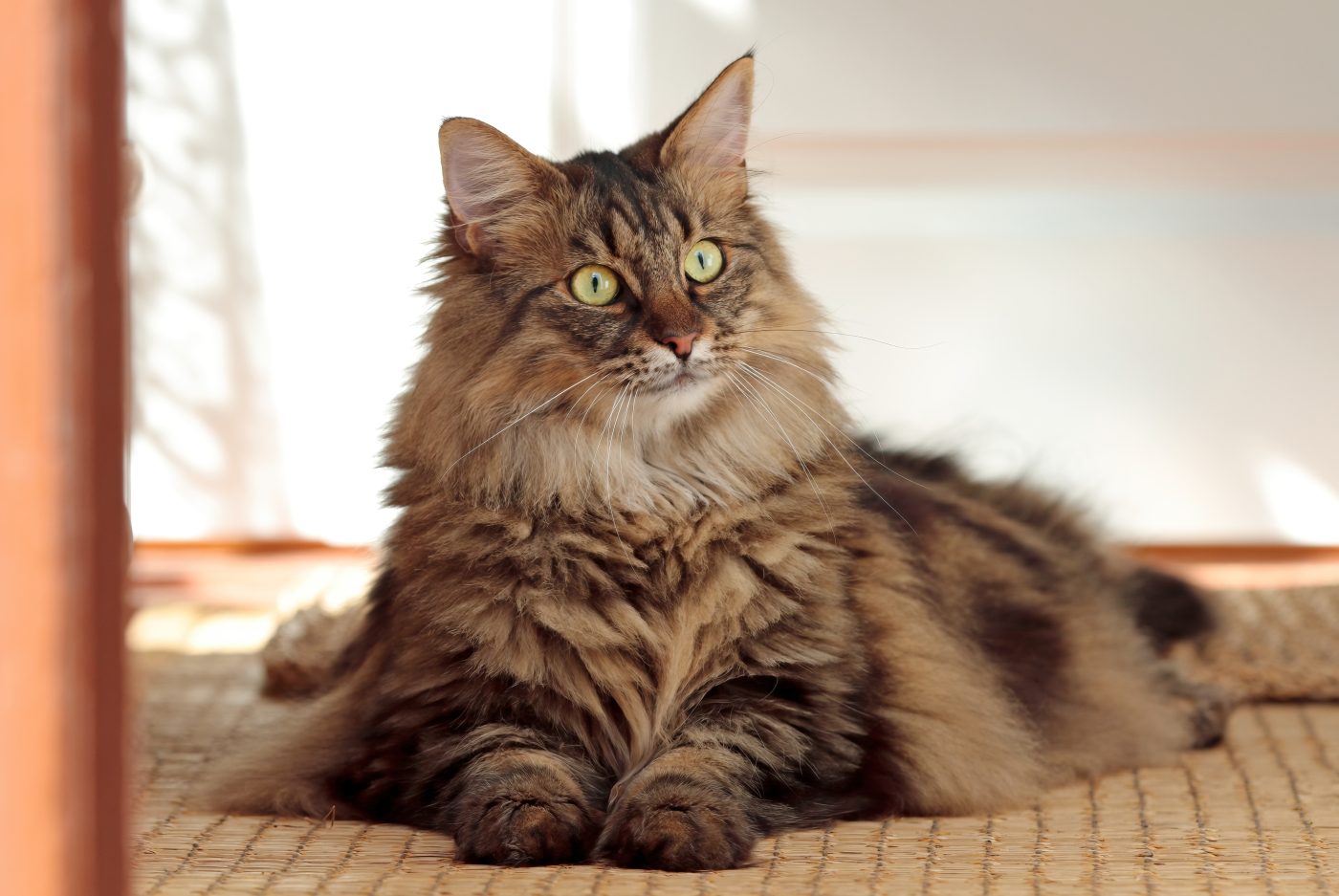
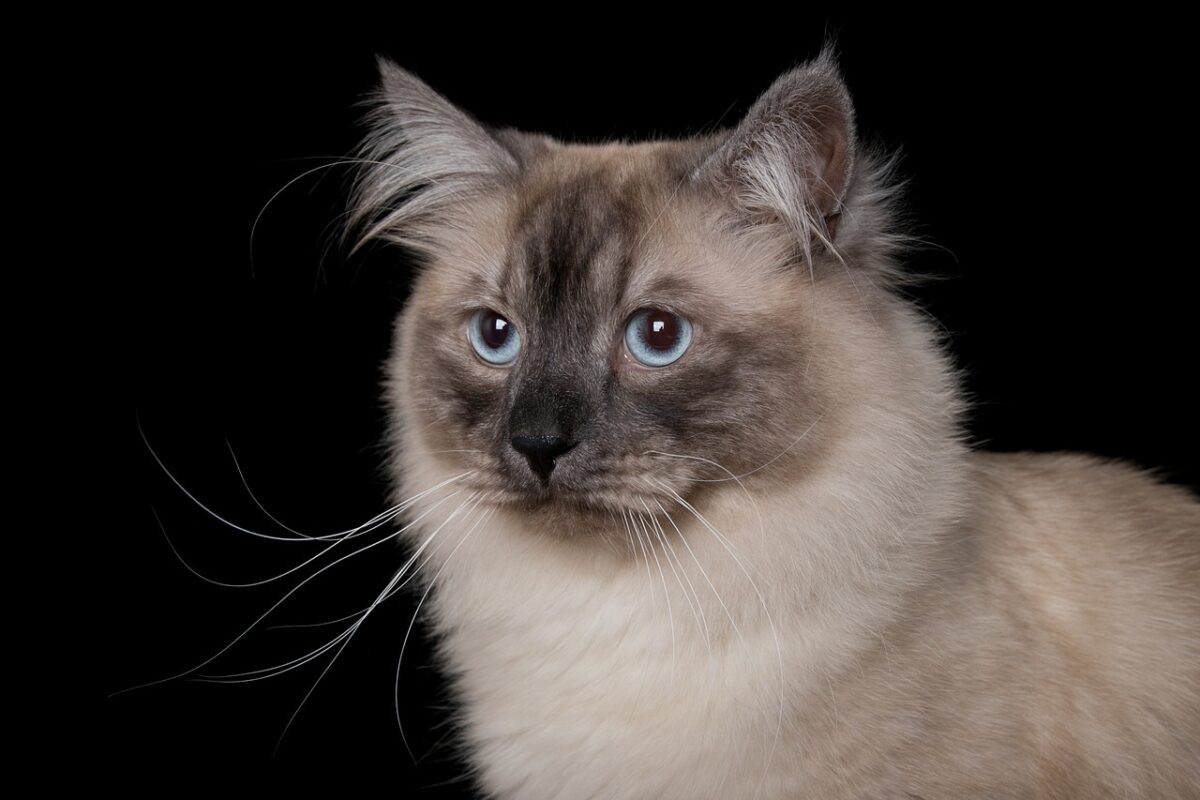
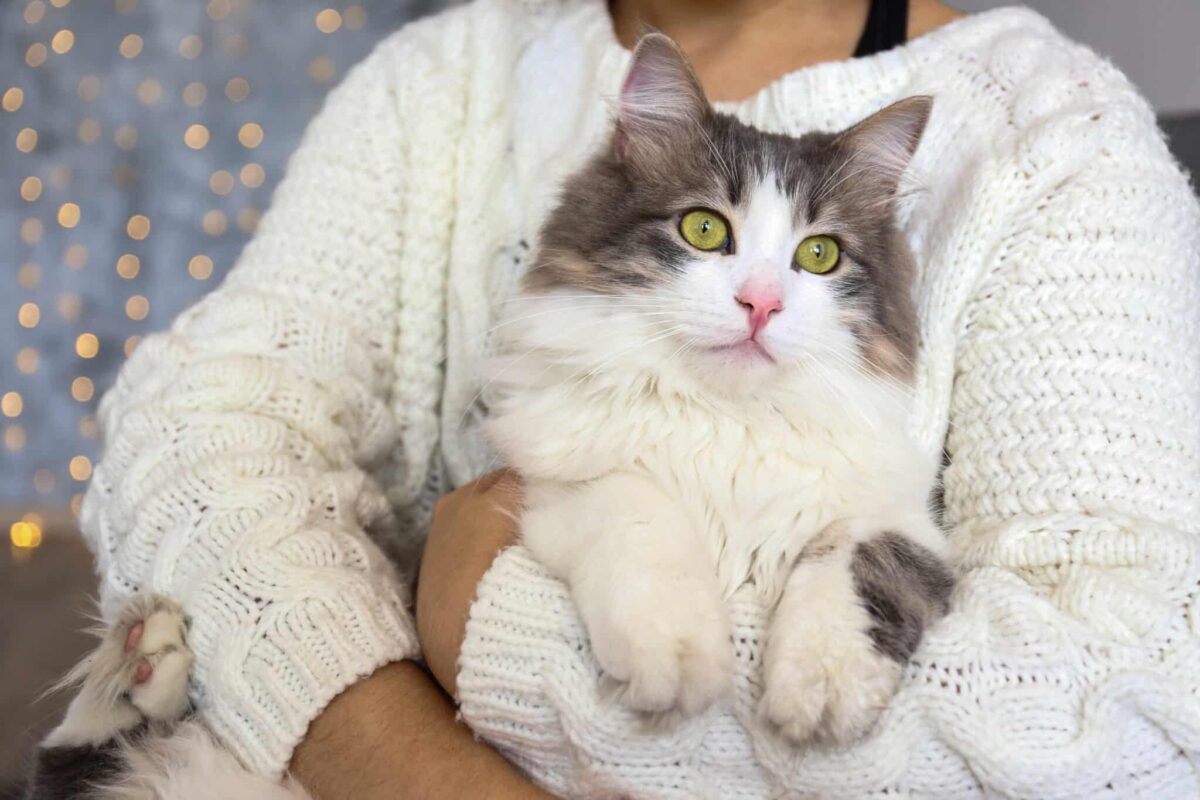
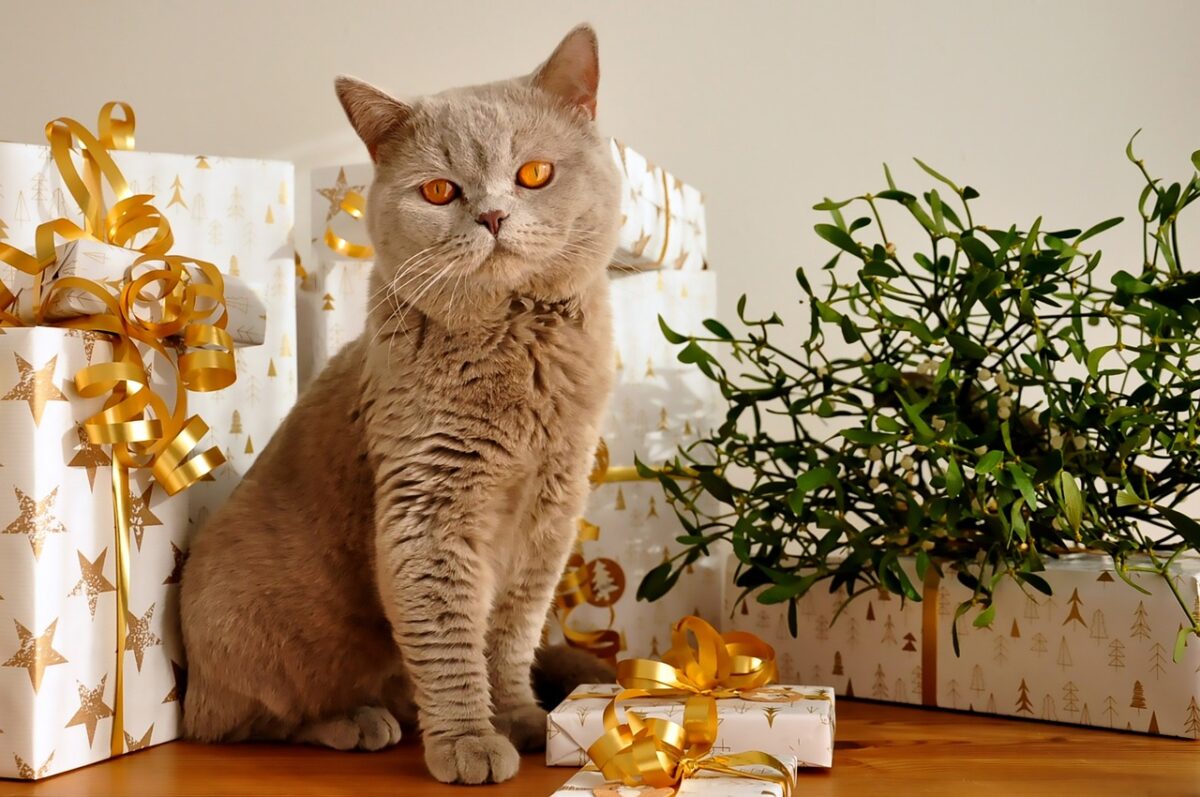
When an animal commands immediate attention through sheer physical presence, human psychology often projects a corresponding intensity onto its behavior. In the realm of domestic felines, large cat breeds—characterized by heavy bone structures, broad paws, dense coats, and imposing statures—frequently battle unfair stereotypes. Observers often mistake broad chests, tufted ears, and muscular frames for aggressive or aloof temperaments.
Yet, a comprehensive examination of the world’s largest domestic cat breeds reveals a paradox: many of these substantial animals are among the most affectionate, sociable, and emotionally attuned companions available. Size, as felinologists and behaviorists frequently emphasize, is a poor predictor of personality.
Across a spectrum ranging from the rustic Maine Coon to the athletic, wild-infused Savannah, substantial felines prove that physical magnitude can coincide with infinite patience, high social intelligence, and profound sweetness. This report investigates the physiological realities, behavioral profiles, and ownership dynamics of the most prominent large domestic cat breeds, moving past the myth of the intimidating beast to reveal the sensitive companions beneath.
Detailed Chronology and Evolutionary Context
The existence of large domestic cats is the product of centuries of natural selection, regional adaptation, and, in more recent decades, targeted human breeding programs. Understanding how these heavy-set breeds developed requires looking at their evolutionary timelines.
The Foundation of Hardiness (Pre-20th Century)
Historically, large domestic cats emerged out of necessity rather than aesthetic preference. Breeds such as the Maine Coon, the Norwegian Forest Cat, and the Siberian evolved in harsh climates where large body mass, thick multi-layered coats, and robust bone structures were essential for survival.
The Maine Coon: Emerging from the rugged northeastern United States, these cats adapted to brutal winters by developing heavy water-repellent coats and large frames, which helped preserve core body heat. Their natural role as farm mousers required an approachable, cooperative disposition with humans and livestock alike.
The Norwegian Forest Cat (Norsk Skogkatt): Anchored in Scandinavian folklore and harsh northern winters, these cats developed dense undercoats and heavy guard hairs. Their survival depended on high intelligence, independence, and formidable climbing agility to navigate Nordic forests.
The Siberian: Hailing from the sub-arctic forests of Russia, this ancient breed developed a barrel-shaped body and a triple coat to withstand extreme sub-zero temperatures. Despite their rugged origins, they historically lived in close proximity to human settlements, fostering a deeply affectionate bond with people.
The Era of Formal Standardization (Mid-20th Century)
As the cat fancy grew in the mid-20th century, natural heavyweights were formally recognized, and new large breeds were engineered.
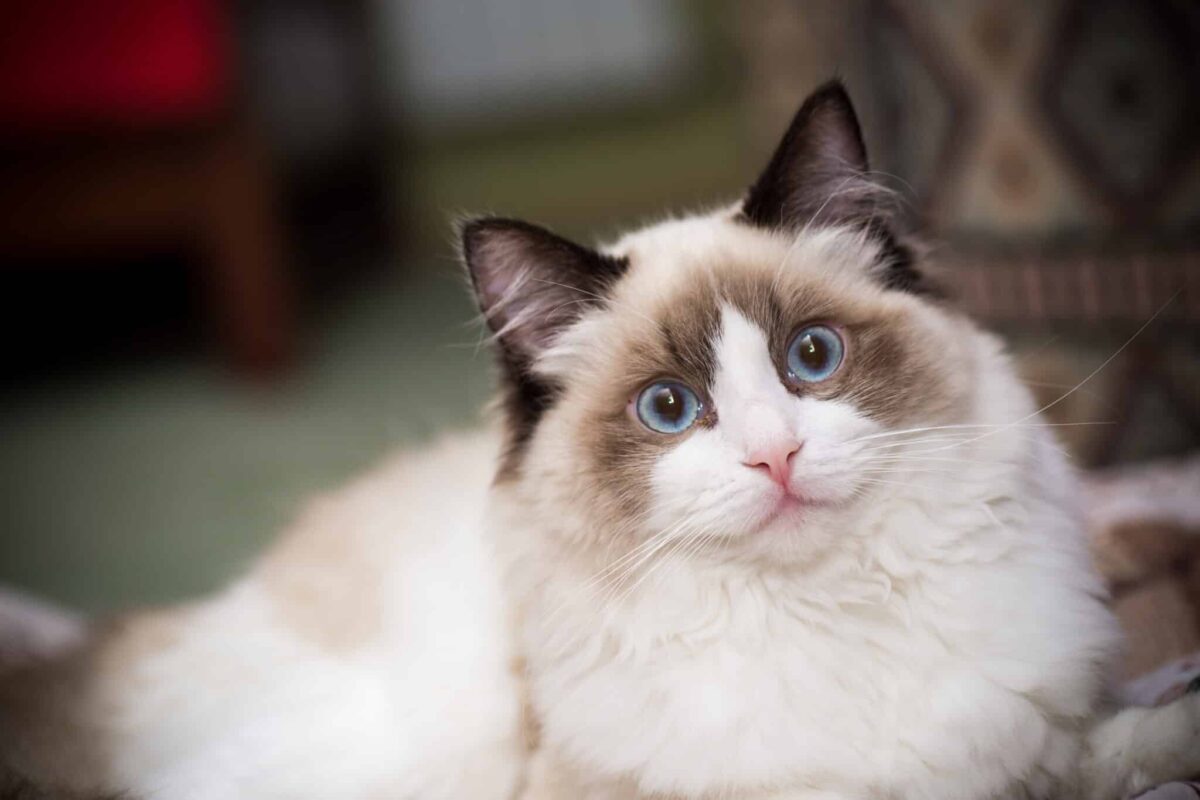
The Ragdoll and Ragamuffin: Developed in California during the 1960s, the Ragdoll was bred for docility and large size. The Ragamuffin emerged from similar foundational stock, emphasizing a plush, rabbit-like coat and an exceptionally sweet, relaxed disposition.
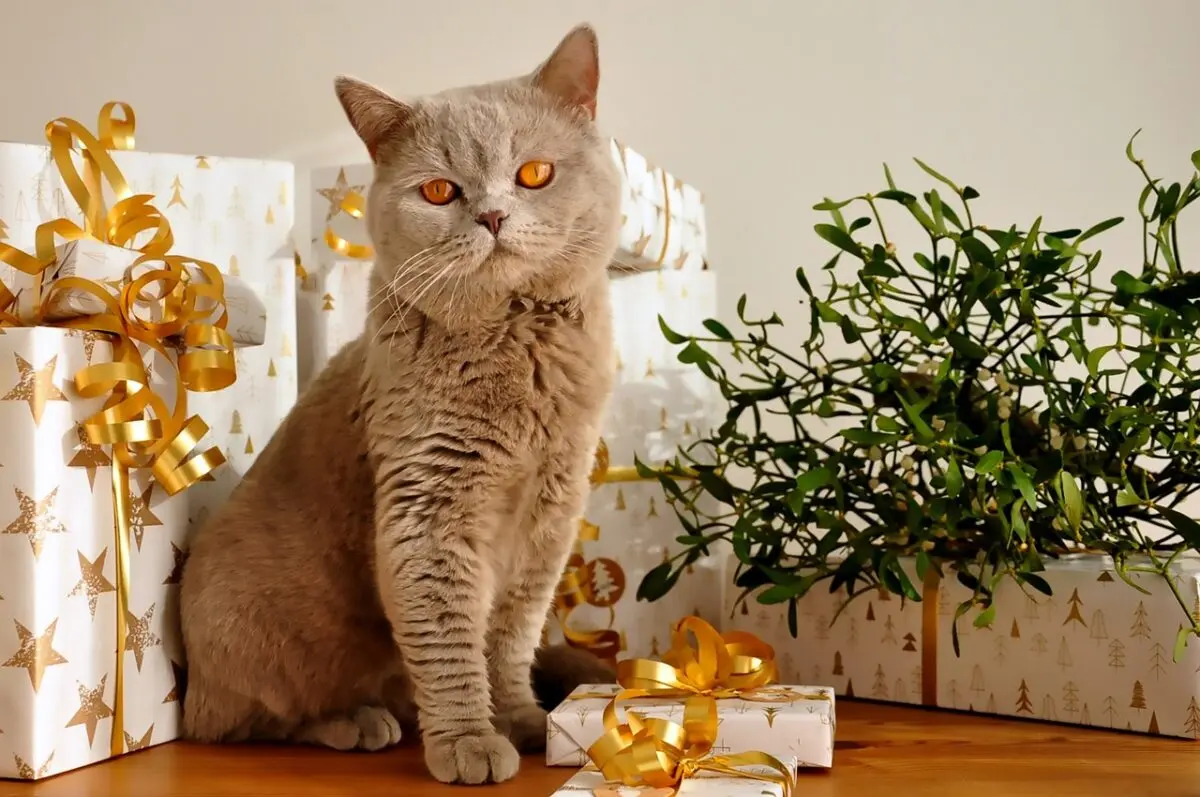
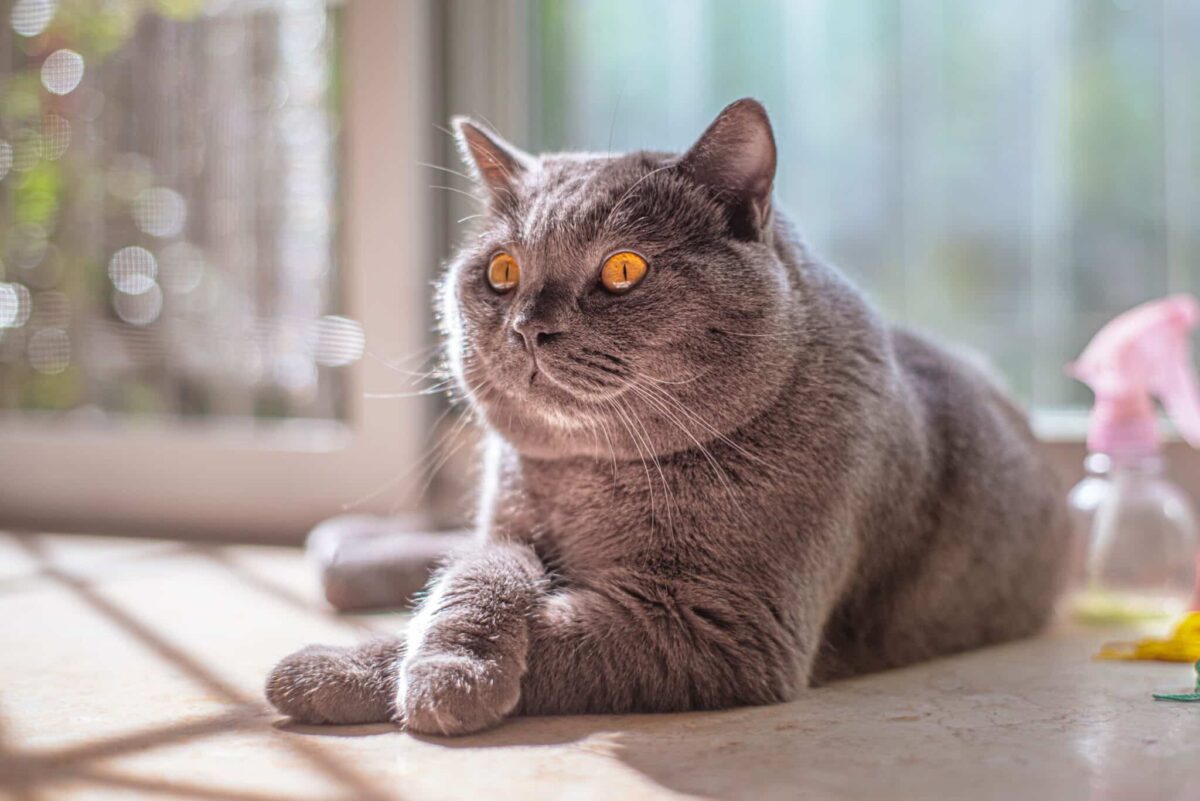
The British Shorthair: Following World War II, breeders worked diligently to revive and stabilize the British Shorthair, emphasizing its robust, compact frame, dense blue-gray coats (popularized by the Chartreux and British Blue), and unflappable emotional stability.
The Rise of the Hybrid Giant (Late 20th Century to Present)
The pursuit of large, striking cats took a dramatic turn in the late 20th century with the intentional hybridization of domestic cats (Felis catus) and small wild felids (Prionailurus or Felis margarita lineages).
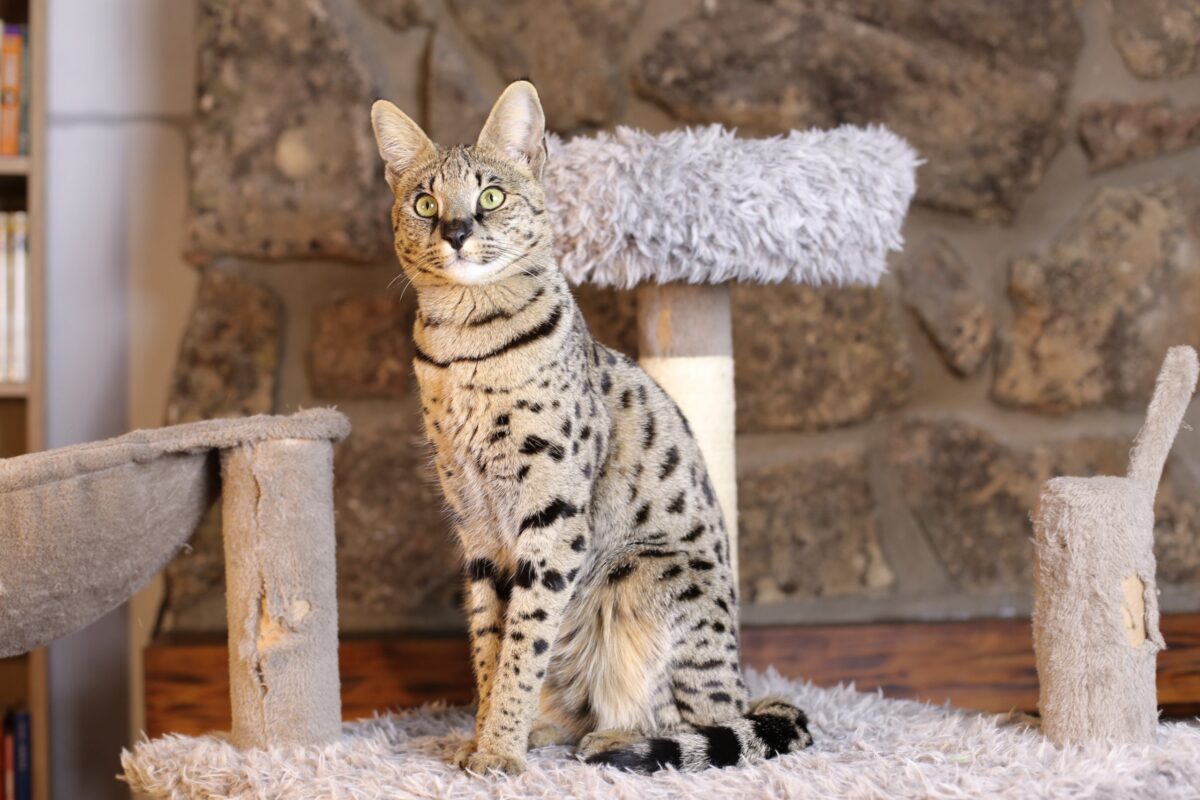
The Bengal, Savannah, and Chausie: Developed by crossing domestic breeds with the Asian Leopard Cat, the Serval, and the Jungle Cat respectively, these modern giants introduce wild athleticism, soaring vertical reach, and high-energy intelligence into the domestic sphere. While controversial due to their wild lineage, careful multi-generational breeding has yielded stable domestic companions—provided their owners meet their exhaustive environmental requirements.
Supporting Context and Metrics: The Anatomy of Large Breeds
To fully appreciate these animals, one must examine the physical and behavioral metrics that set them apart from standard domestic cats (which typically average 8 to 10 pounds). Large breeds frequently double, and in some cases triple, these parameters.
Breed
Average Weight Range
Distinctive Physical Traits
Primary Behavioral Profile
Maine Coon
10 – 25+ lbs
Shaggy coat, tufted ears, broad chest
Gentle giant, adaptive, communicative chirps
Ragdoll
10 – 20+ lbs
Blue eyes, semi-long coat, heavy boning
Relaxed, companionable, follows humans
Norwegian Forest Cat
12 – 22 lbs
Rugged waterproof coat, triangular head
Independent yet friendly, exceptional climber
Siberian
10 – 20 lbs
Barrel-shaped body, dense triple coat
Athletic, affectionate, highly intelligent
Ragamuffin
10 – 20+ lbs
Plush coat, heavy rectangular body
People-oriented, placid, enduringly playful
British Shorthair
9 – 18 lbs
Dense coat, round face, muscular stockiness
Calm, dignified, low-demand affection
Turkish Van
10 – 18 lbs
Water-resistant coat, colored head/tail spots
Energetic, water-loving, highly active
Chartreux
7 – 16 lbs
Plush blue-gray coat, primitive smile
Quietly affectionate, observant, skilled hunter
American Bobtail
7 – 16 lbs
Naturally shortened tail, rugged build
Interactive, dog-like, highly adaptable
Selkirk Rex
10 – 16 lbs
Naturally curly coat, heavy-boned frame
Patient, amiable, balances play and rest
Bengal
8 – 15 lbs
Spotted/marbled coat, muscular power
High energy, intensely interactive, athletic
Savannah
12 – 25 lbs
Extraordinary height, large ears, long legs
Highly intelligent, demanding of enrichment
Chausie
15 – 25 lbs
Tall, lean, athletic hybrid silhouette
Extremely active, deeply bonded to family
Nutritional and Environmental Demographics
Because of their increased biomass, large cat breeds have unique physiological demands:
Joint Health: Breeds like the Maine Coon and Savannah are prone to hip dysplasia and patellar luxation. High-protein diets enriched with glucosamine and chondroitin are standard veterinary recommendations.
Growth Rates: Many large breeds (notably Maine Coons and Siberians) experience delayed skeletal maturation, continuing to grow and fill out until they are three to four years of age.
Vertical Space: Standard cat furniture often fails to support heavy-set or high-leaping cats. Heavy-duty, wall-anchored climbing trees and expansive vertical territory are mandatory requirements for breeds such as the Norwegian Forest Cat and the Chausie.
Official Insights and Expert Evaluations
Veterinary practitioners, behaviorists, and breed historians consistently emphasize that managing a large cat requires an understanding of species-specific psychology that transcends simple physical care.
The Behavioral Perspective
Animal behaviorists note that large cats frequently possess a higher baseline confidence than smaller, more fragile breeds. Because they feel physically secure in their environment, they are less prone to nervous reactivity or defensive aggression.
"When a cat possesses a heavy bone structure and substantial muscle mass, it does not feel the constant, low-level vulnerability that haunts smaller or more delicate felines," explains Dr. Aris Thorne, a feline behavioral specialist. "This physical confidence translates directly into emotional stability. They are slower to startle, more tolerant of environmental changes, and vastly more patient during routine handling, veterinary exams, or interactions with children."
The Myth of the "Lap Cat" vs. Active Companionship
Experts also caution owners against expecting every large cat to behave like a weighted blanket. While breeds like the Ragdoll and British Shorthair fit the traditional archetype of docile, lap-seeking companions, high-octane hybrids and forest cats redefine affection.
The Working-Class Affection: Breeds with strong hunting or hybrid backgrounds—such as the Bengal, Savannah, and Chausie—express love through participation. They do not necessarily want to sit passively on a lap; instead, they want to supervise cooking, inspect grocery bags, play fetch, and accompany their humans from room to room. Their sweetness is kinetic, defined by shared activity rather than stillness.
The Quiet Communicators: Many large breeds—particularly the Maine Coon and Chartreux—rely on subtle vocalizations. Rather than demanding, high-pitched meows, they utilize soft trills, chirps, or quiet purrs that resonate deeply within a room without overwhelming it.
Future Outlook: Responsible Ownership and the Evolution of Large Breeds
As the popularity of large domestic cat breeds continues to surge in urban and suburban households, the landscape of ownership is shifting toward greater accountability, specialized care, and ethical breeding practices.
1. The Demand for Ethical Breeding
With exotic hybrids like the Savannah and Chausie growing in demand, prospective owners face a landscape complicated by unregulated breeding. Future trends point toward stricter legislative oversight regarding hybrid ownership (such as generational restrictions like F1 through F4 designations) and a greater emphasis on health testing. Responsible breeders now routinely screen for hypertrophic cardiomyopathy (HCM), polycystic kidney disease (PKD), and hip dysplasia to ensure that physical size does not compromise longevity.
2. Tailored Nutritional and Veterinary Care
The pet care industry is rapidly adapting to the unique physiological footprint of oversized felines. Specialized diets formulated for large-breed joint support, controlled growth rates in kittens, and interactive enrichment toys designed to challenge high-intelligence breeds are becoming mainstream market staples. Veterinary medicine is likewise shifting toward proactive physical therapy and early-screening protocols for weight-bearing joints.
3. Redefining the Human-Feline Bond
Ultimately, the future of living with large cats lies in a deeper cultural appreciation for their diverse personalities. As public awareness grows, the outdated stigma surrounding large or wild-looking cats is fading. Owners are learning to appreciate that whether a cat expresses affection through the quiet, dignified presence of a British Shorthair, the gentle ragdoll limp of a well-socialized plush giant, or the high-flying acrobatic companionship of a Bengal, the underlying truth remains identical.
The bigger the cat, the greater the capacity for an unforgettable, deeply rewarding companionship—proving once and for all that formidable majesty and profound sweetness are never mutually exclusive.