
Executive Overview
Summer and autumn bring vibrant life to the rolling fields and working agricultural exhibits of Aullwood Audubon in Dayton, Ohio, but they also signal the arrival of an unwelcome seasonal guest: aggressive stinging insects. While human visitors frequently swat away bothersome yellowjackets and hornets during outdoor excursions, the toll these pests take on local wildlife and farm livestock is less frequently discussed. In recent months, staff members at Aullwood Audubon faced a pressing animal welfare challenge when an influx of aggressive wasps colonized the primary livestock shelters, profoundly disrupting the daily routines and peace of mind of the farm’s most beloved residents.
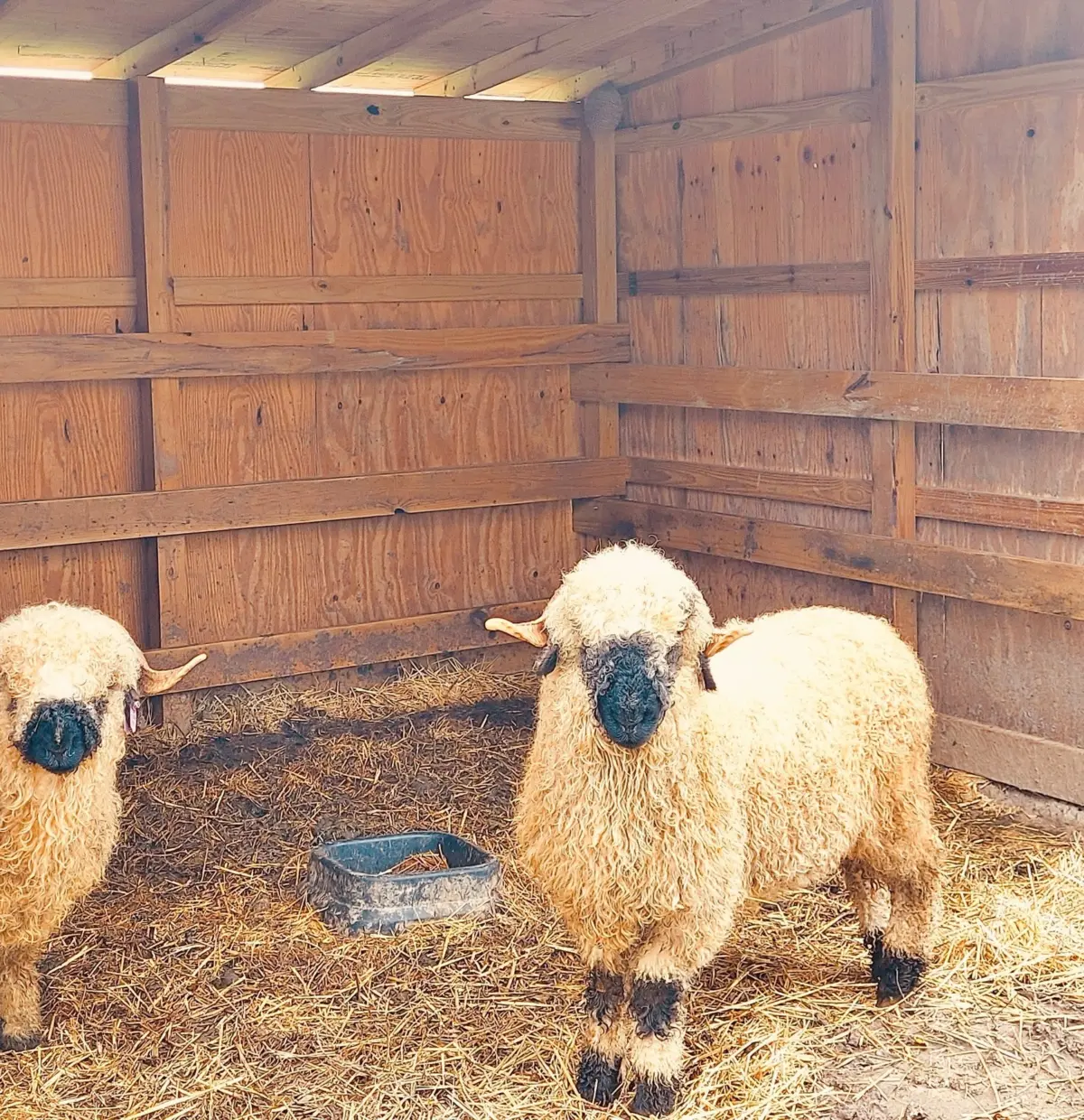
At the center of this crisis were Butch and Sundance, a bonded pair of resident gelding horses whose steadfast companionship is a favorite sight for regular visitors. When a massive wasp nest took root inside and immediately surrounding their primary shelter, the horses abruptly stopped using the structure altogether, preferring to stand exposed to the elements rather than risk painful stings. The pervasive presence of wasps also disrupted sheep, cattle, and other pasture-dwelling animals, creating chronic stress across the farm.
Faced with a localized ecological problem requiring a safe, non-toxic solution, conservation staff initiated an innovative field test utilizing visual territorial deterrents. Comparing traditional papier-mâché wasp decoys with handmade crocheted alternatives, the team stumbled upon a surprising discovery: territorial wasps were far more effectively deterred by textured, crocheted fabric nests. Furthermore, the farm animals—particularly the resident cattle—found the yarn creations to be delightfully engaging enrichment toys.
However, a logistical bottleneck quickly materialized. Overwhelmed by land management duties, environmental education programming, and daily animal husbandry, Aullwood’s professional staff lacked the bandwidth to produce the sheer volume of crocheted deterrents needed across the expansive property.
The resulting community-driven intervention transformed a localized pest-control hurdle into a remarkable triumph of grassroots civic engagement. By mobilizing local fiber artists, leveraging the talents of regional non-profit networks, and distributing specialized supply kits, Aullwood launched the "Conservation Crafters" initiative. The overwhelming community response—featuring more than 50 eager volunteers stepping forward to tackle a project that initially required only a fraction of that number—underscores a powerful modern conservation truth: environmental stewardship does not always require wading through wetlands or banding raptors. Sometimes, saving the day begins with picking up a crochet hook in the comfort of one’s living room.
Detailed Chronology of the Crisis and Innovation
The Discovery at the Equine Shelter
The crisis began on a quiet morning during the height of the warm-weather season. Aullwood staff members conducting routine morning patrols noticed something amiss in the pasture shared by Butch and Sundance. The two bonded geldings, known for their close companionship and synchronized grazing patterns, were huddled out in the open pasture, shivering in the morning dew while entirely ignoring their spacious, well-bedded three-sided run-in shelter.
Upon closer inspection by the farm’s animal care team, the mystery was quickly solved. A large, active wasp nest had been established directly beneath the structural overhang of the roofline, creating a high-traffic flight path right into the horses’ haven. Stinging insects were swarming the interior, rendering the sanctuary unusable.
Further observation revealed that the problem was not isolated to the horse pasture. Wasps were actively harassing sheep as they grazed near the brush lines and buzzing persistently around the cattle enclosures. Stings can cause localized swelling, allergic reactions, and acute behavioral stress in livestock, potentially leading to frantic flight responses, injuries, or diminished feeding behavior. For a sanctuary dedicated to the health, safety, and comfort of its animal ambassadors, immediate intervention was imperative.
The Wasp Decoy Experiment: Paper vs. Yarn
Territorial by nature, many species of stinging paper wasps are known to avoid establishing new colonies within sight of an existing, established nest. Aullwood’s conservation staff hypothesized that artificial decoy nests could trick local insect populations into believing the territory was already claimed, effectively driving them away without the use of chemical pesticides that could harm beneficial pollinators or the surrounding farm ecosystem.
To test this theory, the team devised a comparative trial. They constructed two distinct types of decoy nests:
- Papier-Mâché Decoys: Molded from wet paper pulp, shaped into traditional teardrop paper-wasp nest silhouettes, and painted in muted gray and brown tones.
- Crocheted Decoys: Hand-crafted yarn structures designed to mimic the textured, compartmentalized exterior of a natural hornet or wasp nest, utilizing specialized stitching patterns to create ridges and hollow chambers.
Both styles of decoys were strategically mounted inside and around the livestock shelters, and staff began a rigorous behavioral monitoring protocol. Over several weeks, entomological observations yielded clear, undeniable results.
The papier-mâché decoys suffered from structural degradation due to humidity, rain, and wind, and local wasps largely ignored their presence, continuing to build nests nearby. The crocheted decoys, however, proved remarkably effective. The textured yarn surface appeared to successfully mimic the visual cues of a formidable, active colony, causing scout wasps to steer clear of the protected zones.
An unexpected and charming secondary benefit emerged during the trial: the farm animals took an immense liking to the yarn structures. The cattle, in particular, discovered that the durable crocheted forms made excellent tactile scratching posts and interactive playthings. Rather than viewing the decoys with suspicion, the livestock actively engaged with them, providing an unintended form of behavioral enrichment that reduced boredom and promoted physical well-being.
The Labor Deficit and the Pivot to Community Action
With the efficacy of the crocheted nests scientifically validated and enthusiastically approved by the farm animals, the conservation team faced a stark operational challenge. Aullwood Audubon operates a sprawling campus that encompasses hundreds of acres of native forests, prairies, working agricultural fields, educational visitor centers, and a diverse menagerie of rescue and farm animals.
The professional staff—already stretched thin managing habitat restoration projects, leading school field trips, monitoring local bird populations, and caring for resident livestock—simply lacked the cumulative hours required to crochet dozens of detailed decoy nests by hand.
Rather than abandoning the successful initiative, leadership decided to test the waters of public engagement. They asked a fundamental question: Could the surrounding Dayton community bridge the labor gap?
Supporting Context & Metrics: Mobilizing the Dayton Community
Crafting for Conservation: The Kit Distribution Model
To operationalize public participation, Aullwood’s volunteer coordination team engineered a streamlined, user-friendly contribution framework. They developed standardized "Conservation Crafter Kits" designed to remove any barriers to entry for prospective volunteers.
Each kit included:
- Precise specifications and patterns for the specialized crocheted wasp nest.
- The exact shade and weight of weather-resistant yarn required to replicate natural nest coloring.
- An invitation to utilize raw, unprocessed farm wool sourced directly from Aullwood’s own flock of resident sheep to stuff the interior of the crocheted shells, adding weight, rigidity, and authentic farm integration to each piece.
The Phenomenal Public Response
Aullwood launched a targeted appeal across its digital channels and social media networks, inviting local crafters to donate their time, supplies, and technical skills to support the farm animals. The response far exceeded all internal projections.
Within days, more than 50 dedicated community members stepped forward, offering their time and crochet hooks to the cause. This overwhelming wave of enthusiasm created a unique logistical scenario: the farm only required a limited number of completed nests to secure its livestock shelters, yet five times as many skilled volunteers were eager to contribute. Consequently, Aullwood had to carefully select its initial cohort while simultaneously planning future projects to harness this newfound reservoir of localized craft-activism.
The Knitted Knockers Partnership
Among the diverse groups of volunteers who answered the call was a contingent of local crafters associated with Knitted Knockers. This nationally recognized non-profit organization connects volunteer knitters and crocheters with breast cancer survivors, providing them with soft, comfortable, handmade breast prosthetics free of charge.
Known for their meticulous craftsmanship, deep compassion, and commitment to community support, the members of this local chapter easily pivoted their advanced fiber arts skills toward an entirely different kind of healing: protecting Aullwood’s beloved livestock from the irritation of stinging pests. Their participation underscored the overlapping circles of community care, proving that artisans who craft items for human health and comfort possess the exact dexterity and dedication required for grassroots conservation initiatives.
Official Statements and Perspectives
The success of the Conservation Crafters project highlights a growing philosophy within modern environmental organizations: conservation is most effective when it is decentralized, participatory, and culturally integrated into the daily lives of the surrounding populace.
Reflecting on the unexpected triumph of the initiative, Julia Smith, Aullwood Audubon Volunteer Coordinator, emphasized the profound shift in how conservation groups can engage the public:
"This is the kind of project that excited me because people can do it in their homes to support our mission. We are meeting people where they are. This shows that you don’t have to be the stereotypical outdoorsy person to support a group like Audubon."
Smith’s perspective shatters the traditional mold of environmental volunteering, which historically prioritized grueling physical labor—such as invasive species removal, trail maintenance, or remote ecological surveys—that can alienate individuals with physical limitations, busy household schedules, or indoor preferences. By reframing a ball of yarn and a crochet hook into a critical conservation tool, Aullwood successfully expanded its tent to include indoor hobbyists, seniors, homebodies, and traditional crafters.
Echoing these sentiments, Kary Tollefson, Senior Conservation Associate at Aullwood, focused on the direct, tangible impacts the project had on the farm’s animal ambassadors:
"Our animal ambassadors on the farm are loved by everyone, and it is great that the public is able to provide them comfort. Now our animals have a safe place to use their shelters on days when the weather is too hot or too cold. Our volunteers demonstrated how much they care by making these nests by hand, and we can’t thank them enough!"
Tollefson’s remarks underscore the emotional bond between the community and Aullwood’s resident animals. For visitors who watch Butch, Sundance, and the farm’s sheep and cattle throughout the changing seasons, knowing that local artisans directly contributed to the animals’ daily peace of mind fosters a deeper, more reciprocal relationship between the sanctuary and the public it serves.
Future Outlook: Expanding the Conservation Crafters Network
The sheer volume of eager volunteers who stepped forward during the initial call to action—coupled with the undeniable efficacy of the crocheted deterrents—has permanently altered how Aullwood Audubon conceptualizes volunteer engagement.
Developing New Fiber Arts Initiatives
With only a fraction of the 50 interested volunteers selected for the pilot phase, Aullwood staff are actively brainstorming future projects for the newly minted "Conservation Crafters" network. Potential upcoming initiatives under discussion include:
- Avian Nesting Pouch Production: Creating specialized hanging roosts and rehabilitation support pouches for local wildlife rescue operations.
- Winter Enrichment Devices: Crocheting durable, foraging-friendly puzzle toys filled with aromatic herbs and grains for captive-born or rescued farm animals during the lean winter months.
- Upcycled Textile Projects: Expanding the use of farm-shorn wool and donated synthetic yarns to create insulated covers and weather-proofing materials for outdoor educational exhibits.
Redefining Environmental Stewardship
Ultimately, the wasp-deterrent project serves as an inspiring case study in creative problem-solving and community mobilization. It challenges the conventional boundaries of environmentalism, proving that meaningful ecological stewardship does not always demand wading waist-deep into wetlands or scaling rugged mountain trails. Sometimes, protecting a farm’s ecosystem is as simple as picking up a crochet hook, listening to the needs of the land, and allowing a community of dedicated makers to weave a solution together.
How to Get Involved with Aullwood Audubon
Aullwood Audubon continues to expand its programming, visitor events, and community-driven conservation projects throughout the year. Individuals interested in participating in future crafting initiatives, volunteering on the farm, or supporting regional preservation efforts can engage through several channels:
- Stay Informed: Sign up for the official Aullwood Monthly Newsletter to receive real-time updates regarding upcoming volunteer opportunities, seasonal farm events, educational workshops, and news about the whimsical wooden Trolls permanently installed across the property.
- Direct Volunteer Inquiries: Those ready to volunteer immediately are encouraged to reach out directly to Julia Smith, Volunteer Coordinator, via email at [email protected] to discuss current openings, skill-matching opportunities, and future crafting projects.
- Digital Engagement: Follow Aullwood Audubon across major social media platforms to view daily photo updates of Butch, Sundance, and the rest of the farm’s animal ambassadors enjoying their newly pest-free shelters.