Published September 3, 2026 By the Alley Cat Allies Investigative Reporting Desk
Executive Overview
The landscape of animal welfare in the United States is frequently characterized by immense challenges—overcrowded shelters, underfunded rural clinics, and instances of catastrophic neglect that require immediate, large-scale intervention. Yet, amidst these systemic pressures, stories of resilience continue to emerge, proving that targeted veterinary intervention and compassionate community networks can alter the trajectory of vulnerable lives.
This report examines recent milestones achieved by Alley Cat Allies and its network of veterinary partners and grassroots supporters. From the emergency extraction and medical stabilization of over 90 cats from a single, severely overcrowded residence in Alabama to the heartwarming recovery stories of individual feline survivors like Neo, Cricket, and a young kitten family named Cotton, Almond, Churro, and Creamsicle, this feature explores the intricate machinery of modern animal rescue. Furthermore, we spotlight the successful adoptions of community favorites Hemingway and Hazel, illustrating the full life-cycle of rescue work: from trauma and intensive medical rehabilitation to permanent, loving placement.
Through these micro-narratives, a broader macro-trend becomes visible: the persistent need for accessible veterinary care, proactive community resource tools, and the unwavering dedication of a global movement comprising over 1.8 million supporters.
Detailed Chronology: From Crisis to Recovery
The Alabama Mass Rescue: Uncovering the Scale of Neglect
The journey of feline rehabilitation often begins in the darkest of circumstances. Earlier this year, animal welfare advocates faced a staggering emergency when more than 90 cats and kittens were discovered living in cramped, unsanitary, and deeply distressing conditions within a single small home. Mass hoarding and overcrowded housing situations present severe health hazards to animals, frequently resulting in rampant upper respiratory infections, severe dehydration, parasitic infestations, and chronic malnutrition.
Recognizing the immense logistical and medical hurdles required to triage nearly a hundred animals simultaneously, Alley Cat Allies stepped in to provide critical support. Collaborating closely with local frontline rescuers, the organization injected vital resources, financial backing, and specialized veterinary care into the operation. While many of the cats required standard quarantine, nutritional rehabilitation, and spay/neuter services, several individuals presented complex, long-term medical challenges that required extraordinary intervention.
Cricket and Neo: A Symbiotic Healing Journey
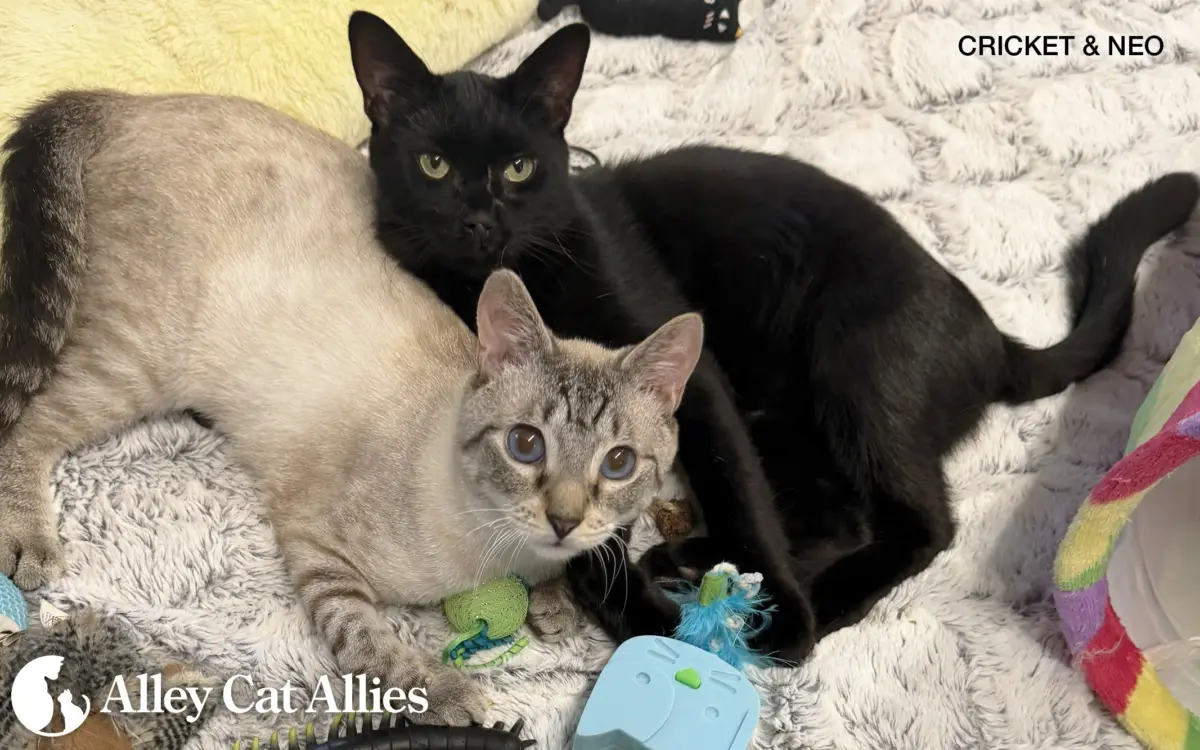
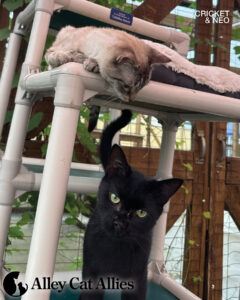
Among the survivors of the Alabama rescue was a cat named Cricket. In addition to the collective trauma of his environment, Cricket faced two distinct medical obstacles: a congenital or developmental condition known as carpal laxity, which prevented him from standing straight on his front legs, and a chronic stomach issue that left him in a perpetual state of dehydration risk. Cricket required meticulous, daily veterinary oversight and specialized physical support.
Concurrently, in an entirely different city, a cat named Neo was experiencing his own brush with mortality. Neo was rushed to a veterinary clinic bearing a massive, severe wound to his face—an injury that threatened his life and left him on the absolute brink of survival. Through emergency veterinary protocols and intensive medical management supported by Alley Cat Allies, Neo’s life was saved. Although the physical wound ultimately healed into a small scar, Neo carried profound psychological and emotional trauma that required a different kind of medicine.
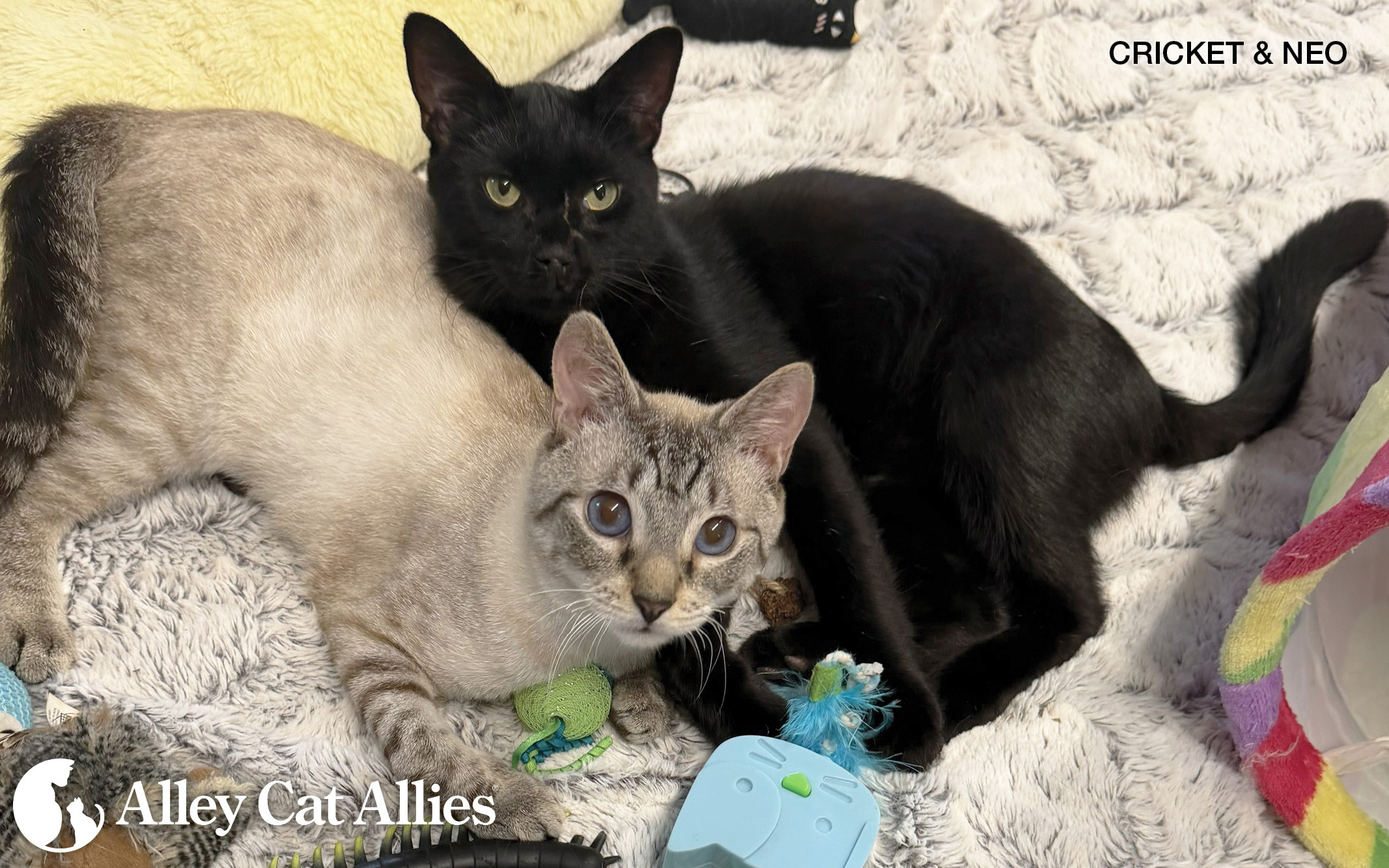
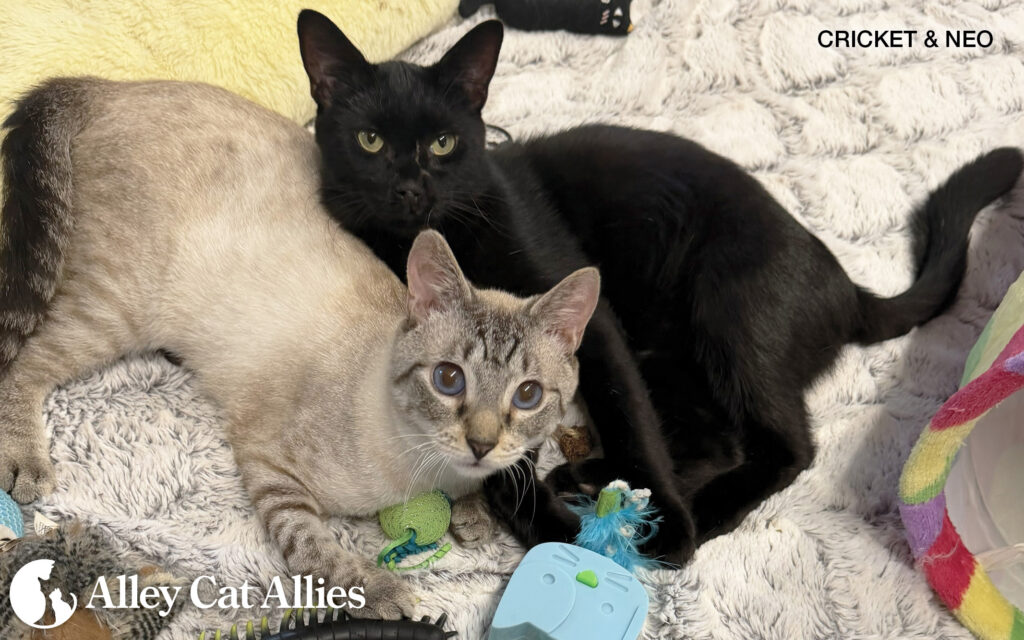
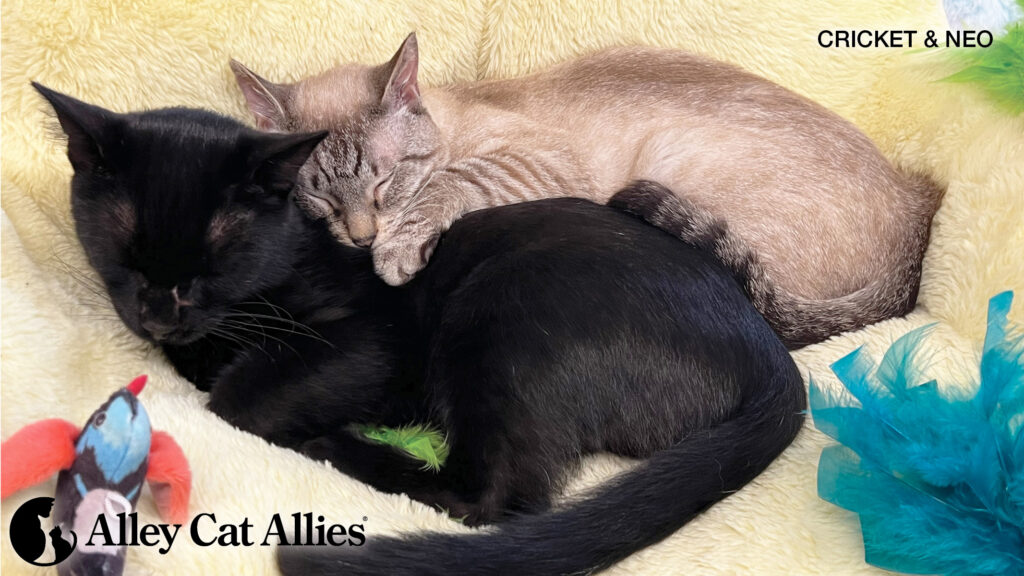
When Cricket and Neo were introduced in a controlled shelter-recovery environment, the results were instantaneous. Their bond defied simple description; it was a synergy of healing. Cricket, despite his physical impairments, possessed a bold, gregarious, and outgoing personality. This fearless warmth was precisely the antidote Neo needed to overcome his residual fears and anxieties. Within hours, the pair were mutually grooming, purring in tandem, and establishing an unbreakable routine. Today, Cricket and Neo are entirely inseparable, proving that companionship can serve as a powerful clinical catalyst in animal trauma recovery.
The Kitten Family: Cotton, Almond, Churro, Creamsicle, and Mother Strawberry
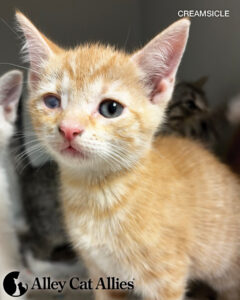
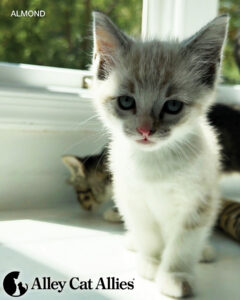
While adult cats navigate complex rehabilitation, neonatal and juvenile care presents an entirely different set of vulnerabilities. Earlier this month, a family of four kittens—subsequently named Cotton, Almond, Churro, and Creamsicle through a popular social media naming campaign involving Alley Cat Allies’ supporters—were brought into protective care alongside their mother, Strawberry.
The young family was suffering from severe upper respiratory infections (URIs), a notoriously contagious and potentially fatal condition in young kittens if left untreated. Immediate isolation, antibiotic therapies, and round-the-clock nutritional support were initiated. Crucially, animal welfare experts prioritized keeping the kittens unified with their mother, Strawberry. Maternal care during early developmental stages ensures optimal psychological health, steady immune development, and reduced stress levels.
As their infections clear and their energy levels surge, the kittens have transformed into playful, inquisitive juveniles. Managing their boundless energy during playtime has become a delightful challenge for their caregivers, who note that their rapid growth is a direct testament to the efficacy of early medical intervention and donor-backed nutrition programs.
Supporting Context & Metrics: The Architecture of Modern Rescue
The successes highlighted in these rescue narratives are not isolated accidents of fate; they are the direct product of a highly organized, data-driven, and resource-intensive infrastructure built over decades.
Understanding Feline Health Challenges
To comprehend the value of the veterinary interventions provided to cats like Cricket, Neo, and the Strawberry family, one must understand the medical thresholds they crossed:
Carpal Laxity: A condition frequently seen in rapidly growing kittens or cats subjected to poor nutrition, where the ligaments and tendons supporting the carpal joint (the front wrist) are lax, causing the animal to walk on its pasterns rather than its paws. With proper nutritional supplementation, physical therapy, and controlled exercise, many cats regain normal alignment.
Upper Respiratory Infections (URIs): Often referred to colloquially as the "feline cold," URIs in shelter environments can spread rapidly. Without intervention, they can lead to chronic sinusitis, permanent eye damage (corneal scarring or ulceration), or anorexia due to loss of smell.
The Power of Community Resource Tools
Access to veterinary care remains one of the greatest systemic barriers in animal welfare. Recognizing that individual rescues cannot solve systemic abandonment alone, organizations like Alley Cat Allies champion preventative education and accessible localized support.
Through digital assets such as the Community Resource Tool® (accessible via platforms like gethelp.alleycat.org), pet owners, community cat caretakers, and independent rescuers can instantly locate low-cost spay/neuter clinics, emergency veterinary services, trap-neuter-return (TNR) groups, and pet food pantries in their immediate geographic areas. By putting actionable medical resources directly into the hands of the public, the frequency of crisis-level hoarding and abandonment can be systematically reduced.
Official Statements and Grassroots Perspectives
The operational philosophy of modern feline advocacy rests heavily on the partnership between institutional backing and grassroots dedication.
"When we look at cats like Neo and Cricket, we see more than just individual survival stories; we see a profound testament to the healing power of community," notes field reports from the Alley Cat Allies animal care division. "Every cat that comes out of an abusive hoarding situation or a near-fatal injury carries a unique psychological and physical burden. By providing them with expert veterinary medicine, safe spaces, and—most importantly—each other, we allow them to reclaim their agency. But none of this happens in a vacuum. It is powered entirely by a global network of compassionate individuals who refuse to look away."
The public engagement strategy, exemplified by the social media naming campaigns for kittens like Cotton, Almond, Churro, and Creamsicle, serves a dual purpose: it humanizes shelter animals for potential adopters while fostering a sense of shared ownership and responsibility among animal lovers worldwide.
The Journey to Forever Homes: Hemingway and Hazel
Rescue work ultimately culminates in release or rehoming—transitions that are frequently described by caretakers as "bittersweet." Two recent adoptions underscore this phase of the welfare continuum.
Hemingway’s Larger-Than-Life Legacy
Hemingway, a feline whose colorful journey and health recovery were extensively documented across previous animal welfare updates, has officially found his forever home. Known for an oversized personality and an indomitable spirit, Hemingway captured the hearts of both his medical handlers and online followers during his stay in foster care. His transition from a medical patient to an adopted family member marks the successful conclusion of a long rehabilitation process.
Hazel: From Clinic "Office Manager" to Retired Matriarch
Equally compelling is the story of Hazel. Having endured at least one taxing pregnancy while living rough or in unstable environments, Hazel entered the rescue system physically exhausted and ready for what advocates affectionately term "retirement."
During her recuperation at a partner veterinary clinic, Hazel did not simply rest; she assumed leadership. Earning the honorary title of "Office Manager," Hazel spent her days greeting incoming clinic visitors, conducting supervisory inspection rounds of exam rooms, and strategically dispensing affectionate headbutts to staff and recovering animals alike. These socialized skills made her uniquely qualified for domestic life. Hazel’s successful adoption proves that adult and senior cats—especially those with mothering histories—bring unmatched wisdom, affection, and behavioral stability to adoptive households.
Future Outlook: Building a Value-Driven Feline Culture
As Alley Cat Allies approaches over three decades of continuous advocacy since its founding in 1990, the organization’s mission remains anchored in structural reform and cultural shift. With over 1.8 million active supporters worldwide, the movement continues to push for evidence-based, humane policies—such as widespread Trap-Neuter-Return (TNR) ordinances, shelter-neuter-return protocols, and expanded low-cost veterinary access.
The stories of Cricket, Neo, Cotton, Strawberry, Hemingway, and Hazel are representative of thousands of animals whose lives are altered annually through organized intervention. However, the broader objective extends beyond individual adoptions: it involves embedding resources into communities so that systemic neglect, unmanaged overpopulation, and preventable medical crises become relics of the past.
How to Take Action
Transforming the future for cats and kittens requires active participation from the global community. Stakeholders, animal lovers, and concerned citizens can engage with the movement through several pathways:
Support Direct Care: Contributions directly fund emergency medical treatments, specialized surgeries (such as those required for carpal laxity or severe trauma), and nutritional rehabilitation. Donations can be directed via secure portals at alleycat.org/donate.
Adopt, Don’t Shop: Prospective pet owners can view continuously updated lists of adoptable cats and kittens across various regions by visiting alleycat.org/Adopt.
Utilize and Share Resources: Communities experiencing stray or feral cat issues can access localized assistance, trap rentals, and spay/neuter information via the Community Resource Tool® at gethelp.alleycat.org.
By uniting institutional expertise with grassroots compassion, the animal welfare community continues to prove that every cat—regardless of their medical history, physical impairment, or past trauma—deserves a life characterized by dignity, safety, and love.