As pet ownership evolves from domestic companionship to an integrated lifestyle of shared travel, outdoor recreation, and adventure, a growing number of dog owners are looking for ways to include their four-legged family members in summer water sports. Paddling—specifically kayaking and stand-up paddleboarding (SUP)—has rapidly emerged as one of the most popular recreational activities for adventurous humans and their canine companions. However, transitioning a land-loving animal onto an unstable, open-water vessel requires careful preparation, rigorous safety protocols, and a deep understanding of animal behavior.
This comprehensive report examines the fundamentals of introducing dogs to paddle sports, drawing expert insights from seasoned pet adventurers, safety specialists, and veterinary perspectives. From selecting the proper equipment and understanding craft stability to managing water safety hazards and fostering positive behavioral conditioning, this guide provides a definitive roadmap for a safe and enjoyable aquatic excursion. Whether you are navigating calm marina waters in a sit-on-top kayak or balancing on a wide-deck paddleboard at a mountain lake, ensuring a positive experience for your canine companion is paramount to building lifelong water confidence.
Detailed Chronology: The Evolution of Canine Paddle Sports
To understand how paddle sports became a mainstream activity for dogs, it is helpful to trace the evolution of pet-inclusive outdoor recreation. While water sports have historically been dominated by human participants—with the occasional retriever jumping off a dock—the last decade has seen a cultural shift toward bringing companion animals into every facet of outdoor life.
Phase 1: The Grassroots Era of Pet Adventure
Years ago, outdoor enthusiasts with adventurous pets operated largely in a vacuum. Resources, specialized gear, and community advice were scarce. Early pioneers experimented with makeshift solutions—such as putting doggie t-shirts on long-haired breeds underneath life vests to prevent chafing and hair-pulling. These anecdotal tips were passed informally among adventure-dog owners through early blogs and word-of-mouth networks.
Phase 2: The Social Media Catalyst
The rise of visual-first social media platforms fundamentally transformed outdoor pet culture. Accounts dedicated to adventure dogs—such as Instagram’s popular @robinventures, featuring a spirited 18-pound Basenji mix named Robin—showcased dogs successfully navigating lakes, rivers, and coastal waters. These digital platforms bridged the gap between niche hobbyists and everyday pet owners, proving that even small, non-traditional "water dogs" could develop high levels of aquatic confidence.
Phase 3: Mainstream Adoption and Specialized Gear
Today, canine paddle sports represent a booming sector of the pet lifestyle industry. Manufacturers now produce specialized, ergonomic pet life jackets featuring heavy-duty lift handles, secure belly panels, and high-visibility panels. Waterfront rental companies across popular tourist and recreational destinations routinely accommodate pets, offering stability-tested watercraft and safety briefings tailored to human-canine teams.
Supporting Context & Metrics: Safety, Equipment, and Animal Behavior
Successfully introducing a dog to kayaking or paddleboarding requires meticulous attention to detail. Below is a comprehensive breakdown of the critical factors that separate a disastrous outing from a harmonious water adventure.
1. Choosing the Right Watercraft: Kayak vs. Paddleboard
Not all watercraft are created equal when it comes to accommodating a dog. Selecting the correct vessel depends on your experience level, your dog’s temperament, and stability requirements.
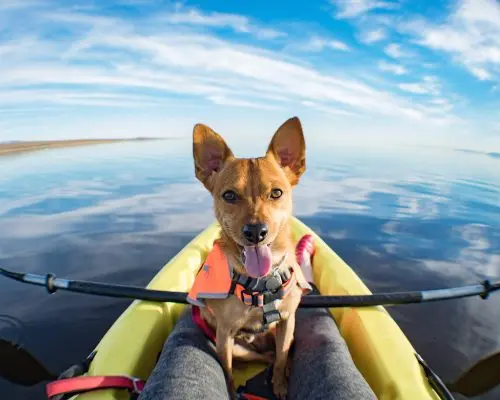
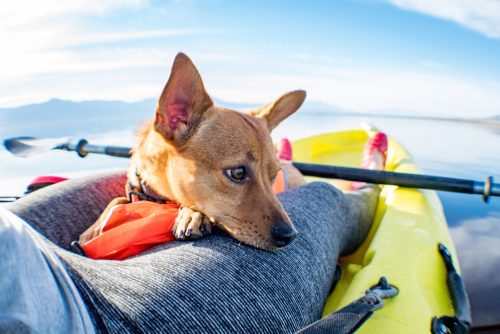
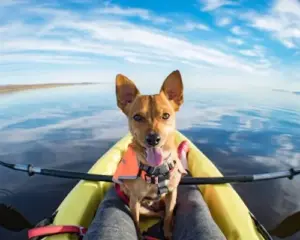
Sit-on-Top Kayaks (Recommended for Beginners): For novice paddlers and dogs experiencing the water for the first time, wide sit-on-top kayaks are the gold standard. They offer exceptional stability, preventing sudden capsizes, and feature spacious foot wells or bow areas where a dog can sit comfortably. Furthermore, they are easy to maneuver in calm lake and marina environments.
Sit-Inside Kayaks (Proceed with Caution): Designed primarily for speed and efficiency, traditional sit-inside kayaks leave little to no room for a canine passenger unless the deck is heavily modified with non-slip traction mats.
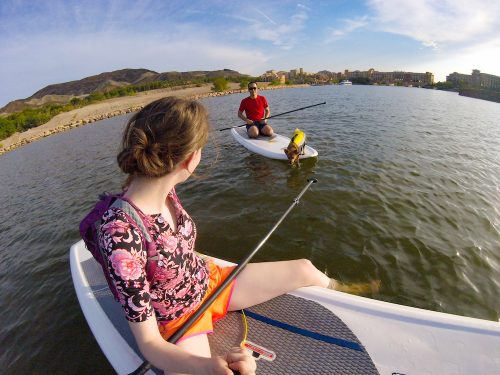
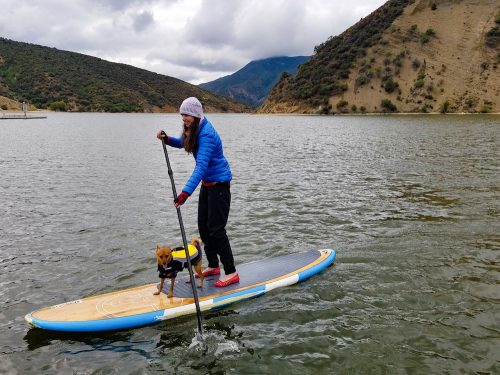
Stand-Up Paddleboards (SUPs): Paddleboards offer expansive deck space, which is particularly beneficial for larger dog breeds. However, SUPs demand superior balance from both human and hound. The slick surface of many boards can cause dogs to lose their footing; placing your dog behind you rather than in front can improve traction, enhance board stability, and make paddling significantly easier.
2. Essential Safety Gear and Protocols
Water safety cannot be overstated. Even the most proficient canine swimmers face unique risks in open water.
Properly Fitted Canine Life Jackets (PFDs): Every dog should wear a Coast Guard-approved style pet life jacket equipped with a sturdy grab handle on the back. It is crucial to check the fit: poorly fitting vests can ride up during a panic paddle, trapping the dog’s front paws and turning a safety device into a liability. Look for models featuring flexible neoprene belly panels for comfort during lifting.
Leash Management: Consider whether to tether your dog to yourself or the craft. If you choose to use a leash, it must be clipped exclusively to the life jacket—never to a traditional collar, which poses a severe strangulation hazard if the dog falls overboard and gets tangled. However, many experienced handlers prefer going leash-free once on the water, as dogs instinctively swim toward their owner or the craft during an upset. Tethered leashes also carry the risk of wrapping around the craft and trapping a dog underneath.
Human PFDs: Humans must wear their life jackets during initial excursions. If a capsize occurs, your immediate priority will be securing a panicked, flailing dog rather than chasing down a floating PFD. Treading water while supporting an anxious dog is exceptionally difficult without buoyancy assistance.
3. Environmental Hazards and Health Considerations
Open-water recreation exposes dogs to environmental risks that owners must actively monitor.
Toxic Algae Blooms: Freshwater lakes and slow-moving rivers can harbor cyanobacteria (blue-green algae), which produce deadly toxins. Dog fatalities are frequently the tragic first indicator of a toxic algae bloom in a recreational body of water. Always verify local water safety reports before launching.
Hydration: Bring a dedicated travel bowl and fresh drinking water on board. Natural water sources may contain harmful parasites, bacteria, or chemical pollutants that can cause severe gastrointestinal distress.
Expert Perspectives and Behavioral Conditioning
To gain a deeper understanding of how dogs psychologically adapt to paddle sports, we turn to insights shared by experienced canine handlers and trainers.
"Paddling with your pup is a fantastic way to enjoy the summer heat! Kayaking is an easy beginner activity, and many dogs love it—or at least tolerate it. Before trying a paddle sport, make sure your dog has a solid ‘stay.’ A sudden, uncalculated leap can destabilize your craft, especially on a paddleboard."
— Katherine, Canine Adventure Blogger (@robinventures)
Gradual Desensitization and Positive Reinforcement
Forcing an unwilling animal onto a watercraft guarantees a stressful experience for both parties. Experts recommend a phased approach to acclimatization:
Shoreline Familiarization: Introduce the kayak or paddleboard to your dog on dry land. Allow them to sniff, explore, and climb onto the stationary craft voluntarily, rewarding calm behavior with high-value treats and praise.
The "Stay" Command: A frantic dog that leaps unpredictably into the water will destabilize the vessel. Training a reliable "stay" and "wait" command on solid ground is a mandatory prerequisite.
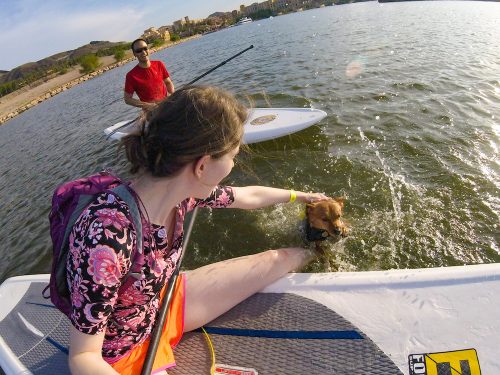
Positive Water Associations: If your dog displays nervousness on the water, use treats and verbal praise to build positive emotional links to the experience. Over time, anxiety often gives way to supreme confidence—with some dogs eventually developing a love for swimming between watercraft mid-excursion.
Targeted Swimming Retraining: If your dog falls into the water, teach them to swim directly toward you rather than the nearest edge of the board. Because dogs cannot easily climb out of the water unassisted, directing them to the handler ensures safe retrieval using the life jacket’s grab handle.
Future Outlook: The Growing Trend of Pet-Centric Outdoor Recreation
As the pet industry continues to innovate, the intersection of canine companionship and outdoor adventure is poised for significant expansion. Several key trends are shaping the future of pet paddle sports:
Pet-Friendly Outdoor Infrastructure: More state parks, private marinas, and resort destinations are investing in pet-friendly infrastructure, including dedicated canine launch docks, wash stations, and rental fleets equipped with pet accessories.
Technological Advancements in Gear: The next generation of pet outdoor gear is moving toward smart textiles, lightweight waterproof tracking devices integrated into life jackets, and custom non-slip deck pads designed explicitly for dog claws.
Community and Educational Workshops: Across coastal and lake communities, adventure groups and canine training facilities are beginning to host workshops focused on water safety, SUP-dog training, and emergency extraction techniques for pets.
Ultimately, taking your dog kayaking or paddleboarding is a rewarding journey that strengthens the bond between human and animal. By prioritizing safety, investing in quality gear, and respecting your dog’s psychological boundaries, you can transform a simple day on the water into an unforgettable shared adventure.