
Executive Overview
For decades, the standard protocol for managing chronic skin disease in companion animals has relied heavily on symptom suppression. When a dog or cat presents with unrelenting itching, recurrent pyoderma, hair loss, and inflamed ears, the conventional approach typically points toward a diagnosis of seasonal allergies, environmental atopy, or food intolerance. Treatment plans routinely follow suit, turning to lifelong courses of corticosteroids, antihistamines, cyclosporine, or modern targeted biologics.
However, veterinary experts increasingly argue that managing chronic cutaneous conditions with immunosuppressive drugs alone is the clinical equivalent of turning off a smoke detector while ignoring the fire.
According to Dr. Scarlett Magdalen, an AVMA award-winning regenerative veterinarian with over 15 years of clinical experience, and Dr. Jyl Rubin, an integrative veterinary specialist and founder of Dr. Rubin’s Mobile Vet Connection, chronic skin disease is rarely an isolated dermatological condition. Instead, it serves as an external, cutaneous manifestation of deeper, systemic imbalances. These underlying drivers often involve adrenal-endocrine dysfunction, heavy toxic burdens, immune dysregulation, compromised gut integrity, and profound disruptions within the microbiome.
By shifting away from temporary symptom mitigation and moving toward advanced, root-cause diagnostics and regenerative modalities—such as Hair Tissue Mineral Analysis (HTMA), microbiome restoration, photobiomodulation, and medical ozone therapy—progressive veterinary practitioners are achieving lasting resolution. This comprehensive investigation explores the complex pathophysiology of chronic pet skin disease, evaluates advanced diagnostic tools, and outlines forward-thinking treatment protocols designed to restore holistic health.
Detailed Chronology: Case Studies in Regenerative Veterinary Medicine
To truly understand the shift toward regenerative dermatology, it is instructive to examine how modern integrative protocols alter the clinical trajectory of complex, refractory cases.
The Case of Lola: Untangling Adrenal Stress and Microbial Imbalance
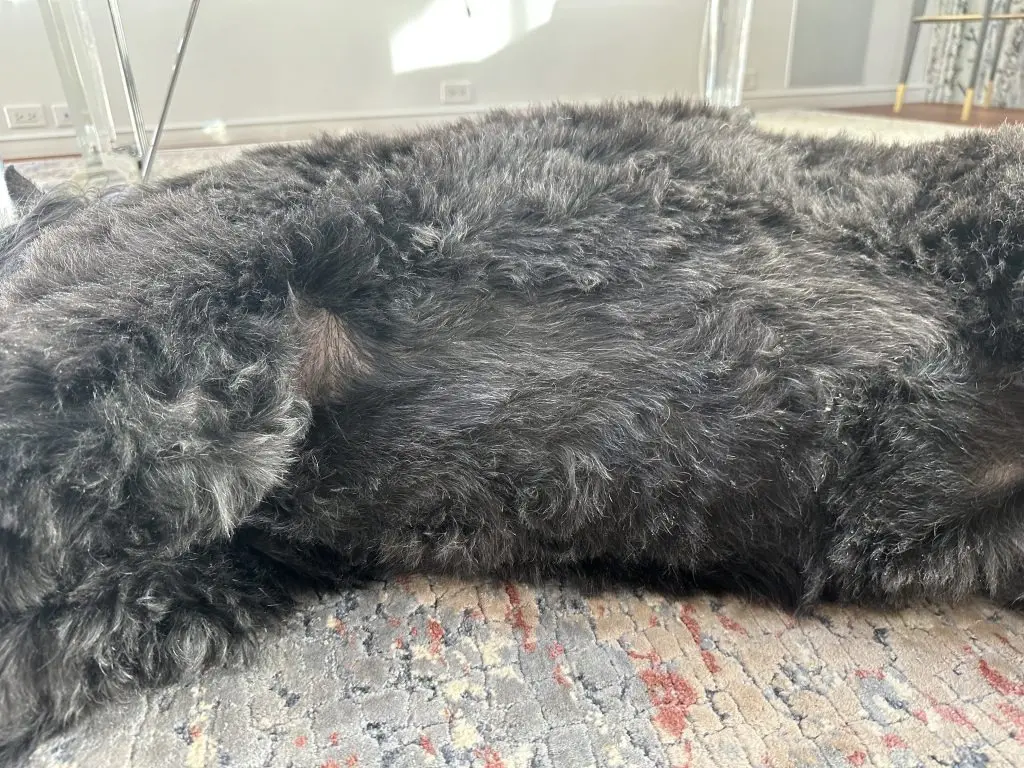
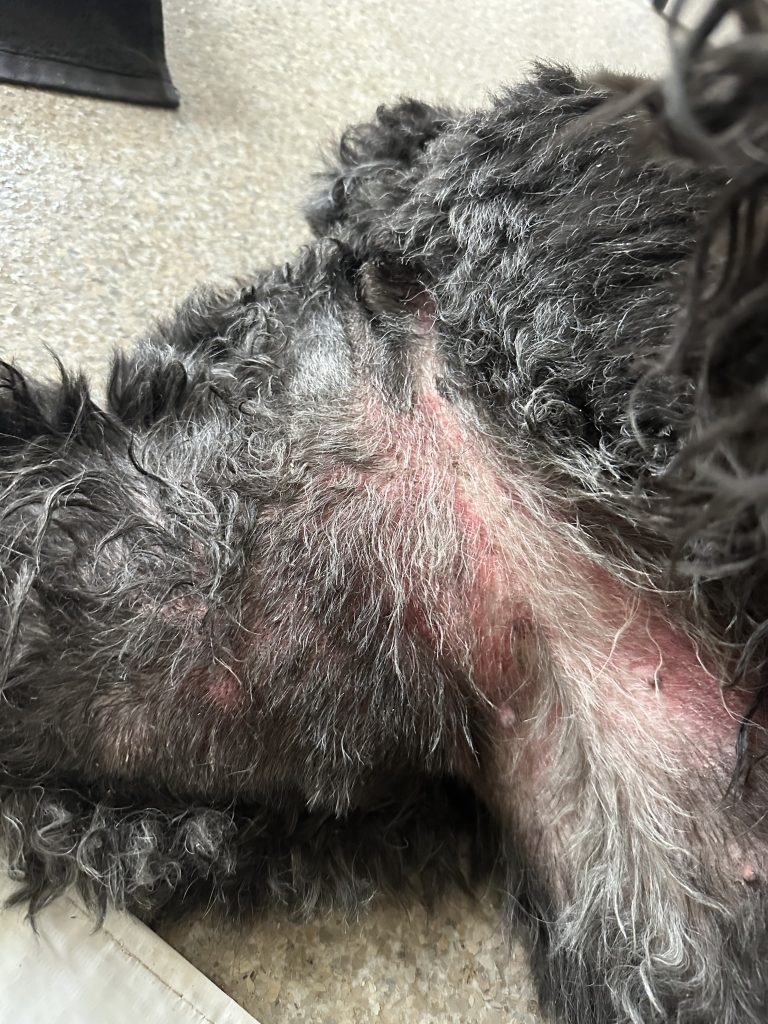
Lola, an eight-year-old spayed Bouvier des Flandres, presented with a severe, years-long history of chronic skin and ear infections localized primarily to her inguinal region. Her medical history was characterized by continuous cycles of aggressive steroid therapy and antibiotics, which provided fleeting relief before symptoms inevitably rebounded with increased severity.
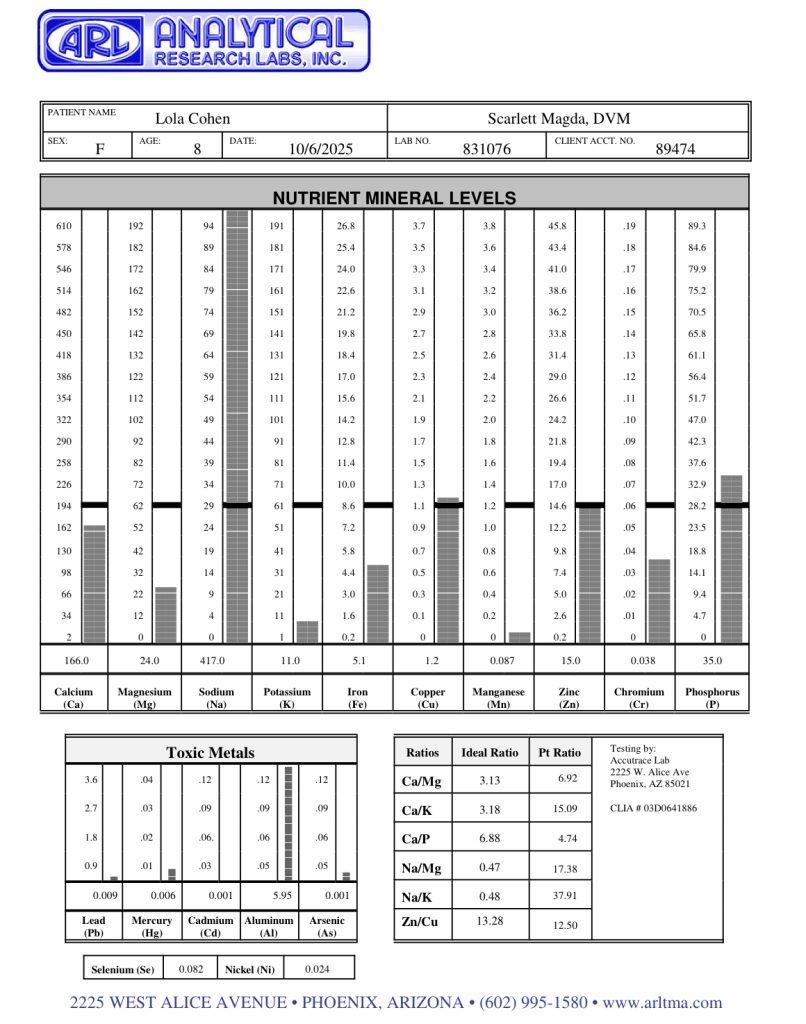
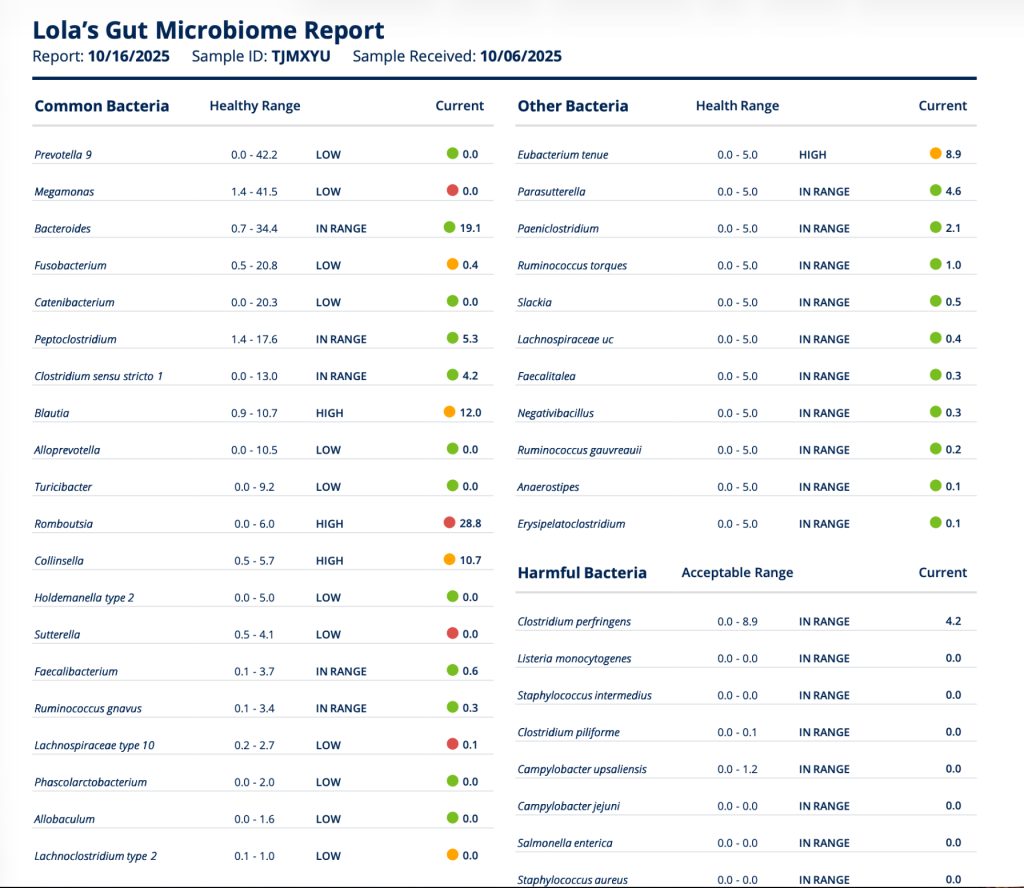
Upon transitioning to a regenerative care model under the guidance of Dr. Magdalen, clinicians bypassed traditional surface-level evaluations. A comprehensive Hair Tissue Mineral Analysis (HTMA) revealed severely elevated sodium-to-magnesium and sodium-to-potassium ratios, alongside excessive copper levels. These metrics pointed unequivocally toward severe underlying inflammation and deep adrenal exhaustion. Furthermore, a gut microbiome profile administered via AnimalBiome indicated a significant absence of core protective bacterial species, confirming profound dysbiosis.
By integrating a targeted Class II laser (photobiomodulation) protocol for pododermatitis, customized clinical nutrition free of inflammatory triggers, and microbiota restorative therapy, Lola’s clinical presentation underwent a radical transformation. Within one month, her abdominal lesions cleared dramatically, her skin barrier regenerated, and the reliance on chronic immunosuppressive drugs was successfully eliminated.
The Case of Fern: Rescuing a Refractory Pitbull Mix
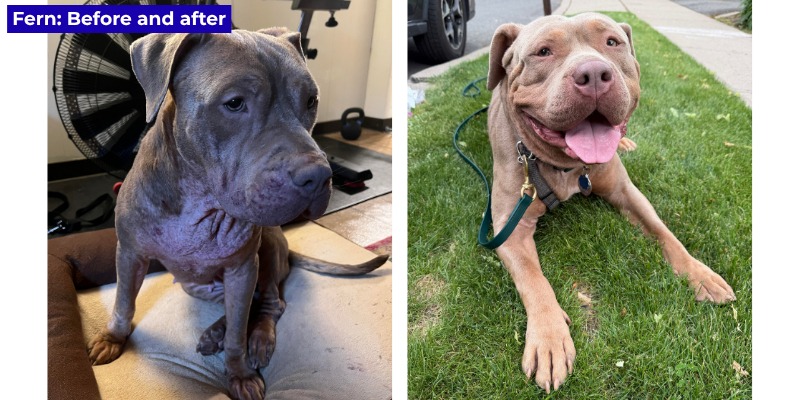
Fern, a three-and-a-half-year-old spayed Pitbull mix, entered a shelter environment in December burdened by chronic, treatment-resistant skin infections, severe alopecia, and relentless pruritus. Traditional veterinary paths had failed to yield long-term stability.
To break this pathological cycle, integrative clinicians initiated a novel protocol incorporating intravenous (IV) ozonated glycerin (Ozactin) administered every two to four weeks, paired with individualized dietary modifications and targeted nutrient supplementation. Over the course of five targeted IV sessions, Fern’s refractory skin infections resolved, her coat regenerated, and her systemic inflammatory burden subsided.
The Case of Tulyp: Multimodal Management in a Young Boxer
Tulyp, a two-and-a-half-year-old Boxer, presented with a constellation of chronic inflammatory disorders: severe allergies, pododermatitis, recurrent otitis, chronic yeast overgrowth, and overwhelming environmental sensitivities.
Rather than relying on isolated pharmaceutical interventions, Tulyp’s treatment team deployed a complex, multimodal integrative protocol. This included rectal ozone therapy, ultraviolet blood irradiation (UVBI) photobiomodulation, frequent ozone baths with foaming antimicrobial shampoos, topical ozonated oils, and targeted ear treatments. Additionally, Tulyp underwent fecal microbiota restoration therapy (MBRT), customized vitamin D3 and fatty acid supplementation, and an elimination diet designed to strip out reactive ingredients like potatoes. Within one month, Tulyp demonstrated remarkable clinical improvement, showcasing the power of addressing the whole organism simultaneously.
Supporting Context & Metrics: Unpacking the Pathophysiological Axes
To effectively treat chronic skin disease, practitioners must examine three primary pathophysiological axes: the adrenal-endocrine axis, the gut-skin axis, and the toxic burden axis.
1. The Adrenal-endocrine Axis and Mineral Imbalances
Endocrine and metabolic disorders are major contributors to modern dermatological presentations. Animals today are besieged by environmental pollutants, synthetic chemicals, toxic molds, and processed foods that push their physiological thresholds to the breaking point. When the body cannot cope with environmental and internal stressors, the endocrine system falters.
A landmark 2017 study published in the Journal of the American Holistic Veterinary Medical Association (JAHVMA) by Dr. Ava Frick revealed a striking statistic: 94 percent of evaluated dogs exhibited high sodium-to-potassium (Na:K) ratios accompanied by depressed calcium (Ca) and magnesium (Mg) levels. This specific mineral profile serves as a textbook indicator of chronic, systemic inflammation and adrenal insufficiency.
The adrenal glands rely heavily on specific micronutrients—including vitamins A, C, D, and E, along with copper, manganese, pantothenic acid, and targeted amino acids—to synthesize and secrete hormones efficiently. When chronic stress exhausts the sympathetic nervous system, pituitary stimulation of the adrenals declines, creating a self-perpetuating loop of physiological decline.
Histamine, Copper, and Cellular Permeability
High histamine levels frequently drive severe allergic reactivity in pets. In fast-oxidizing animals, deficiencies in calcium and magnesium compromise cell membrane integrity, increasing permeability and allowing excess histamine to flood surrounding tissues. Furthermore, zinc deficiencies trigger direct histamine release.
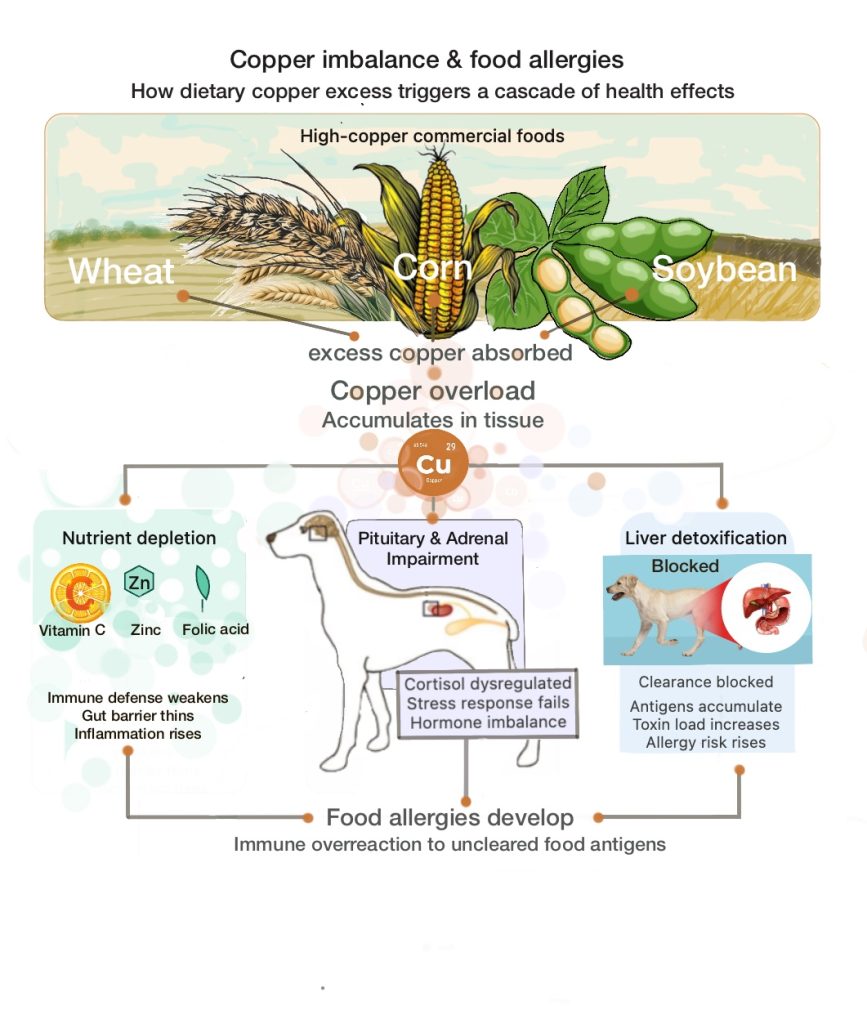
Food allergies are often exacerbated by hidden dietary components, such as the high copper concentrations found in commercial diets reliant on wheat, corn, and soy. Excess systemic copper depletes vital nutrient reserves of vitamin C, folic acid, and zinc, thereby impairing pituitary-adrenal function and shutting down hepatic detoxification pathways. Crucially, these subtle copper imbalances frequently evade standard blood panels, making specialized tissue testing essential.
2. The Gut-Skin Axis and Microbial Dysbiosis
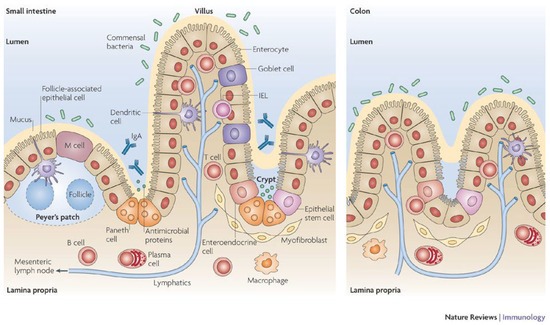
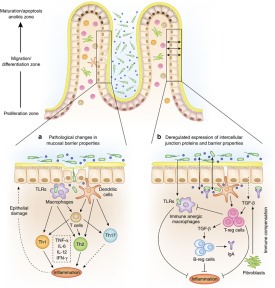
The connection between gastrointestinal health and cutaneous vitality is mediated through complex endocrine, immune, and nervous system pathways. Microbial disruptions within the GI tract reliably manifest as dermatological disease.
Recent literature highlights this clear link. A 2025 study published in Veterinary Dermatology demonstrated that dogs suffering from atopic dermatitis exhibit significantly lower fecal concentrations of short-chain fatty acids (SCFAs) compared to healthy cohorts. SCFAs are vital metabolites: they supply host energy, establish an acidic intestinal milieu that wards off pathogenic colonization, and reinforce mucosal barrier integrity.
When microbial diversity collapses—a state defined as dysbiosis—the tight junctions between intestinal epithelial cells weaken. This intestinal permeability allows lipopolysaccharides (LPS) derived from gram-negative bacteria to leak directly into the bloodstream, igniting low-grade systemic inflammation that degrades the skin barrier.
Reinforcing these findings, a 2025 peer-reviewed study in BMC Microbiology confirmed that dogs with canine atopic dermatitis (cAD) possess significantly depressed gut microbial diversity and severely disrupted microbiome profiles relative to healthy controls. Furthermore, atopic subjects exhibited heightened intestinal biomarkers of epithelial damage, proving a direct causative link between gut pathology and skin disease.
3. Toxin Burden and Bioavailable Micronutrients
Environmental toxins, heavy metals, and nutritional deficiencies represent an overlooked dimension of pet dermatology. Essential minerals act as vital catalysts for enzymatic reactions, hormonal synthesis, and cellular maintenance. When key elements—such as zinc, magnesium, and selenium—are depleted, or when toxic heavy metals like lead, mercury, and aluminum accumulate, normal cellular metabolism breaks down.
Routine blood panels often fail to capture these anomalies because they measure tight homeostatic ranges of circulating blood components rather than long-term tissue storage. Zinc is of paramount importance here; the skin requires a continuous supply of bioavailable zinc to support rapid cellular turnover and desquamation. Unfortunately, inorganic zinc sources commonly added to highly processed commercial kibbles (such as zinc oxide and zinc sulfate) feature drastically lower bioavailability than organic alternatives like zinc proteinate.
Official Statements and Diagnostic Innovations
Moving beyond surface-level management requires advanced diagnostic tools that look past immediate inflammatory flare-ups and evaluate long-term physiological status.
Hair Tissue Mineral Analysis (HTMA)
Unlike traditional blood draws that capture a fleeting snapshot of internal chemistry, Hair Tissue Mineral Analysis (HTMA) measures mineral accumulation and depletion trends over a sustained period—typically two to four months of coat growth. Utilizing inductively coupled plasma mass spectrometry (ICP-MS), HTMA quantifies 17 or more distinct elements, including essential macrominerals and trace elements alongside toxic heavy metals like lead, aluminum, mercury, and arsenic.
As Dr. Magdalen emphasizes, evaluating specific mineral ratios via HTMA—such as calcium-to-magnesium and sodium-to-potassium—provides clinicians with an unfiltered window into adrenal stress responses, energy production capacity, and systemic inflammatory tendencies.
Comprehensive Gut Microbiome Testing
Advanced gastrointestinal microbiome panels offer quantitative insights into microbial populations, mapping the exact ratio of beneficial to pathogenic species while tracking markers of intestinal barrier health. For companion animals presenting with concurrent gastrointestinal signs—such as intermittent loose stools, excessive flatulence, or capricious appetites—microbiome testing uncovers dysbiosis patterns completely missed by standard fecal flotations. Furthermore, these tests identify overgrowths of opportunistic surface bacteria, such as Staphylococcus, which directly exacerbate atopic skin inflammation.
Treatment Modalities with Favorable Safety Profiles
By addressing the root causes of chronic dermatological disease, integrative veterinarians utilize regenerative modalities that bypass the hepatotoxic and immunosuppressive drawbacks of long-term pharmaceutical reliance.
Microbiome Restoration Therapy
Given that dysbiosis actively drives skin inflammation, microbiome-targeted interventions represent a cornerstone of modern integrative therapy. Clinical research published in BMC Microbiology demonstrates that targeted probiotic administration over an eight-to-sixteen-week period significantly enhances gut microbial diversity while improving clinical atopic dermatitis scores in dogs.
This therapeutic benefit stems from multiple mechanisms: a balanced microbiome upregulates regulatory T-cells (Tregs), which secrete anti-inflammatory cytokines such as IL-10 and TGF-β, effectively blunting the IgE-mediated allergic cascade. Additionally, microbiota-derived butyrate promotes the expression of filaggrin, a structural protein essential for maintaining skin barrier integrity.
Photobiomodulation (Therapeutic Laser)
Photobiomodulation harnesses specific wavelengths of light to stimulate mitochondrial ATP production, reduce oxidative stress, and accelerate tissue repair. In veterinary dermatology, therapeutic lasers offer powerful anti-inflammatory and regenerative properties, proving particularly useful for secondary pyoderma, chronic wounds, lichenified skin, and adrenal fatigue.
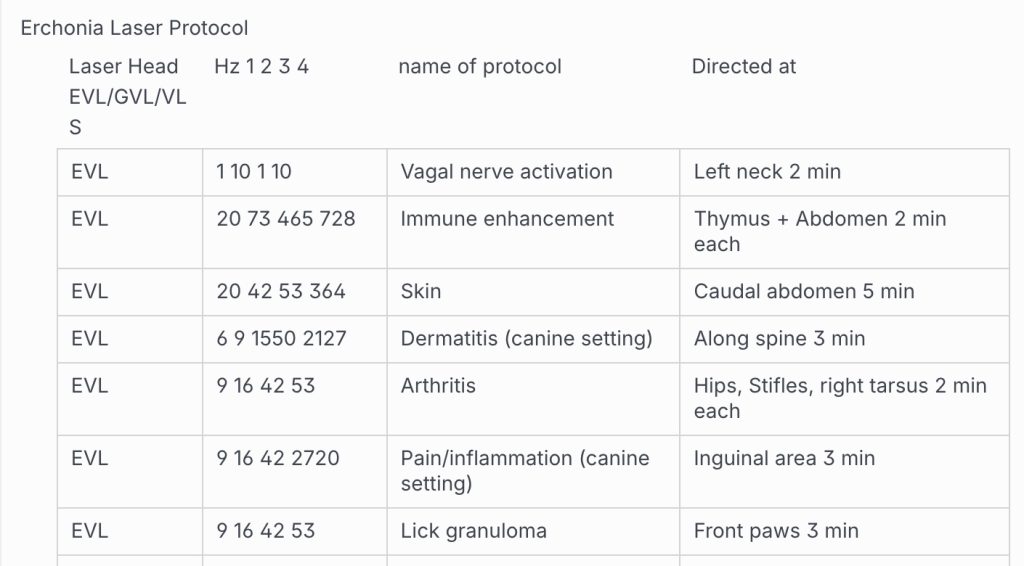
In vitro research published in the American Journal of Veterinary Research (2025) demonstrated that low-level laser therapy directly inhibits the proliferation of Malassezia pachydermatis, the yeast species frequently implicated in chronic canine otitis and seborrheic dermatitis.
Medical Ozone Therapy
Medical ozone ($O_3$) is generated by passing medical-grade oxygen through an electric arc generator, yielding a reactive oxygen species endowed with potent antimicrobial, anti-inflammatory, and immunomodulatory characteristics. In veterinary dermatology, topical ozonated water, ozonated oils, and systemic applications are deployed to manage chronic wounds, bacterial folliculitis, hot spots, and refractory infections.
Data published in Veterinary Sciences indicates that ozonated water matches the antimicrobial efficacy of traditional chemical antiseptics, including chlorhexidine, in reducing bacterial loads on canine skin. Furthermore, research in Research in Veterinary Science confirms that ozone-based protocols offer a viable, drug-free alternative for managing staphylococcal dermatitis, particularly in cases complicated by multidrug resistance. Because medical ozone relies on oxidative modulation rather than pharmaceutical suppression, it carries zero risk of hepatotoxicity or systemic immunosuppression when administered under professional supervision.
Customized Clinical Nutrition
Generic over-the-counter hypoallergenic diets frequently fall short because they fail to address individual metabolic profiles. Guided by HTMA data, microbiome mapping, and food reactivity panels, customized clinical nutrition corrects specific nutrient deficiencies from the inside out. Supplementing with targeted omega-3 fatty acids (EPA and DHA) modulates the arachidonic acid cascade to quell inflammation, while organic zinc and antioxidant therapies protect fragile skin tissues from ongoing oxidative damage.
Summary of Multimodal Integrative Protocols
| Therapy | Clinical Protocol |
|---|---|
| Rectal Ozone Therapy | 45 gamma, 120 cc administered every other day for 3 weeks, then transitioned to weekly maintenance. |
| Ultraviolet Blood Irradiation (UVBI) | Intravenous treatment to support immune modulation and systemic inflammation reduction; repeated at 30 days. |
| Ozone Baths & Foaming Shampoo | Performed every 3 days utilizing ozonated foaming cleansers to suppress yeast and microbial skin burdens. |
| Ozonated Topical Oils & Water | Applied daily to irritated, inflamed skin zones and ears to soothe irritation and maintain microbial equilibrium. |
| Microbiota Restoration Therapy (MBRT) | Frozen fecal microbial slurry implanted into the transverse colon via specialized protocols (MBRT.life). |
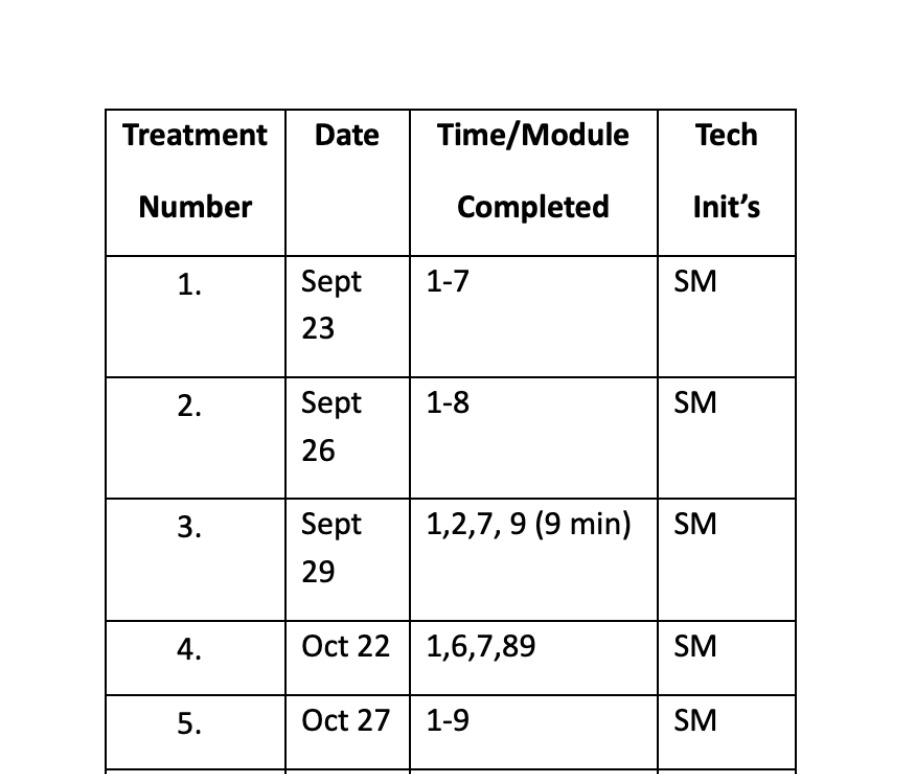
| Photobiomodulation (Laser) | Applied directly to affected paw pads twice weekly for 4 weeks to resolve chronic pododermatitis. |
| Targeted Supplementation | Daily administration of Vitamin D3, bioavailable organic zinc, and high-potency omega-3 fatty acids. |
| Elimination Dietary Therapy | Complete removal of reactive dietary antigens (including potatoes) to eliminate chronic inflammatory triggers. |
Future Outlook
The paradigm in veterinary medicine is undergoing a profound, necessary evolution. Chronic skin disease in companion animals can no longer be viewed merely as an irritating seasonal inconvenience or an isolated organ failure to be masked with lifelong steroids. Instead, progressive veterinary clinicians recognize it as an outward warning signal from an overburdened, dysregulated biological system.
As veterinarians increasingly embrace root-cause diagnostics—such as Hair Tissue Mineral Analysis, advanced vitamin assessments, and comprehensive gut microbiome profiling—alongside sophisticated regenerative tools like medical ozone therapy, photobiomodulation, and microbiome restoration, the horizon for veterinary dermatology is shifting. By moving past temporary symptom suppression, modern regenerative medicine offers pets and their guardians a true path toward lasting systemic healing, deep immune resilience, and vibrant, enduring health.