
Executive Overview
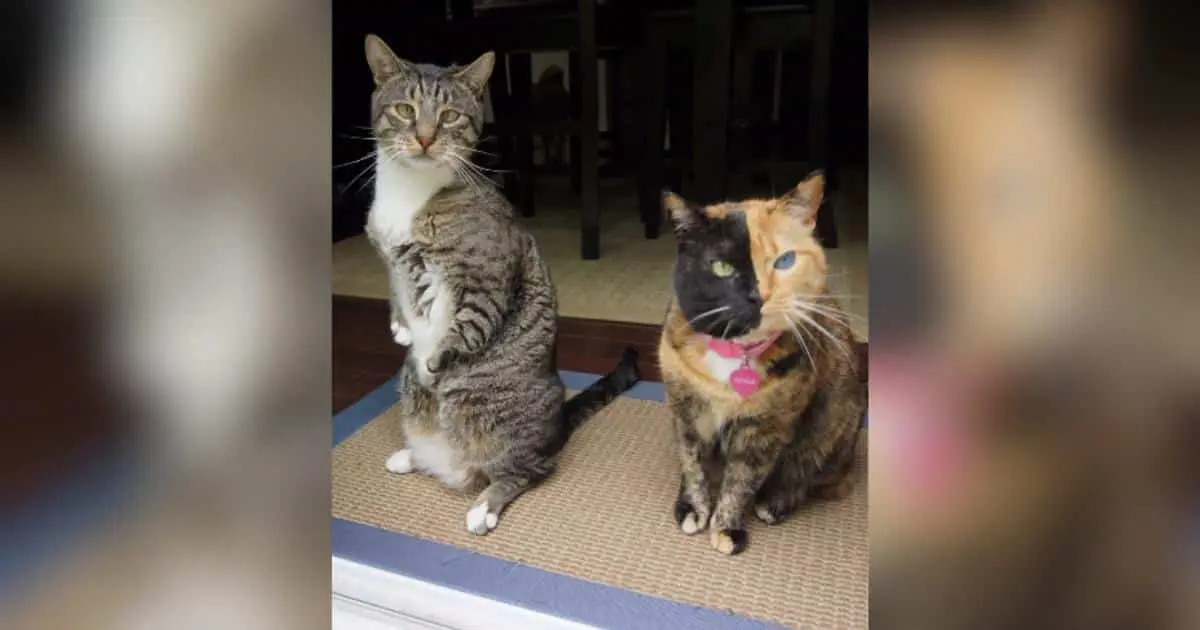
For over a decade, the digital landscape was captivated by two remarkable felines who redefined what it meant to be "different" in the animal kingdom. Venus, the world-famous "Two-Faced Cat" whose visage was split symmetrically between black and orange fur, and Roo, affectionately known as the "Kangaroo Cat," who navigated life with the physical challenges of radial hypoplasia, served as pioneers in internet pet culture. Together, they transcended mere viral fame to become symbols of resilience, compassion, and the profound beauty of neurodivergent and physically unique animals.
However, an era of internet history has drawn to a poignant and heartbreaking close. In August 2026, their grieving family—led by owner Christina—announced the passing of both beloved companions just nine days apart. Roo peacefully crossed the rainbow bridge on August 7 at the age of 15½, followed shortly by Venus on August 16 at 17, after battling advanced chronic kidney disease and other age-related complications.
Having shared a home and a deep bond as best friends for roughly 12 years, their synchronous departures have left millions of global followers mourning. More than just viral sensations, Venus and Roo were family. Their lives challenged stigmas, advanced veterinary curiosity, and inspired a generation of animal lovers to champion rescue pets with physical and genetic differences. This comprehensive report chronicles their extraordinary lives, the emotional final days of their passing, the uncanny signs reported by their family, and the indelible legacy they leave behind.
Detailed Chronology: The Final Days of Two Feline Legends
The span of nine days in August 2026 will forever be etched in the hearts of Christina and her family as a period of profound sorrow, marked by two monumental losses that unfolded with cinematic and heartbreaking precision.
Roo’s Final Evening: Breaking Down Emotional Barriers
Roo, known widely as the Kangaroo Cat, had lived with radial hypoplasia—a congenital condition preventing the normal development of his front limbs. Before finding his forever home with Christina, Roo had endured an abusive past that left deep psychological scars. Most notably, this trauma manifested as a severe phobia of being picked up and held, a boundary his family meticulously respected for years.
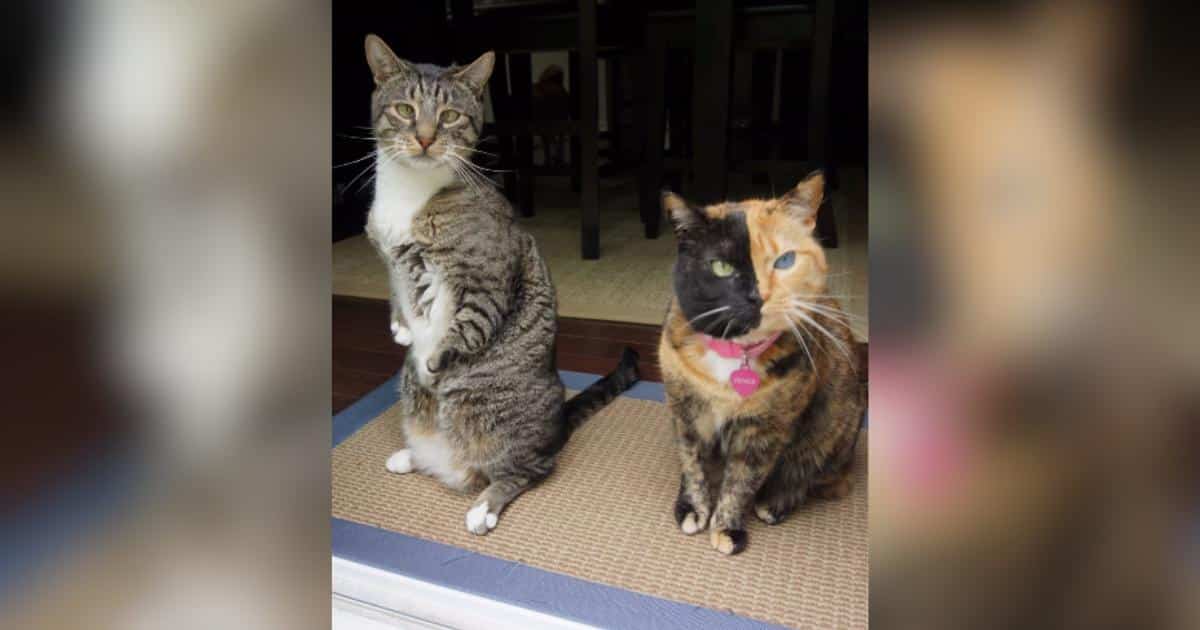
By the first week of August 2026, however, signs of decline began to emerge. Roo’s appetite steadily waned until that fateful Thursday evening, when he stopped eating entirely. In a moment that transcended their years of coexistence, Roo offered his human family a profound gesture of trust. When Christina picked him up, instead of pulling away in fear, the aging cat leaned completely into her, burying his head deeply into the inside of her elbow.
Recognizing this physical surrender as a signal that her companion was exhausted, Christina rushed him to an emergency veterinary hospital. Medical evaluations confirmed the worst: Roo’s quality of life had severely deteriorated, internal pain was likely present, and his vital signs indicated systemic organ failure. To protect him from further suffering, the family made the compassionate decision to ease him out of pain. Roo passed away peacefully early on August 7, resting in Christina’s lap on a warm bed.
Later that evening, as the family processed their grief on the front porch following a rainstorm, a striking double rainbow stretched across the sky. While easily dismissed as a meteorological coincidence by cynics, to a grieving family, it felt like an unmistakable sign that Roo had successfully made his final journey.
Venus’s Rapid Decline and the Weight of Grief
Just as the household began to process the quiet emptiness left by Roo, a new crisis emerged. Venus, who had been Roo’s steadfast companion for 12 years, began exhibiting signs of rapid weakness and physical deterioration.
At 17 years old, Venus was already managing advanced age, but emergency veterinary diagnostics revealed a catastrophic cascade of health failures: advanced chronic kidney disease, severe dehydration, anemia, and underlying cardiac complications. While aggressive kidney treatments might have extended her life marginally, veterinarians warned that such interventions carried fatal risks for her compromised heart.
Faced with an agonizing choice only days after burying Roo, Christina chose not to ask her elderly cat to endure further suffering. Furthermore, Christina noted the heavy psychological toll: she could not help wondering whether the heartbreak of losing her best friend of over a decade was simply more than Venus’s tired heart could bear.
A Gentle Farewell Under the Trees
Determined that Venus’s final moments would not be confined to the sterile environment of a veterinary clinic, the family secured permission to take her outside. Christina settled beneath the spreading branches of a familiar tree, holding Venus on her favorite blanket in her lap.
Surrounded by fresh air, gentle grass, and the family members who had adored her since she was rescued as a North Carolina stray in 2009, Venus prepared to slip away. In a moment described by the family as profoundly surreal, an orange-and-black honey bee landed on the finger of Christina’s youngest son. The insect remained steadfastly in place throughout Venus’s final breaths, flying away only after the veterinarian pronounced her at peace.
To a family already reeling from the loss of Roo—and comforted days prior by a double rainbow—the appearance of the honey bee felt less like chance and more like a reunion. It offered a comforting narrative that Roo had returned to guide his lifelong best friend across the threshold.
Supporting Context & Metrics: The Rise of Feline Icons
To understand the magnitude of Venus and Roo’s passing, one must examine the landscape of digital pet culture during their rise to prominence.
- The Dawn of Pet Influencers: When Venus was rescued in 2009 and subsequently went viral in the early 2010s, the modern ecosystem of monetized animal influencers was still in its infancy. Venus helped pave the way for this phenomenon, proving that aesthetic uniqueness combined with authentic storytelling could command global attention.
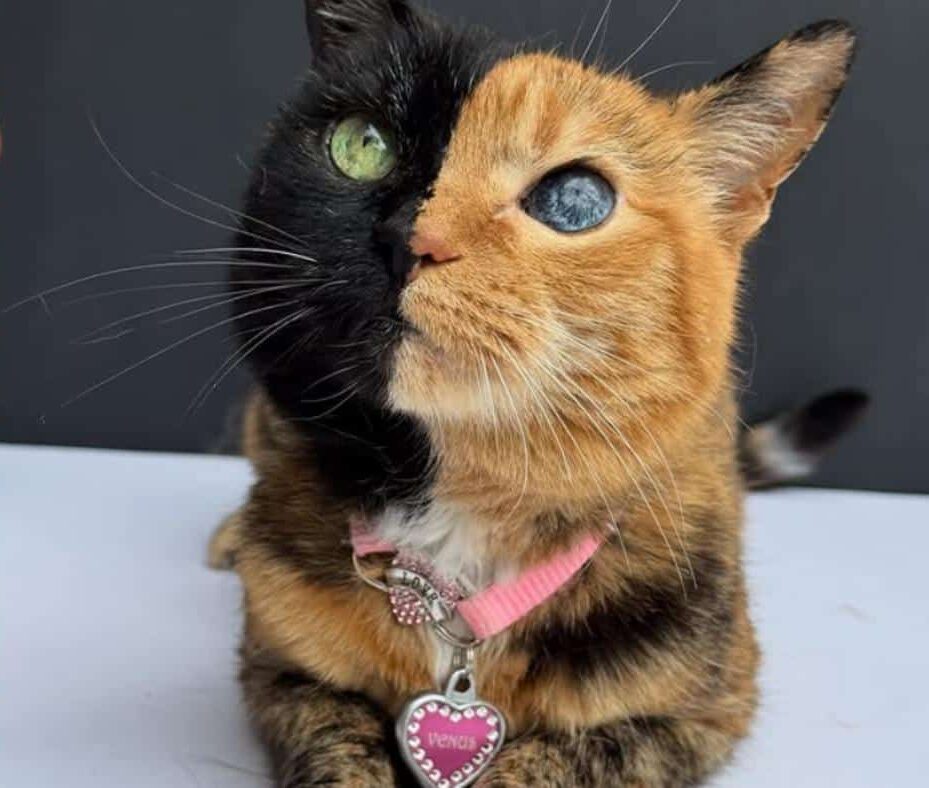
- Scientific Curiosity and Genetic Mystery: Venus’s facial split—one half entirely black with a striking green eye, the other entirely orange with a blue eye, meeting in a razor-sharp vertical line down her nose—baffled scientists. While popularly dubbed a "chimera cat" (an organism composed of two or more different sets of genetically distinct cells), geneticists like Dr. Leslie Lyons noted that Venus’s exact genetic makeup remained a fascinating anomaly, as she had never seen another feline marked quite like her.
- Mainstream Media Reach: Venus’s unique appearance propelled her onto major international television platforms, including NBC’s The Today Show, cementing her status as a household name.
- Disability Advocacy Through Roo: Roo represented a crucial step forward in disability representation within the pet community. As one of the earliest documented cats with radial hypoplasia whose daily life was broadcast to a mass audience, Roo demystified congenital limb differences. He proved that physical variation did not preclude a life filled with agility, curiosity, and boundless joy—paving the way for subsequent internet icons like Tater Tot, another radial hypoplasia cat who shared their extended animal family.
Official Statements and Family Reflections
The emotional weight of the double loss was communicated candidly by owner Christina through public updates that resonated deeply with millions of followers. Reflecting on Roo’s transformation from an abused rescue into a trusting companion, Christina noted:
"For a cat who had once been frightened of being held, there was something especially poignant about his final choice to settle completely into familiar arms."
On the simultaneous loss of Venus and the profound bond she shared with Roo, Christina shared her intimate reflections on grief and animal intuition:
"I couldn’t help wondering whether losing Roo had been more than Venus’s tired little heart could bear… After nearly 12 years together, perhaps that is the image worth holding onto most. They were known around the world because of the qualities that made them extraordinary, but to the family grieving them now, they were simply two deeply loved cats who shared a home, a life, and a remarkable friendship."
Future Outlook: The Enduring Legacy of Venus and Roo
The passing of Venus and Roo marks the closing chapter of a pioneering era in social media history. Yet, their impact extends far beyond the metrics of follower counts, viral videos, and television appearances.
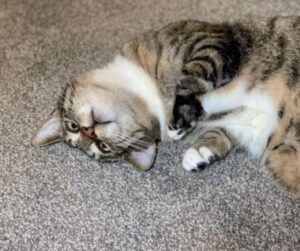
- Shifting Perceptions of "Imperfection": Both cats fundamentally altered how the public views animals with physical and genetic anomalies. By normalizing radial hypoplasia and genetic pigmentation mysteries, they encouraged prospective pet owners to look past superficial differences and embrace animals with specialized needs.
- Amplifying Animal Welfare: Their massive digital platforms were frequently leveraged to support broader rescue initiatives, shelter funding, and advocacy for special-needs animals, translating internet fame into tangible real-world rescue efforts.
- Redefining Pet Loss and Grief: The family’s public sharing of their dual grief has sparked broader conversations within the pet-lover community regarding anticipatory grief, the mental and physical toll of simultaneous pet loss, and the emotional synchronization often observed in bonded animal companions.
As the digital dust settles on the social media pages that once brought daily joy to millions, the true legacy of Venus and Roo remains anchored in the hearts of those who loved them. They did not need to look or move like ordinary cats to live extraordinary lives, and through their memory, they have permanently expanded our capacity for empathy, wonder, and unconditional love.