Behind the multi-billion-dollar pet food industry lies a complex, often opaque regulatory network responsible for dictating what enters the food bowls of millions of companion animals. At the center of this framework is the Association of American Feed Control Officials (AAFCO). While not a federal regulatory agency itself, this private organization crafts the model laws and ingredient definitions adopted by individual state departments of agriculture and overseen in tandem with the U.S. Food and Drug Administration (FDA).
At AAFCO’s recent bi-annual proceedings in San Diego, California, a stark divide emerged between industry practice, regulatory oversight, and consumer expectation. The conference exposed critical vulnerabilities in the modern pet food supply chain, including:
Regulatory debates that threaten to blur the legal distinction between low-grade rendered waste and higher-tier ingredient meals.
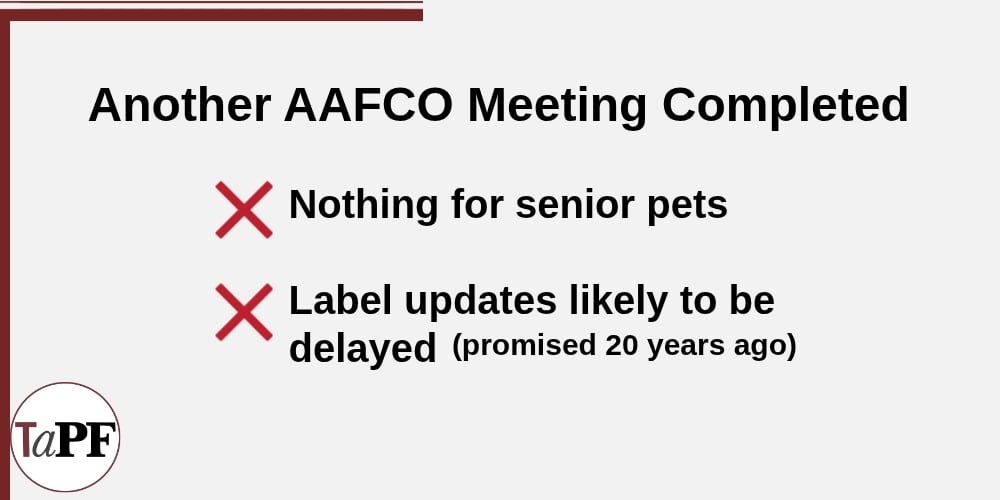
Decades-long delays in implementing basic label modernization mandates passed by Congress in 2007.
A systemic failure to establish nutritional profiles for aging pets, leaving senior animals vulnerable to dietary deficiencies.
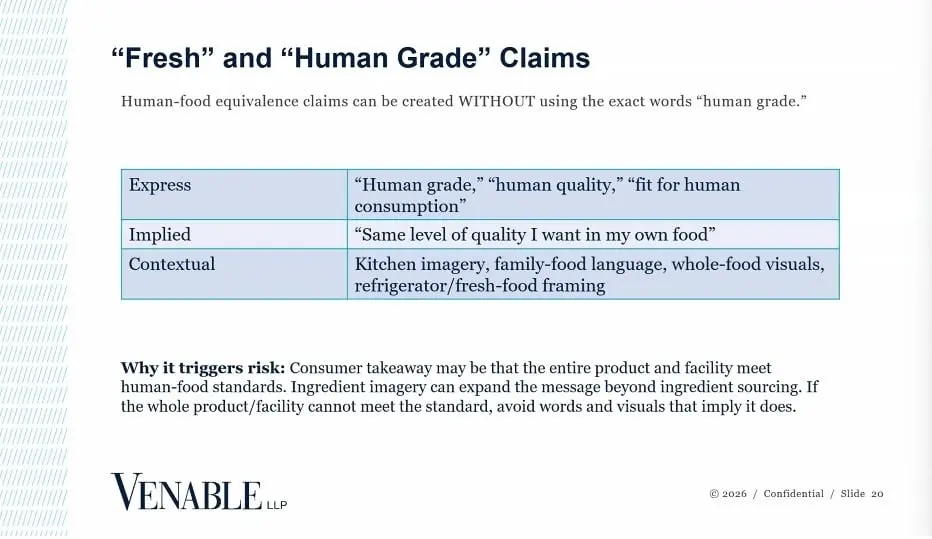
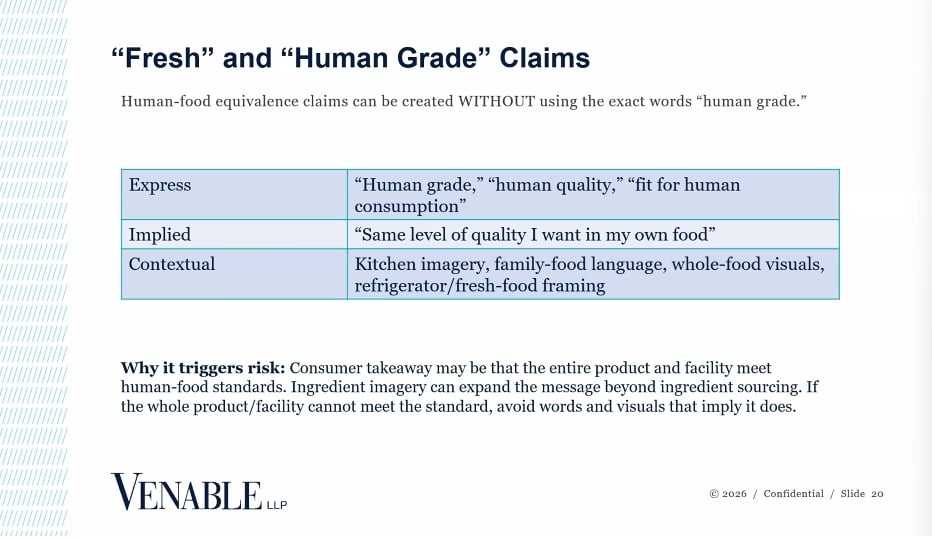
Growing legal liabilities facing manufacturers that utilize deceptive packaging imagery—such as cuts of prime steak or roasted chicken—to mask highly processed, rendered contents.
As state and federal regulators met alongside corporate stakeholders and consumer advocates, the proceedings revealed an administrative process bogged down by analytical hurdles, regulatory inertia, and deep-seated conflicts of interest.
Detailed Chronology of Committee Proceedings
+-----------------------------------------------------------------------------------+
|                           AAFCO SAN DIEGO PROCEEDINGS                             |
+-----------------------------------------------------------------------------------+
                                          |
        +---------------------------------+---------------------------------+
        |                                 |                                 |
        v                                 v                                 v
[Ingredient Definitions]       [Current Issues & Outreach]        [Pet Food Committee]
  • Ash minimum in MBM           • Label Modernization delay        • PFLM state gridlock
  • MBM vs. Meat Meal            • Dietary fiber testing flaw       • Senior diet gaps
  • Pentobarbital risk           • Fall/2027 education plan         • Imagery litigation
Ingredient Definitions Committee: The Ash Percentage Debate and Rendering Realities
The most contentious discussion occurred within the Ingredient Definitions Committee regarding Section 9.41 of the Official Publication, which governs Meat and Bone Meal (MBM). The current definition establishes MBM as:
"The rendered product from mammal tissues, including bones, exclusive of any added blood, hair, hoof, horn, hide trimmings, manure, stomach and rumen contents, except in such amounts as may occur unavoidably in good processing practices… The total ash content for the product should contain a minimum of 28% ash."
The debate centered on a proposal to delete the mandatory 28% minimum ash content requirement.
┌────────────────────────────────────────────────────────────────────────┐
│                        DEFINITIONAL DISTINCTION                        │
├───────────────────────────────┬────────────────────────────────────────┤
│ Meat Meal                     │ Meat and Bone Meal (MBM)               │
├───────────────────────────────┼────────────────────────────────────────┤
│ • Lower overall ash content   │ • Minimum 28% Ash Content              │
│ • Perceived as higher quality │ • Rendered mammal tissue + bone        │
│ • Often marketed premium      │ • Includes non-added hide/manure/hair  │
│ • Sourced from rendered tissue│ • FDA identified pentobarbital risk    │
└───────────────────────────────┴────────────────────────────────────────┘
Supporters of the removal argued for flexibility, but opponents pointed out that ash content is the primary legal mechanism distinguishing Meat and Bone Meal from standard Meat Meal. Deleting the ash threshold would effectively collapse the boundary between the two ingredients, allowing suppliers to rebrand low-grade MBM as standard Meat Meal without changing the underlying material.
This technical distinction carries profound implications for ingredient quality:
The Legal Loophole of "Added" Waste: The phrasing "exclusive of any added blood, hair, hoof, horn, hide trimmings, manure…" means these materials cannot be intentionally introduced as standalone additives. However, because they are present in whole, uneviscerated animal carcasses, they remain legally permissible within the rendered end-product.
Pentobarbital Contamination Risks: MBM has historically served as a repository for fallen stock, diseased animals, and non-slaughterhouse mammalian sources. FDA analytical surveys have consistently identified rendered or hydrolyzed ingredients—specifically Meat and Bone Meal, Beef and Bone Meal, Animal Fat, and Animal Digest—as the primary vectors for pentobarbital contamination, a euthanasia chemical used on dead or dying livestock and companion animals.
Equivalency of Sourcing: Regulatory and corporate participants acknowledged during open discussion that both Meat Meal and Meat and Bone Meal frequently derive from dead, decomposing, or condemned raw materials. The debate focused exclusively on chemical definitions rather than improving the safety or origin of the underlying feedstock.
Current Issues and Outreach Committee: Label Modernization and Methodological Flaws
The Current Issues and Outreach Committee shifted focus to the long-delayed Pet Food Label Modernization (PFLM) initiative.
                               PFLM TIMELINE

  2007          2009          2023                   2030
---|-------------|-------------|----------------------|--->
 Congressional  Original      AAFCO Finalized        Current Target
 Mandate        FDA Deadline  Label Updates          Implementation
Congress passed the Ensuring the Safety of Pet Food act in 2007, directing the FDA to update pet food labeling standards within two years (by September 2009). The FDA delegated the technical development of these regulations to AAFCO. The organization took 16 years to finalize the updated guidelines in July 2023, setting a compliance deadline of 2030—a 21-year delay from the original federal mandate.
In San Diego, committee members highlighted new technical obstacles that threaten to delay implementation even further:
Dietary Fiber Disclosure Challenges: Proposed updates require explicit labeling of dietary fiber percentages. However, industry testing laboratories lack standardized, reliable testing methods to quantify dietary fiber accurately across diverse product formats.
Matrix Failures in High-Moisture Diets: Existing analytical methods fail when applied to high-moisture foods, including canned formulations, fresh-cooked products, and raw commercial diets.
Industry Push for Delays: Citing these analytical limitations, industry representatives formally requested a postponement of the dietary fiber disclosure requirement, raising concerns among consumer advocates that PFLM implementation could slip past the 2030 target.
Pet Food Committee: Adoption Gridlock, Senior Nutrition Gaps, and Legal Risks
The Pet Food Committee session focused on systemic roadblocks to standardized rules, along with significant public health and legal vulnerabilities across the sector.
International and State-Level Regulatory Friction
Multiple state feed control officials expressed reluctance to incorporate AAFCO’s modernized labeling rules into their respective state codes. Simultaneously, export-oriented manufacturers reported that regulatory bodies in major foreign markets do not recognize AAFCO’s revised label formats, creating trade friction for international brand distribution.
Senior Pet Nutritional Deficiencies
The committee reviewed research regarding nutrient intake in aging pets. Because older animals generally exhibit reduced metabolic rates and lower physical activity, veterinarians frequently recommend feeding smaller portion sizes of adult maintenance diets.
An FDA representative acknowledged that reducing feed volume without adjusting nutrient density often leads to severe micronutrient deficiencies in senior pets. Despite this risk, neither the FDA nor AAFCO proposed mandatory nutritional profiles tailored for senior animals. Instead, brands may continue marketing products labeled for "Senior Pets" without meeting distinct nutritional criteria, leaving aging animals at risk of sub-clinical malnutrition.
       SENIOR DIET PROFILE GAP

       Standard Adult Diet Formulation
       ┌───────────────────────────────┐
       │ Caloric Density: High         │
       │ Nutrient Density: Standard    │
       └───────────────┬───────────────┘
                       │
                       │ Recommended Portion Reduction (Less Activity)
                       v
       ┌───────────────────────────────┐
       │ Caloric Intake: Adequate      │
       │ Micronutrient Intake: DEFICIENT│  <-- No AAFCO Senior Standard
       └───────────────────────────────┘
Packaging Imagery and False Advertising Liabilities
Todd Harrison, a partner at the food and drug law firm Venable LLP, delivered a presentation warning manufacturers against using deceptive graphics on product packaging.
Harrison cautioned that displaying imagery of human-grade ingredients—such as whole roasted chicken breasts, raw cuts of sirloin, or fresh vegetables—on packaging containing heavily processed, rendered meat meals creates significant legal exposure under consumer protection laws. He indicated that class-action litigation targeting misleading packaging imagery is likely to increase as consumer awareness grows.
Supporting Context & Regulatory Metrics
The structural friction within AAFCO stems from its operational model: voting power is restricted to state and federal regulatory officials, but committee proceedings rely heavily on industry working groups and trade association funding.
+------------------------------------------------------------------------------------+
|                         PET FOOD REGULATORY JURISDICTION                           |
+------------------------------------------------------------------------------------+
                                          |
        +---------------------------------+---------------------------------+
        |                                 |                                 |
        v                                 v                                 v
[U.S. Congress]                   [U.S. FDA / CVM]                  [AAFCO / States]
  • 2007 Mandate                    • Federal Authority               • Model Regulations
  • Legislative Intent              • Pentobarbital Surveys           • State Law Adoption
The 21-Year Regulatory Gap
The timeline below illustrates the delay in executing Congressional directives for pet food labeling reform:
Milestone Event
Target Date
Actual Completion Date
Delay Duration
Congressional Mandate Passed
2007
2007
N/A
Original FDA Deadline
September 2009
Unmet
Delegated to AAFCO
AAFCO Model Rules Finalized
~2011 (Expected)
July 2023
12-Year Delay
Mandatory Enforcement Date
2009
2030 (Projected)
21-Year Total Gap
Historical Pentobarbital Survey Data Context
The safety concerns surrounding rendered ingredients like MBM stem from multi-year FDA Center for Veterinary Medicine (CVM) investigations. The CVM’s analytical findings established direct connections between euthanasia chemicals and rendered ingredient matrices:
                  PENTOBARBITAL DETECTION FREQUENCY

 Rendered Ingredients (MBM, Animal Fat)  [====================] HIGH RISK
 Non-Rendered Whole Proteins (Chicken)   [==] LOW / NEGLIGIBLE
High-Risk Components: Meat and Bone Meal (MBM), Beef and Bone Meal (BBM), Animal Fat (AF), and Animal Digest (AD).
Contamination Vector: Euthanized livestock, horses, and shelter animals processed through rendering facilities where high temperatures denature proteins but fail to degrade the pentobarbital molecule.
Regulatory Compliance: While federal law bans pentobarbital in animal feed, structural enforcement remains limited due to resource constraints and the challenge of tracing rendered batches back to raw material suppliers.
Official Statements and Stakeholder Perspectives
Regulatory & Legal Counsel
Speaking on behalf of corporate regulatory defense, Todd Harrison (Partner, Venable LLP) cautioned the assembly regarding marketing practices:
"Pet food manufacturers take on significant legal risk when ‘ingredient imagery’ on labels or promotional websites does not accurately reflect the raw material composition of the product. Using visual depictions of prime human-grade meats when the underlying protein is derived from rendered meals creates actionable exposure under federal and state consumer protection statutes."
Consumer Advocacy Analysis
Susan Thixton, pet food consumer advocate and founder of TruthaboutPetFood.com and the Association for Truth in Pet Food, criticized the committee’s focus on definitions over quality standards:
"Their open discussion confirmed that industry and regulatory officials are well aware both ingredient classes are commonly sourced from the absolute lowest-quality raw materials, including dead and decomposing animals. The discussion revealed a focus on the wording of definitions rather than the real-world quality, legality, or safety of the feed entering consumer homes."
Future Outlook
The takeaways from AAFCO’s San Diego meeting point to ongoing friction between commercial practices, state oversight, and consumer expectations. Key issues to watch include:
                            KEY UPCOMING DEVELOPMENTS
                                        │
        ┌───────────────────────────────┼───────────────────────────────┐
        ▼                               ▼                               ▼
[Dietary Fiber Testing]     [Class-Action Litigation]      [Orlando AAFCO Meeting]
  Laboratory protocols        Targeting packaging imagery    Focus on state adoption &
  fail on wet/fresh diets     and "human-grade" claims       senior profile gaps
Fiber Methodology Gridlock: The lack of reliable testing protocols for dietary fiber in wet, raw, and fresh food matrices will remain a key pressure point. Industry groups are expected to leverage these analytical limits to seek formal extensions for Pet Food Label Modernization requirements past 2030.
Rising Litigation Risk: Packaging featuring high-end ingredient depictions paired with low-cost rendered ingredients leaves manufacturers open to deceptive marketing lawsuits. Class-action firms are increasingly using AAFCO definitions to challenge package claims in court.
Persisting Senior Diet Vulnerabilities: Without dedicated AAFCO nutritional profiles for senior dogs and cats, consumers must rely on independent veterinary consultation rather than front-of-package marketing claims to ensure proper aging diet formulations.
The Road to Orlando: Regulatory authorities and industry stakeholders will reconvene at the next bi-annual AAFCO meeting in Orlando, Florida. Key items on the agenda include state-level adoption of modernized labeling laws, unresolved ingredient definitions, and updated testing standards for fresh food formats.