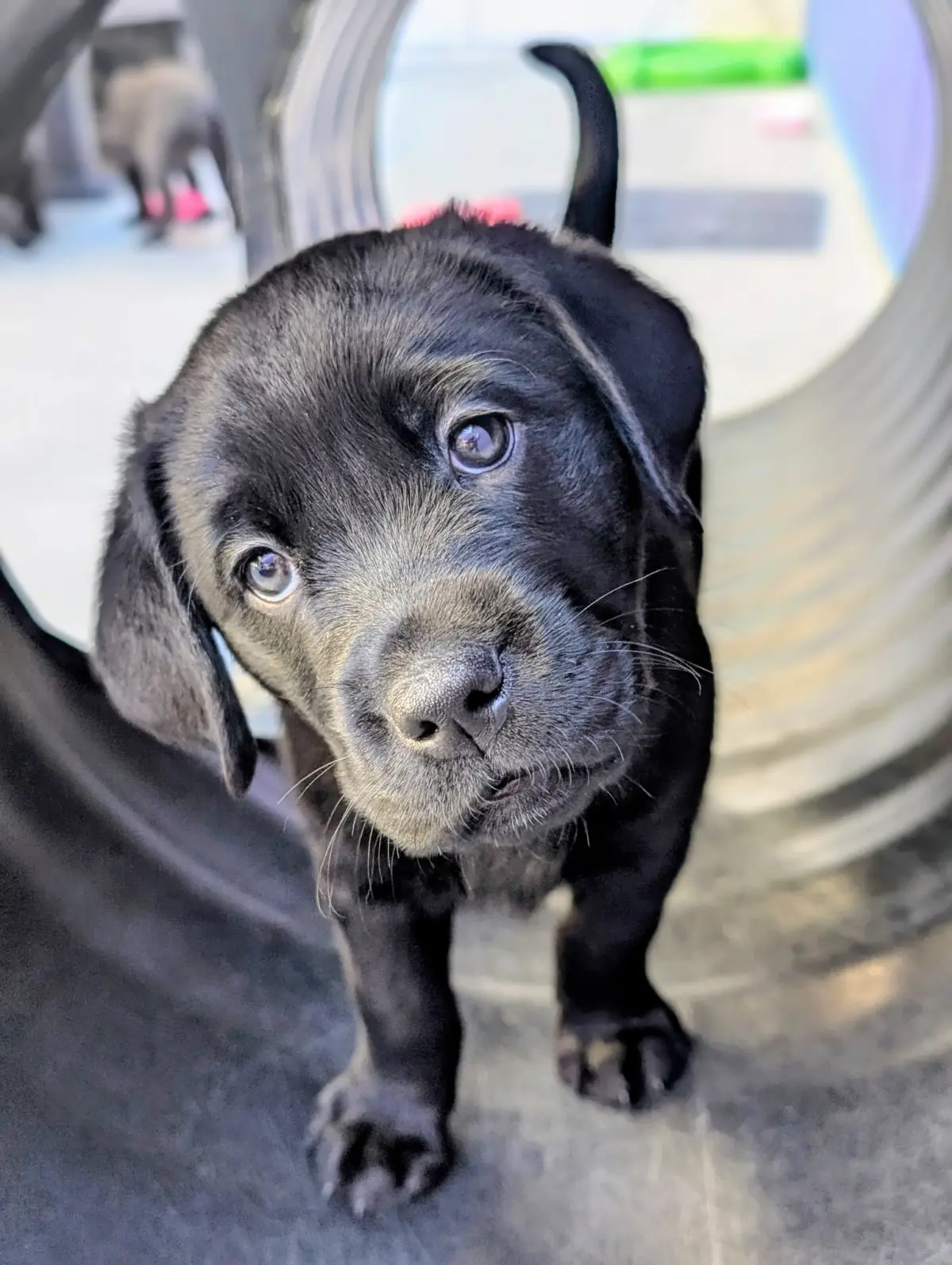
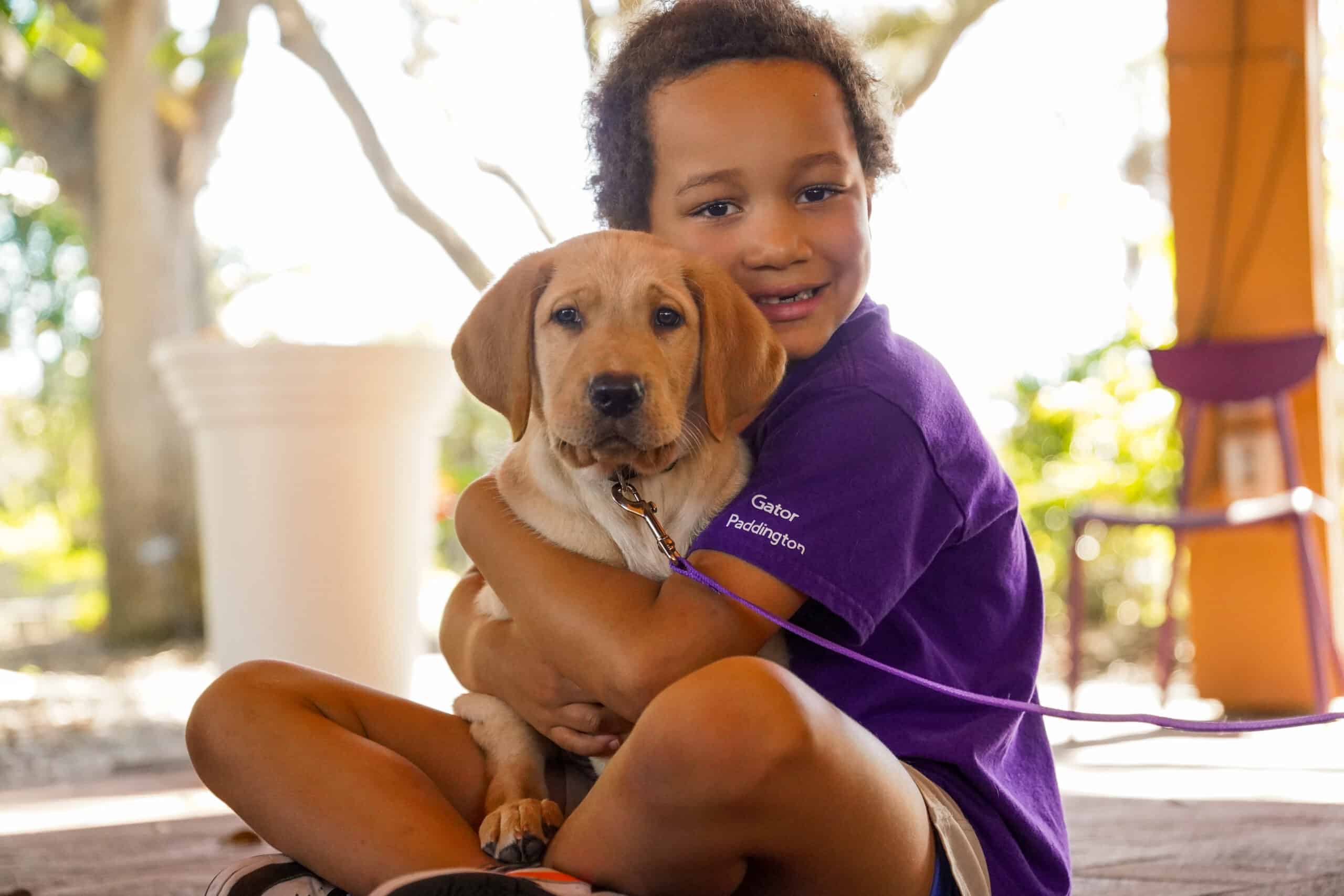
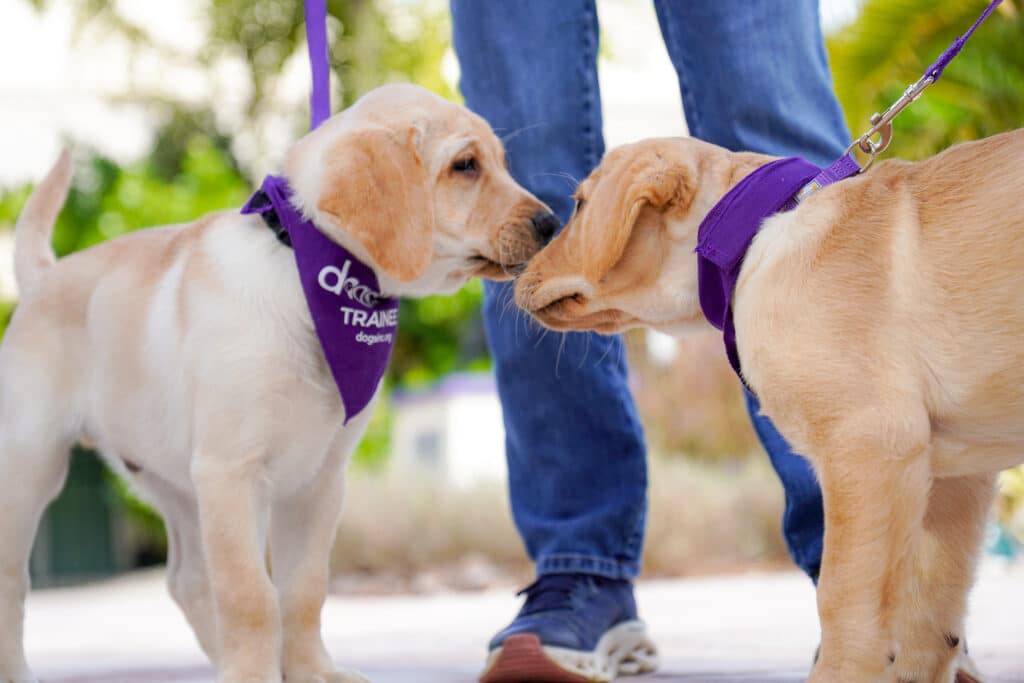
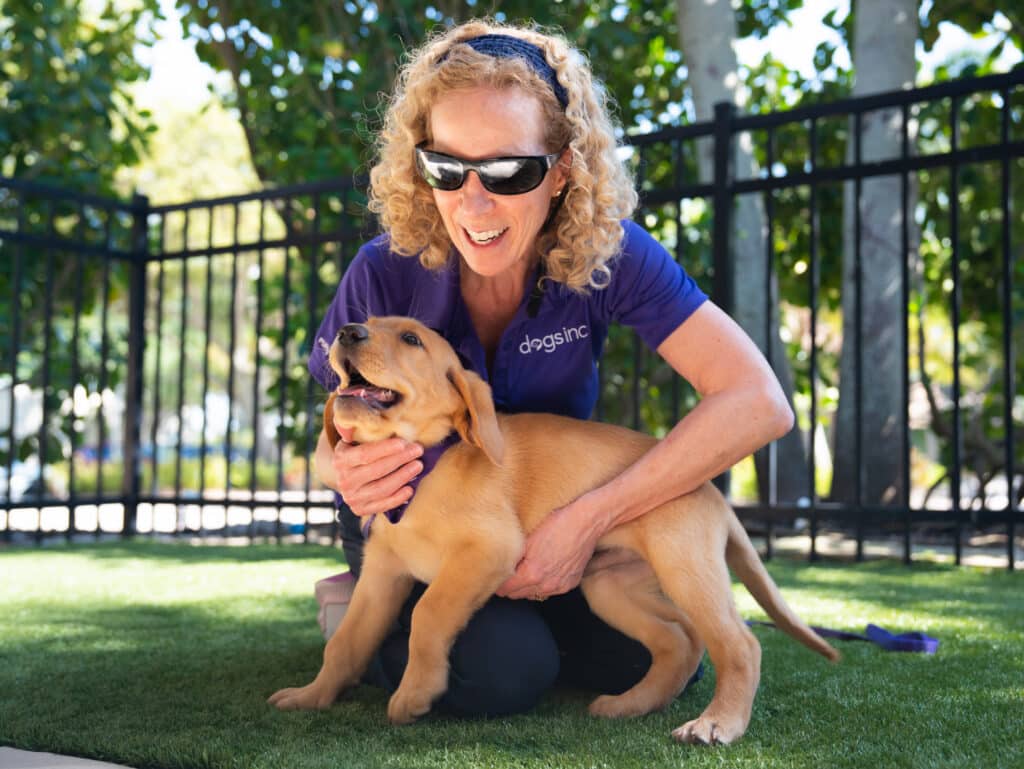
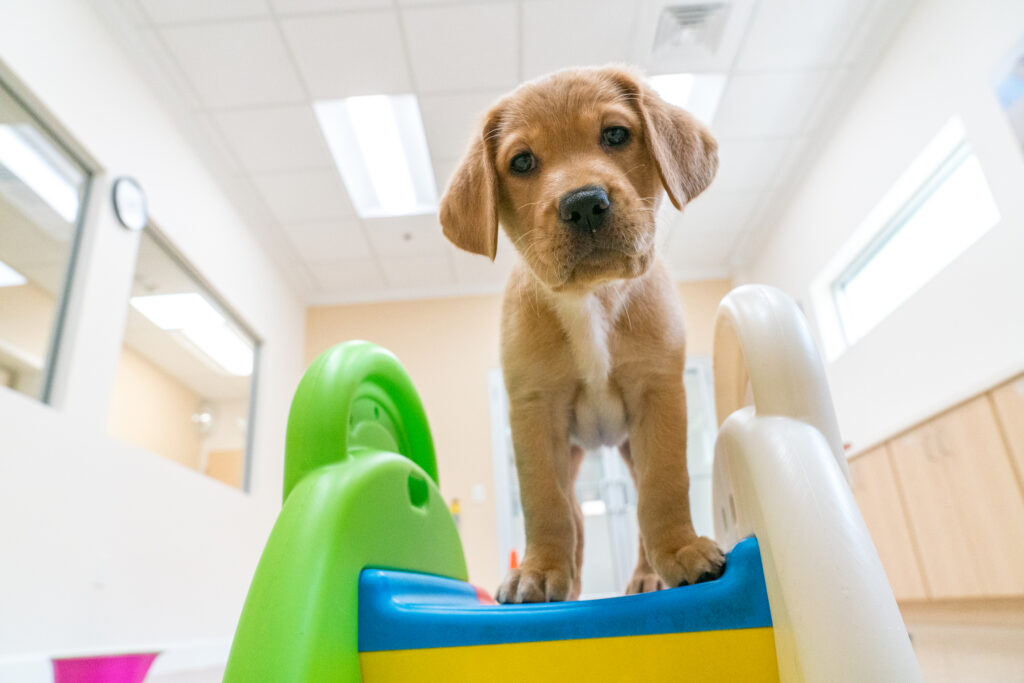
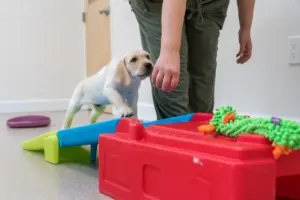
By the time the average person encounters a puppy, a profound and critical educational journey is already well underway. Far from being a blank slate, a young dog enters the world with a rapidly developing neurological system that absorbs, interprets, and categorizes environmental stimuli from the moment of birth. For future guide dogs and professional service animals, these formative chapters carry monumental weight. The initial 90 days of a puppy’s life represent a foundational window—shaping emotional resilience, neurochemical stress responses, problem-solving capabilities, and lifelong behavioral traits.
At organizations like Dogs Inc, this critical period is approached with scientific precision, deep empathy, and an organized community framework. Volunteer puppy raisers, temporary puppy sitters, and dedicated area coordinators step in during these early milestones to construct an unshakeable psychological foundation. Long before these dogs are introduced to advanced, task-specific training, they must master a more fundamental curriculum: learning how to trust human handlers, remaining calm amidst urban chaos, and navigating a loud, unpredictable world without panic.
This deep dive explores the mechanics of early canine development, the heavy lifting performed by volunteer puppy raisers, the distinct operational differences in raising a service dog versus a pet, and the enduring lessons everyday owners can glean from professional service dog pipelines.
Detailed Chronology: The Blueprint of the First 90 Days
To understand why the first three months of a puppy’s life dictate their future success, canine behaviorists look at the distinct biological stages of early growth. Development during this timeframe is non-linear, marked by explosive cognitive leaps and specific sensory milestones.
Weeks 1 to 4: The Neonatal and Transitional Phases
During the first month, a puppy is entirely dependent on its mother and littermates. Sensory organs are initially sealed; eyes and ear canals remain closed during the neonatal phase, leaving tactile warmth, scent, and taste as the primary modes of interaction.
As puppies transition into the second and third weeks, their eyes open, hearing begins to sharpen, and the first tentative steps are taken. Within the litter, early social behaviors emerge. Through gentle wrestling, vocalizations, and physical contact with littermates, puppies begin learning the foundational boundaries of canine communication—including bite inhibition, which occurs when a puppy bites a sibling too hard, prompts a yelp, and learns to moderate its jaw pressure.
Weeks 5 to 8: The Awakening of Curiosity
By the fifth and sixth weeks, neurological development accelerates exponentially. Puppies transition from reactive organisms to active explorers. Their brains begin to process complex environmental data, and their curiosity begins to significantly outweigh their fear responses. This is the optimal window for introducing the building blocks of domestic life: gentle human handling, soft tactile surfaces (such as grass, tile, and carpet), and varied, non-threatening household sounds like vacuum cleaners, falling pots, and televisions.
Weeks 9 to 12+ (The Critical Socialization Window): Building Emotional Resilience
Entering the broader world around week nine, puppies hit what animal behavior experts universally identify as the critical socialization window. During this phase, the brain is uniquely wired to accept new people, animals, environments, and routines as normal and safe.
However, this is also a delicate threshold. Negative encounters or traumatic shocks experienced during this period can leave deep psychological impressions, potentially manifesting as chronic fear or reactivity later in life. Conversely, carefully managed, positive exposures build an emotional buffer. Short public outings, introductory crate training, meeting friendly strangers, and experiencing varied terrain teach the young dog a vital lesson: novelty equals safety.
Supporting Context & Metrics: The Science of Service Dog Preparation
Raising a service dog is an exercise in applied behavioral science. Unlike pet dogs, which are bred and raised primarily for companionship within a single household environment, guide and service dogs must possess a specialized temperament characterized by "intelligent disobedience," extraordinary focus under distraction, and unwavering emotional stability.
The Physiology of Adaptability
Research into canine developmental psychology indicates that early environmental enrichment physically alters brain structure. Puppies exposed to diverse stimuli exhibit increased neurogenesis—particularly within the hippocampus, the region responsible for memory and emotional regulation. For a service dog destined to guide a visually impaired handler through bustling city streets or mitigate symptoms for a veteran with PTSD, this neurological density translates directly to operational calm.
To quantify success, organizations track several developmental metrics across the first 90 days and beyond:
Recovery Latency: The speed at which a puppy returns to a baseline physiological state after encountering a sudden startle (e.g., a dropped metal object or a passing siren). Lower latency indicates superior emotional resilience.
Novelty Engagement Index: A measure of a puppy’s willingness to approach unfamiliar objects, surfaces, or individuals voluntarily, rather than shrinking away or displaying defensive posturing.
Frustration Tolerance: The ability of a puppy to maintain emotional composure when denied immediate access to a desired resource (such as food, toy, or open space), which is a prerequisite for impulse control tasks later in life.
The Infrastructure of Support at Dogs Inc
Achieving these benchmarks requires more than just good intentions; it requires an organized support ecosystem. At Dogs Inc, the journey of a future service or guide dog is sustained by a robust network of volunteers. Puppy raisers do not work in isolation. They are supported by regional puppy raising managers, experienced mentors, and temporary "puppy sitters" who step in when raisers travel or face family obligations. This collaborative safety net ensures that the puppy’s routine remains consistent, reinforcing positive behaviors across multiple handlers and environments.
Official Statements: Perspectives from the Front Lines of Canine Development
The intangible qualities that make a service dog successful—patience, consistency, and an understanding of canine communication—are best articulated by those who dedicate their time to the craft.
"When a puppy comes into our program, we aren’t just teaching them how to sit or walk nicely on a leash; we are actively wiring their worldview," explains a senior canine development specialist at Dogs Inc. "Every surface they walk on, every sound they hear, and every person they meet writes a line of code in their developing brain. Our goal is to ensure that code says the world is a fascinating, safe, and manageable place."
Volunteer puppy raisers share a similar perspective, noting that the work demands emotional investment paired with strict adherence to structure.
"Raising a future guide dog is unlike any other experience," shares a veteran volunteer puppy raiser with Dogs Inc. "You realize very quickly that perfection isn’t the goal—progress is. You have a tiny creature looking at you to figure out if a loud truck or a crowded elevator is something to panic over. When you remain calm, they learn to remain calm. Watching them grow from a wobbly, unsure puppy into a confident, poised adolescent ready for professional training is profoundly humbling."
Program administrators emphasize that the community aspect of raising is what transforms ordinary households into professional training incubators.
"It takes a village to raise a service dog," notes a Dogs Inc volunteer coordinator. "From the puppy sitters who take over for a weekend to the area coordinators who host monthly training meetings, every single participant is laying down the tracks for a life-changing partnership that will eventually grant someone independence."
Future Outlook: Lessons for Every Dog Owner
While formal service dog pipelines operate under rigorous guidelines, the fundamental principles governing the first 90 days hold universal value for pet owners, breeders, and animal welfare advocates alike.
Bridging the Gap Between Service and Pet Standards
As public awareness of canine behavioral science grows, the traditional model of pet ownership is evolving. Many of the proactive socialization techniques pioneered by guide and service dog organizations are finding their way into mainstream household training. Key takeaways for future puppy owners include:
Prioritize Exposure Over Isolation: Many owners make the mistake of keeping young puppies isolated at home until they are fully vaccinated. While veterinary health is paramount, behavioral health requires safe, controlled exposure to the world. Carrying a puppy through public spaces or hosting varied visitors safely bridges this gap.
Embrace Predictable Structure: Puppies thrive on routine. Consistent schedules for feeding, elimination, exercise, and enforced rest (using crate training as a positive sanctuary rather than a punishment) create emotional security.
Patience as a Metric of Success: Behavior modification is incremental. Just as service dog raisers track recovery latency and frustration tolerance, pet owners must recognize that undesirable behaviors (such as jumping, mouthing, or leash pulling) are developmental phases that require patient, positive redirection rather than harsh correction.
Looking Ahead
The future of guide and service dog breeding and raising points toward even greater data integration and personalized development tracks. By monitoring early behavioral markers during the first 90 days, organizations like Dogs Inc can better predict which career path—whether guide work, facility support, or specialized service tasks—best suits an individual dog’s unique temperament.
Ultimately, the first 90 days serve as a powerful reminder that the trajectory of a dog’s life is largely shaped by the humans who walk beside them. Through deliberate socialization, unwavering patience, and community-driven support, these early weeks transform ordinary puppies into extraordinary partners—ready to change lives, one step at a time.