
Executive Overview
While domestic felines are globally cherished for their enigmatic poise, independent streaks, and notoriously quiet nocturnal habits, a significant subset of the cat fancy shatters this stereotype entirely. Rather than relying solely on silent body language, scent-marking, or tactile communication, several distinct breeds have evolved—or been intentionally selected—to possess a remarkable vocal prowess. These chattier feline companions engage their human counterparts in complex, expressive dialogues, utilizing an expansive lexicon that transcends the traditional "meow."
This investigative feature explores the nuances of feline vocalization, dissecting the behavioral profiles, genetic predispositions, and registry standards of the 12 most vocal cat breeds. From the demanding, resonant calls of the Siamese to the melodious, gentle trills of the Maine Coon, we examine why these specific lineages have mastered the art of interspecies conversation. Furthermore, this report incorporates expert behavioral insights, official breed standards from authoritative bodies such as the Cat Fanciers’ Association (CFA) and The International Cat Association (TICA), and answers to frequently asked questions regarding feline acoustics.
Detailed Chronology and Evolutionary Context of Feline Vocalization
To understand why certain cat breeds are exceptionally vocal, one must first look at the evolutionary trajectory of Felis catus. In the wild, solitary feline ancestors relied very little on vocal communication with adults of their own species. Adult cats generally reserved vocalizations such as hisses, growls, and yowls for aggressive encounters, territorial defense, or mating rituals. Prolonged, high-pitched meowing was primarily restricted to the vulnerable relationship between a nursing queen and her dependent kittens.
The domestication timeline, which accelerated approximately 10,000 years ago in the Fertile Crescent, fundamentally altered this dynamic. As cats integrated into human agricultural societies, those individuals that could effectively communicate their needs to humans—securing food, shelter, and protection—enjoyed a distinct survival advantage.
Over the past few centuries, selective breeding programs solidified distinct physical and psychological traits. Breeds originating from specific geographical or closed gene pools—most notably the natural and man-made lineages of Southeast Asia (such as the Siamese and Burmese)—retained or amplified high levels of social interaction and vocal feedback. The chronological development of these breeds showcases a deliberate preservation of communicative traits, transforming the domestic cat from a silent mouser into an articulate, conversational household member.
The 12 Most Vocal Cat Breeds: An Authoritative Breakdown
1. Siamese
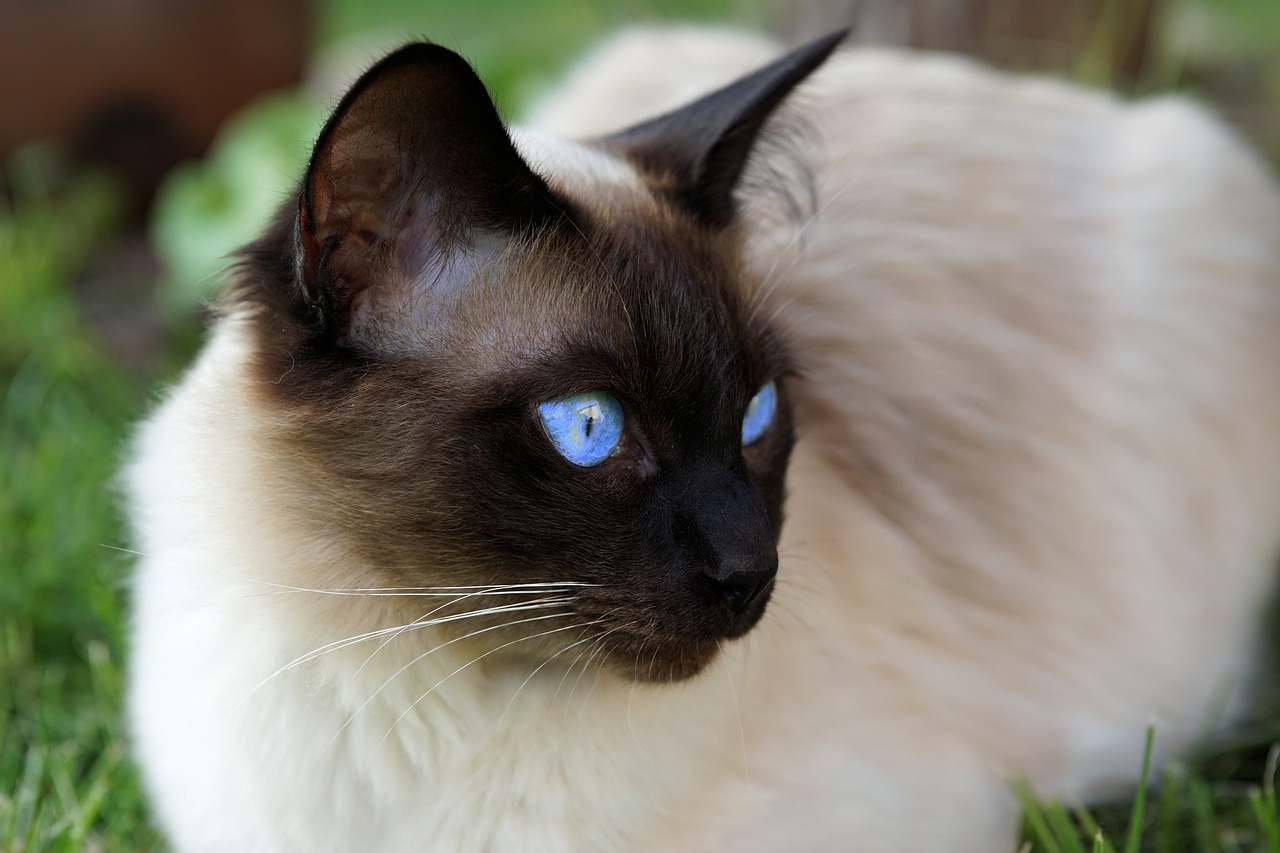
Widely recognized as the undisputed monarch of chatty felines, the Siamese cat possesses a distinct vocalization style officially acknowledged by the Cat Fanciers’ Association (CFA) breed standard. Unlike the soft murmurs of other breeds, the Siamese voice is famously loud, resonant, and remarkably expressive. Often described as having a human-like, plaintive quality (sometimes resembling a human infant in distress), a Siamese cat uses its vocal range to demand attention, voice displeasure, or simply narrate its daily routine. They are profoundly social animals that expect their human companions to maintain a constant, two-way dialogue.
2. Maine Coon
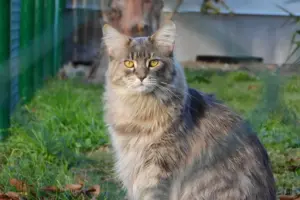
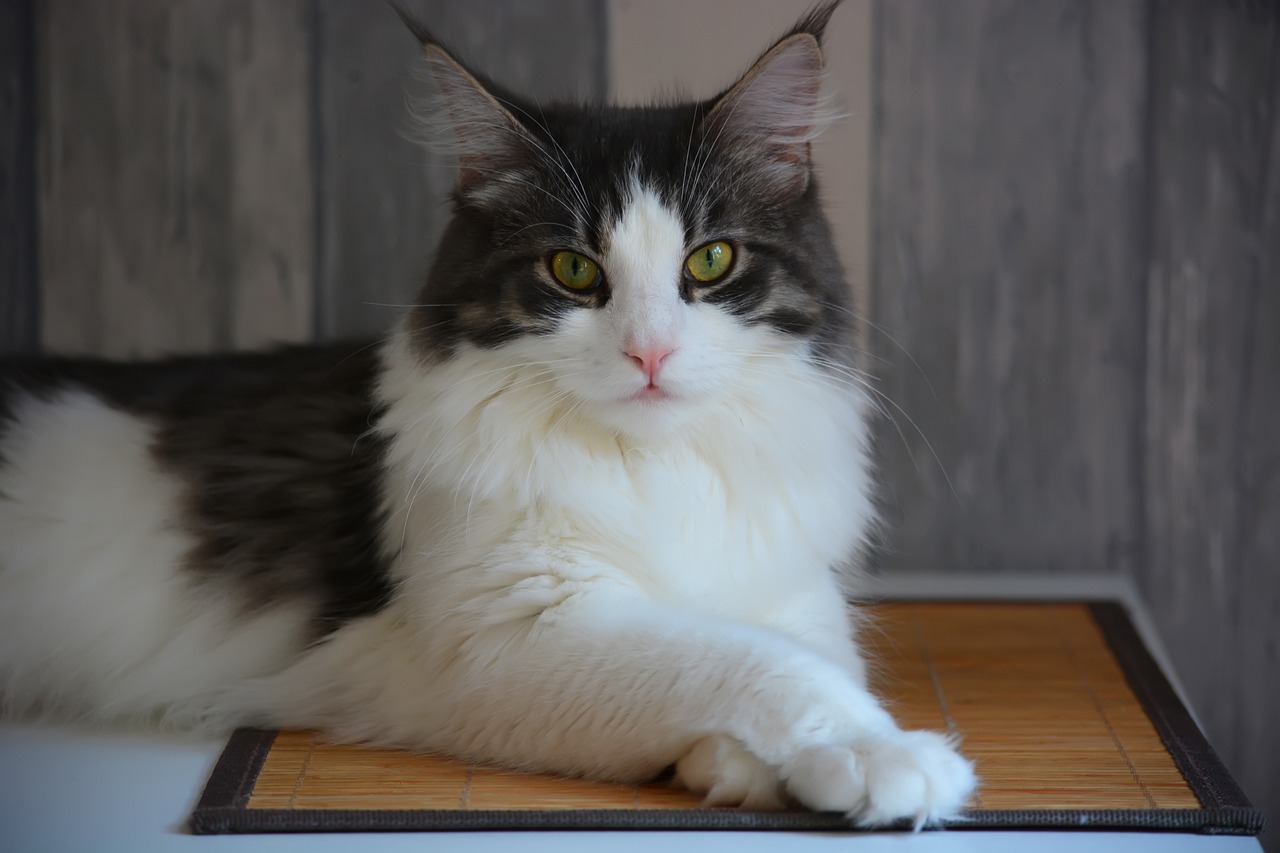
Despite ranking among the largest domesticated cat breeds, the Maine Coon surprises owners with an uncommonly soft and melodious voice. Documented extensively within the CFA Maine Coon breed profile, these gentle giants rarely resort to harsh yowls. Instead, they communicate using an array of high-pitched chirps, trills, and soft chirruping noises. While they are far less demanding than their Siamese counterparts, Maine Coons are deeply conversational, frequently responding to human speech with cheerful melodic inflections.
3. Burmese
Renowned for their exceptional people-oriented disposition, Burmese cats exhibit a profound love for verbal interaction. Their vocalization style is characterized by a sweet, remarkably soft voice that lacks the abrasive edge sometimes found in other chatty breeds. Burmese cats utilize their vocal cords primarily to seek out human affection, announce their arrival in a room, or gently remind their owners that it is time for play or mealtime.
4. Bengal
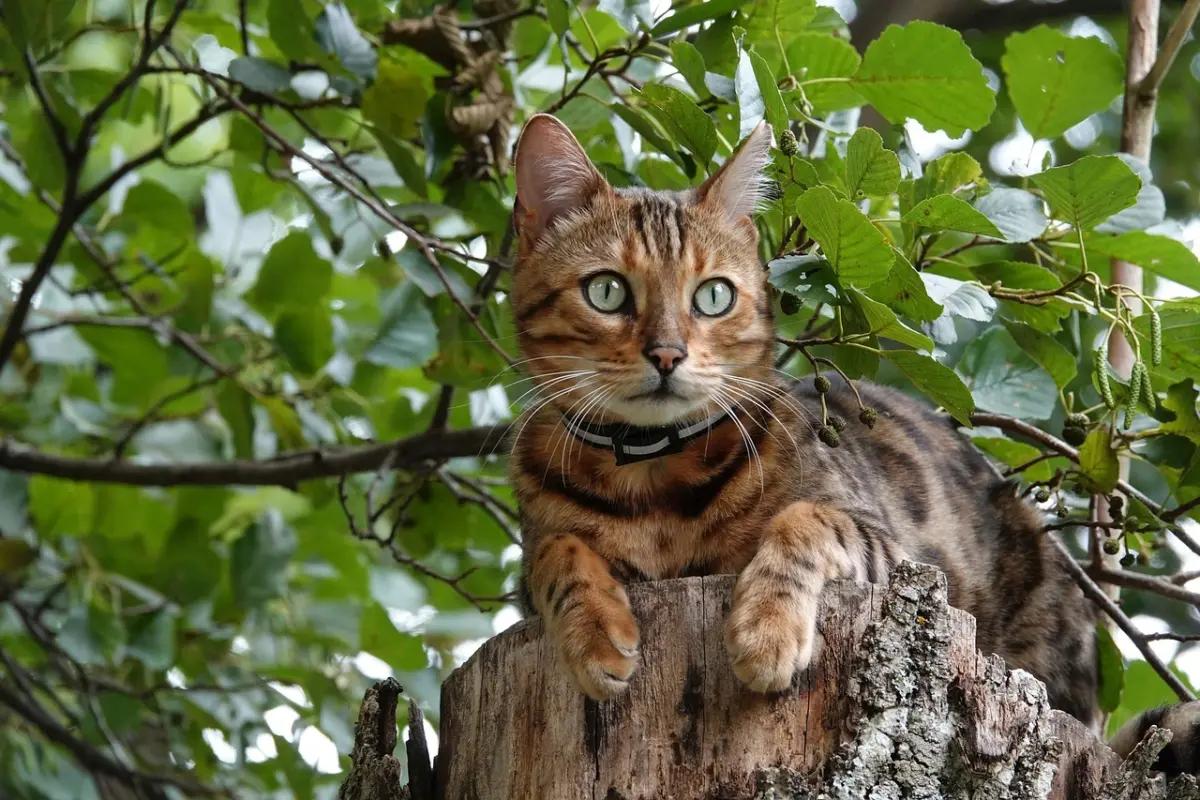
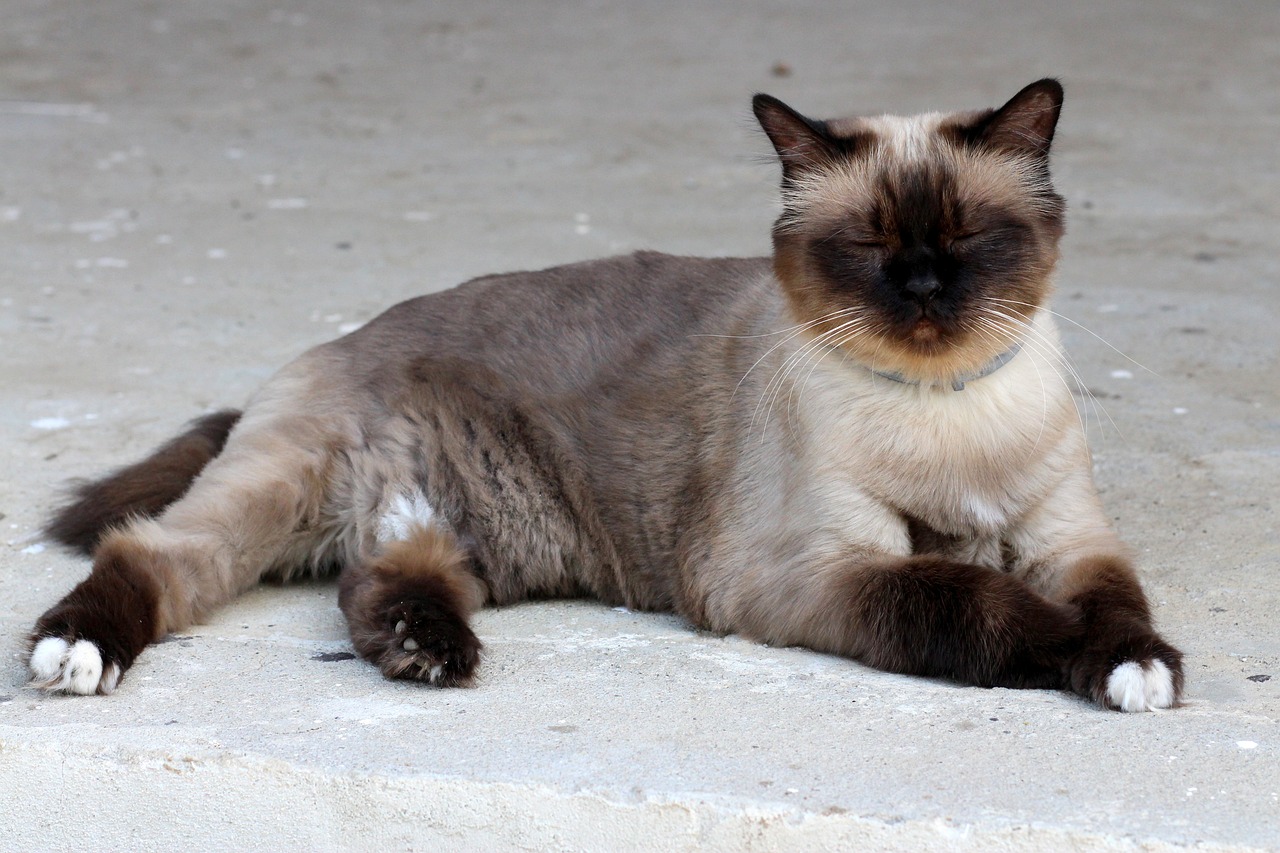
Forged from the hybridization of the Asian Leopard Cat (Prionailurus bengalensis) and domestic felines, the Bengal is as vocally striking as its mesmerizing coat. According to the TICA Bengal breed standard, their temperament is intensely active, intelligent, and inquisitive. This high energy translates directly into an expansive vocal repertoire. Bengals are known to produce an array of sounds that include traditional meows, chirps, clicks, and robust yowls, often deployed when their immense curiosity or desire for stimulation goes unaddressed.
5. Sphynx
The hairless Sphynx is instantly recognizable by its striking morphology, but seasoned owners know that its personality is equally unforgettable. Highly affectionate, extroverted, and famously seeking out warm human contact, Sphynx cats are enthusiastic conversationalists. They frequently employ a raspy, welcoming meow to initiate human interaction, ensuring they remain the center of attention within the household.
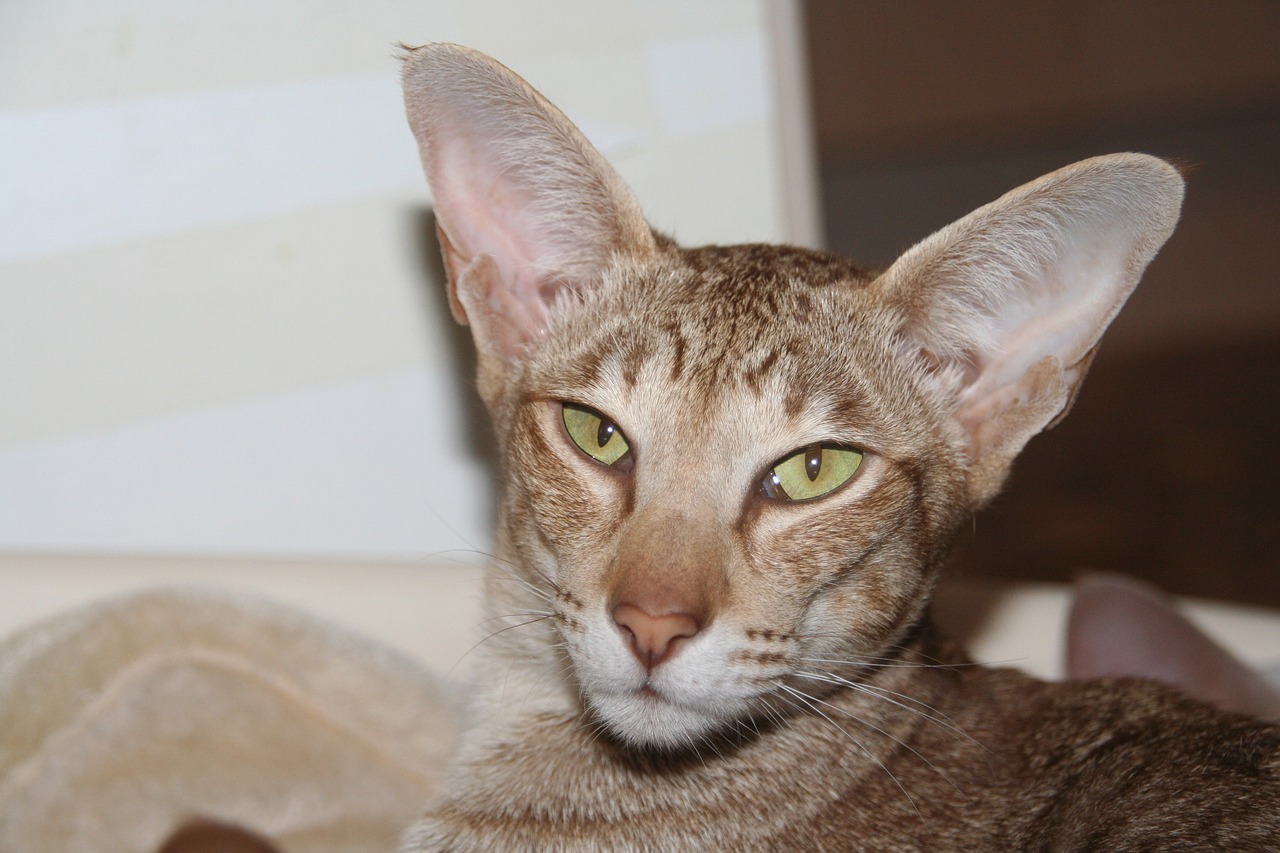
6. Oriental Shorthair
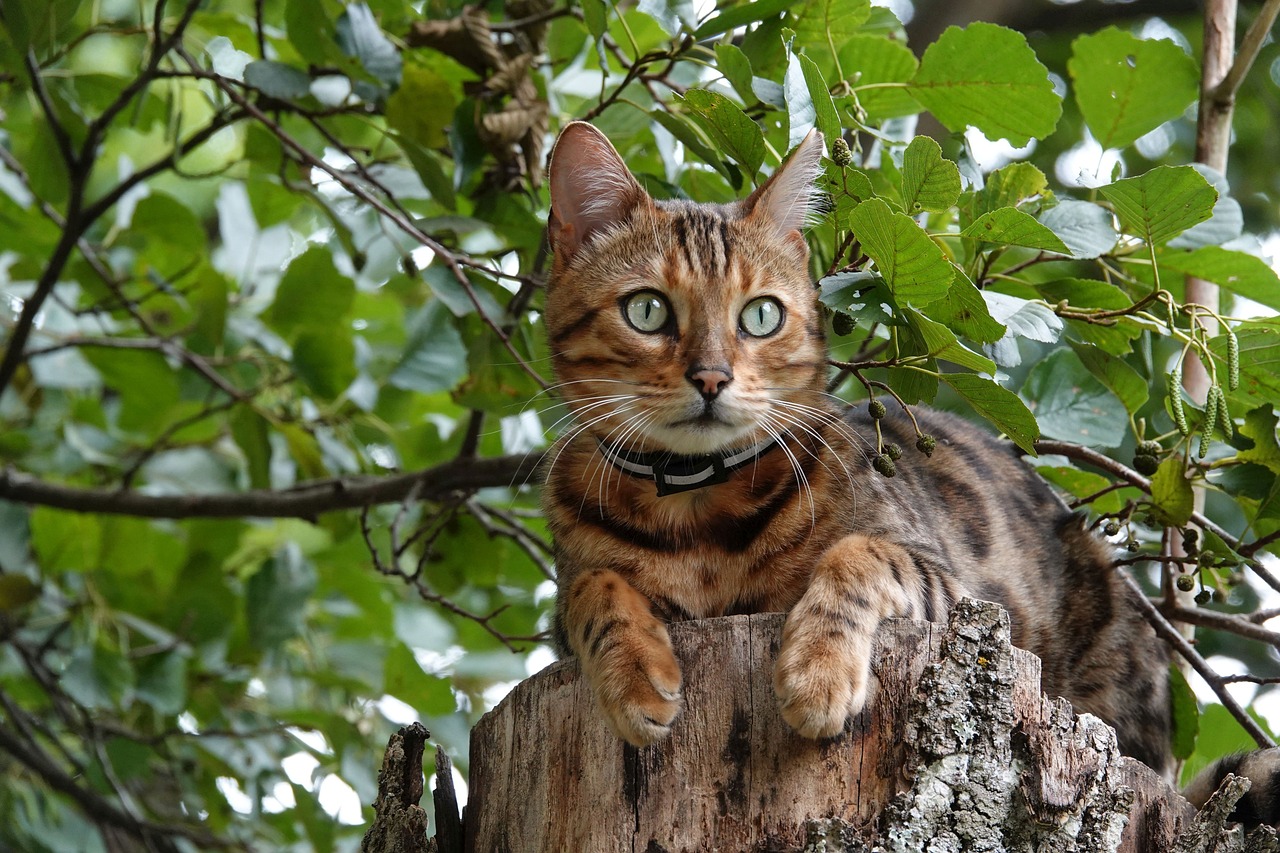
Sharing a rich genetic lineage and close historical ties with the Siamese, the Oriental Shorthair matches its cousin’s legendary propensity for vocalization. The CFA Oriental breed profile confirms that these cats possess loud, highly distinctive meows and an expansive tonal range. Orientals are notoriously uninhibited; if they require food, praise, or simply wish to voice their opinion on the household weather, they will ensure their humans hear them loud and clear.
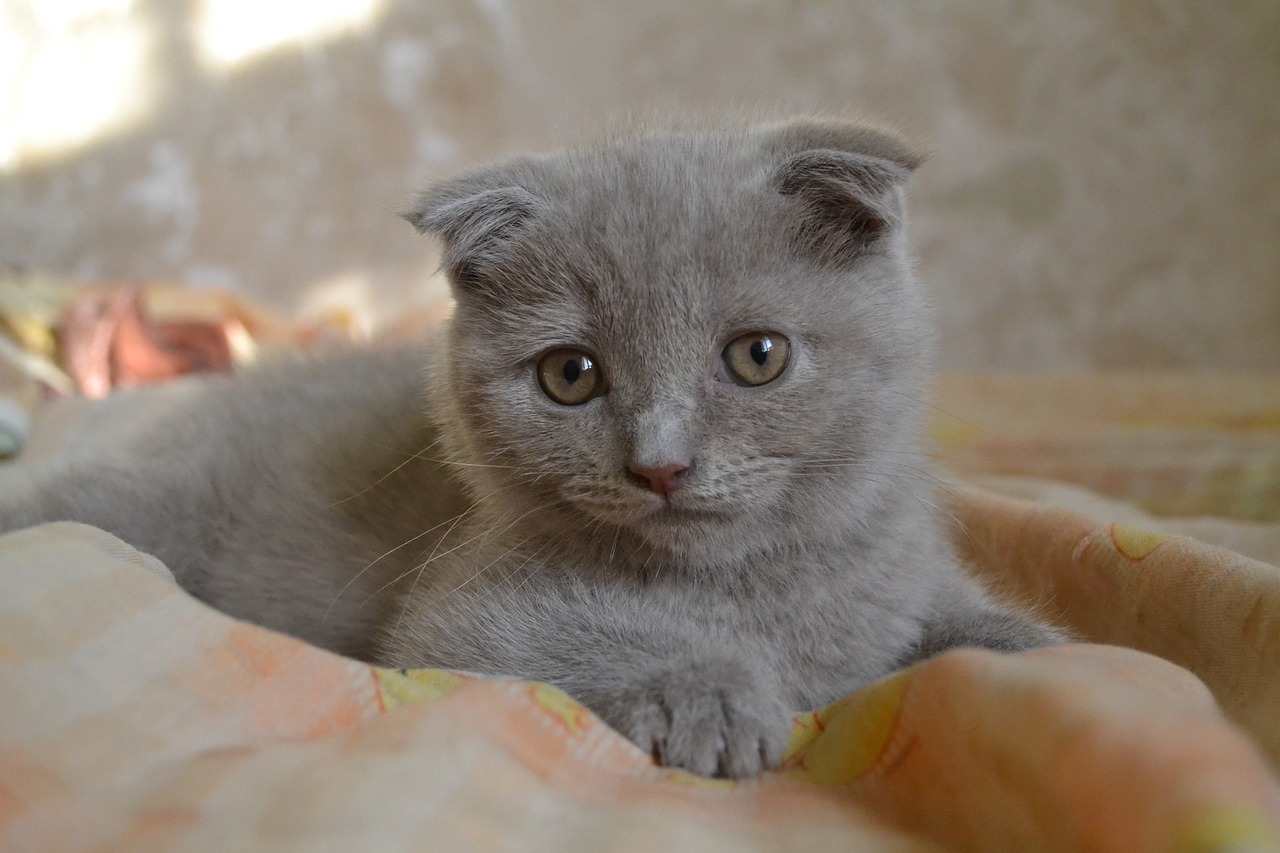
7. Scottish Fold
Instantly identifiable by their hallmark folded ears, Scottish Folds combine an easygoing, pliable temperament with a surprisingly expressive vocal nature. Rather than shouting demands across the house, Scottish Folds communicate through a delicate series of soft chirps, coos, and quiet murmurs, engaging in a gentle verbal dance with their human companions.
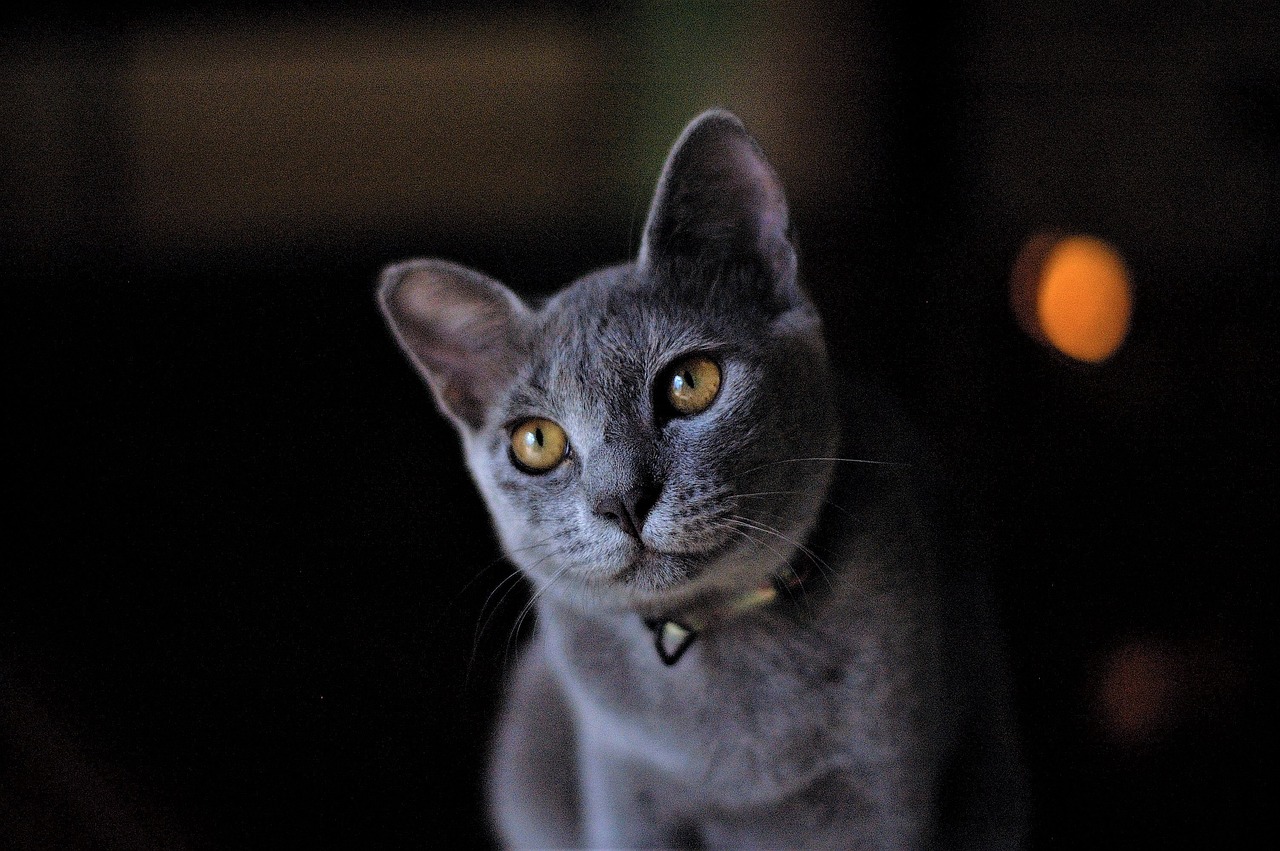
8. Russian Blue
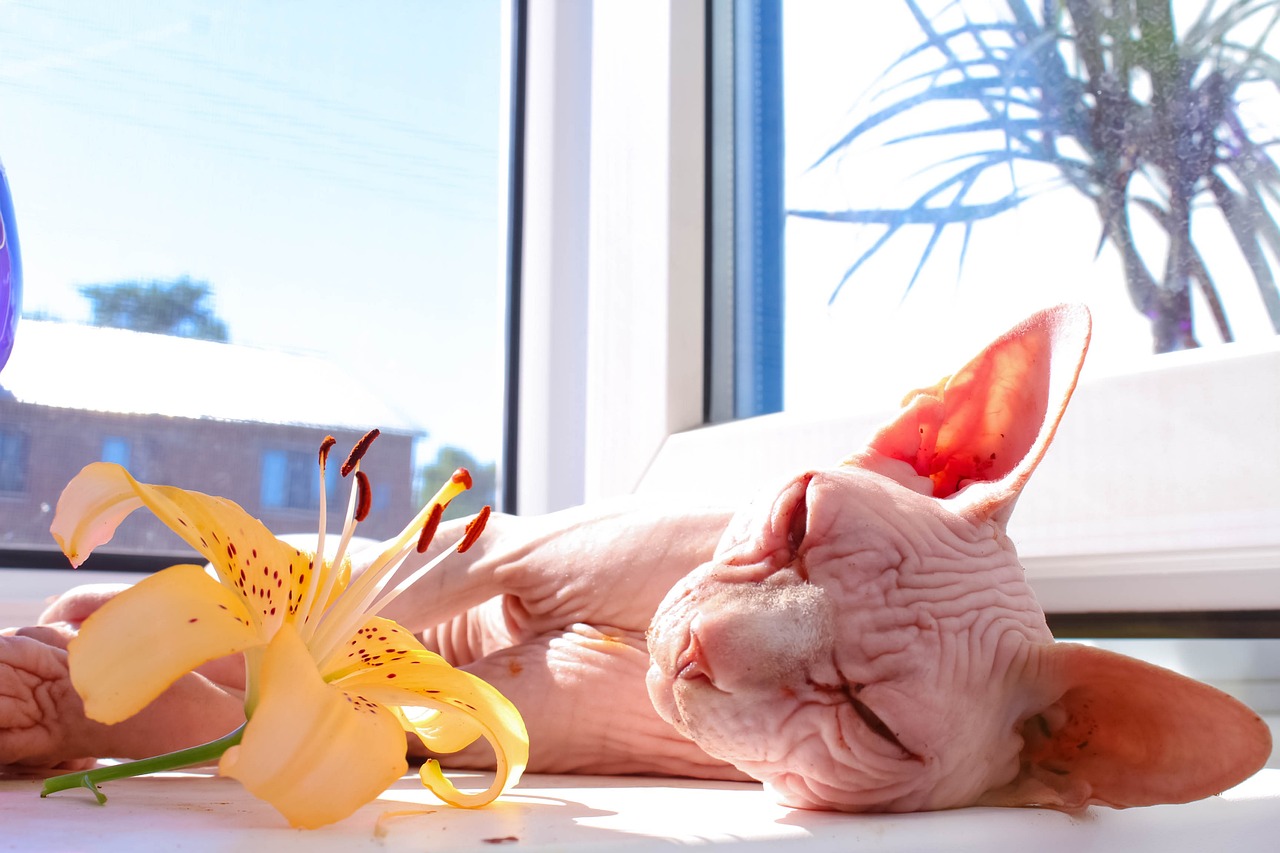
At first glance, the reserved and dignified Russian Blue might appear too demure to qualify as a chatty cat. However, within the secure confines of a familiar, trusted household, Russian Blues reveal a remarkably gentle and communicative side. They possess a soft, melodious voice, using quiet vocalizations primarily to request attention, acknowledge their owners, or signal that their strict schedule has been disrupted.
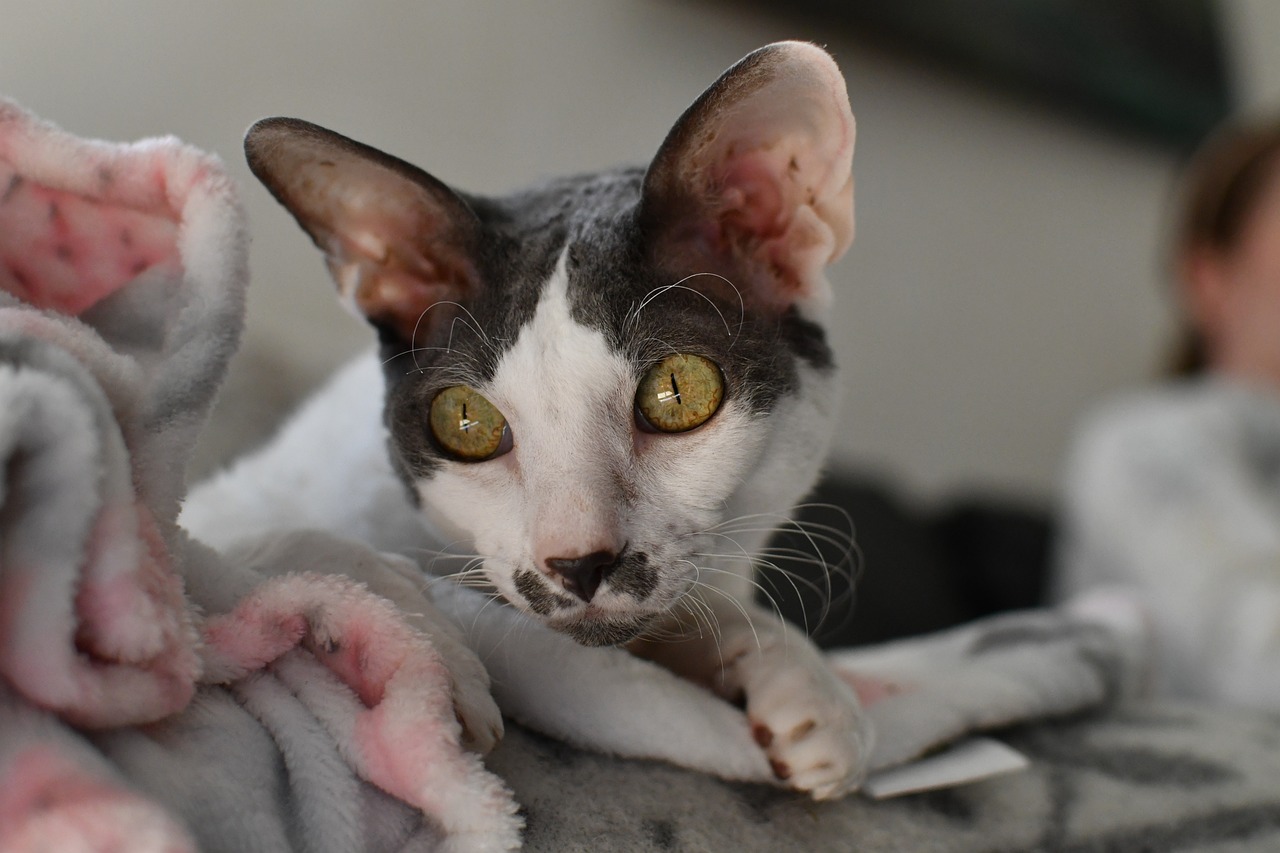
9. Cornish Rex
Sporting a unique, rippling wave coat and an athletic, whip-like physique, the Cornish Rex matches its high-octane energy with an equally lively vocal apparatus. These cats are completely uninhibited when it comes to expressing their desires. Utilizing an eclectic mix of chirps, purrs, and persistent meows, the Cornish Rex ensures its human family is constantly aware of its current mood and operational status.
10. Somali
Often affectionately dubbed the "long-haired Abyssinian," the Somali is an exceptionally active, acrobatic, and intelligent breed. Their vocal style is characterized by a soft, musical chatter. Somalis frequently accompany their exploratory prowls with light trills and melodious purrs, making them delightful, unobtrusive conversationalists for owners who appreciate a quiet yet constant background commentary.
11. Abyssinian
While Abyssinians rarely cross into the territory of loud or obnoxious noise-making, they are undeniably communicative. The Abyssinian voice typically manifests as a soft, rhythmic chirping sound. These cats use their vocalizations to express happiness, high alertness, or excitement during play, functioning as charmingly chatty feline shadows that narrate their exploration of the home.
12. Ragdoll
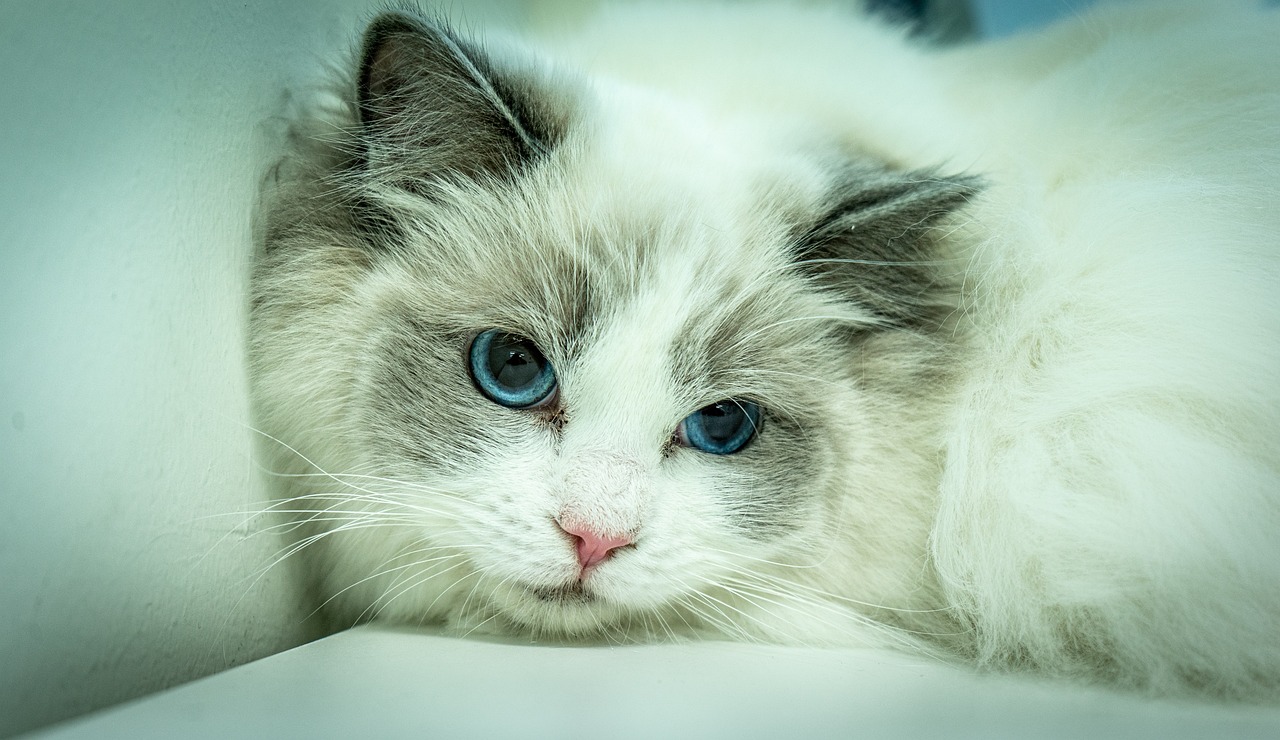
Famed for their docile, laid-back demeanor and tendency to go limp like a rag doll when cuddled, Ragdolls are generally considered moderately vocal at most. However, when they do choose to speak, they employ a soft, sweet voice. According to breed observations, Ragdolls will vocalize gently when they desire attention, anticipate a meal, or wish to initiate a playful interaction with their chosen humans.
Supporting Context and Acoustic Metrics
To contextualize feline vocalization scientifically, researchers in animal behavior have categorized the domestic cat’s acoustic repertoire into dozens of distinct vocal sounds. While a feral cat relies on silence for ambush hunting, the domestic cat has developed an extraordinary phonetic flexibility specifically tailored to human ears.
- Frequency Range: Feline vocalizations typically span frequencies from 75 Hz to over 150 kHz, though the standard communicative meow usually occupies the 500 Hz to 5,000 Hz range—strikingly close to the frequency range of human infant cries. This evolutionary overlap ensures immediate human attention.
- The Trill Phenomenon: According to the Cornell Feline Health Center, a trill (or chirrup) is a unique, rolled vocalization where the cat vibrates its vocal cords while simultaneously exhaling and closing its mouth. This sound is almost exclusively reserved for positive social interactions, functioning as a friendly greeting directed at humans or bonded feline companions.
- Demographic Variance: Studies in feline behavioral psychology indicate that female cats and intact animals sometimes display different vocal frequencies, but breed genetics remain the primary determinant of baseline chatter volume and frequency.
Official Statements and Expert Perspectives
Authoritative feline registries and veterinary institutions maintain strict documentation regarding temperament and vocal tendencies.
The Cat Fanciers’ Association (CFA) notes in several foundational breed standards that distinct voice production is an inherent characteristic rather than a behavioral flaw. For instance, the official Siamese profile highlights the breed’s vocal capabilities as a direct manifestation of its high intelligence, emotional sensitivity, and intense social dependency.
Similarly, the Cornell Feline Health Center emphasizes that understanding a cat’s individual vocal patterns is vital for proper welfare management. Changes in vocalization—such as an unusually quiet breed suddenly becoming excessively loud, or vice versa—often serve as the primary clinical indicator of underlying physiological stress, cognitive dysfunction syndrome in senior cats, or hyperthyroidism.
Future Outlook: The Intersection of Feline Genetics and Human Companionship
As urban living spaces shrink and more individuals seek interactive, highly engaged animal companionship, the demand for chatty cat breeds is projected to rise steadily. Modern feline genetics research is increasingly focused on mapping behavioral traits, offering potential future insights into the exact genetic loci responsible for talkativeness in breeds like the Siamese and Oriental Shorthair.
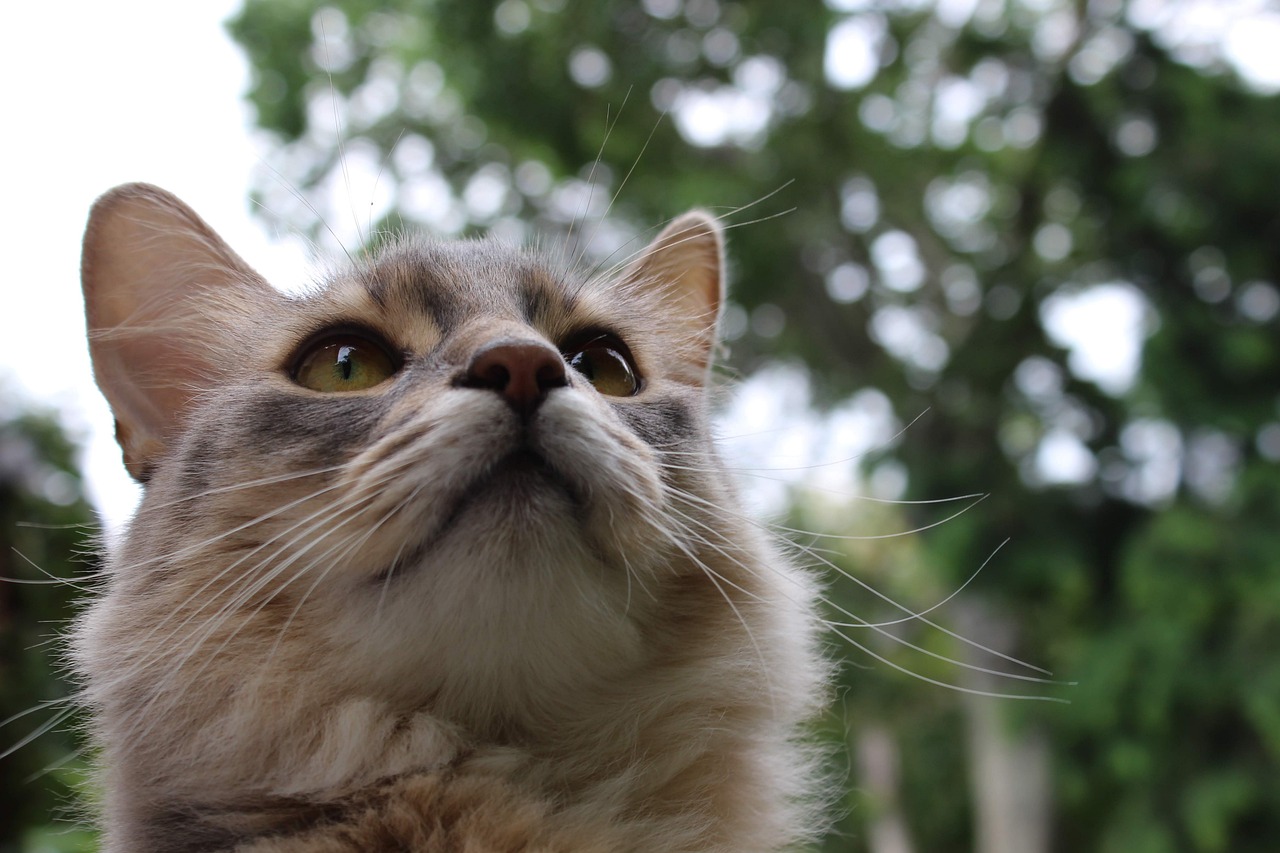
For prospective pet owners, understanding the communicative nature of these 12 breeds is critical for ensuring long-term compatibility. Households seeking an interactive, emotionally responsive, and vocal pet will find willing conversationalists among these chatty lineages. Conversely, those prioritizing absolute domestic silence would do well to carefully weigh these acoustic traits before welcoming a vocal feline into their home. Ultimately, embracing a chatty cat means opening the door to a rich, cross-species dialogue that redefines the traditional boundaries of human-animal connection.