
Executive Overview
Every October, animal advocates, community organizers, and feline welfare organizations unite to observe one of the most critical awareness events on the international calendar: Global Cat Day (celebrated annually on October 16, alongside National Feral Cat Day). This international mobilization is far more than a routine awareness campaign. It is a powerful, values-driven call to action designed to challenge outdated paradigms regarding free-roaming, feral, and community cats, and to champion humane, science-based, and compassionate policies worldwide.
At its core, Global Cat Day embraces an essential, unifying truth: Cats are community. They are our neighbors, coexisting alongside wildlife in urban, suburban, and rural environments alike. Yet, for decades, community cats have faced systemic misconceptions, lethal municipal control policies, and a lack of institutional protection. Global Cat Day seeks to rewrite this narrative by mobilizing citizens, lawmakers, and community leaders to protect cats with the same commitment we apply to any other vital member of our shared ecosystem.
Through actions big and small—ranging from grassroots Trap-Neuter-Return (TNR) initiatives and winter shelter construction to legislative advocacy and public education—the movement empowers individuals to transform their local communities. As the October 16 mobilization approaches, advocates around the globe are preparing to step up, demand progressive animal protection laws, expand access to veterinary care, and take a zero-tolerance stance against animal cruelty. This comprehensive report examines the history, current strategies, global metrics, and future outlook of the Global Cat Day movement, offering an authoritative guide for advocates seeking to make a lasting difference.
Detailed Chronology: From Grassroots Advocacy to a Global Phenomenon
To understand the profound impact of Global Cat Day, one must examine its historical trajectory—a journey defined by grassroots resilience, the evolution of humane animal law, and a growing international consensus around humane population management.
The Origins of National Feral Cat Day
Long before it expanded into a global day of action, the movement began as National Feral Cat Day, established in the early 2000s by organizations like Alley Cat Allies. At the time, the prevailing municipal response to unowned and feral cats across much of the developed world was catastrophic: millions of cats were routinely rounded up and euthanized in shelters under the mistaken belief that this would control population numbers.
Animal advocates recognized that traditional "catch-and-kill" methods were not only inhumane but entirely ineffective. Nature abhors a vacuum; removing cats from an area simply creates a "vacuum effect," drawing in new cats from surrounding territories to exploit available food sources. The introduction of National Feral Cat Day was designed to challenge this status quo by introducing the public and local government officials to a revolutionary alternative: Trap-Neuter-Return (TNR).
The Evolution into Global Cat Day
As the efficacy of TNR gained empirical backing and community-level success stories multiplied, the movement transcended national borders. Advocates in Europe, Asia, Latin America, and beyond adopted the core tenets of the campaign, adapting them to diverse cultural, legal, and environmental landscapes.
Recognizing that the plight of the domestic cat—whether indoor pet, working cat, or community cat—requires a unified international framework, the initiative officially broadened into Global Cat Day. This evolution expanded the conversation beyond feral cats alone, encompassing broader issues of animal welfare, veterinary access, wildlife coexistence, and legal protections against cruelty.

Today, the chronology of the Global Cat Day campaign follows a predictable yet dynamic annual rhythm:
- Late Summer / Early Fall: Organizations launch awareness campaigns, releasing new educational toolkits, planning guides, and promotional merchandise (such as official Global Cat Day t-shirts, tote bags, and water bottles designed for field advocates).
- Weeks Leading Up to October 16: Advocates register local events, coordinate TNR projects, draft policy proposals for local municipal councils, and build grassroots coalitions.
- October 16 (The Day of Action): Thousands of individuals execute community projects, share educational resources, and flood digital platforms using the official hashtags #GlobalCatDay and #NationalFeralCatDay.
- Post-October 16: Organizations evaluate the legislative and community impacts, share success stories, and maintain year-round momentum through ongoing educational initiatives and policy advocacy.
Supporting Context & Metrics: The Science of Community Cats
To appreciate why Global Cat Day remains urgently necessary, one must look closely at the data, demographics, and scientific principles governing community cat populations.
Understanding Community Cats and the TNR Model
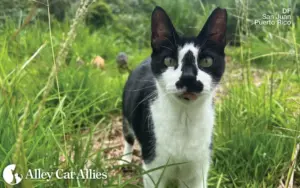
"Community cats" is an inclusive term used to describe unowned domestic cats who live outdoors. They may be feral (unaccustomed to human contact and fearful of people) or stray (abandoned or lost pets who have become unsocialized). Because they are not suited for traditional adoption environments, placing them in standard animal shelters often results in high stress and euthanasia.
Trap-Neuter-Return (TNR) has emerged as the gold standard of humane population management. Under a TNR protocol:

- Trap: Community cats are humanely trapped using specialized box traps.
- Neuter / Spay: The cats are transported to a veterinary clinic, where they are sterilized, vaccinated against rabies, and often ear-tipped (a universal, painless universal sign indicating a sterilized and vaccinated community cat—usually the tip of the left ear is removed).
- Return: Once recovered, the cats are returned to their original outdoor home where caretakers provide ongoing food, water, and monitoring.
Key Metrics and Impacts of Humane Policies
- Population Stabilization: Scientific studies consistently demonstrate that TNR stabilizes and gradually reduces community cat populations over time, unlike lethal control, which fails to curb reproductive rates.
- Elimination of Nuisance Behaviors: Spaying and neutering drastically reduce or eliminate nuisance behaviors associated with un-sterilized outdoor cats, such as yowling, fighting, and roaming. This leads to a dramatic drop in nuisance complaints received by local animal control agencies.
- Shelter Intake and Euthanasia Reductions: Communities that implement robust TNR programs and ordinance updates see immediate, precipitous declines in shelter intake numbers and feline euthanasia rates, freeing up vital municipal resources.
- Public Health and Safety: Through mandatory rabies vaccinations administered during the TNR process, community cat colonies serve as a vaccinated buffer zone, effectively protecting public health while keeping rodent populations under control naturally.
Official Perspectives and Statements
The philosophy underpinning Global Cat Day is supported by leading animal advocacy organizations, veterinarians, and environmental scientists who champion compassionate coexistence.
The Philosophy of Coexistence
In statements released leading up to the October 16 mobilization, prominent animal welfare leaders emphasize that protecting cats is fundamentally an exercise in community building. As advocacy networks highlight, protecting cats like community means reshaping how legal systems view non-human life:
"Through actions big and small, we can create laws and policies that recognize cats’ coexistence with wildlife, expand access to care, and ensure strong action against animal cruelty."
This perspective rejects the false dichotomy often presented by critics who claim that supporting outdoor cats is mutually exclusive with protecting local wildlife. Modern humane advocates point out that managed community cat colonies—when coupled with responsible feeding practices, proper habitat management, and wildlife-safe urban planning—can peacefully coexist with local bird and mammal populations.

The Role of Grassroots Empowerment
Another central tenet of the official Global Cat Day messaging is the democratization of animal advocacy. You do not need to be a professional lobbyist or a wealthy philanthropist to effect change. The movement deliberately provides accessible entry points for every citizen:
- For the Field Worker: Participating in hands-on TNR operations, trapping feral cats, and managing outdoor feeding stations.
- For the Builder: Constructing insulated winter shelters to protect outdoor cats from harsh weather conditions.
- For the Educator: Engaging with local neighbors, school groups, and municipal officials to dispel myths about feral cats and promote humane ordinances.
- For the Digital Advocate: Utilizing social media channels on October 16 and beyond to amplify lifesaving resources, share educational toolkits, and spread the message using
#GlobalCatDayand#NationalFeralCatDay.
Future Outlook: The Road Ahead for Feline Welfare
As we look toward the future of the Global Cat Day movement, several key trends, challenges, and opportunities are shaping the landscape of feline advocacy.
1. Modernizing Municipal Ordinances
One of the primary goals for the coming decade is the systematic overhaul of outdated municipal animal control codes. Across many jurisdictions, archaic animal control laws still treat unowned cats as nuisances or strays subject to impoundment and lethal outcomes. Advocates are actively working with city councils and county commissioners to codify TNR into law, officially recognizing managed community cat colonies and protecting caretakers from unwarranted citations or legal penalties.
2. Expanding Access to Veterinary Care
A persistent challenge in animal welfare is the stark inequity in veterinary access, particularly in rural and economically disadvantaged urban areas. The future of community cat management relies heavily on expanding low-cost or free spay/neuter clinic infrastructure, mobile surgical units, and community-based veterinary training programs. Ensuring that caretakers have reliable access to medical resources is essential for sustaining long-term colony management.

3. Integrating Wildlife and Cat Welfare
Future conservation strategies must move past polarized debates and embrace holistic ecosystem management. By fostering collaboration between wildlife biologists and animal welfare advocates, communities can develop innovative, science-backed solutions that protect vulnerable wildlife species while simultaneously honoring the lives of outdoor cats through humane management, habitat enrichment, and responsible pet ownership education.
4. Sustaining Global Digital and Community Momentum
The rapid expansion of digital networks has transformed Global Cat Day into a truly borderless phenomenon. As organizations like Alley Cat Allies continue to release updated educational guides, lifesaving resources, and specialized merchandise (such as community cat advocacy gear available through official online shops), the movement is reaching younger, highly engaged demographics. By maintaining a constant drumbeat of education, email updates via alleycat.org, and active social media mobilization, the campaign ensures that the fight for feline welfare never loses momentum.
Conclusion
Global Cat Day on October 16 stands as a testament to what can be achieved when compassion meets coordinated action. By recognizing that cats are community, we acknowledge our shared responsibility to protect, respect, and care for the vulnerable animals that share our neighborhoods.
Whether you choose to plan a local TNR initiative, build a winter shelter, educate your local officials, or wear your advocacy proudly with official Global Cat Day gear, your contribution matters. The journey toward a truly humane world for cats requires the dedication of advocates worldwide. Keep watching alleycat.org and your inbox for ongoing updates, and make your voice heard on October 16 and every day thereafter by championing policies that save lives, foster coexistence, and end animal cruelty once and for all.