
Date: September 28, 2026
Location: Atlantic County, New Jersey
Author: Special Correspondent / Environmental & Animal Welfare Desk
Executive Overview
In the wake of a ferocious, late-September nor’easter that battered the Mid-Atlantic coastline, communities across Atlantic County, New Jersey, found themselves grappling with severe coastal flooding, structural damage, and widespread power outages. While municipal emergency services focused on human evacuation routes and infrastructural stabilization, a specialized lifeline swung into motion for the region’s most vulnerable and frequently overlooked residents: outdoor cats, kittens, and community feline colonies.
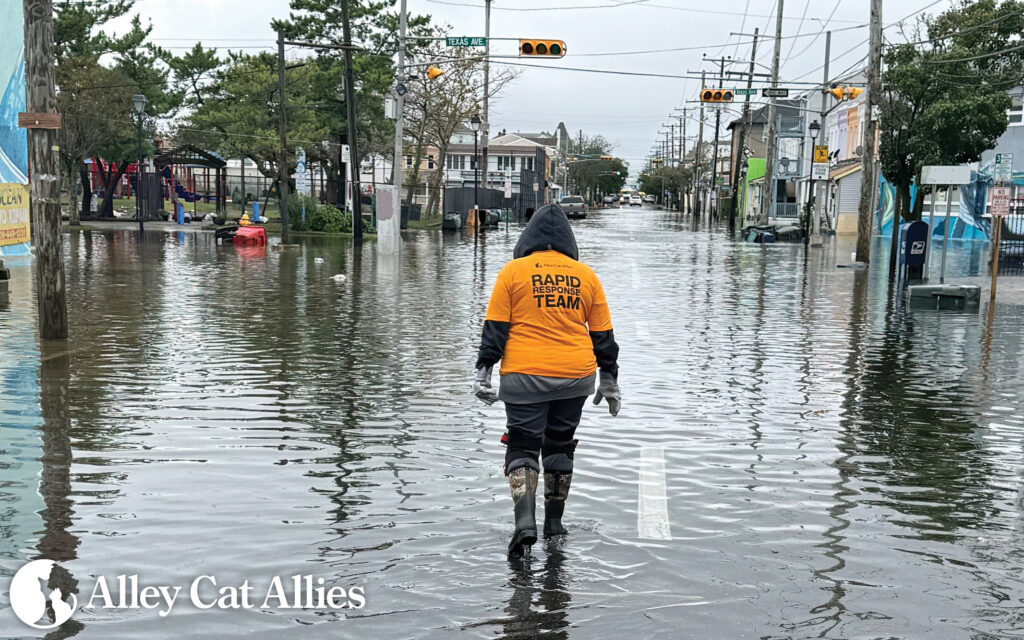
The Alley Cat Allies Rapid Response Team deployed immediately to the disaster zones, executing critical search-and-rescue welfare checks, distributing emergency food supplies, and cementing operational partnerships with local animal welfare organizations. Amidst declared states of emergency and surging tides that swallowed coastal roadways, the rapid deployment underscores a critical truth in modern disaster management: protecting animals is an indispensable pillar of comprehensive community resilience.
This in-depth report examines the timeline of the nor’easter’s impact, the strategic deployment of animal rescue networks in Atlantic County, the deep-rooted resilience of community cats, and the ongoing imperative for disaster preparedness among pet owners and community cat caregivers alike.
Detailed Chronology of the Crisis and Deployment
The Gathering Storm: Meteorological Forces Collide
The severe weather event materialized as a textbook, highly potent nor’easter—a low-pressure system characteristic of the Eastern Seaboard that draws cold air from the north and warm, moisture-laden air from the Atlantic Ocean. By the time the system locked over the Jersey Shore, sustained gale-force winds and torrential downpours battered the coast.
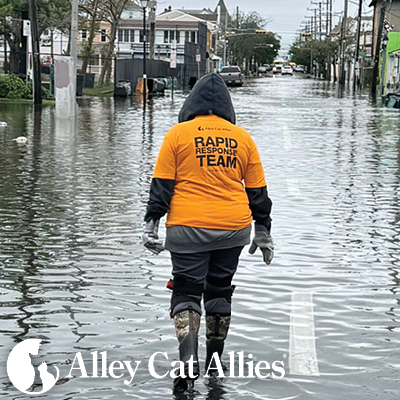
High tides, exacerbated by astronomical factors and prolonged onshore winds, pushed monumental volumes of seawater over sea walls, barrier islands, and low-lying coastal marshes. Streets in Atlantic City and surrounding municipalities transformed into navigable waterways, stranding motorists, inundating residential foundations, and triggering localized power failures. Recognizing the escalating peril, regional authorities declared a state of emergency, issuing mandatory and voluntary evacuation advisories for particularly vulnerable, low-lying tracts of Atlantic County.
Day One: Checking the Iconic Boardwalk Cats
As emergency management teams secured perimeter checkpoints and assessed property damage, the Alley Cat Allies Rapid Response Team zeroed in on a high-priority geographic landmark: the Atlantic City Boardwalk.
Long famous for its vibrant tourism, the Boardwalk is also home to managed populations of community cats colloquially known as the "Boardwalk Cats." These felines have historically integrated into the urban-coastal fabric, relying on dedicated caregivers and established feeding stations.
The immediate post-storm priority was straightforward yet urgent: locate the colonies, evaluate potential storm-related injuries, and deliver sustenance. Navigating debris-strewn paths and standing brackish water, the response team systematically checked every known shelter and feeding hub along the corridor.
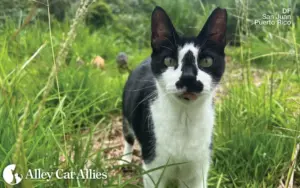
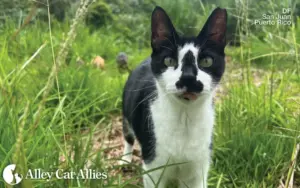
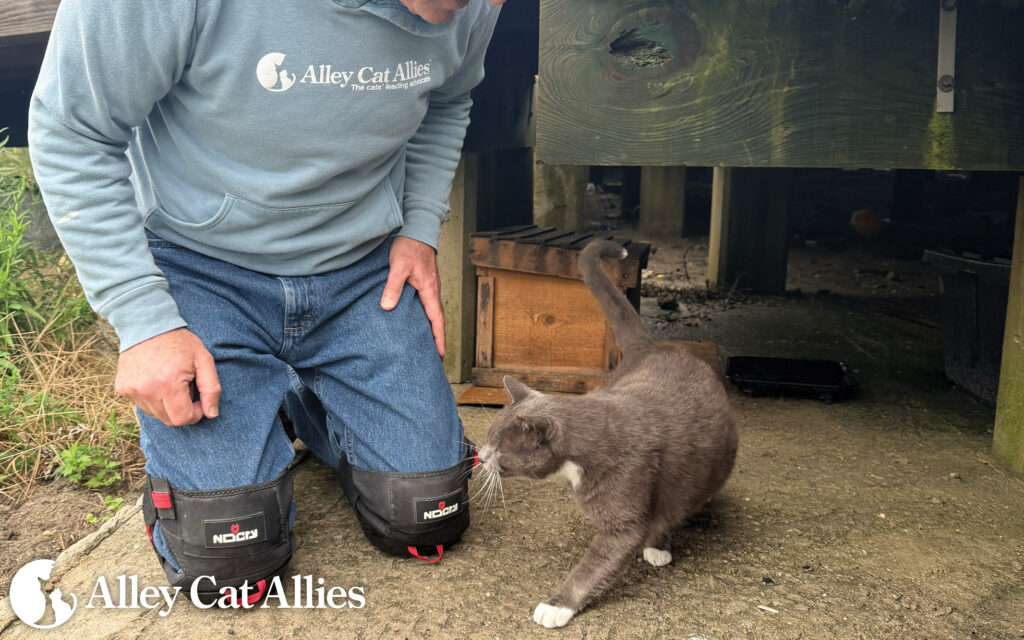
To the immense relief of rescue workers and local caregivers, the Boardwalk Cats proved resilient. Initial assessments confirmed that all monitored felines were safe, unharmed, and actively feeding, showcasing the efficacy of strategically placed shelters and the innate survival instincts of outdoor-adapted cats.
Venturing into Flooded Neighborhoods
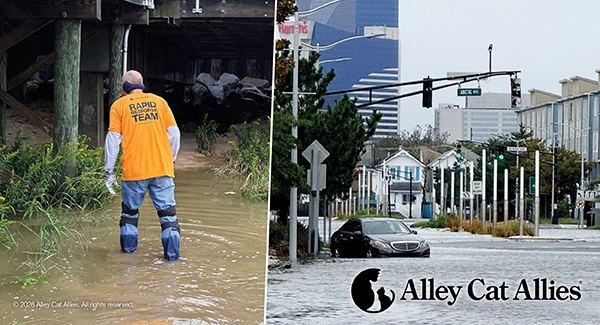
With the iconic Boardwalk populations accounted for, the Rapid Response Team expanded its operational footprint outward, pushing deep into residential and semi-rural pockets of Atlantic County where severe street-level flooding had cut off access.
Searching for stranded or distressed animals in standing water requires a delicate balance of patience, local knowledge, and ecological understanding. Felines subjected to sudden environmental trauma often exhibit complex behavioral responses. Contrary to common civilian assumptions that animals will panic and perish blindly in floodwaters, experienced animal rescuers note that cats possess deeply ingrained survival instincts. When faced with rising tides, savvy felines instinctively seek higher ground—climbing into vehicular engine compartments, scaling trees, ascending to rooftop overhangs, or squeezing into elevated structural cavities.
However, while these instinctual behaviors often spare them from drowning during the initial surge, the subsequent days introduce severe secondary hazards: prolonged exposure, lack of potable drinking water, ingestion of toxic flood debris (such as chemicals, oil, and sewage), and starvation.
Supporting Context & Infrastructure: Decades of Preparation
The efficiency of the 2026 nor’easter response was not a stroke of accidental good fortune; it was the direct harvest of decades of foundational community infrastructure. For over thirty years, Alley Cat Allies has maintained a continuous, active presence in Atlantic County. Rather than scrambling to build relationships from scratch during a crisis, the organization arrived with pre-established operational networks.
The Power of Trap-Neuter-Return (TNR) and Local Networks
For decades, Alley Cat Allies has championed and funded cornerstone animal welfare initiatives in the region, including:
- Trap-Neuter-Return (TNR): Stabilizing community cat populations humanely while improving overall health metrics.
- Affordable Veterinary Access: Collaborating with regional veterinarians to ensure medical care remains within reach for low-income caregivers and rescue groups.
- No-Cost Cat Food Banks: Providing consistent nutritional supply lines to community cat colonies, ensuring that caregivers can maintain routine feeding schedules even during economic downturns.
When a natural disaster strikes, these established community cat networks double as immediate disaster-response infrastructure. Caregivers who know every cat in their neighborhood serve as frontline scouts, reporting missing animals, structural collapses, and sudden influxes of displaced pets.
Synergy with Regional Welfare Organizations
Recognizing that disaster relief requires a collaborative ecosystem, Alley Cat Allies immediately integrated its field operations with the Humane Society of Atlantic County and area veterinary clinics. This multi-agency coordination established a comprehensive safety net designed to absorb the fallout of the storm over the days and weeks following initial impact.
Key components of this emergency partnership include:
- Immediate Veterinary Treatment: Setting aside designated medical triage capacity for storm-injured, hypothermic, or chemically exposed animals.
- Emergency Boarding Facilities: Providing safe, dry, and secure temporary housing for cats displaced from flooded homes or severely damaged colonies.
- Dedicated Disaster Relief Grants: Alley Cat Allies established an exclusive emergency funding mechanism to absorb veterinary bills, boarding costs, and emergency supply acquisitions for organizations on the ground, ensuring that financial constraints never impede life-saving care.
Official Statements and Field Insights
While operations continue on the ground, leadership from animal welfare and emergency response organizations have emphasized both the successes of the current deployment and the ongoing nature of post-disaster animal rescue work.
"Cats are remarkably resilient creatures, driven by powerful survival instincts that frequently guide them to safety when natural disasters strike. However, survival of the initial flood is only the first hurdle," noted a field coordinator for the Alley Cat Allies Rapid Response Team. "In the days following a severe weather event like this nor’easter, hidden cats begin to emerge—often hungry, disoriented, and vulnerable to secondary hazards. Our presence in Atlantic County ensures that no cat is left to face those challenges alone."
Veterinary partners on the ground have echoed these sentiments, highlighting the importance of community vigilance. Medical professionals advise that cats emerging from flood zones frequently suffer from upper respiratory infections brought on by damp, cold conditions, as well as gastrointestinal distress from consuming contaminated floodwater.
Furthermore, animal welfare advocates stress that rescue efforts do not cease once the rain stops. The physiological and psychological toll on animals displaced by extreme weather can manifest days later, making continued monitoring, feeding, and medical readiness essential components of the ongoing recovery phase.
Future Outlook and Emergency Preparedness
As climate patterns become increasingly volatile—bringing more frequent and intense coastal nor’easters, tropical storms, and extreme precipitation events to the Mid-Atlantic region—organizations like Alley Cat Allies are shifting focus toward proactive community resilience. Disaster response must evolve from purely reactive mobilization to widespread, community-wide preparedness education.
How Families and Caregivers Can Prepare
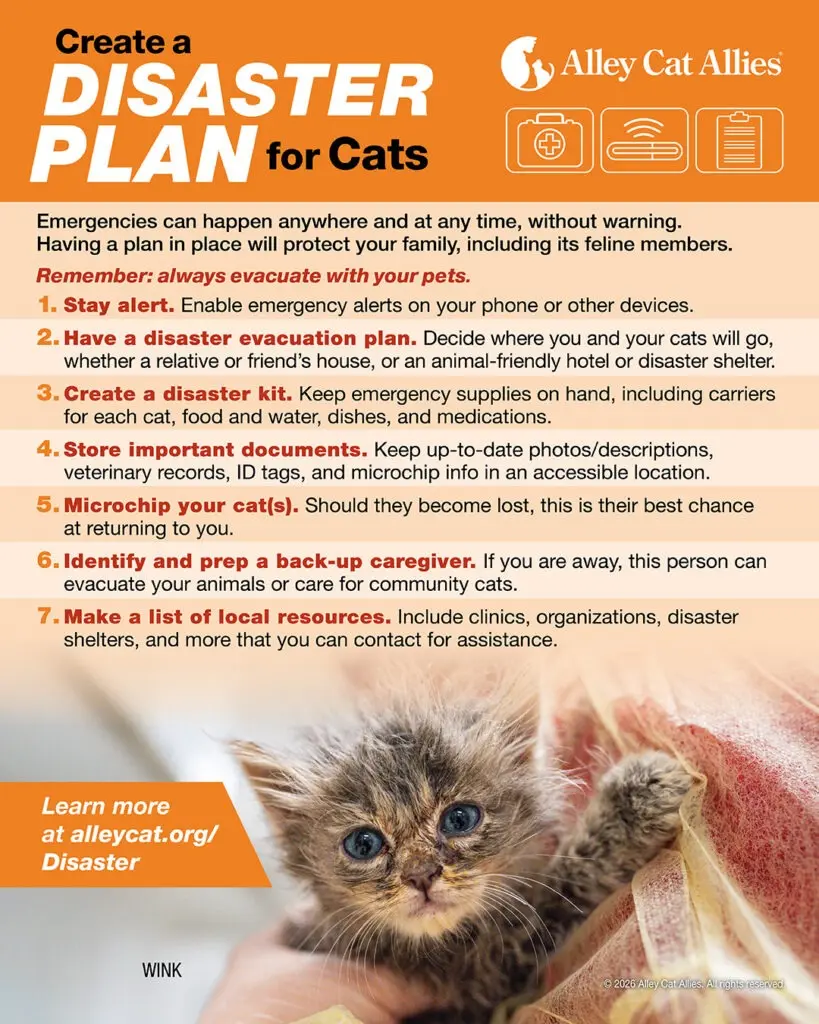
Disaster experts emphasize that protecting companion animals and community cats during an emergency begins long before the first storm warning is issued. Key preparedness steps include:
- Establish a Cat Emergency Kit: Every household with pets should maintain a portable disaster kit containing at least a two-week supply of dry and canned food, bottled water, portable bowls, litter and a shallow pan, necessary medications, medical records, and secure carriers.
- Identify Safe Evacuation Havens: Research local emergency shelters, hotels, and veterinary facilities ahead of time that accommodate pets. Never assume human-only emergency shelters will permit companion animals.
- Microchip and Proper Identification: Ensure indoor and outdoor cats wear safety-release collars with current identification tags. Microchipping provides a permanent, foolproof method of reunification if an animal is displaced during a flood evacuation.
- Community Cat Caregiver Protocols: For those managing outdoor colonies, map out elevated, dry feeding stations and secure, weather-resistant shelters well above historical flood levels.
A Call to Action
The swift mobilization in Atlantic County demonstrates what is possible when compassionate individuals, field experts, and established rescue networks align in pursuit of animal protection. However, maintaining these rapid-response capabilities requires sustained financial and logistical backing.
Alley Cat Allies continues to urge animal lovers and concerned citizens to support its emergency relief efforts in New Jersey and across the globe. Contributions directly fund medical treatment, emergency board, food distribution, and field supplies for animals caught in the crosshairs of climate-driven disasters.
By sharing comprehensive disaster preparedness guides, building resilient local infrastructure, and remaining steadfastly on the ground when the waters rise, communities can ensure that no life—human or feline—is left behind in the storm.
To learn more about emergency preparedness for pets, or to support Alley Cat Allies’ disaster response initiatives, please visit alleycat.org/disaster or donate directly at secure.alleycat.org.