
Long before a puppy takes its first clumsy steps, learns to walk on a leash, or answers a training cue, an intricate, high-stakes developmental process is already unfolding behind the scenes. In the quiet, dimly lit whelping boxes of specialized breeding and training facilities, the foundational architecture of future guide and service dogs is being laid down week by week, day by day, and sometimes second by second.
At Dogs Inc, preparing tomorrow’s life-changing service and guide dogs is not a process that begins when a puppy enters formal obedience training. Rather, it starts at the very beginning of life, utilizing a blend of advanced canine science, structured handling, and deep empathy. Among the most critical tools in this early-development toolkit is a specialized science-based practice known as Early Neurological Stimulation (ENS).
While ENS is only one chapter in a much larger, comprehensive story of canine growth, it represents a deliberate, proactive philosophy: that extraordinary working dogs are not just born, and they are not simply trained—they are thoughtfully nurtured from day one.
Executive Overview
The journey of a service dog is defined by its destination, but shaped entirely by its origin. Guide dogs and professional service animals must navigate chaotic crowds, sudden loud noises, complex urban topographies, and emotionally demanding situations while remaining unshakeably calm, focused, and confident. These elite behavioral traits do not magically appear when a dog reaches maturity; they are the cumulative result of a meticulously managed developmental timeline.
This report examines the intricate science of early puppy development, focusing heavily on the neonatal and transitional stages. It explores the protocol and theoretical framework behind Early Neurological Stimulation (ENS), distinguishes it from later socialization windows, and highlights how organizations like Dogs Inc engineer an environment where future service partners can thrive. Through a synthesis of behavioral science, structured handling, and lifelong positive reinforcement, the canine development community is redefining how we prepare animals for complex working roles.

Detailed Chronology: The First Weeks of Life
Understanding how a puppy transforms from a helpless, blind newborn into a confident, capable working dog requires tracking a rapid, highly structured biological timeline. Each developmental stage presents distinct windows of opportunity—and vulnerability.
The Neonatal Stage: Birth Through Two Weeks
During the neonatal stage, newborn puppies exist in a state of absolute dependency. Blind, deaf, and completely incapable of regulating their own body temperature, these tiny animals rely entirely on their mother and littermates for survival. They spend the vast majority of their time in a physiological cycle of nursing and deep sleep.
To the untrained human eye, very little appears to be happening during this quiet phase. However, beneath the surface, the puppy’s brain and central nervous system are experiencing a period of explosive, critical development. Because their sensory systems are not yet fully online, the environment they experience must be carefully controlled, yet stimulated in precise, measured ways.
This is where Early Neurological Stimulation (ENS) comes into play. Introduced specifically during this fragile neonatal window, ENS consists of brief, gentle exercises designed to introduce mild, age-appropriate physical stress to the neurological system. Originally derived from early military dog-breeding programs, these exercises are intentionally brief—lasting only a few seconds per movement—and are executed strictly according to established protocols by trained handlers.
The goal of ENS is not to teach commands or overwhelm the puppy’s delicate system, but rather to stimulate the neurological system in ways that improve cardiovascular performance, strengthen the heart, enhance tolerance to stress, and boost resistance to disease. Think of ENS as the very first stepping stone in a lifelong journey of resilience building.

The Transitional Stage: Weeks Three and Four
As puppies cross the threshold from the neonatal period into the transitional stage, the world suddenly opens up to them. Around the two-to-three-week mark, their eyes and ears begin to open, allowing them to process sights and sounds for the very first time.
By the time they reach four weeks of age, puppies are beginning to wobble to their feet, explore their immediate surroundings, and even experiment with their first barks. Their baby teeth begin to erupt, signaling a nutritional shift away from exclusive nursing toward soft weaning foods.
During this transitional phase, the puppy’s capacity for learning expands exponentially. They begin interacting more dynamically with their littermates, learning critical early lessons in bite inhibition and canine body language from one another and their mother. The maternal bond remains essential here, as the mother dog provides emotional security and behavioral boundaries that human handlers simply cannot replicate.
The Socialization Period: Weeks Three Through Twelve
While ENS lays the biological groundwork during the neonatal phase, the formal socialization period takes center stage from approximately three to twelve weeks of age. This window is arguably the most sensitive and critical epoch in a dog’s life.
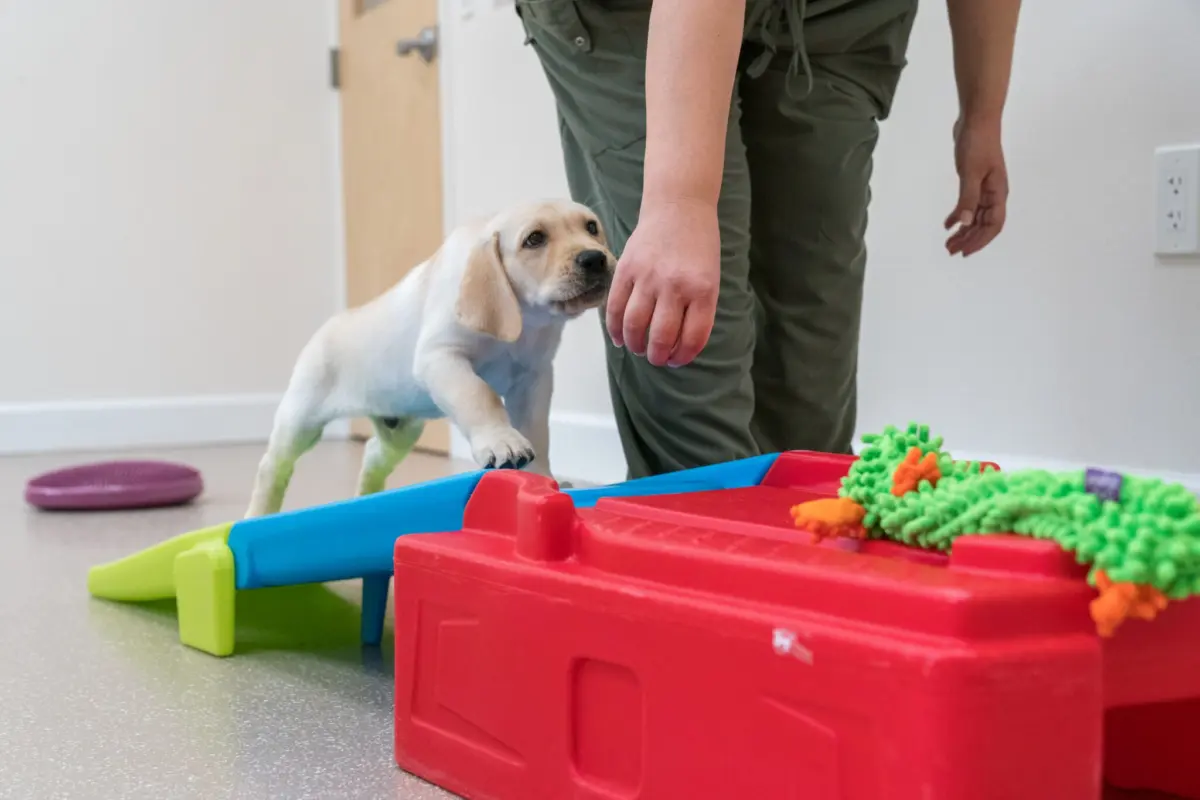
During socialization, a puppy’s brain is uniquely wired to absorb new information, form lasting impressions, and categorize stimuli as either safe or threatening. Structured exposure is paramount. Puppies in this stage must be safely and positively introduced to a vast array of people, sounds, textures, surfaces, and environments.

By the time a puppy reaches eight weeks of age, these early experiences begin cementing the foundations of a friendly, adaptable temperament. By twelve weeks, robust exposure to varied stimuli helps build profound emotional resilience, directly mitigating the risk of anxiety, fearfulness, and defensive aggression in adult dogs. It is important to note that ENS is designed to complement—never replace—this comprehensive socialization phase.
Adolescence and Maturity: Six Months and Beyond
As puppies graduate from puppyhood into adolescence (which can begin as early as six months of age), they enter a phase frequently compared to human teenagers. Just like human adolescents, young dogs begin testing boundaries, challenging established rules, and displaying newfound independence.
Between six and twelve months of age, most puppies reach reproductive maturity. For female dogs, this often involves their first heat cycle, while young males experience surges in hormone-driven behaviors. Concurrently, behavioral scientists note that young dogs typically navigate a series of "fear periods"—temporary developmental milestones where they may display sudden, unexpected wariness toward familiar or unfamiliar objects.
Navigating these adolescent milestones requires a steady hand, consistent boundaries, and ongoing positive reinforcement training. By understanding these biological shifts, puppy raisers and trainers can guide adolescents through their boundary-pushing phases without eroding their confidence or trust.
Supporting Context & Metrics: The Science of Stress and Adaptation
Why introduce stress to a neonatal puppy, even in micro-doses? The answer lies in how mammalian nervous systems adapt to challenge.

Research originating from early canine programs demonstrates that brief, mild stressors introduced during specific developmental windows can permanently alter an animal’s physiological response to stress later in life. When a neonatal puppy is subjected to the gentle, systematic handling maneuvers of ENS—such as tactile stimulation between the toes, thermal stimulation on a cool damp towel, or specific postural changes—its endocrine and central nervous systems experience a mild activation.
This controlled activation yields measurable physiological benefits:
- Improved Cardiovascular Performance: Studies indicate enhanced heart rate stability and overall cardiovascular health.
- Enhanced Adrenal Function: The adrenal glands are conditioned to respond more efficiently to stressors.
- Greater Tolerance to Stress: Adult dogs that underwent ENS protocols as neonates demonstrate quicker emotional recovery when exposed to novel or startling environmental stimuli.
- Stronger Immune Systems: Early neurological activation has been correlated with improved disease resistance.
However, the margin for error is razor-thin. Neonatal puppies are exceptionally delicate. If stress is too intense or prolonged, it ceases to be "stimulation" and becomes traumatic, causing lasting behavioral and physiological damage. This is precisely why organizations like Dogs Inc mandate that ENS protocols be executed strictly by experienced professionals or thoroughly vetted handlers who understand the precise timing and limits of neonatal care.
Official Statements and Organizational Philosophy
For breeding and training organizations dedicated to producing elite working animals, the philosophy of early intervention is a matter of institutional core values.
Representatives from Dogs Inc emphasize that the success of a guide or service dog relies entirely on building a robust psychological and physiological foundation from the ground up. "A service dog’s career is demanding, complex, and high-pressure," notes a senior representative from the organization’s canine development division. "You cannot simply expect a dog to step into that role at eighteen months old without preparing its brain and body from day one. Every gentle touch, every structured challenge, and every thoughtful socialization exercise is a brick in the foundation of that dog’s future career."
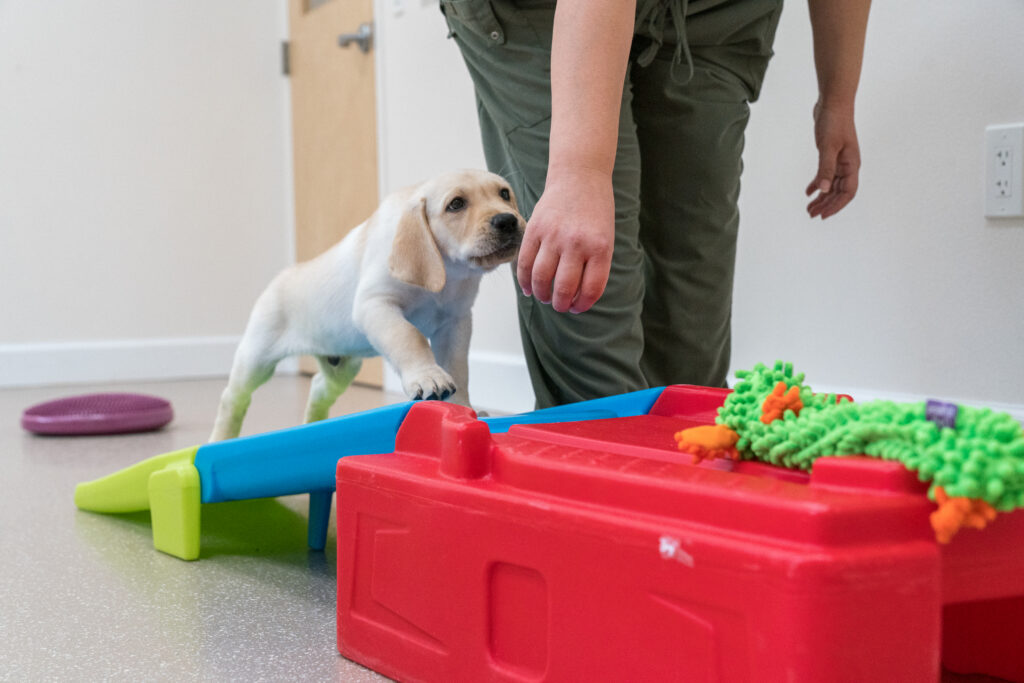
This philosophy underscores a holistic view of animal husbandry. Early neurological stimulation, maternal care, structured socialization, crate training, positive reinforcement obedience, and environmental enrichment are not treated as isolated training modules. Instead, they are viewed as a continuous, interconnected continuum of care designed to foster emotional maturity, boundless curiosity, and unwavering reliability.
Future Outlook: A Lifetime of Continuous Learning
The journey of a service dog in training does not reach its conclusion once the neonatal and socialization windows close. Canine development is a lifelong continuum.
As puppies mature past three months of age, their training shifts into more active phases. Short, engaging training sessions utilizing positive reinforcement begin introducing basic obedience cues. Around sixteen weeks of age, specialized puppy classes help refine social etiquette among peers and other animal species. Crate training establishes domestic routines and fosters healthy independence, ensuring the dog can settle comfortably in varied environments.
Looking forward, the canine science community continues to research and refine how early interventions impact long-term working dog success. Advances in genetic screening, behavioral profiling, and epigenetic research promise to further illuminate how early experiences interact with an animal’s innate DNA.
Organizations at the forefront of this field—such as Dogs Inc—remain committed to integrating cutting-edge science with compassionate, hands-on care. By nurturing future guide and service dogs from their very first breath, these programs ensure that when these remarkable animals finally step out into the world with a harness in hand or a vest on their back, they are truly prepared to change a life.