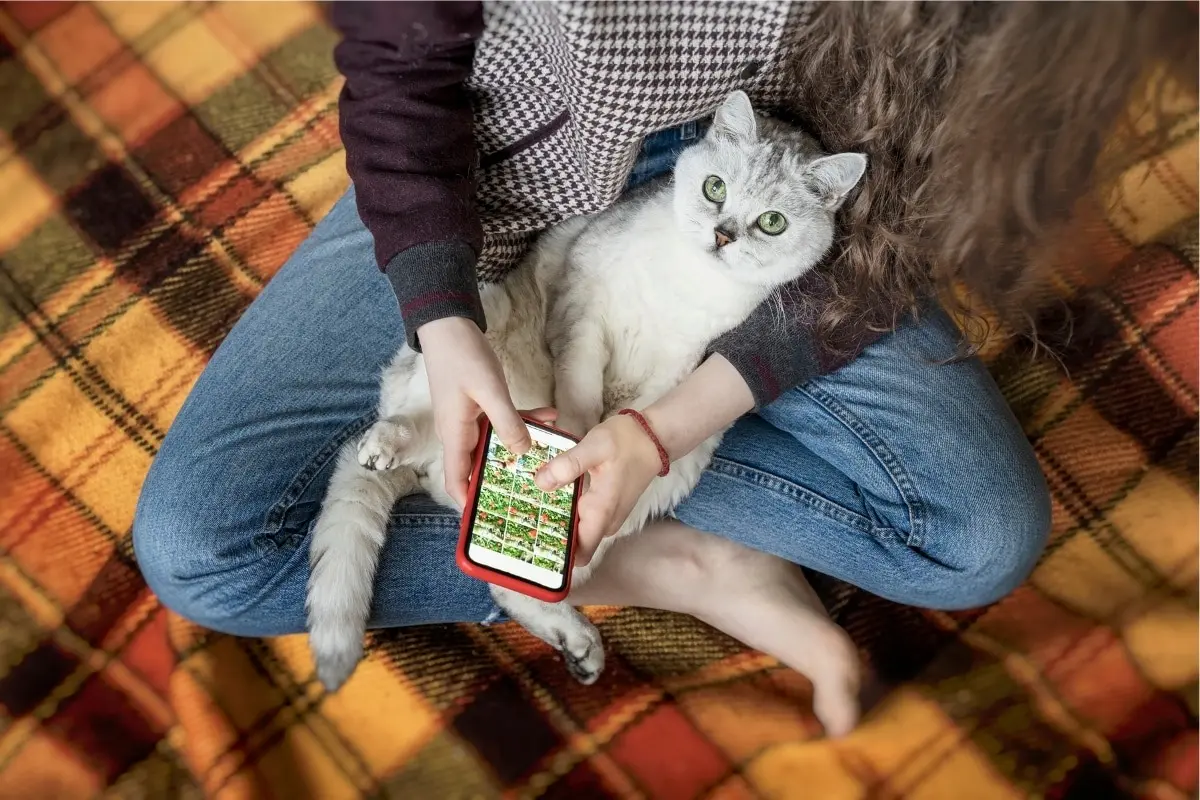
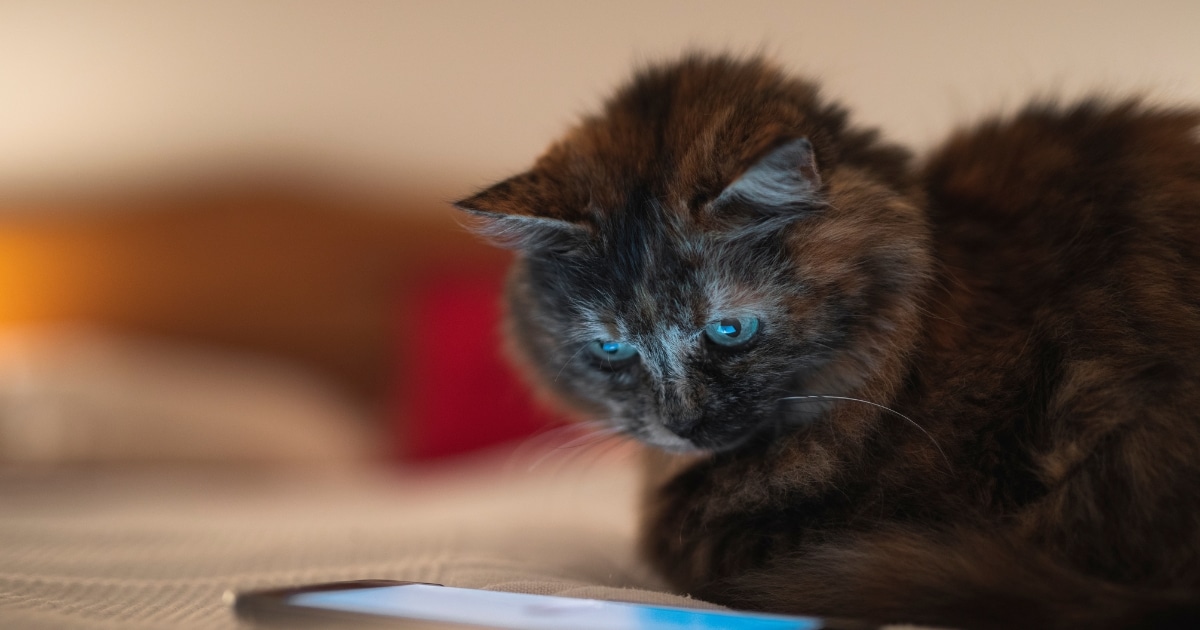
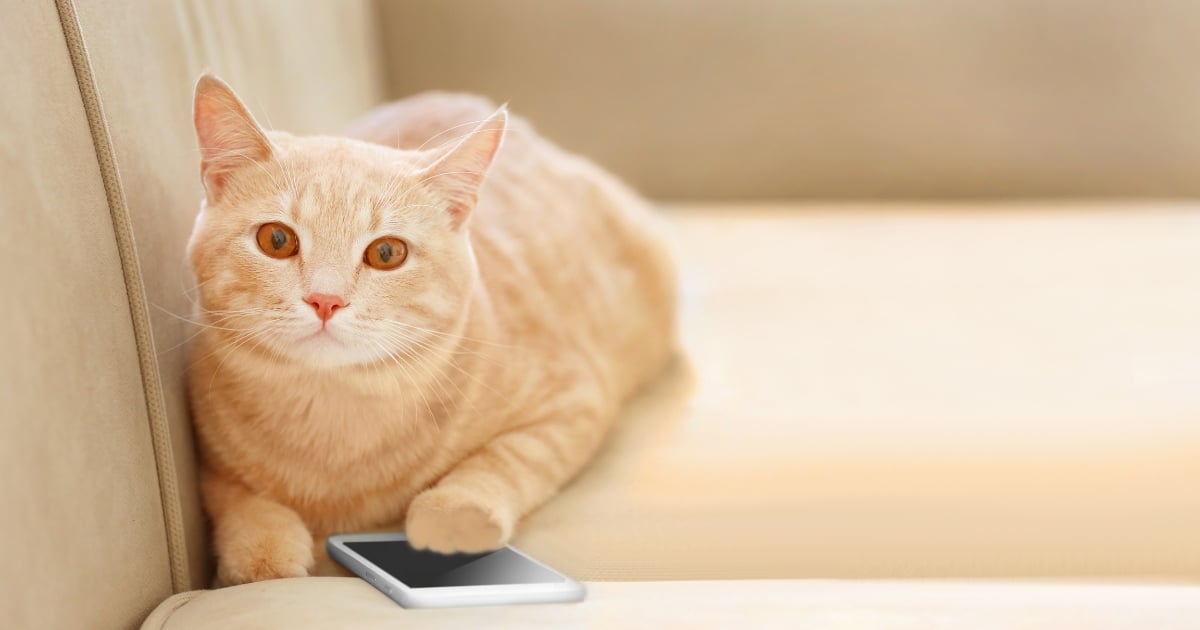
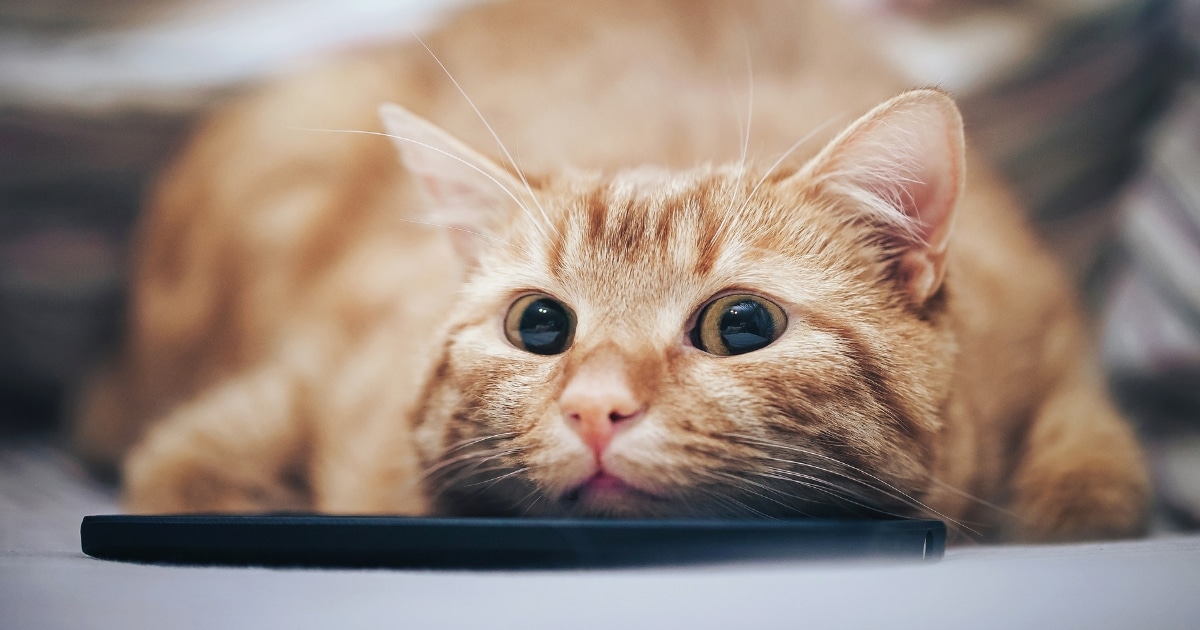
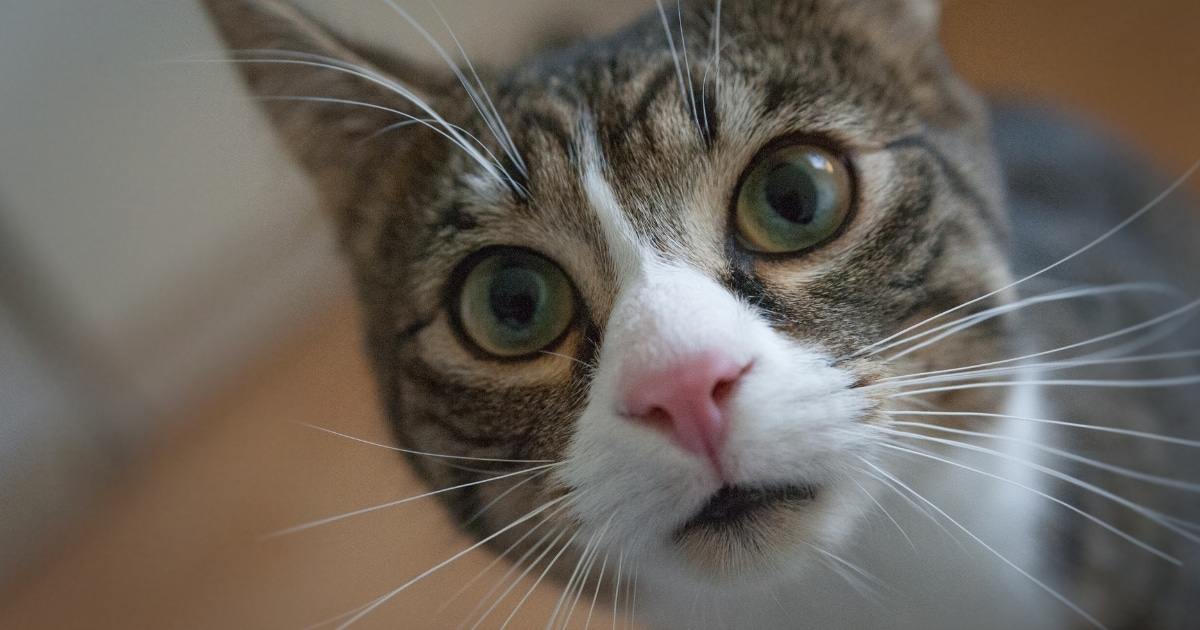
In the modern digital household, a silent yet persistent battle for attention plays out daily across couches, beds, and kitchen tables. The combatants: a human engrossed in a glowing smartphone screen, and a domestic cat determined to shatter that digital trance. Whether it is a gentle nudge to the hand, a calculated paw swipe that sends the device clattering to the floor, or a deadpan sit-down squarely on the center of the touchscreen, feline interference with screen time is a universal phenomenon.
While popular culture often frames this behavior as "jealousy," animal behaviorists and feline researchers clarify that the dynamic is rooted in something far more primal. To a cat, a human staring into a handheld device is exhibiting classic signals of social withdrawal: physical stillness, broken eye contact, and a diversion of cognitive energy. Backed by recent studies in feline social-attachment and object-interference research, experts reveal that our pets are not plotting against our technology; rather, they are executing sophisticated, highly effective strategies to reclaim our undivided focus.
Detailed Chronology: The Evolution of Feline Screen Interference
Feline behavior has adapted alongside human technological evolution. To understand why our pets target smartphones with such laser precision, it is helpful to examine how this behavioral pattern has evolved from traditional domestic habits into the digital age.
Phase 1: The Pre-Digital Precedent (Books and Newspapers)
Long before smartphones populated our palms, cats were notorious for planting themselves across the morning broadsheet, curling up on top of paperbacks, or walking across the keys of mechanical and early electronic typewriters. In ethology, this is classified as "object interference." Cats quickly learned that objects demanding a human’s sustained visual and physical focus were prime real estate for intervention. By blocking access to a book or newspaper, the cat ensured an immediate interactive response—usually a gentle lift, a stroke, or an amused chuckle.
Phase 2: The Laptop Era (The Warmth Migration)
With the dawn of remote work and widespread laptop usage, feline interference escalated. Laptops introduced two new, irresistible variables: ambient heat and intimate kinetic proximity. Laptops run warm, mimicking the natural body temperature of a nesting companion, and they sit on laps or desks where human scent is heavily concentrated. Cats migrated from static print media to dynamic, heat-radiating electronics, cementing the keyboard as a secondary bed.
Phase 3: The Smartphone Monopoly (The Hand-Sized Rival)
Today, the smartphone represents the ultimate condensation of these attention-stealing vectors. Small enough to be batted away, warm from processor activity and human body heat, and imbued with the owner’s scent from constant handling, the smartphone is practically engineered to trigger a cat’s curiosity and possessiveness. Because smartphones accompany humans into virtually every room—from the living room sofa to the bed—feline interruption has transformed from an occasional annoyance into a constant, ubiquitous feature of pet ownership.
Supporting Context & Metrics: The Science Behind the Screen Interruption
To decode why cats react so strongly to smartphone usage, researchers examine feline psychology, social cues, and sensory preferences.
Decoding Human Stillness: The Social-Attachment Lens
Cats are observant social partners. According to landmark research published in Current Biology (Vitale, Behnke & Udell, 2019), domestic cats form secure and insecure attachments to their human caregivers much like human infants and dogs do. When a human glues their eyes to a smartphone, they undergo a behavioral shift: blinking decreases, saccadic eye movements lock onto the screen, and overall physical mobility plummets.
In feline social cues, a lack of movement combined with averted gaze is read as a sign of disengagement or social withdrawal. Feeling ignored, the cat deploys attention-seeking behaviors to test the social bond and force a re-engagement.
Sensory Magnets: Heat, Scent, and Size
Beyond psychological triggers, physical science plays a major role. Cats possess a higher normal body temperature than humans (averaging around 101.5°F to 102.5°F) and seek out ambient warmth. Smartphones generate thermal energy during processing, making them micro-heating pads. Furthermore, because hands constantly transfer sweat, natural oils, and skin cells to the device, a smartphone carries an intense concentration of the owner’s olfactory signature. For an animal that navigates the world primarily through scent, sitting on a phone is akin to wrapping oneself in the owner’s personal aura.
Behavioral Manifestations of Screen Envy
Feline interventions generally fall into several distinct categories:
Tactile Interference: Pawing, kneading, or nudging the edge of the device to disrupt the human’s grip.
Territorial Blocking: Sitting directly on top of the screen or positioning a body squarely between the user’s eyes and the display.
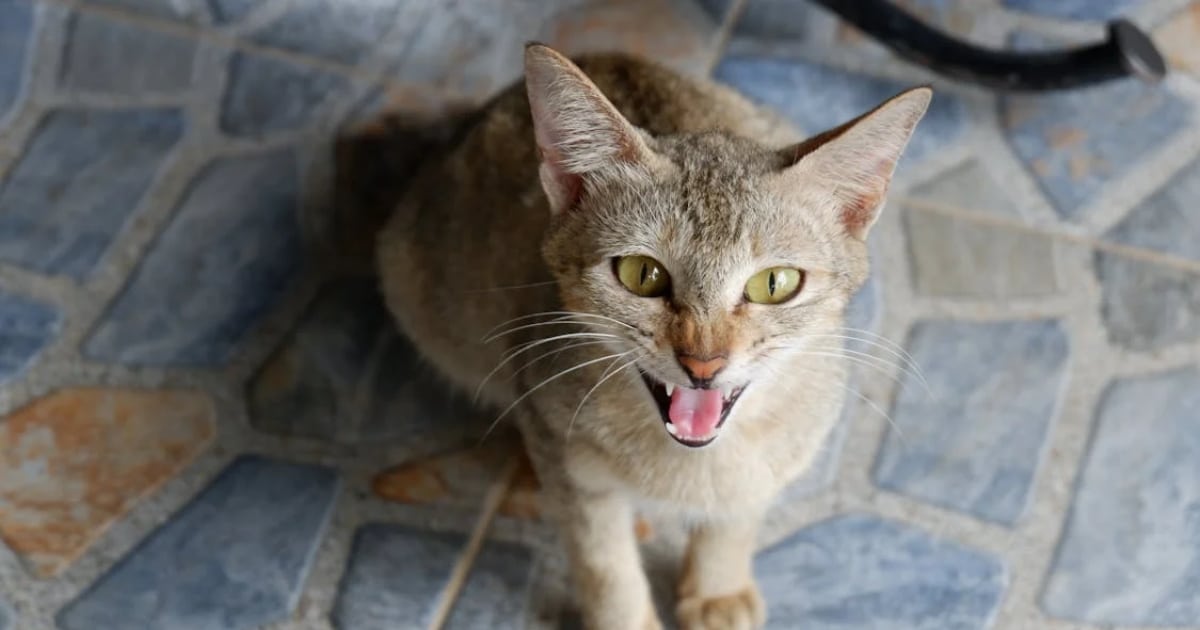
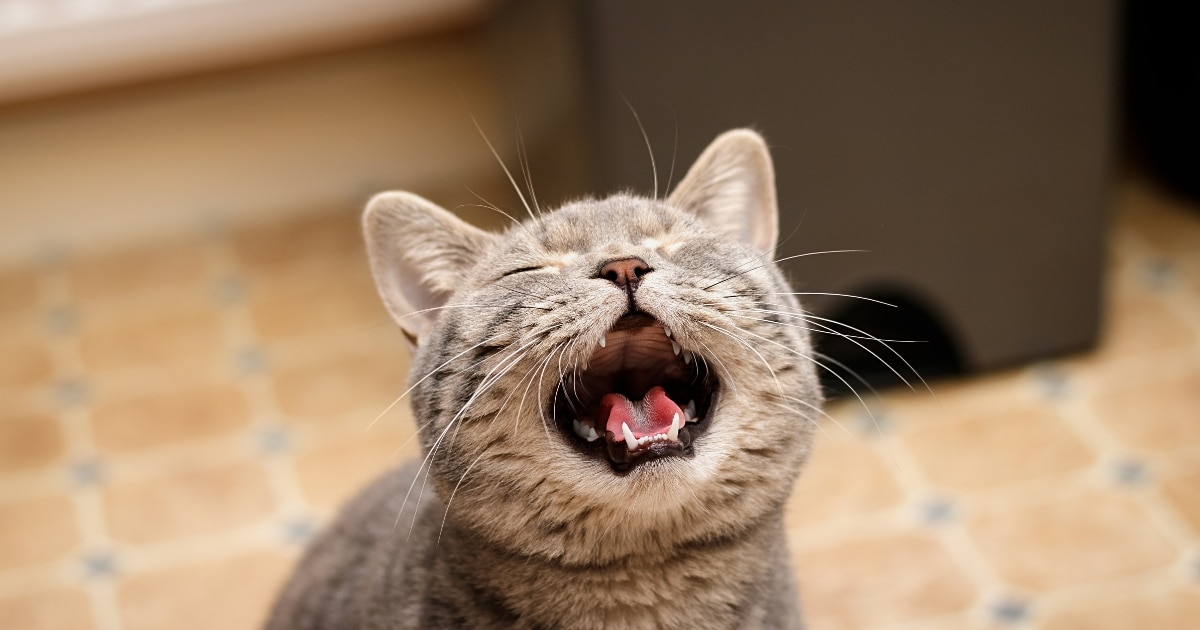
Vocalization: Deploying specific, high-frequency "solicitation meows"—vocalizations that mimic human infant cries—which cats reserve almost exclusively for communicating with humans.
Destructive Redirects: Knocking items off tables or scratching nearby furniture if subtle phone-interference fails to yield results.
Post-Interaction Clinginess or Aloofness: Following the human frantically once the phone is put down, or conversely, giving the "cold shoulder" to punish the perceived slight.
Official Statements and Expert Insights
Veterinary institutions and feline behavior specialists have weighed in extensively on the mechanics of why technology drives our pets to distraction.
"Cats do not possess the cognitive framework to experience jealousy in the complex human sense; they do not view your iPhone as a conscious romantic or social rival. However, they are hyper-aware of your availability. When a screen absorbs your focus, your cat recognizes a direct drop in interactive quality and launches a calibrated campaign to restore the status quo."
— Dr. Mikel Delgado, Feline Behaviorist and Research Affiliate at the University of California, Davis
The Cornell Feline Health Center notes that attention-seeking behaviors, while sometimes perceived as "naughty" or spiteful, are fundamentally communicative.
"When a cat knocks a phone out of your hand or plants its body over your keyboard, it is utilizing cause-and-effect learning. They have learned through past observation that negative or disruptive actions yield an immediate, guaranteed reaction from their human. To a cat, a scolding or a gentle shove is vastly superior to being completely ignored."
Furthermore, organizations like International Cat Care emphasize that object-interference is an evolutionary displacement behavior.
"Cats redirect their natural predatory and exploratory impulses toward objects that command human energy. By targeting the phone, the cat attempts to hijack the focus away from the inanimate screen and back toward a living, breathing companion."
Future Outlook: Managing the Digital-Feline Dynamic
As human screen time continues to rise alongside remote work cultures and mobile-first lifestyles, the tension between pets and devices is unlikely to diminish. However, understanding the root causes of this behavior offers a clear path toward a harmonious household.
Practical Strategies for Pet Owners
Scheduled Playtime: Providing dedicated, interactive play sessions with feather wands or laser pointers before settling down for a prolonged period of screen time can expend excess feline energy, reducing the urge to disrupt.
Alternative Decoys: Offering a designated "cat warming pad" or a decoy decoy-blanket near your workspace can divert cats seeking heat and scent away from expensive electronics.
Mindful Responses: Avoid rewarding destructive phone-knocking with high-energy reactions that inadvertently reinforce the behavior. Instead, redirect the cat calmly to an alternative activity.
Ultimately, our cats remind us that no digital application, social media feed, or text message can ever replace the tangible warmth of a living creature. As we navigate an increasingly screen-dominated world, our feline companions serve as charming, persistent anchors to the physical present—demanding that we look up, log off, and pay attention to what truly matters right in front of us.