Executive Overview
As summer temperatures reach blistering highs, pet guardians face the perennial challenge of keeping their canine companions safely cool, physically conditioned, and mentally stimulated. While humans can easily regulate body temperature through perspiration, dogs rely primarily on panting and limited sweat glands in their paw pads, making them exceptionally vulnerable to heat exhaustion and heatstroke. In recent years, veterinary behaviorists, canine sports organizations, and pet lifestyle experts have increasingly advocated for water-based activities as the gold standard for warm-weather enrichment.
Aquatic exercise offers a low-impact, high-reward medium for dogs of all ages and energy levels. From impromptu urban park fountain visits and backyard splash pads to high-stakes dock diving and paddleboarding excursions, water play bridges the gap between physical exertion and vital thermoregulation. However, introducing dogs to aquatic environments requires careful planning, adherence to strict safety protocols, and an understanding of individual canine physiology. This comprehensive report explores the multifaceted world of canine summer water activities, detailing everything from DIY backyard setups and competitive sports to critical water safety guidelines, equipment essentials, and step-by-step acclimation methodologies.
Detailed Chronology: The Evolution of Canine Aquatic Recreation
The integration of dogs into human water sports and recreational culture has undergone a remarkable transformation over the past three decades. What once began as utilitarian tasks—such as Newfoundland dogs rescuing fishermen or Labrador Retrievers retrieving waterfowl—has evolved into a thriving multi-million-dollar sector of pet leisure and competitive sports.
-
The Late 20th Century: The Rise of Working Dog Roots
Historically, aquatic engagement was restricted almost exclusively to sporting and working breeds. Breeds like the Portuguese Water Dog, the Chesapeake Bay Retriever, and the Irish Water Spaniel were bred with webbed feet and water-resistant coats specifically for maritime labor. Recreational swimming for pet dogs was largely unstructured, consisting of spontaneous outings at local lakes, rivers, or oceans with minimal safety gear or specialized equipment. -
The Early 2000s: The Commercialization of Canine Safety Gear
As pet humanization accelerated, the market responded with specialized canine infrastructure. The introduction of engineered flotation devices—such as the Ruffwear Float Coat in the mid-2000s—fundamentally shifted public perception. Swimming was no longer viewed as a purely instinctual activity where dogs either sank or swam; rather, it became recognized as a regulated sport requiring protective equipment, much like human boating.
-
The 2010s: The Explosion of Competitive Dog Sports
Organizations like North American Diving Dogs (NADD) formalized dock diving, turning a backyard pastime into a nationally sanctioned competitive sport. Concurrently, urban planning began shifting to accommodate pet owners in dense city environments, leading to the designation of dog-friendly public splash pads, fountains, and dedicated swimming beaches in metropolitan areas across North America. -
The Present Era: Holistic Canine Hydro-Enrichment
Today, summer water activities are viewed through a holistic lens that combines physical therapy, behavioral enrichment, and social bonding. Modern pet guardians utilize a vast array of tailored products—ranging from collapsible toddler splash pads to specialized SUP (Stand-Up Paddleboard) training regimens—to ensure their dogs safely navigate the summer months with maximum enjoyment and minimal risk.
Supporting Context & Metrics: Physiology, Psychology, and Popular Activities
To fully appreciate the value of canine water recreation, one must examine the intersection of canine thermoregulation, breed-specific traits, and environmental safety metrics.
The Thermoregulatory Challenge
According to canine physiological studies, dogs do not sweat efficiently across their bodies. Instead, they cool down by panting, which exchanges warm air from their lungs for cooler ambient air. When humidity and ambient temperatures spike, panting loses its efficacy. Immersion in water or active engagement with a sprinkler system instantly reduces surface body temperature through conductive cooling. Water conducts heat away from the body approximately 25 times faster than air, making aquatic play the most efficient method of preventing hyperthermia.
Breakdown of Popular Summer Water Activities
+--------------------------+------------------------------+------------------------------------+
| Activity                 | Ideal Environment            | Target Canine Demographic          |
+--------------------------+------------------------------+------------------------------------+
| Public Fountains         | Urban Parks / City Centers   | Apartment dogs, socialized adults  |
| Backyard Puppy Pools     | Yards, Patios, Balconies     | Beginners, seniors, small breeds   |
| Sprinkler Chasing        | Suburban Lawns               | High-drive, herding breeds         |
| Mini Splash Pads         | Residential Yards            | Puppies, heat-sensitive dogs       |
| Dock Diving              | Training Facilities, Lakes   | Athletic retrievers, high-energy   |
| Paddleboarding/Kayaking  | Calm Lakes, Slow Rivers      | Well-balanced, obedient dogs       |
+--------------------------+------------------------------+------------------------------------+- Urban Fountains and Splash Pads: For urban dwellers lacking private yards, city parks often feature community water installations. A notable example is the iconic International Fountain at Seattle Center, which officially permits leashed dogs to frolic in its cascading waters during designated times. These installations offer vital cooling relief for city dogs navigating concrete heat islands.
- Backyard Puppy Pools: Setting up a private pool requires selecting the correct materials. Experts strongly advise against inflatable vinyl pools, which are easily punctured by sharp canine claws. Instead, rigid plastic baby pools or foldable, heavy-duty composite pools provide stability. Introducing just two to three inches of water, paired with floating waterproof toys, encourages hesitant dogs to build water confidence at their own pace.
- Sprinkler Chasing: For herding breeds (such as Border Collies and Australian Shepherds) and dogs with high prey drives, the unpredictable movement of a lawn sprinkler stimulates natural chasing instincts. However, handlers must monitor for over-arousal and frustration, intervening with fetch games or mandatory rest breaks when necessary.
- Mini Splash Pads: Originally manufactured for toddlers, PVC and heavy-duty plastic splash pads connect directly to a garden hose, creating a shallow pool of water perforated with gentle mini-sprinklers. They offer a low-commitment, highly engaging introduction to water play for puppies and senior dogs alike.
- Advanced Water Sports:
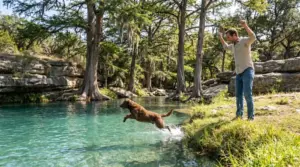
- Dock Diving: A fast-growing competitive sport where dogs sprint down a 40-foot dock to leap into a body of water after a toy. Scored by distance or height, this sport welcomes all breeds—from mixed-breed rescues to elite Labradors.
- Paddleboarding and Kayaking: Watercraft adventures require meticulous desensitization on dry land before hitting the water. Handlers must ensure both human and dog wear properly fitted life jackets. Smaller dogs adapt quickly, but larger breeds can also master balance with patience and positive reinforcement.
Official Statements and Expert Perspectives
Industry leaders, veterinary professionals, and canine sports authorities emphasize that while water play is immensely beneficial, it demands unwavering responsibility from pet parents.

Dr. Sarah Jenkins, a prominent canine sports veterinarian, underscores the physiological benefits of aquatic conditioning:
"Swimming and controlled water retrieval offer unparalleled cardiovascular conditioning without the concussive joint impact associated with running on hard pavement. For dogs recovering from orthopedic injuries, or for senior dogs battling canine osteoarthritis, water activities maintain muscle mass while preserving joint integrity. However, guardians must remain vigilant. Exercise-induced exhaustion in water can turn tragic in seconds if a dog lacks a flotation device or overextends its physical limits."
Representatives from the North American Diving Dogs (NADD) organization highlight the inclusivity of modern canine aquatics:
"People often assume dock diving is exclusively for professional sporting dogs. In reality, the sport is built around community and joy. We routinely watch rescue dogs, terriers, and mixed breeds step onto the dock for the first time and discover an innate passion for flight and water. It builds an unbreakable bond of trust between the dog and their handler."
Behavioral experts also caution against the dangers of forced water exposure. Animal behaviorist Marcus Vance notes:

"Throwing an uncertain dog into a lake or pool to ‘teach them how to swim’ is an outdated, highly damaging myth. It floods the animal’s nervous system with panic and creates a lifelong phobia of water. True water confidence is earned through voluntary participation, high-value treats, patience, and allowing the dog to opt-in at every stage of the learning process."
Future Outlook: Trends in Canine Aquatic Enrichment and Safety
As the pet care industry continues to innovate, the future of canine summer recreation points toward advanced safety technology, specialized indoor hydrotherapy centers, and eco-friendly recreational spaces.
1. High-Tech Canine Cooling and Safety Gear
The next generation of pet water safety equipment is moving beyond basic foam life jackets. Emerging designs incorporate integrated GPS tracking modules, thermal-reflective fabrics to block UV rays, and ergonomic buoyancy panels tailored to specific body conformations (such as barrel-chested bulldogs versus slender greyhounds). Furthermore, intelligent hydration monitors are being developed to alert owners when a dog’s core temperature approaches dangerous thresholds during extended swim sessions.
2. Expansion of Indoor Hydro-Parks and Training Facilities
With climate change driving prolonged summer heatwaves and extreme weather events, outdoor water access is becoming increasingly unpredictable. The future of canine summer play lies in indoor, climate-controlled hydro-parks equipped with temperature-regulated pools, ramps, and professional supervisors. These facilities allow urban and suburban dog owners to provide year-round, weather-proof aquatic enrichment regardless of outdoor air quality or ambient heat.
3. Comprehensive Water Safety Protocols
Public awareness campaigns spearheaded by veterinary associations are shifting the narrative around water intoxication (hyponatremia)—a dangerous and potentially fatal condition that occurs when dogs ingest excessive amounts of water while biting at splashes or retrieving objects. Future industry standards will heavily emphasize "no-chew" floating toys and strict playtime limitations to prevent fluid overload.

Conclusion
Summer should be a season of unbridled joy, shared adventures, and cooling relief for both humans and their four-legged companions. Whether you are transforming your urban balcony with a mini splash pad, cheering on your retriever at a local dock diving facility, or gliding across a serene morning lake on a paddleboard, water-based activities offer a transformative way to enrich your dog’s life.
By prioritizing slow, positive introductions, investing in high-quality safety gear like properly fitted canine life jackets, and remaining vigilant against exhaustion and water intoxication, pet guardians can unlock a world of safe aquatic fun. Gather your towels, pack the treats, and dive into a sun-soaked season of unforgettable memories with your beloved canine companion.