Positive reinforcement training is often framed as a straightforward transaction: your dog executes a desired behavior, and you immediately reward them. However, bridging the communication gap between human intention and canine perception is notoriously complex. Even experienced handlers frequently misinterpret what animals find genuinely rewarding, a misstep that can lead to a phenomenon known in behavioral science as "poisoning the cue."
Renowned animal behaviorist and author Dr. Patricia McConnell is shining a light on this common training pitfall. As she prepares a fully updated edition of her seminal text, The Puppy Primer, slated for publication in October, McConnell is urging pet owners to sharpen their observation skills. By evaluating how dogs physically respond to praise, handlers can determine whether their reinforcement strategy is building a positive association or inadvertently introducing a form of punishment. Beyond behavioral insights, this report covers McConnell’s upcoming autumn event schedule, her latest literary ventures, and a glimpse into farm life following severe weather.
Detailed Chronology: The Mechanics of "Poisoning the Cue"
To understand how positive reinforcement goes awry, it is necessary to examine the physical cues dogs exhibit when interacting with humans. In an excerpt from The Puppy Primer, McConnell highlights a ubiquitous scene in puppy training classes across the country:
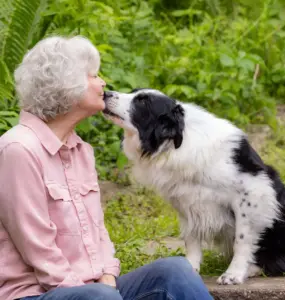
"A word to the wise: Dogs aren’t as fond of receiving head pats as we are of giving them. In every puppy class you can watch owners pat-pat-patting the top of their recently recalled dogs’ heads, believing that they are reinforcing their dogs for coming. However, if you watch for it, you can see the dogs ducking down and turning their heads away as if they didn’t like it."
This subtle rejection stems from a fundamental mismatch between human and canine preferences. While humans perceive vertical head pats as a comforting gesture of affection, many dogs experience them as threatening or intrusive—akin to a dominant physical hover over their most vulnerable area. Golden Retrievers often stand as notable exceptions to this aversion, largely due to their exceptionally tolerant dispositions.
When Praise Acts as Punishment
In behavioral terms, when an animal attempts to avoid a stimulus, that stimulus ceases to function as a reinforcer. If a dog is called across a yard, arrives enthusiastically, and is immediately greeted with an unwanted head pat or an uncomfortable grip on the collar, the recall cue becomes associated with an unpleasant experience.
McConnell defines this as "poisoning the cue," where a command that should signal safety and reward instead triggers anxiety or reluctance. The examples extend far beyond head pats during recalls:
The Sit-and-Slap: Asking a dog to sit, only to forcefully slap the top of their head in celebration.
The Ambush Recall: Calling a dog to come, only to immediately clip them to a leash and end their off-leash freedom.
The Grooming Trap: Inviting a dog to lie down, only to transition instantly into nail trimming without warning or positive association.
Over time, these seemingly minor infractions erode the reliability of basic obedience commands, leaving owners frustrated and dogs confused.
Supporting Context & Metrics: Assessing Canine Body Language
To counteract the drift toward poisoned cues, animal behaviorists emphasize the importance of observational literacy. Accurately assessing whether a training reward is truly effective requires reading subtle, micro-behaviors in real-time.
The Spectrum of Canine Response
Behavior Category
Physical Indicators
Behavioral Meaning
Positive Reinforcement
Loose body posture, wagging from the shoulders back, sustained eye contact, forward-leaning posture toward rewards.
The dog perceives the interaction as genuinely rewarding and safe.
Aversive Reaction
Turning the head away, ducking, freezing, stiffening limbs, closed mouth, shifting weight backward, attempting to walk away.
The dog perceives the interaction as punishing or uncomfortable; immediate strategy adjustment is required.
McConnell’s core challenge to dog owners is to select one or two specific behaviors to monitor over the course of several weeks. By maintaining a simple observation log—free of complex formatting or lengthy narratives—handlers can track patterns in how their dogs respond to daily commands. This data-driven approach shifts the burden of communication from the dog to the human, fostering an environment of mutual trust.
Official Statements and Literary Updates
Amid her ongoing work in animal behavior, McConnell’s schedule is heavily populated with literary milestones, public appearances, and collaborative projects.
The Puppy Primer Revision
The overhaul of The Puppy Primer, which McConnell managed throughout the month of July, brings decades of updated behavioral science to a new generation of pet owners. The revised text places heightened emphasis on emotional well-being, consent in handling, and the prevention of inadvertent punishment during basic training.
Fall 2026 Event Calendar
McConnell’s public appearances bridge the worlds of animal welfare and literature, offering audiences an opportunity to engage directly with her insights on dogs and her recent foray into fiction, Away To Me.
July 25, 2026: Minocqua Public Library (Minocqua, WI) – Author visit from 1:00 PM to 3:00 PM CT.
September 15, 2006 (Fall Bark Fest): A joint discussion featuring McConnell and Cat Warren alongside Zazie Todd and Kristi Benson.
September 17, 2026: Hildebrand Memorial Library (Boscobel, WI) – Evening presentation starting at 6:00 PM CT.
September 24, 2026: Barnes & Noble (Madison, WI) – Author event at 7:00 PM CT.
October 7–10, 2026: CANIS Conference (Schaumburg, IL) – McConnell will host a relaxed "Story Circle" for CANIS+ attendees on Thursday, October 8th, followed by a panel discussion on ethics and animal welfare in the training industry from 4:30 PM to 5:00 PM CT.
October 15–18, 2026: Wisconsin Book Festival 25th Anniversary Celebration (Madison, WI) – Specific timing and venue details to be announced.
November 14, 2026: Janesville-Beloit Kennel Club (Janesville, WI) – Afternoon lecture exploring canine behavior and her new novel.
Commenting on her public engagement, McConnell notes:
"I love talking in person with people about dogs, dogs and us, and related books. I will admit it’s been especially fun talking about my new venture—Away To Me—but all topics are welcome in the Q & A."
Due to the convergence of her writing commitments for the updated primer, her novel projects, and the summer season, McConnell has temporarily adjusted her blog publication schedule from bi-weekly to every three weeks.
Future Outlook & Farm Life Dispatch
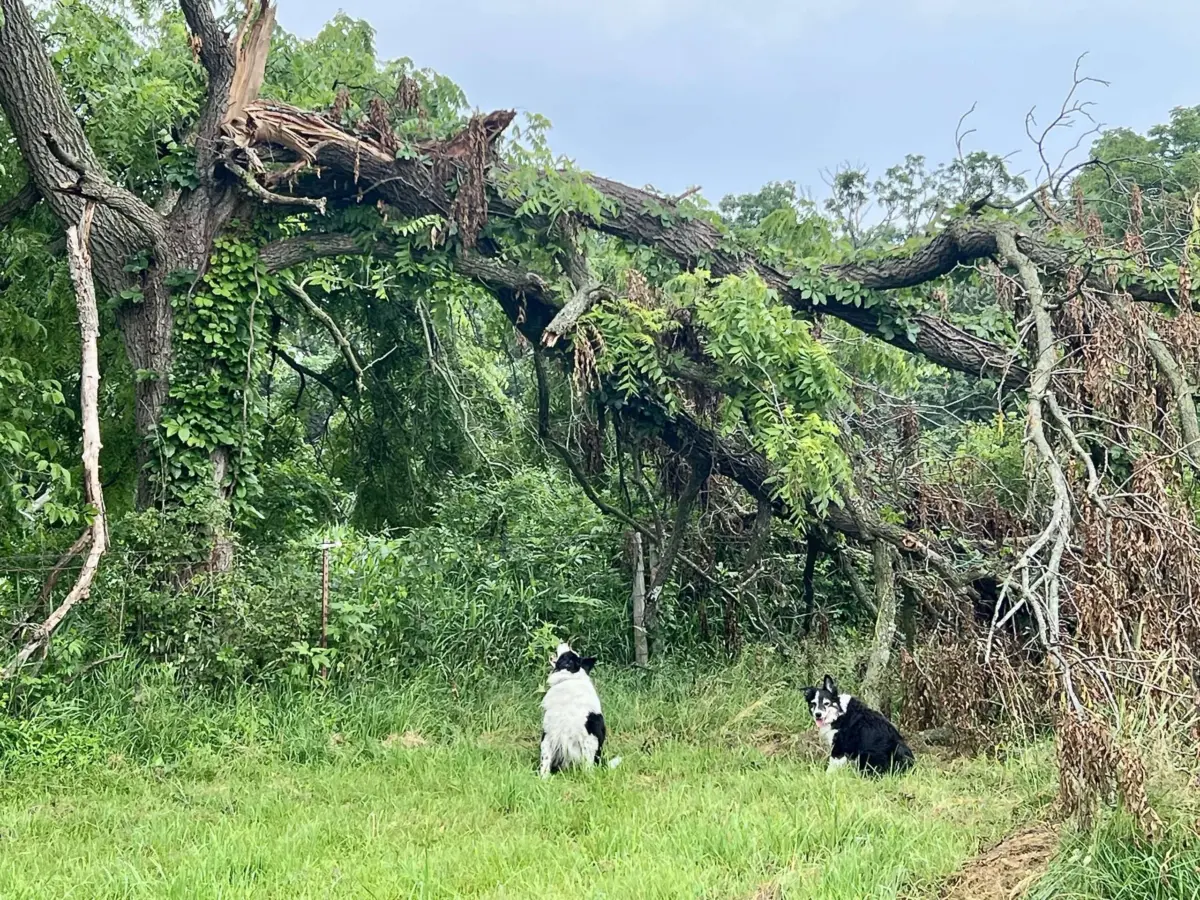
Away from the lecture circuit, life on the McConnell farm continues at a brisk pace. Following a severe summer storm that brought winds up to 70 miles per hour, property maintenance has been a constant fixture. While partner Jim has spent weeks clearing fallen timber with a chainsaw—eventually calling in professional assistance for the larger hazards—other seasonal projects move forward at their own rhythm.
The farm has also hosted notable visitors, including Colleen Michelson, a detective and real-life crime scene investigator whose expertise proved invaluable in structuring the law enforcement elements within Away To Me. However, despite the human socializing and the blooming of July day lilies, resident dog Miss Maggie maintained her trademark deadpan resistance to impromptu photography sessions.
As summer transitions into the autumn conference season, McConnell’s overarching message remains clear: effective training is not about exerting control, but about cultivating acute observational skills. By watching our dogs closely, listening to what their body language tells us, and refining our own physical cues, we can ensure that our praise remains a genuine reward rather than a poisoned command.