
Executive Overview
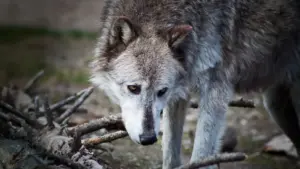
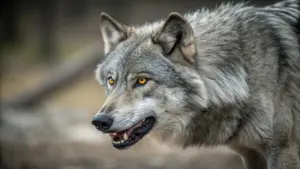
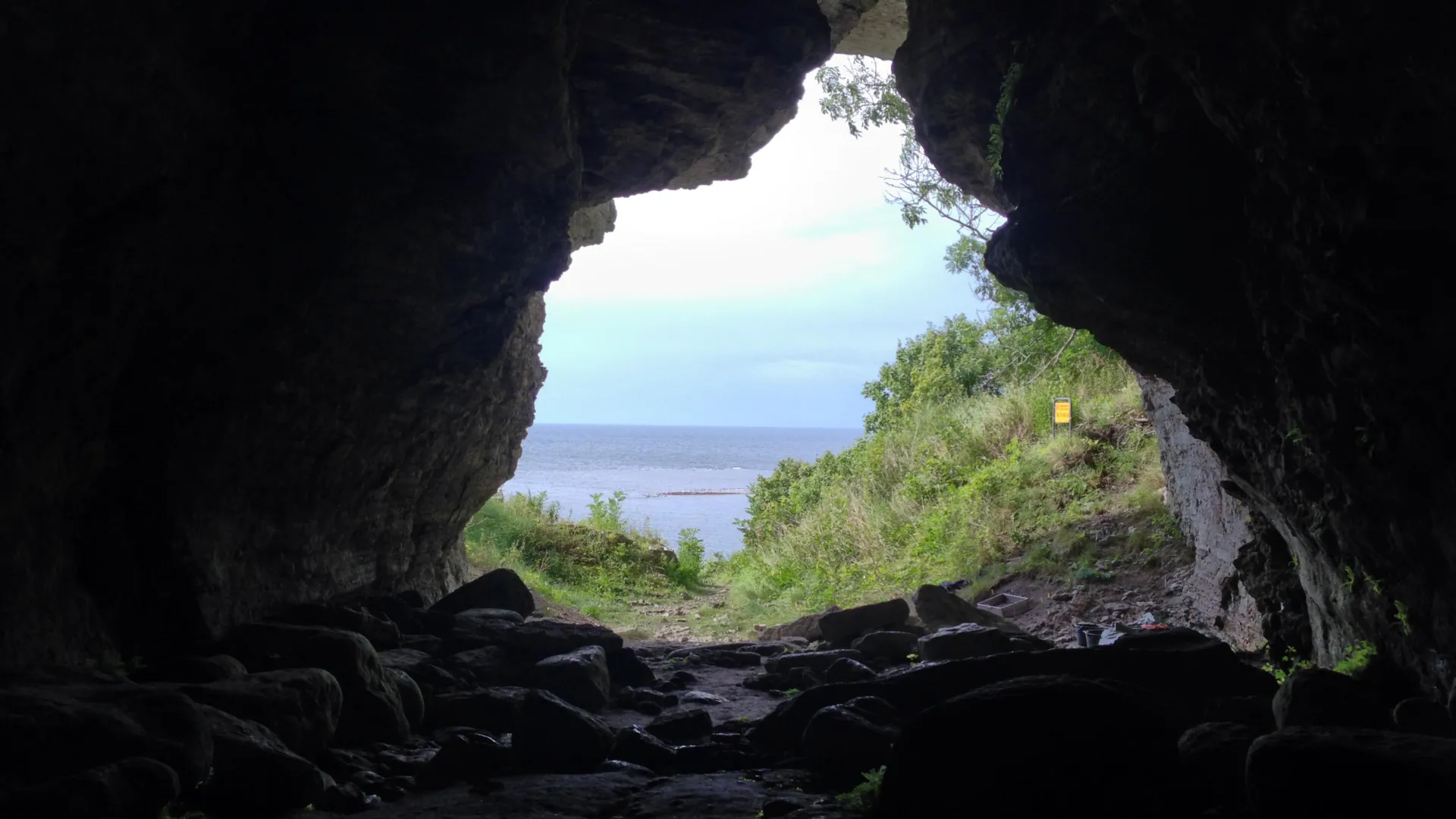
Deep within the damp confines of Stora Förvar, a sprawling limestone cave on the tiny, isolated Swedish island of Stora Karlsö in the Baltic Sea, archaeologists have unearthed a biological and historical paradox. Hidden among the refuse, tools, and bone fragments left behind by Neolithic and Bronze Age coastal communities lie the remains of ancient wolves. Dated to between 3,000 and 5,000 years old, these specimens have ignited a profound reassessment of how prehistoric humans interacted with apex predators.
The core of the mystery is deceptively simple: Stora Karlsö is a minuscule landmass measuring a mere 2.5 square kilometers, situated far off the coast and entirely devoid of native terrestrial mammals. Wolves are powerful animals, but they are not seafaring creatures; they could not have colonized the island by swimming across the frigid, open stretches of the Baltic Sea. The presence of these canids demands only one conclusion—they were transported across the water by human hands, almost certainly aboard primitive watercraft, millennia ago.
However, the geographical puzzle is only the beginning. When an international consortium of scientists—representing the Francis Crick Institute, Stockholm University, the University of Aberdeen, and the University of East Anglia—subjected the remains to rigorous DNA sequencing and isotope analysis, the results stunned the academic community. The animals were not domesticated dogs, nor were they early transitional dog-wolf hybrids; they were genetically pure Eurasian wolves. Yet, they lived alongside humans, consumed a marine-heavy diet matching that of the island’s human inhabitants, displayed reduced body sizes, and, in one instance, exhibited unprecedentedly low genetic diversity alongside evidence of healing from a debilitating limb injury.
Published in the Proceedings of the National Academy of Sciences (PNAS), this landmark study shatters the conventional, linear paradigm of canine domestication. For decades, science has viewed the relationship between humans and wolves through a singular lens: the evolutionary journey that ultimately transformed wild predators into man’s best friend. The Stora Karlsö discovery reveals a forgotten, complex chapter of prehistory—one where prehistoric communities experimented with keeping, feeding, and managing wild wolves in close quarters without turning them into dogs. It points toward ancient paths of coexistence that flickered, held for generations, and ultimately vanished into the mist of time.
Detailed Chronology
To fully grasp the magnitude of the Stora Karlsö discovery, one must trace the timeline of both the archaeological site and the methodological breakthroughs that allowed modern science to read secrets locked in ancient bones.
The Neolithic and Bronze Age Context (c. 3000 BCE – 1000 BCE)
During the Stone and Bronze Ages, the Baltic region was heavily utilized by maritime hunter-gatherers, seal hunters, and fishermen who navigated the treacherous waters of the Baltic Sea in skin boats or dugout canoes. Stora Förvar cave on Stora Karlsö served as a vital seasonal or recurring encampment for these maritime groups. They hauled their catches ashore, processed seals, and discarded bones into the cave’s floor sediment, creating a stratified historical archive.
Within these ancient layers, resting among the debris of human subsistence, the wolf remains were preserved. These specimens span a significant temporal arc, representing both Neolithic seal-hunters and later Bronze Age communities. For generations, these people shared a confined island space with wolves—an arrangement that went far beyond mere tolerance or predatory conflict.
Excavation and the Modern Scientific Awakening
The bones recovered from Stora Förvar sat in museum archives and academic collections for years, their true identity masked by the visual similarities between canid remains. It was only with the advent of paleogenomics and advanced archaeological science that researchers could peer past bone morphology to read the ancient DNA locked within.
A multidisciplinary team comprising geneticists, osteologists, and isotope geochemists joined forces to interrogate the Stora Karlsö canids. Led by researchers from the Francis Crick Institute, Stockholm University, the University of Aberdeen, and the University of East Anglia, the team initiated a comprehensive study combining ancient genomics, osteology, and stable isotope mass spectrometry.
The chronology of the research unfolded in meticulous phases:
- Osteological and Morphological Screening: Scientists initially categorized the bones, noting unusually small skeletal dimensions compared to mainland Eurasian wolves of the same era.
- Ancient DNA Extraction: Geneticists extracted DNA from the preserved petrous bones (the dense inner ear bones that preserve genetic material exceptionally well) to determine whether the specimens were dogs (Canis lupus familiaris) or wolves (Canis lupus).
- Genomic Sequencing and Diversity Mapping: High-coverage genome sequencing mapped the complete genetic makeup of the specimens, revealing their exact ancestry and tracking metrics of genetic diversity.
- Stable Isotope Analysis: Researchers analyzed carbon and nitrogen isotopes in the collagen of the wolf bones to reconstruct their lifetime diets, comparing them directly against the known dietary signatures of contemporary humans and seals on the island.
- Pathological Examination: Osteologists closely examined skeletal trauma, identifying severe limb injuries that shed light on the care and survival dynamics of the animals.
Supporting Context & Metrics
The Stora Karlsö study relies on hard scientific data, combining multiple independent analytical techniques to reconstruct a picture of prehistoric life that transcends simple guesswork.
Geographical Impossibility: The Stora Karlsö Metrics
- Island Area: Approximately 2.5 square kilometers.
- Native Terrestrial Mammals: Zero. The island lacks the ecosystem capacity to support large land mammals naturally.
- Distance to Mainland: Situated off the coast of Gotland in the Baltic Sea, requiring deliberate maritime transport over open water.
- Archaeological Site: Stora Förvar cave, a deep karstic cave system heavily stratified with human occupation layers from the Neolithic and Bronze Ages.
Genomic and Dietary Analysis Metrics
- Species Identification: Genetic testing confirmed 100% wolf ancestry. The specimens displayed no detectable dog genetic introgression, ruling out the possibility that they were early breeds of domestic dogs or modern wolf-dog hybrids.
- Dietary Reconstruction via Isotopes: Isotope analysis of bone collagen revealed elevated levels of marine proteins. The carbon and nitrogen isotope signatures of the wolves matched those of human seal-hunters sharing the island, proving that the wolves subsisted primarily on human-provided marine resources (such as seal blubber and fish scraps) rather than terrestrial game.
- Skeletal Morphology: The Stora Karlsö wolves were physically smaller than their mainland Eurasian counterparts—a morphological shift often observed when wild populations are confined or adapt to island dwarfism and managed feeding environments.
- Genetic Diversity Anomalies: Genome sequencing of the best-preserved Bronze Age wolf specimen revealed exceptionally low genetic diversity. This metric fell well below the baseline of any other ancient wolf genome studied to date. Such a severe drop in genomic variation typically points to a population bottleneck, geographic isolation, or active, selective management by humans over multiple generations.
- Pathological Evidence: One particular Bronze Age wolf specimen exhibited profound, healed trauma to a major limb bone. In the wild, such an injury would be a death sentence, preventing an animal from hunting fleet-footed prey. The fact that the animal survived long enough for the bone to heal indicates it was provisioned and protected—either living within a human settlement or receiving deliberate care.
Official Statements
The implications of this research have drawn commentary from the leading architects of the study, highlighting how profoundly the discovery challenges established scientific orthodoxy.
"The discovery of these wolves on a remote island is completely unexpected. Not only did they have ancestry indistinguishable from other Eurasian wolves, but they seemed to be living alongside humans, eating their food, and in a place they could have only have reached by boat. This paints a complex picture of the relationship between humans and wolves in the past."
— Dr. Linus Girdland-Flink, University of Aberdeen, Lead Author of the Study
"It was a complete surprise to see that it was a wolf and not a dog. This is a provocative case that raises the possibility that in certain environments, humans were able to keep wolves in their settlements, and found value in doing so."
— Pontus Skoglund, Ancient Genomics Laboratory at the Francis Crick Institute, Senior Author of the Study
"The genetic data is fascinating. We found that the wolf with the most complete genome had low genetic diversity, lower than any other ancient wolf we’ve seen. This is similar to what you see in isolated or bottlenecked populations, or in domesticated organisms. While we can’t rule out that these wolves had low genetic diversity for natural reasons, it suggests that humans were interacting with and managing wolves in ways we hadn’t previously considered."
— Anders Bergström, University of East Anglia, Co-Lead Author
"The combination of data has revealed new and very unexpected perspectives on Stone Age and Bronze Age human-animal interactions in general and specifically concerning wolves and also dogs."
— Jan Storå, Professor of Osteoarchaeology at Stockholm University
Future Outlook: Rewriting the History of Coexistence
The revelation that Neolithic and Bronze Age humans transported wild wolves across the Baltic Sea and maintained them in close quarters forces archaeology and evolutionary biology to expand their horizons. For decades, the narrative of human-canine interactions has been dominated by a singular destination: domestication. In this traditional framework, wolves that were "useful" became dogs, while those that were not remained wild enemies.
The Stora Karlsö wolves do not fit into this neat evolutionary ladder. They remained biologically wild wolves, yet they lived integrated lives within human spheres of activity, eating human-derived food, experiencing population bottlenecks indicative of human management, and receiving care during periods of severe physical injury.
This discovery opens several vital avenues for future research:
- Re-examining Global Archaeological Archives: Archaeologists are now re-evaluating canid remains from other isolated archaeological sites around the world. Skeletal collections previously assumed to be domesticated dogs or wild wolves culled for pelts may actually represent managed, captive wild populations.
- Uncovering the "Value" of Wild Wolves: Researchers are investigating what utility prehistoric island communities found in keeping undomesticated apex predators. Was it for guarding settlements, spiritual or ritual purposes, companionship, or perhaps utilizing their tracking and hunting instincts in specialized island environments?
- Mapping Dead-End Evolutionary Experiments: The genetics of the Stora Karlsö wolves suggest an experiment in coexistence that ultimately did not culminate in modern dog breeds. Understanding these evolutionary dead ends provides a more nuanced view of human history—one marked by diverse, localized trials in multi-species living that left no modern genetic descendants, but reveal the profound ingenuity and adaptability of ancient humans.
Ultimately, the ancient wolves of Stora Karlsö serve as emissaries from a forgotten chapter of prehistory. They remind us that the boundary between wild and tame, human and animal, was far more porous and experimental in the ancient world than we ever imagined. As science continues to unlock the secrets buried in ancient soils and bones, we are reminded that our ancestors’ relationships with the natural world were infinitely richer, stranger, and more complex than history books have led us to believe.