
Executive Overview
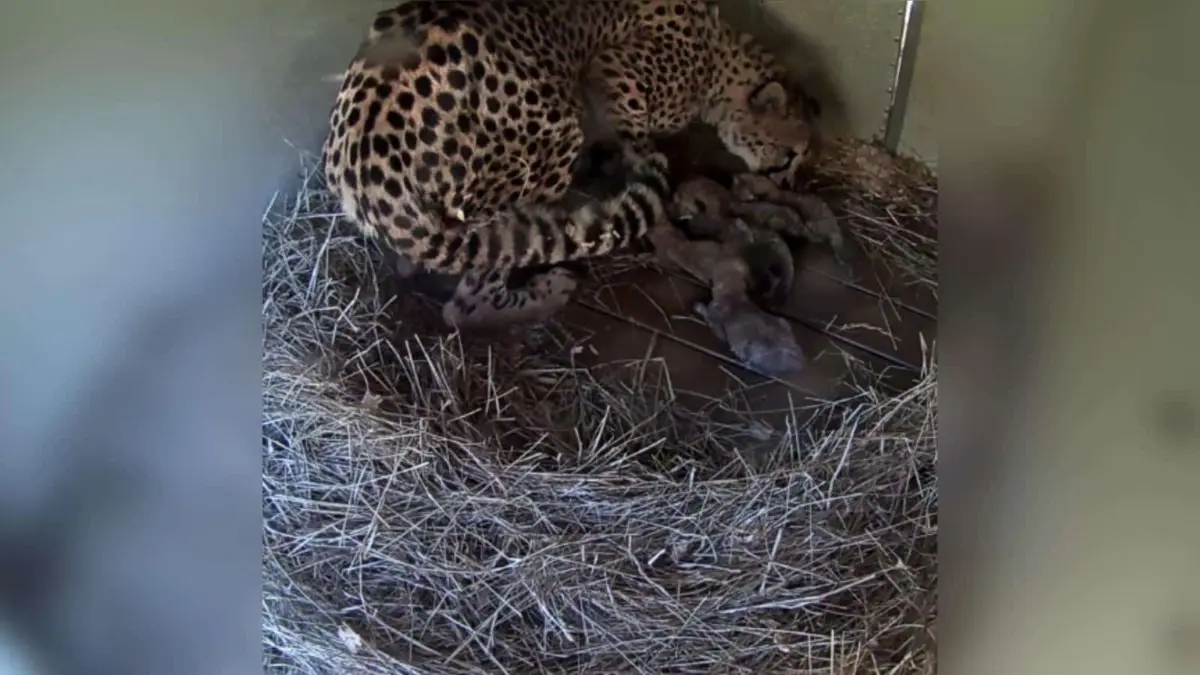
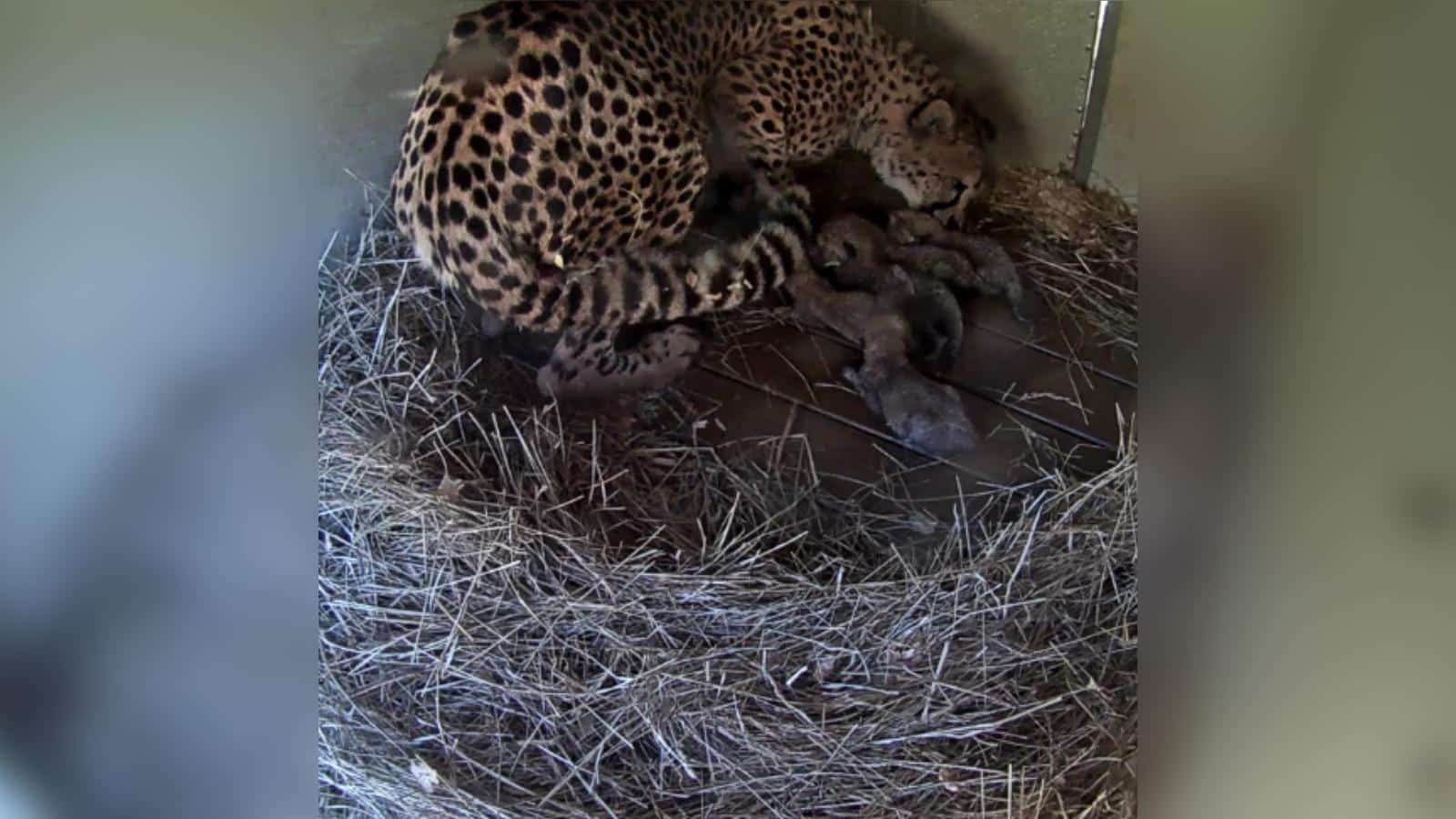
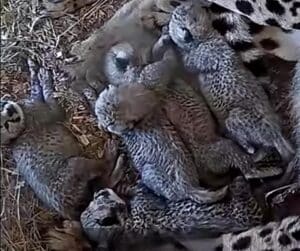
In the quiet hills of Front Royal, Virginia, a remarkable chapter in wildlife conservation is quietly unfolding. On October 5, 2026, a litter of five tiny cheetah cubs was born at the Smithsonian Conservation Biology Institute (SCBI), offering animal lovers worldwide an unprecedented, intimate look at the vulnerable earliest days of life for the world’s fastest land mammal.
Born to a five-year-old mother named Zura—herself born at the facility—the quintet represents far more than a heartwarming viral sensation. These five cubs are the shining emblem of a multi-generational breeding triumph. Uniquely, their arrival establishes a living dynasty of four generations of the same cheetah family under SCBI’s expert care.
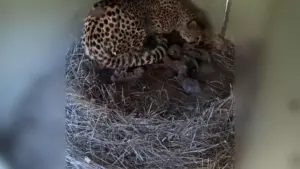
Because Zura and her litter are housed in a private, off-exhibit maternity den, they are shielded from the traditional stress of public zoo crowds. However, through the revolutionary Smithsonian Cheetah Cub Cam, a global audience can tune in to watch the mother-infant bond form in real time. This digital window into the den balances crucial non-intrusive wildlife management with public engagement, providing researchers and animal enthusiasts alike with a front-row seat to the delicate unfolding of early mammalian development.
Beyond the immediate joy of watching newborn cubs nurse, sleep, and take their first wobbly steps, this litter carries profound ecological weight. With fewer than 7,000 cheetahs remaining in the wild and the species facing mounting pressures from habitat fragmentation, climate change, and human-wildlife conflict, every successful captive birth is a vital safeguard against extinction.
Detailed Chronology: The Journey to October 5, 2026
The story of these five cubs is deeply rooted in the meticulous planning, behavioral monitoring, and genetic tracking managed by the animal care teams at the Smithsonian Conservation Biology Institute.
Pre-Birth Preparations and Monitoring
Months prior to the October 5 birth date, SCBI’s carnivore curators and animal health specialists closely tracked Zura’s cycle and mating indicators. Breeding cheetahs in human care is notoriously difficult. Captive populations often struggle with low genetic diversity—a biological bottleneck resulting from historical population crashes thousands of years ago—which frequently translates to reproductive complications.
Zura’s pregnancy was monitored using non-invasive techniques, including behavioral observations and hormonal assays. Because Zura was born at SCBI, the animal care staff possessed extensive baseline data on her lineage, temperament, and health history. This longitudinal insight allowed the veterinary team to prepare a stress-free, optimal environment for her to nest and give birth.
The Arrival: October 5, 2026
On October 5, Zura delivered her litter of five healthy cubs inside a secure, temperature-controlled private maternity den. In the wild, cheetah mothers must leave their vulnerable cubs hidden in dense brush while they hunt, exposing the litter to severe predation risks from lions, hyenas, and eagles. At SCBI, Zura was granted a safe, predator-free sanctuary, drastically improving the immediate survival odds for her newborns.
The First Weeks: Establishing the Den Environment
During their initial weeks of life, the cubs’ world is entirely confined to the private den. They spend the vast majority of their time sleeping, nursing, and relying completely on Zura’s warmth and protection.
To ensure the family’s health and psychological well-being, SCBI staff intentionally minimized direct human contact. Instead of physical check-ins that could induce stress or disrupt the delicate maternal bond, researchers utilized the specialized Cheetah Cub Cam. This remote monitoring technology allows staff to track respiratory rates, nursing frequency, and general mobility from afar. As the weeks progress, the cubs will transition from helpless, eyes-closed newborns into active, curious explorers, taking their first clumsy steps and beginning to interact with one another through gentle batting, chasing, and vocalizations.
Supporting Context & Metrics: The Crisis Facing Wild Cheetahs
While the scenes streaming from the SCBI den are undeniably tender, they play out against a stark global backdrop. The cheetah (Acinonyx jubatus) is classified as vulnerable to extinction by the International Union for Conservation of Nature (IUCN), with populations on a steep, continuous decline.
Population Demographics and Range Collapse
- Global Wild Population: Current estimates suggest fewer than 7,000 mature cheetahs remain across their fragmented natural habitats in Africa, alongside a critically endangered sub-population of fewer than 50 individuals in Iran.
- Historic Range Reduction: Human expansion, agricultural conversion, and infrastructure development have severely restricted the species. Cheetahs currently occupy a mere 9 percent of their historic geographic range.
- Threat Multipliers: Wild cheetah populations face relentless pressure from habitat loss, depletion of natural prey species due to overhunting, illegal wildlife trafficking, and lethal retaliatory actions from livestock farmers who view cheetahs as a threat to their livelihoods.
The Genetics of Conservation Breeding
Managing species under human care requires navigating complex genetic landscapes. Because ancient population bottlenecks stripped cheetahs of deep genetic diversity, modern captive populations must be managed with extreme scientific precision to prevent inbreeding depression and reproductive failure.
SCBI is a proud participant in the Cheetah Breeding Coalition, a collaborative network of ten accredited facilities across the United States dedicated to sustaining a genetically robust, self-sustaining ark population. Statistically, only about half of all breeding pairings among cheetahs in human care result in successful litters, compounding the significance of Zura’s five-cub delivery.
Furthermore, cutting-edge research at institutions like SCBI is diving deeper into microscopic metrics of survival. Scientists are actively investigating how the cheetah gut microbiome influences overall fertility, sperm quality, and offspring immune system development. By correlating dietary and microbial factors with reproductive success, researchers hope to unlock new protocols that will boost both captive breeding outcomes and eventual conservation interventions in the field.
Official Statements and Expert Perspectives
The birth of the five-generation family lineage has drawn widespread praise from the conservation community, highlighting the intersection of rigorous animal husbandry and public education.
Adrienne Crosier, the carnivore curator at SCBI, emphasized the historic nature of the birth during a recent press statement. She noted that welcoming the third litter from this specific family line—resulting in an unprecedented four generations of the same family residing at the institute—stands as a direct testament to the dedication, skill, and holistic health protocols maintained by the animal care team.
"Having four generations of the same cheetah family under our care reflects the exceptional, long-term commitment of our animal care and veterinary teams," Crosier explained. "Every birth in our program contributes vital data and genetic resilience to the broader species survival plan, while giving us a unique window into the behavioral nuances of these magnificent cats."
Curatorial and veterinary staff have also championed the role of the Cheetah Cub Cam. By broadcasting the den live, SCBI bridges the gap between specialized conservation science and public advocacy. Wildlife officials point out that when people witness the intimate, vulnerable early moments of a cheetah family—watching Zura lovingly groom her offspring or listening to the high-pitched purrs of the cubs—empathy translates directly into broader support for habitat conservation initiatives abroad.
Future Outlook: Raising the Next Generation
As the weeks turn into months, the lives of Zura’s five cubs will transform dramatically. What begins as a routine of nursing and sleeping will soon evolve into high-energy play, social hierarchy testing, and the development of the explosive athletic traits that define their species.
Milestones Ahead for the Quintet
- Sensory Development: Within their first month, the cubs’ eyes will fully open, and their coordination will improve, allowing them to take their first unsteady exploratory steps away from the nursing nest.
- Socialization: Play is critical for young carnivores. As they grow stronger, the five siblings will begin mock-fighting, stalking one another, and practicing the agility drills essential for predatory survival.
- Weaning and Solid Food: Around several weeks to a few months of age, the cubs will gradually transition from milk to meat, learning foundational feeding behaviors alongside their mother.
- Future Placement: As they approach maturity, decisions regarding their long-term placement within the Cheetah Breeding Coalition will be made by SCBI curators, ensuring that genetic lines remain balanced and that future generations continue to thrive.
The birth at SCBI serves as a poignant reminder of what can be achieved through collaborative science, patience, and dedicated stewardship. While the road to saving wild cheetah populations remains long and fraught with socio-economic and environmental hurdles, the soft, rhythmic purrs echoing from a private den in Front Royal offer an enduring sound of hope. Through the lens of the livestream, thousands of viewers are reminded of what is at stake—and why safeguarding the future of the world’s fastest cat remains one of modern conservation’s most vital missions.